Cloud Storage for Mining Companies — Manage Survey Data with RcloneView

Get drone imagery, LiDAR scans, and geological survey files off laptops at remote sites and into centralized cloud storage without a dedicated IT crew on location.
Mining operations generate enormous volumes of geospatial data — drone flyovers, LiDAR point clouds, borehole logs, and CAD models — often captured at sites with limited connectivity and no local server room. Field teams need a reliable way to get that data into central storage once a link is available, and engineers back at headquarters need to browse and verify it without downloading terabytes just to check a file count. RcloneView gives both groups a single desktop application that connects local drives, cloud storage, and archive-tier object storage from one window. Connect S3, Azure, or Backblaze B2 with full read/write on the FREE license.
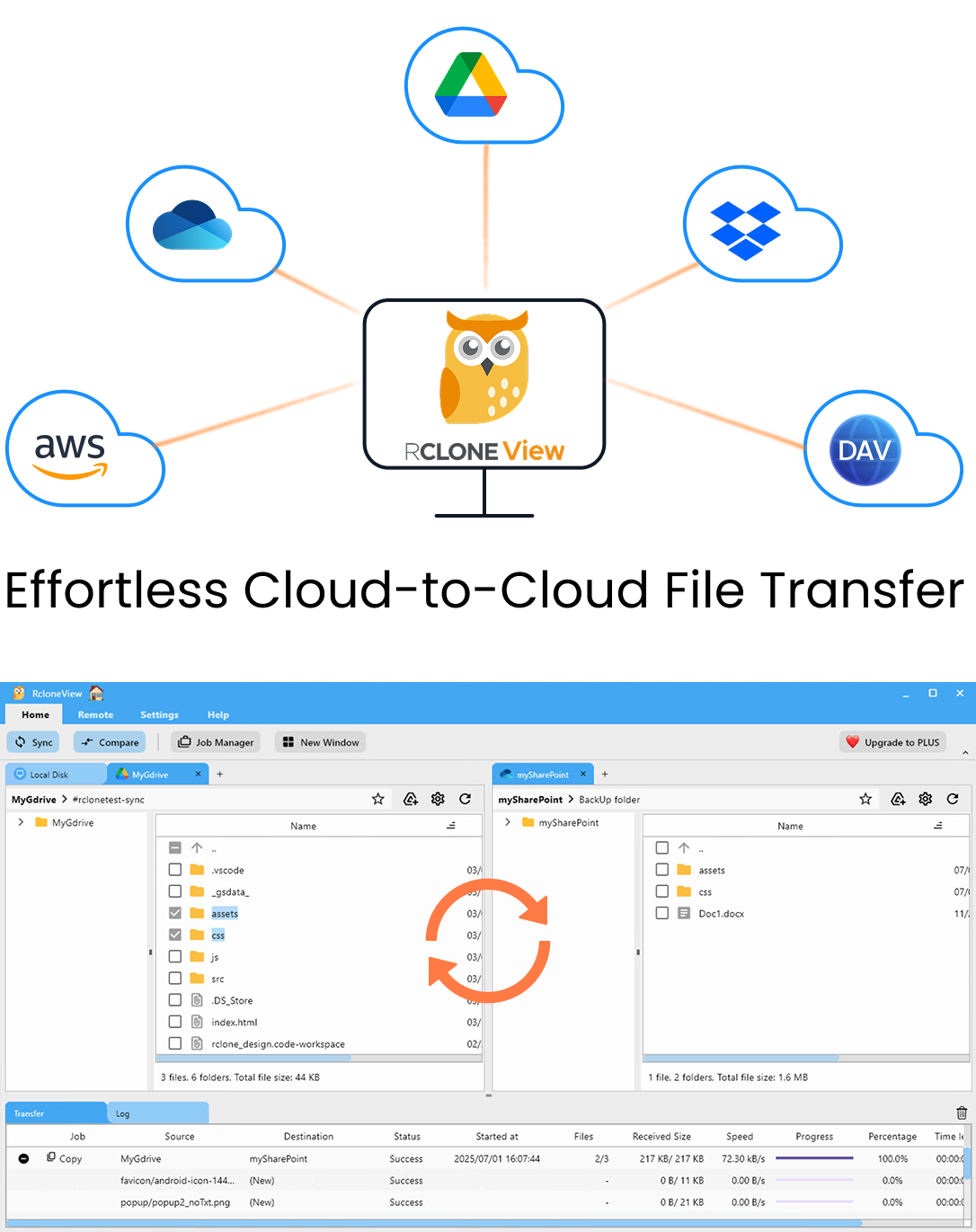
Manage & Sync All Clouds in One Place
RcloneView is a cross-platform GUI for rclone. Compare folders, transfer or sync files, and automate multi-cloud workflows with a clean, visual interface.
- One-click jobs: Copy · Sync · Compare
- Schedulers & history for reliable automation
- Works with Google Drive, OneDrive, Dropbox, S3, WebDAV, SFTP and more
Free core features. Plus automations available.
Centralize Survey Data from Remote Sites
Site laptops typically hold raw drone captures and LiDAR exports as local files until a connection is available to upload them. In RcloneView, a local disk or external drive appears in its own Explorer panel right alongside your cloud remotes, so a field engineer can browse the day's survey files and copy them into an S3-compatible bucket — Wasabi, AWS S3, or Backblaze B2 are common choices for cost-effective long-term archival of imagery that's rarely re-accessed but must be retained for compliance.
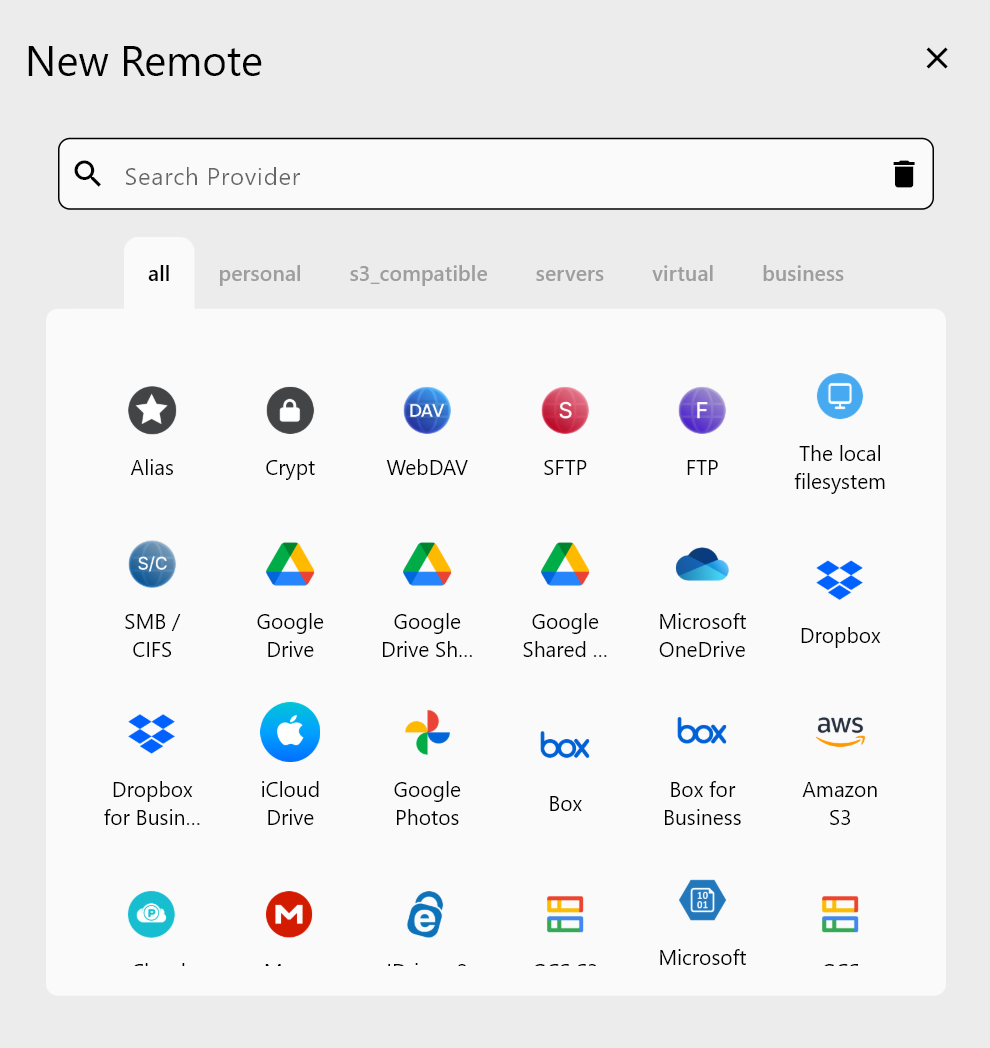
Sync Site Data with Filters That Skip What You Don't Need
Not every file from a survey drive needs to reach the cloud. RcloneView's sync filtering step lets you exclude temporary processing files by extension, cap max file size, or limit how deep the sync walks into a nested project folder structure — useful when raw capture folders sit alongside gigabytes of intermediate rendering output that never needs to leave the site laptop.
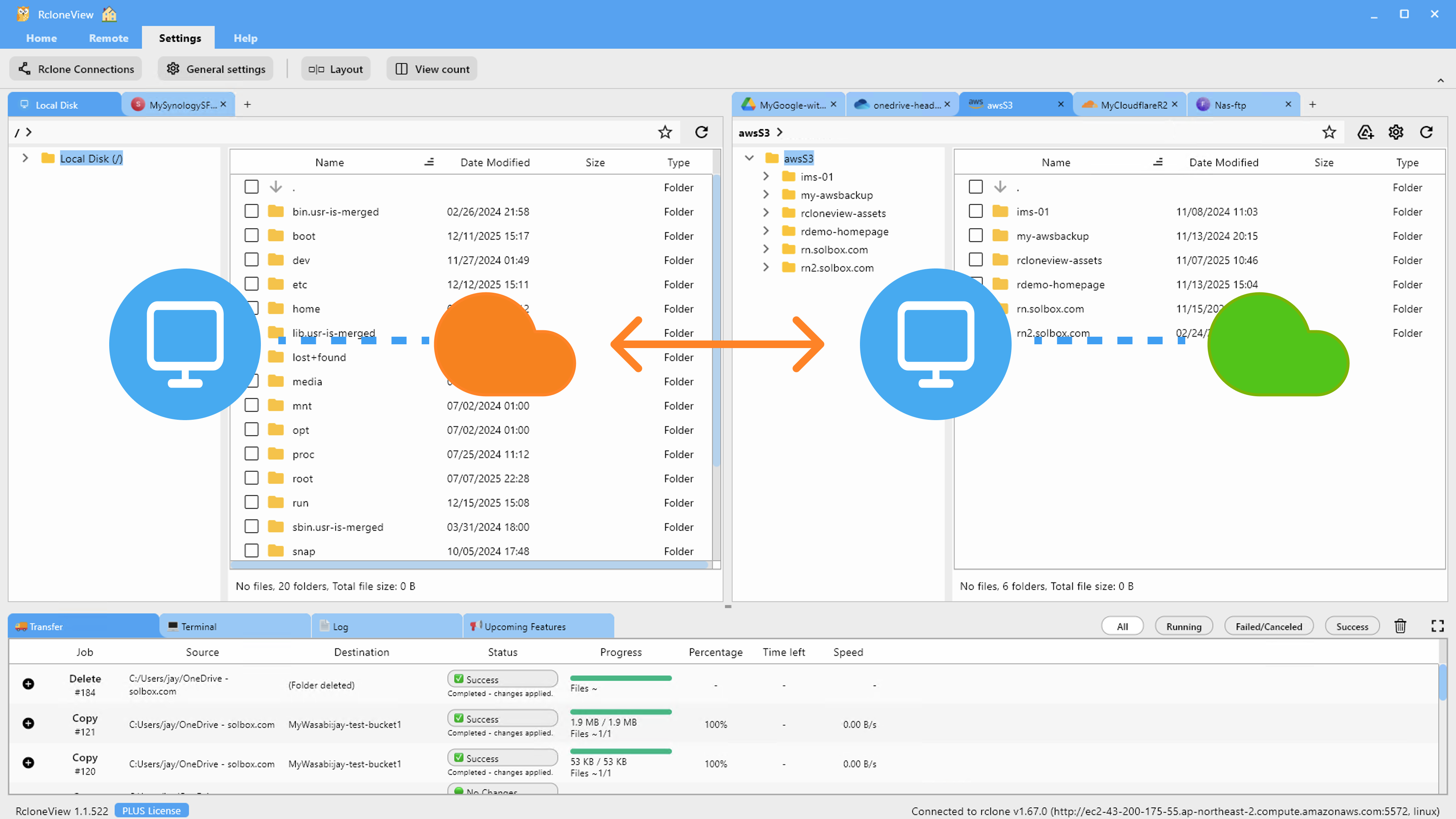
For sites with a narrow satellite or cellular uplink, running the sync overnight as a scheduled job (PLUS license) means the bulk of the transfer happens automatically instead of tying up a connection during working hours.
Verify Data Integrity Before Archiving
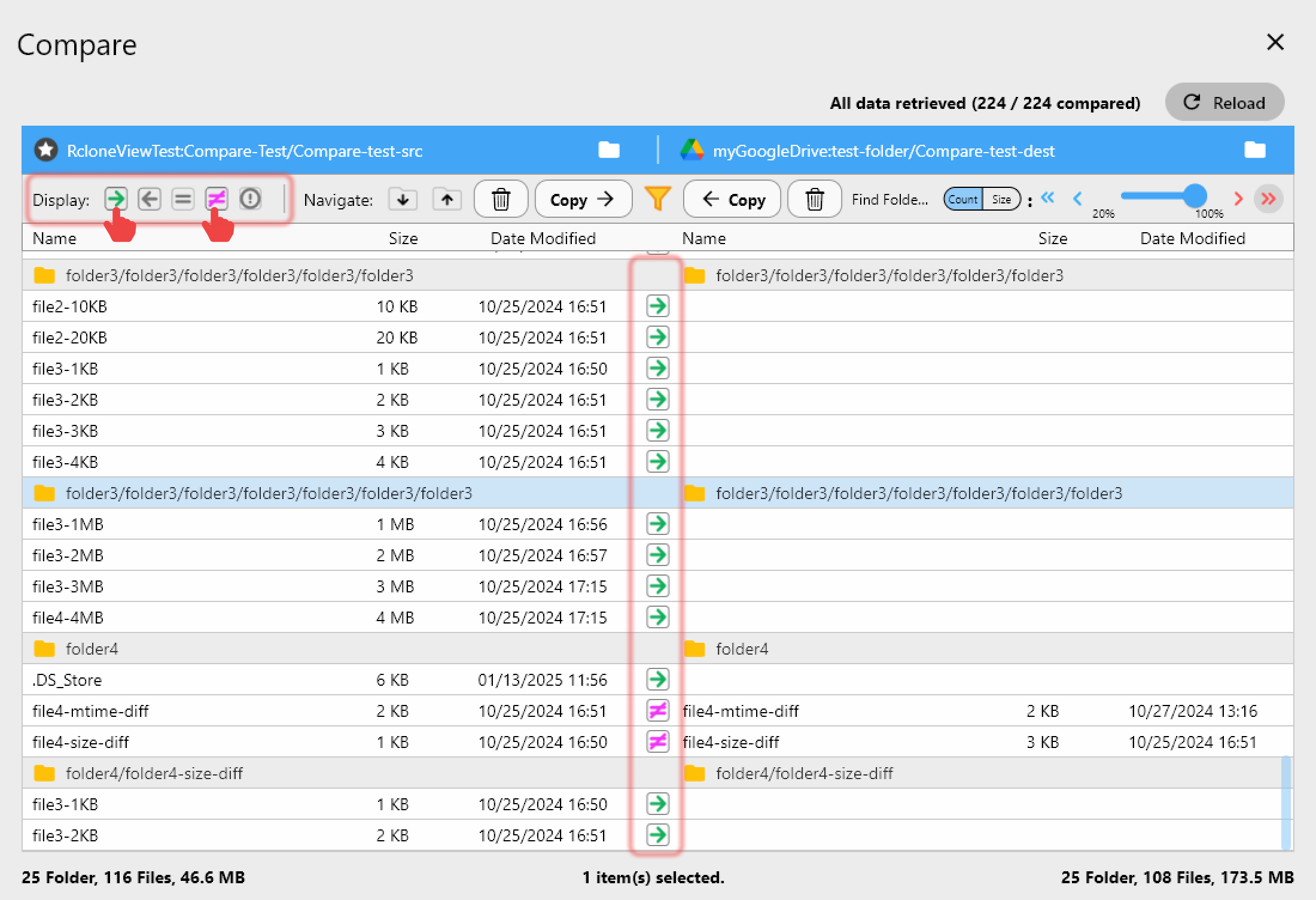
Survey and compliance records need to be provably intact once they reach central storage. Folder Compare puts the local site folder and the cloud archive side by side, flags files that differ in size, and lets checksum-based comparison confirm content matches rather than relying on filenames and timestamps alone.
Getting Started
- Download RcloneView from rcloneview.com.
- Add your site's local drive and a cloud or S3-compatible remote for the archive.
- Configure sync filters to exclude temporary and intermediate files.
- Run a Dry Run, then save the job and check Job History after each sync.
Reliable data off remote sites means fewer surprises when engineering and compliance teams need it back.
Related Guides:
- Cloud Storage for Construction and Project Management — RcloneView
- Cloud Storage for Energy and Utilities — RcloneView
- Cloud Storage for Architecture, Engineering, and CAD — RcloneView
Supported Cloud Providers