Migrate Azure Files to OneDrive — Transfer Files with RcloneView

Move an entire Azure File Storage share into OneDrive without touching the command line or juggling two separate consoles.
Teams that provisioned Azure File Storage for a project or a departmental share often outgrow it once the rest of the business standardizes on Microsoft 365 and OneDrive for daily collaboration. Re-uploading everything by hand through two different web portals is slow and error-prone. RcloneView opens both remotes side by side in one window and lets you move files directly between them, so the migration happens as a single tracked job instead of a manual copy-paste marathon. Unlike mount-only tools, RcloneView also syncs and compares folders — on the FREE license.
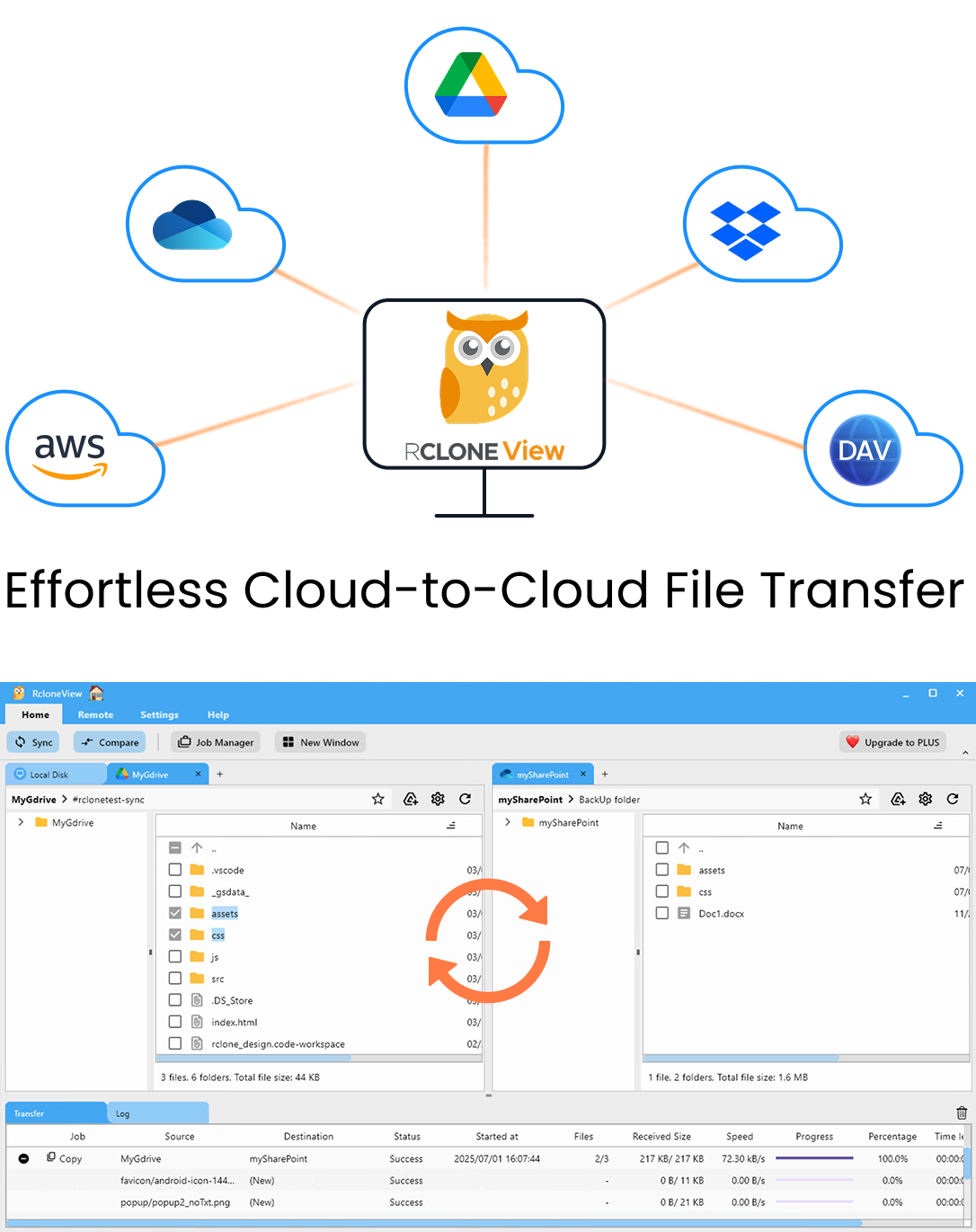
Manage & Sync All Clouds in One Place
RcloneView is a cross-platform GUI for rclone. Compare folders, transfer or sync files, and automate multi-cloud workflows with a clean, visual interface.
- One-click jobs: Copy · Sync · Compare
- Schedulers & history for reliable automation
- Works with Google Drive, OneDrive, Dropbox, S3, WebDAV, SFTP and more
Free core features. Plus automations available.
Connect Azure Files and OneDrive Side by Side
Adding Azure File Storage requires the Storage Account Name, Shared Key, and Share Name from your Azure Portal's Access Keys page — RcloneView's remote setup wizard asks for exactly these three fields. OneDrive, by contrast, uses browser-based OAuth: click New Remote, choose OneDrive, and sign in through the popup window that RcloneView opens for you. No API keys to copy or paste.
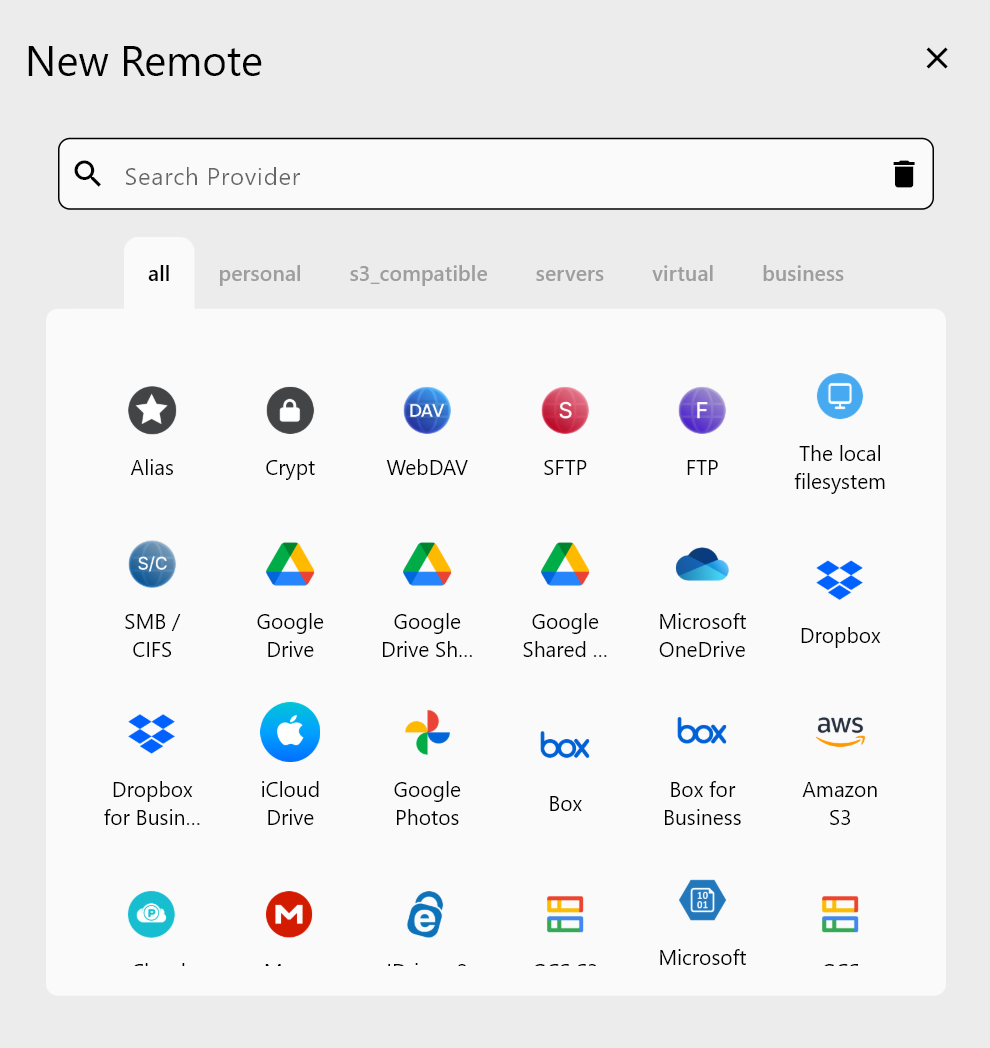
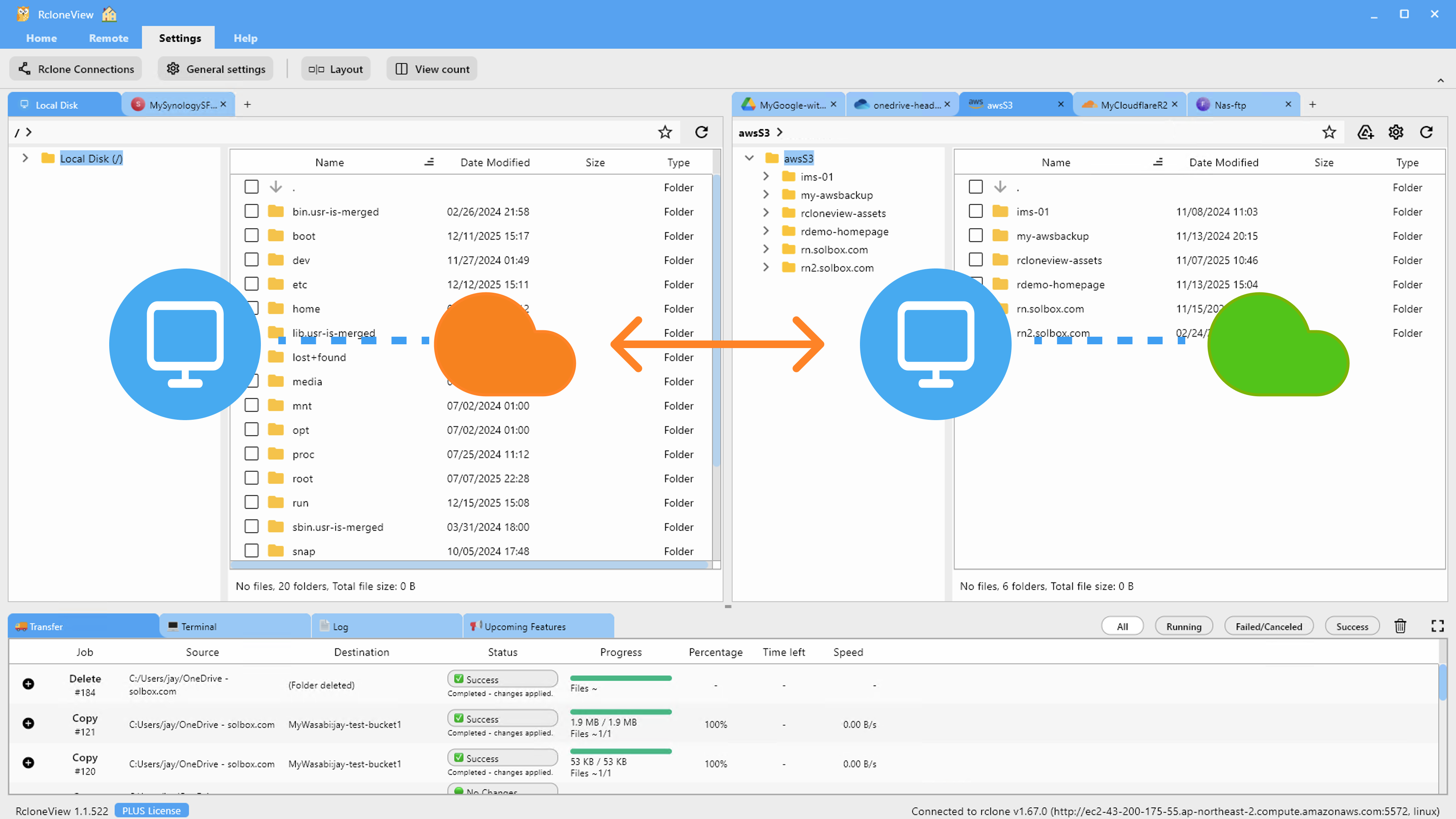
Once both remotes are configured, open each one in its own Explorer panel using the two-pane (or four-pane) layout. You'll see the Azure share's folder tree on one side and your OneDrive structure on the other, with file counts and sizes shown in the footer of each panel.
Transfer or Sync Files Between the Two Remotes
For a one-time migration, select the folders or files on the Azure Files panel and drag them onto the OneDrive panel — dragging between two different remotes performs a copy, leaving the Azure source untouched until you're ready to clean it up. For a larger share, use the Sync wizard instead: pick Azure Files as source and OneDrive as destination, then run a Dry Run first to preview exactly which files will be copied before anything actually moves.
Enabling checksum comparison in the sync's Advanced Settings step means RcloneView verifies file content by hash and size rather than just filenames, which matters when a migration has to be provably complete.
Automate the Migration and Track Progress
Large shares rarely finish in one sitting. Save the transfer as a job in Job Manager so it can be re-run to catch any files added to Azure Files after the first pass, and check the Transferring tab in the bottom Info View for live progress, speed, and file counts while it runs.
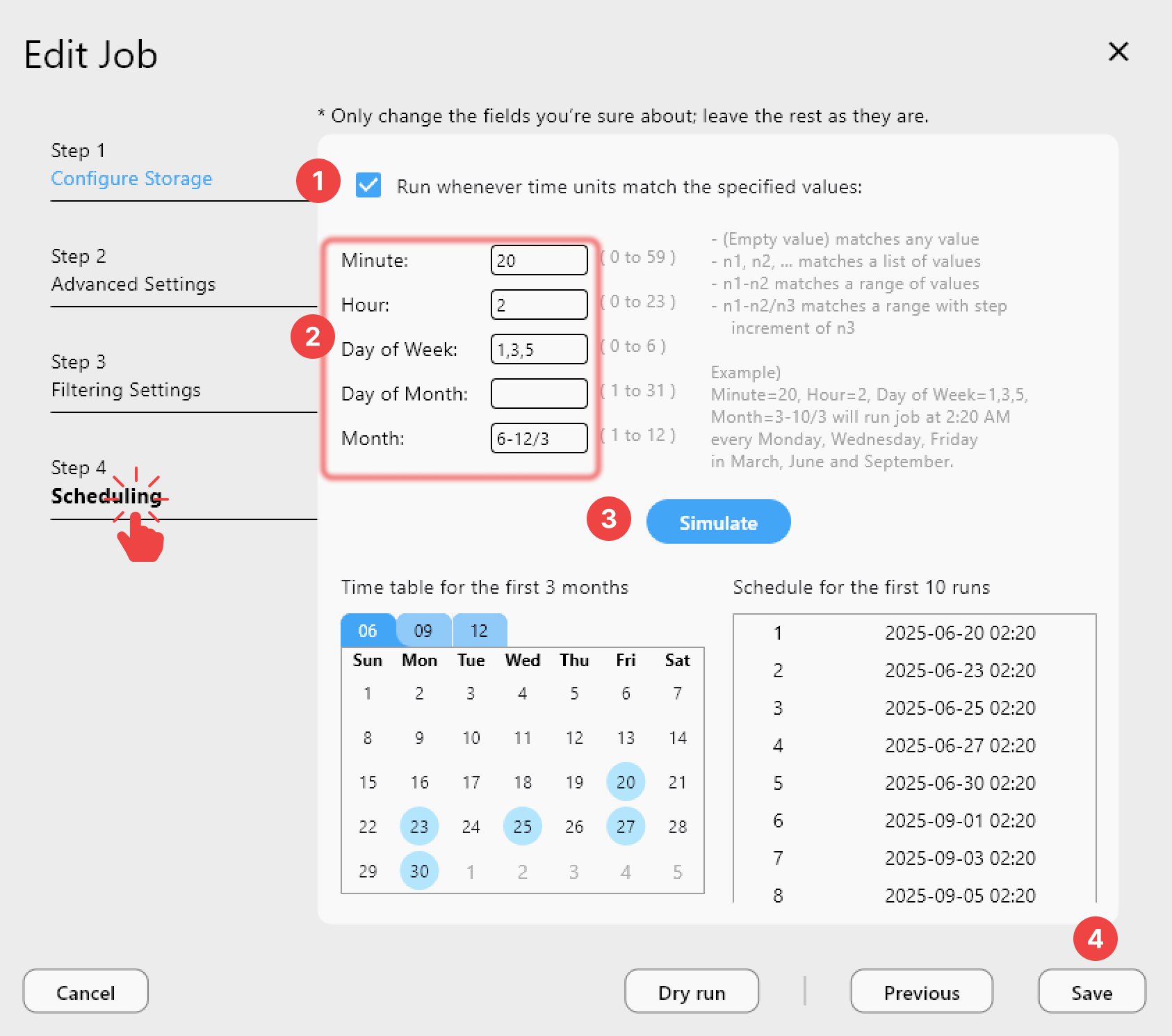
Job History logs every run — start time, duration, status, and total size transferred — so you have a record to confirm the cutover was complete before decommissioning the Azure share.
Getting Started
- Download RcloneView from rcloneview.com.
- Add your Azure File Storage remote with the Account Name, Shared Key, and Share Name.
- Add OneDrive via the browser-based sign-in flow.
- Run a Dry Run, then execute the sync job and confirm results in Job History.
A clean, verifiable migration beats a rushed manual copy every time.
Related Guides:
- Manage Azure Files Storage — Sync and Backup Files with RcloneView
- Manage OneDrive Storage — Sync and Backup Files with RcloneView
- Fix Azure Files Connection Errors with RcloneView
Supported Cloud Providers