Copy Full Path — Get Rclone-Ready Paths Instantly in RcloneView

Stop retyping remote names and folder paths by hand — copy them straight into your terminal.
Anyone who mixes the RcloneView GUI with the rclone command line knows the friction: you find a folder visually, then have to reconstruct its path manually to run a rclone copy or rclone check command. RcloneView removes that step entirely with Copy Full Path, a right-click action on the breadcrumb bar that copies the exact remote:path string rclone expects.
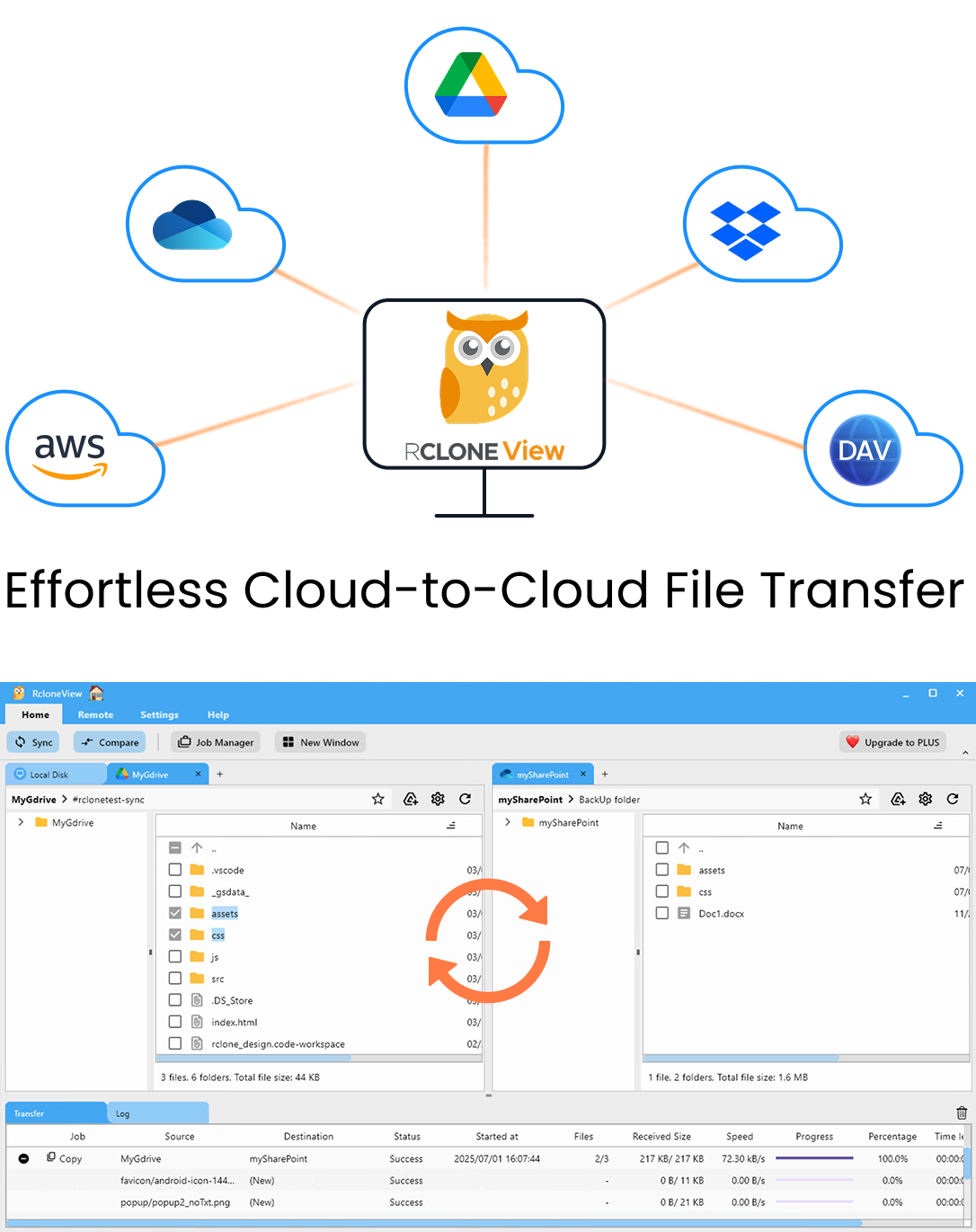
Manage & Sync All Clouds in One Place
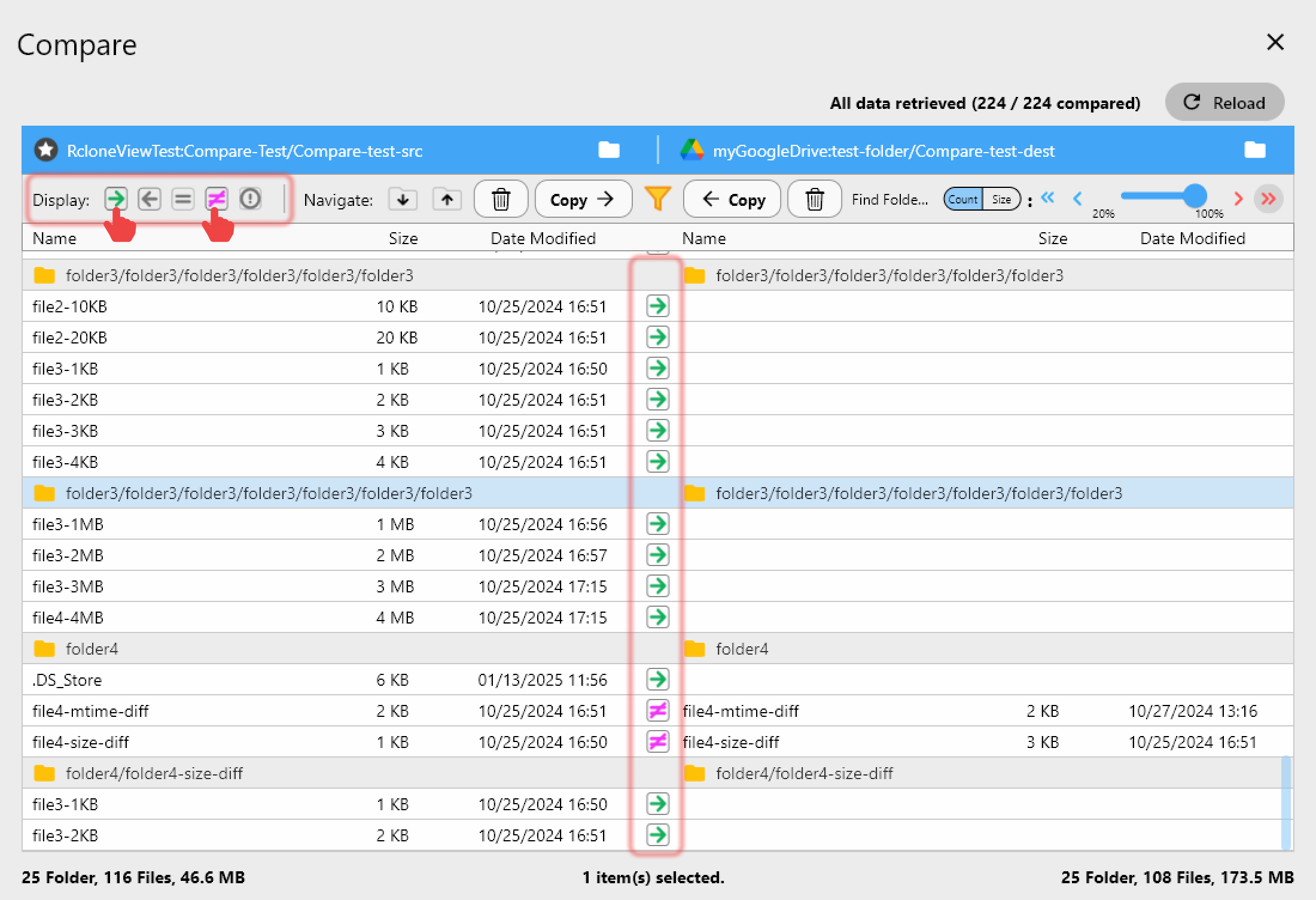
RcloneView is a cross-platform GUI for rclone. Compare folders, transfer or sync files, and automate multi-cloud workflows with a clean, visual interface.
- One-click jobs: Copy · Sync · Compare
- Schedulers & history for reliable automation
- Works with Google Drive, OneDrive, Dropbox, S3, WebDAV, SFTP and more
Free core features. Plus automations available.
How Copy Full Path Works
Every Explorer panel in RcloneView has a Breadcrumb Path Bar above the file list, showing the current folder hierarchy for whichever remote is active in that tab. Right-clicking anywhere on the breadcrumb opens a context menu with Cut, Copy, Paste, Select All, and — critically — Copy Full Path (with Remote).
Selecting it copies a string like mygoogledrive:Meet recordings to your clipboard, formatted exactly as rclone's CLI expects it. There's no manual translation between what you see in the GUI and what rclone needs on the command line — the remote name, colon, and folder path all come across correctly, including nested subfolders.
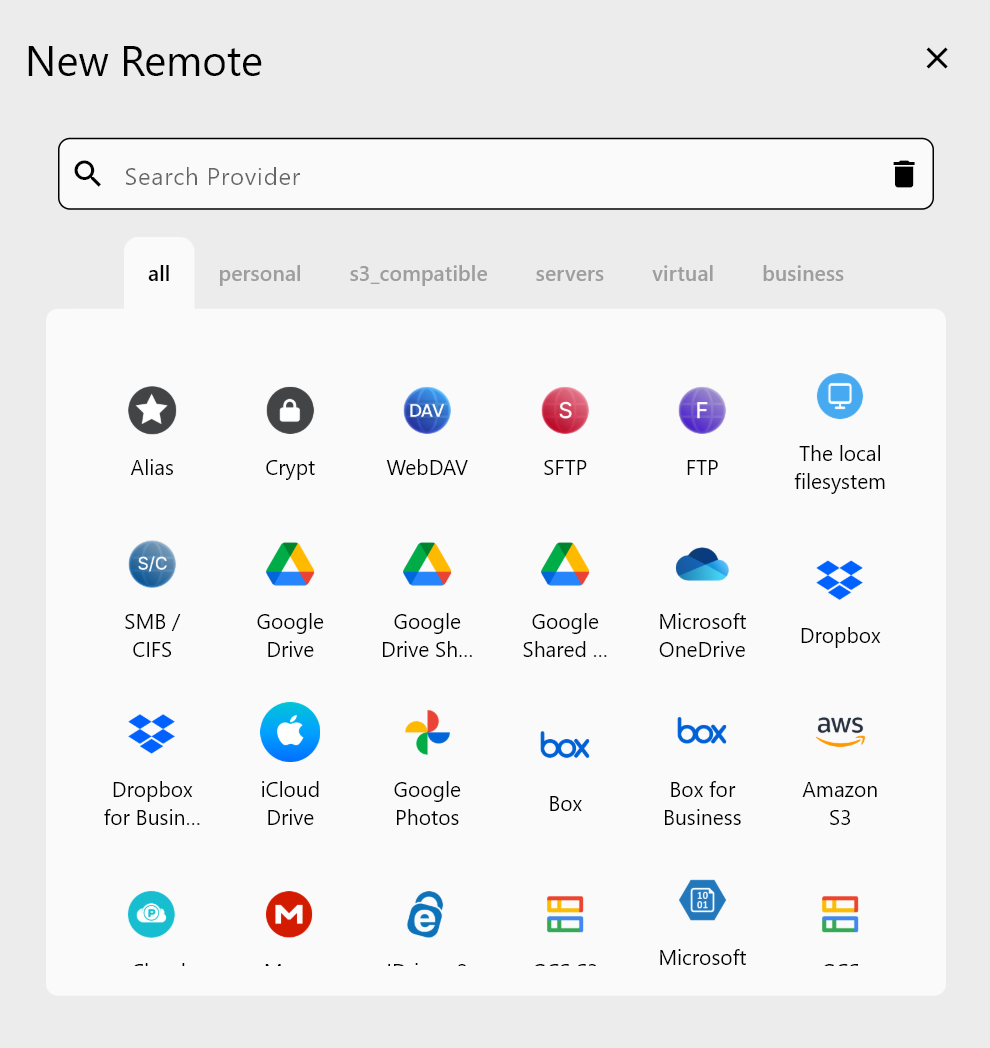
This matters most once you have more than a handful of remotes configured. Remote names, especially ones set up for S3-compatible endpoints or SFTP servers, aren't always memorable, and folder structures on cloud drives can run many levels deep. Copy Full Path removes the guesswork.
Where It Fits Into a CLI Workflow
Once you've copied a path, paste it directly into RcloneView's built-in Rclone Terminal — the Terminal tab in the bottom Info View — to run ad hoc commands like rclone size or rclone lsf against that exact location. Unlike mount-only tools, RcloneView also syncs and compares folders on the same FREE license, so the terminal, sync jobs, and file browser all reference the same remotes without re-entering credentials.
The same copied path also works outside RcloneView, in any standalone rclone install pointed at the same rclone.conf file — useful when scripting scheduled jobs or debugging a sync from a remote server.
A Practical Example
Say a video production team stores raw footage across Google Drive and an S3-compatible archive bucket. Instead of typing out s3archive:projects/2026/client-x/raw by hand — and risking a typo that silently targets the wrong folder — an editor navigates to it visually, right-clicks the breadcrumb, and copies the exact path for a verification command before kicking off a large transfer.
Getting Started
- Download RcloneView from rcloneview.com.
- Connect the remotes you work with most often via Remote Manager.
- Navigate to any folder and right-click its breadcrumb path bar.
- Select Copy Full Path (with Remote) and paste it into the Rclone Terminal or any command line.
Small conveniences like this add up when you're moving between the visual explorer and raw rclone commands every day.
Related Guides:
- RcloneView Terminal — Rclone CLI Inside the GUI
- Custom Rclone Flags — Advanced Options in RcloneView
- Drag and Drop Cloud Transfer Guide with RcloneView
Supported Cloud Providers