Fix Hetzner Storage Box Connection Errors — Troubleshoot with RcloneView

Connection failures to Hetzner's S3-compatible object storage almost always trace back to a wrong endpoint, region, or credential pair — RcloneView's connection test surfaces exactly which one before you waste time on a full sync.
Hetzner's object storage is accessed through rclone's S3-compatible protocol, which means the remote needs an Access Key, Secret Key, and endpoint entered correctly — unlike OAuth-based providers where a browser login handles authentication automatically. RcloneView mounts AND syncs 90+ providers from one window, on Windows, macOS, and Linux, but S3-compatible remotes like Hetzner require a bit more care during setup than one-click OAuth remotes. Here's how to diagnose the most common connection failures.
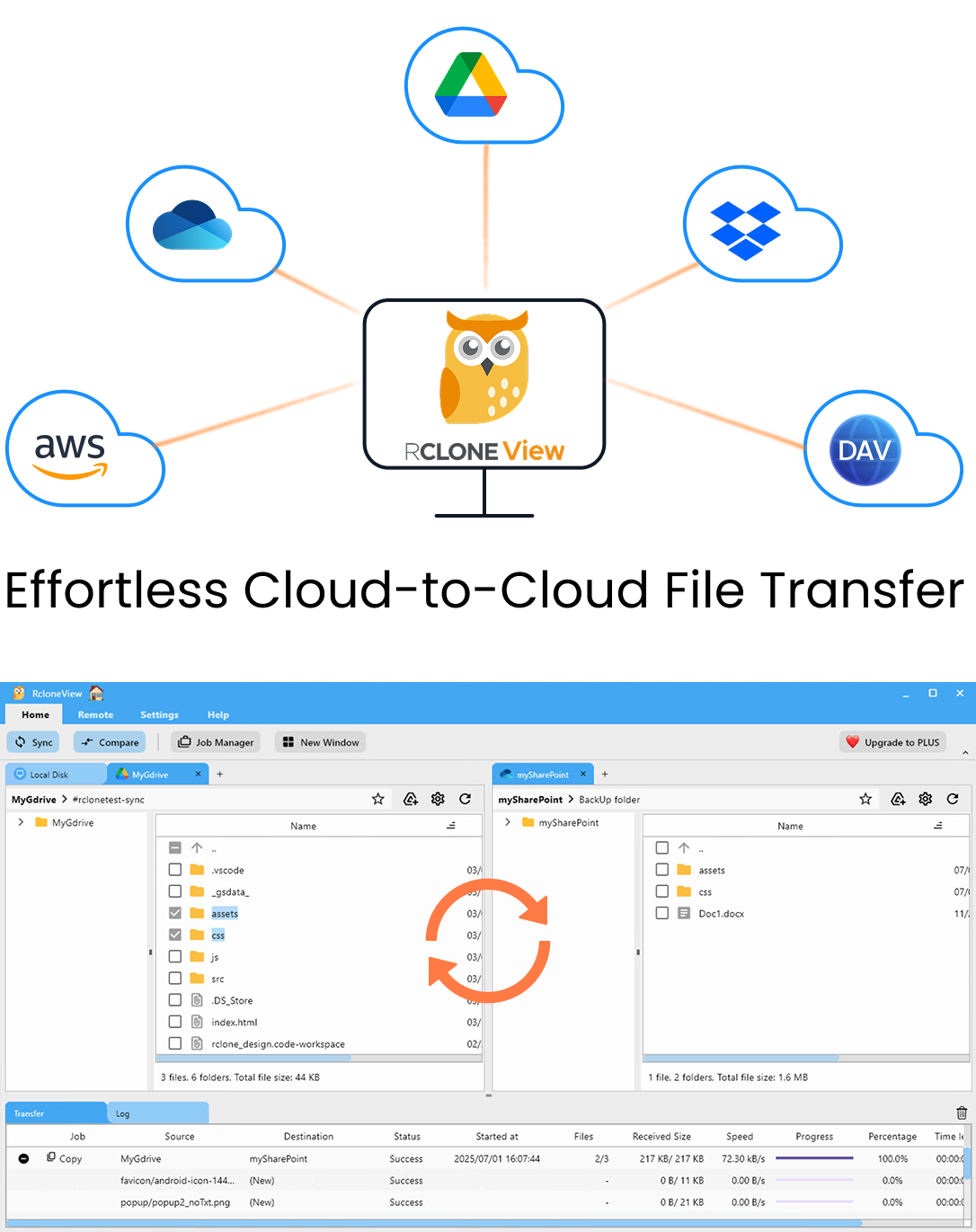
Manage & Sync All Clouds in One Place
RcloneView is a cross-platform GUI for rclone. Compare folders, transfer or sync files, and automate multi-cloud workflows with a clean, visual interface.
- One-click jobs: Copy · Sync · Compare
- Schedulers & history for reliable automation
- Works with Google Drive, OneDrive, Dropbox, S3, WebDAV, SFTP and more
Free core features. Plus automations available.
Verifying the Endpoint and Region Match
The single most common cause of a Hetzner connection error is an endpoint that doesn't match the region where the storage box was created. Hetzner's object storage endpoints are region-specific, and pasting the wrong one — or a leftover endpoint copied from a different S3-compatible provider — produces a connection failure that looks identical to a bad credential.
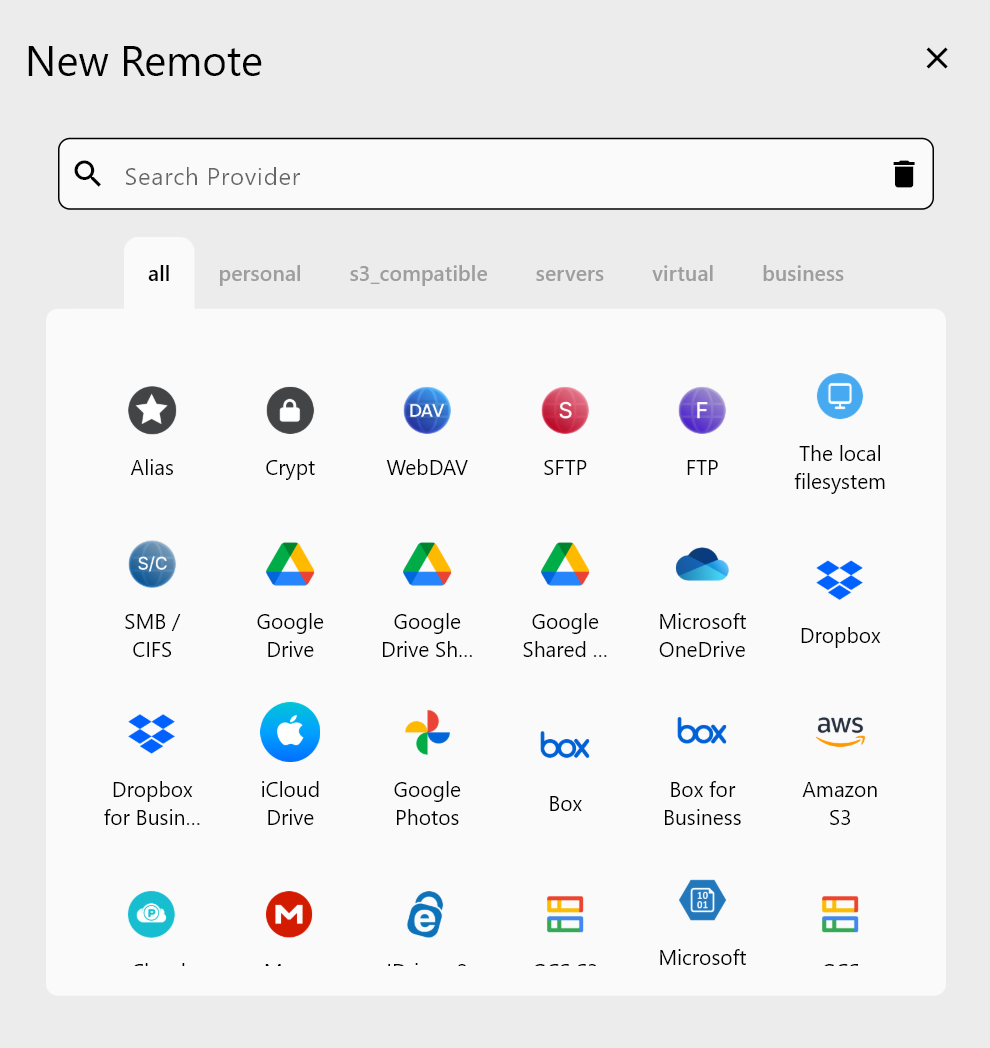
Open Remote Manager, select the Hetzner remote, and check the endpoint field against the exact value shown in the Hetzner Cloud Console for that specific storage box. Region mismatches are easy to miss because the remote will often still load the config screen without error — the failure only appears once RcloneView tries to actually list files.
Testing the Connection Before a Full Sync
Rather than discovering a credential problem mid-transfer, use RcloneView's connection test when adding or editing the remote. A failed test with an authentication error points to the Access Key ID or Secret Access Key rather than the endpoint — double-check for trailing whitespace or a key that was regenerated in the Hetzner console after the remote was first configured in RcloneView.
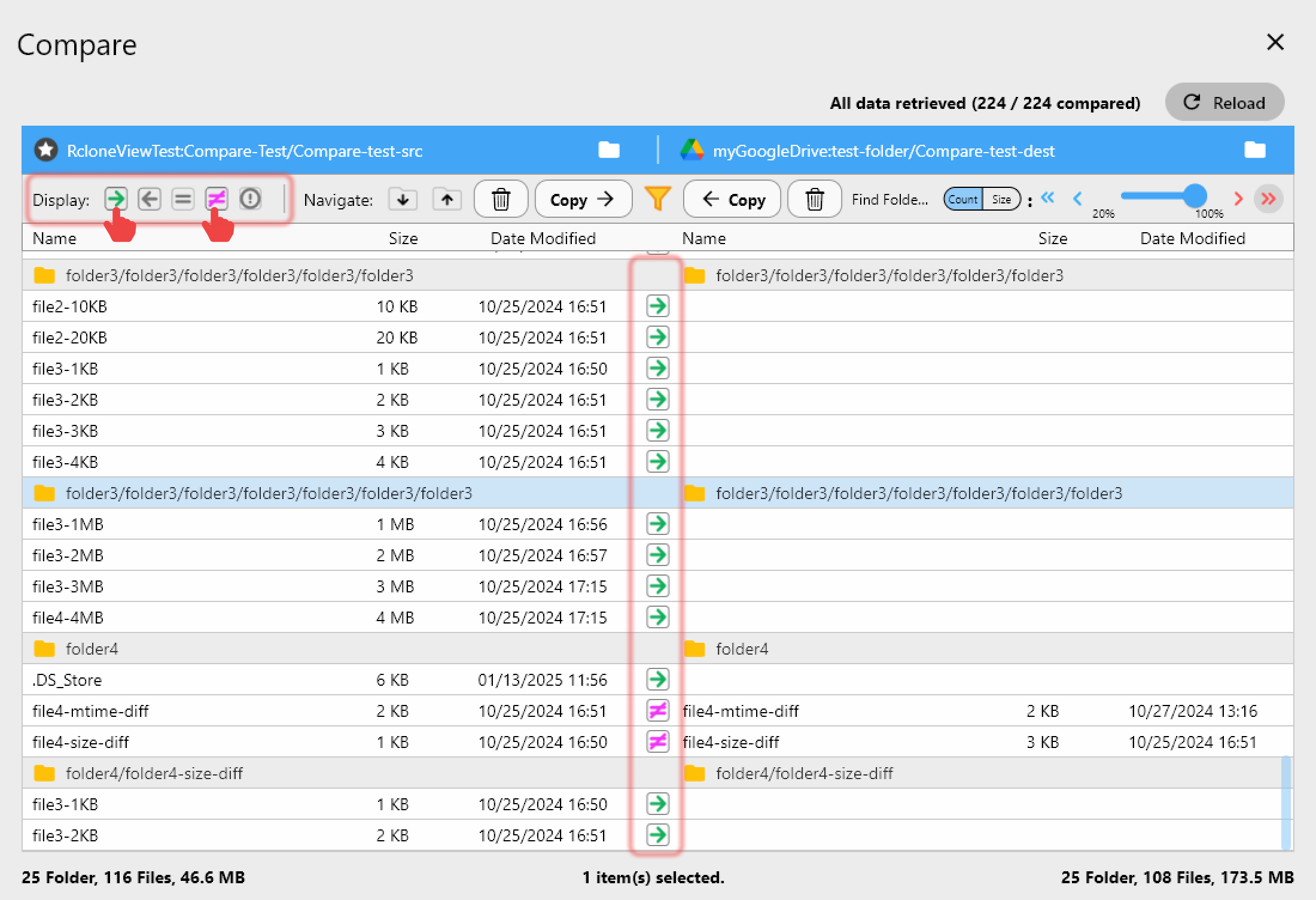
If the test succeeds but a sync job still fails partway through, check the Log tab in the bottom Info View — Hetzner occasionally returns rate-limit responses during large batch uploads, and the detailed log will show the specific HTTP status rather than a generic timeout.
Confirming Firewall and Network Access
Corporate firewalls and some VPN configurations block outbound traffic to less common S3 endpoints while allowing traffic to major providers like Amazon S3. If the connection test hangs rather than failing quickly, confirm the machine can reach the Hetzner endpoint directly — a network-level block will look identical to a misconfigured remote from inside RcloneView.
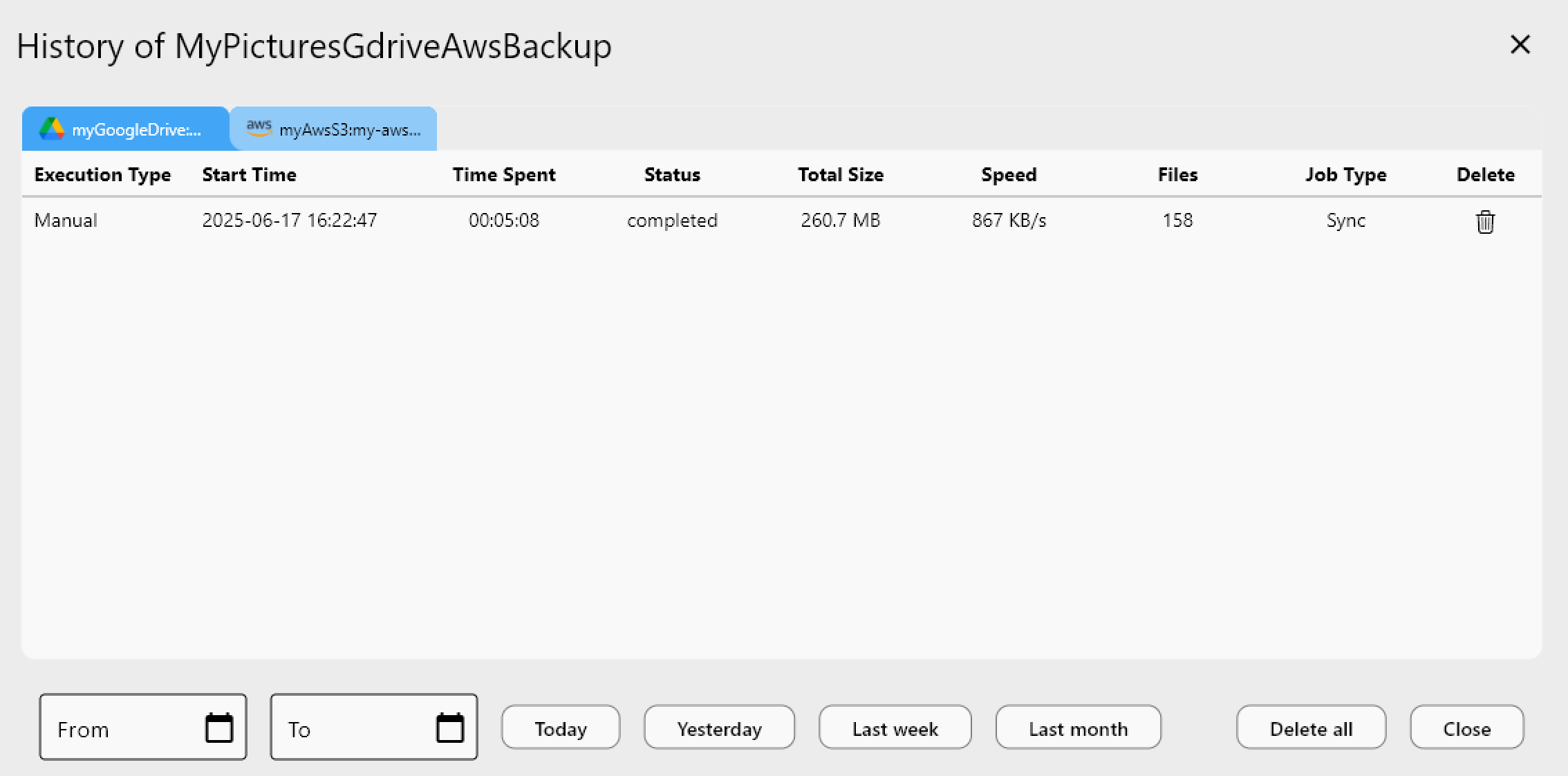
Once a job runs successfully, Job History keeps a record of transfer speed and file counts, which is useful for confirming the fix held across a full sync rather than just the initial connection test.
Getting Started
- Download RcloneView from rcloneview.com.
- Open Remote Manager and re-check the Hetzner endpoint against the region shown in the Hetzner Cloud Console.
- Re-enter the Access Key and Secret Key if the connection test fails with an authentication error.
- Run a Dry Run sync before the real transfer to catch any remaining issues without moving data.
A correctly configured endpoint and credential pair resolves the vast majority of Hetzner connection issues, letting sync and backup jobs run reliably going forward.
Related Guides:
- Manage Hetzner Storage Box — Sync and Backup Files with RcloneView
- Fix MinIO Connection and Authentication Errors with RcloneView
- Fix Linode Object Storage Connection Errors with RcloneView
Supported Cloud Providers