Fix Linode Object Storage Connection Errors — Resolve with RcloneView
Connection failures to Linode Object Storage are almost always a mismatched endpoint or region, not a broken account — here's how to diagnose and fix them in RcloneView.
Linode Object Storage is accessed through rclone's S3-compatible protocol, which means the remote needs an exact Access Key, Secret Key, and regional endpoint to authenticate correctly. A single typo in the endpoint URL, or a bucket created in a different cluster than the one configured, produces connection errors that look like generic network failures rather than what they actually are: a mismatch. RcloneView surfaces these errors in the Log tab, making it far easier to pinpoint the cause than reading raw rclone CLI output.
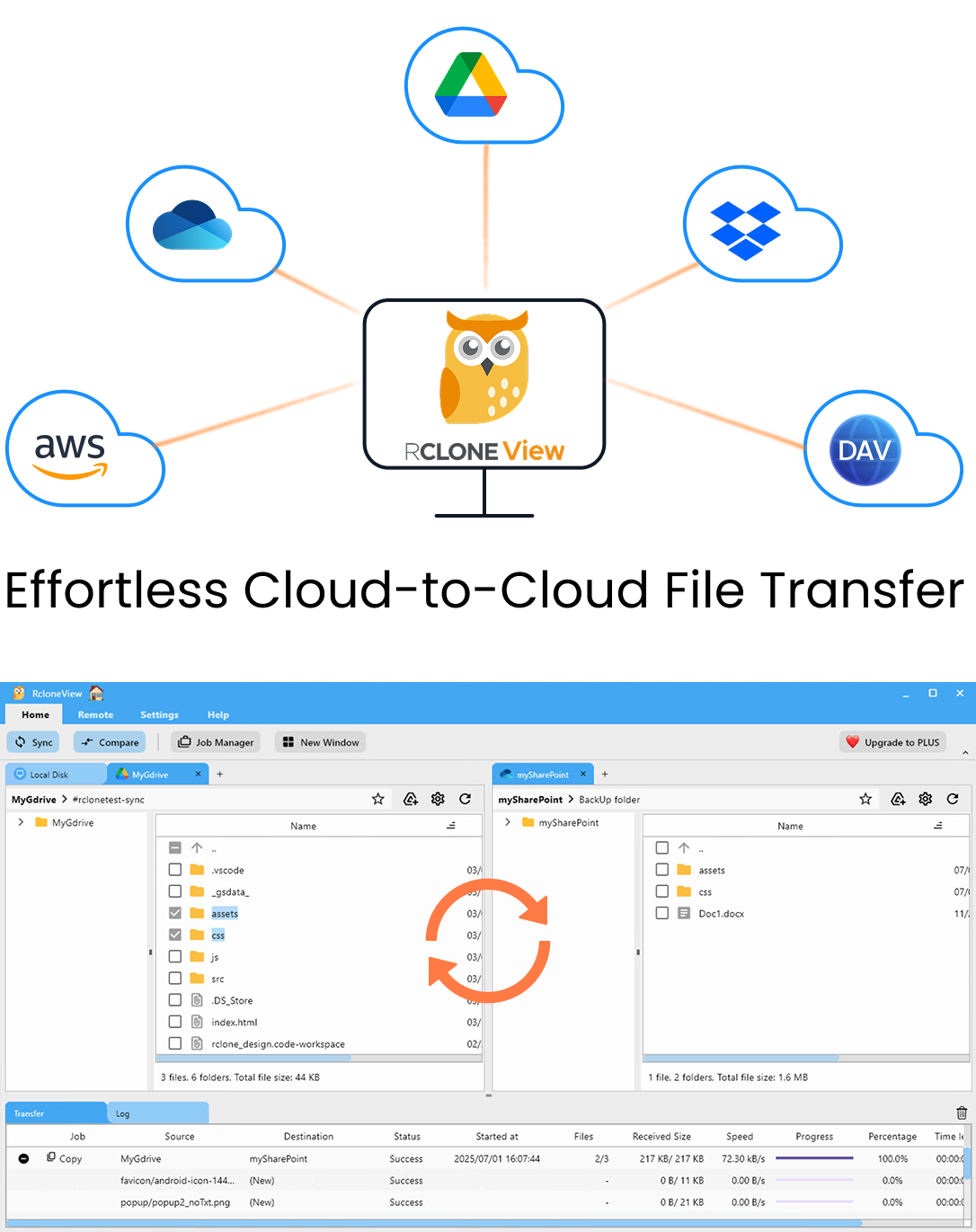
Manage & Sync All Clouds in One Place
RcloneView is a cross-platform GUI for rclone. Compare folders, transfer or sync files, and automate multi-cloud workflows with a clean, visual interface.
- One-click jobs: Copy · Sync · Compare
- Schedulers & history for reliable automation
- Works with Google Drive, OneDrive, Dropbox, S3, WebDAV, SFTP and more
Free core features. Plus automations available.
Common Causes of Linode Object Storage Connection Errors
The most frequent cause is an endpoint that doesn't match the bucket's cluster region — for example, configuring us-east-1.linodeobjects.com while the bucket actually lives in eu-central-1. Since Linode Object Storage buckets are region-locked, RcloneView will report authentication or "bucket not found" errors even when the Access Key and Secret Key are valid. Double-check the exact region shown in the Linode Cloud Manager against the endpoint entered in the remote's connection settings.
Expired or regenerated Access Keys are the second common trigger. If a key was rotated in the Linode dashboard but not updated in RcloneView, requests will fail with an authentication error rather than a clear "key expired" message.
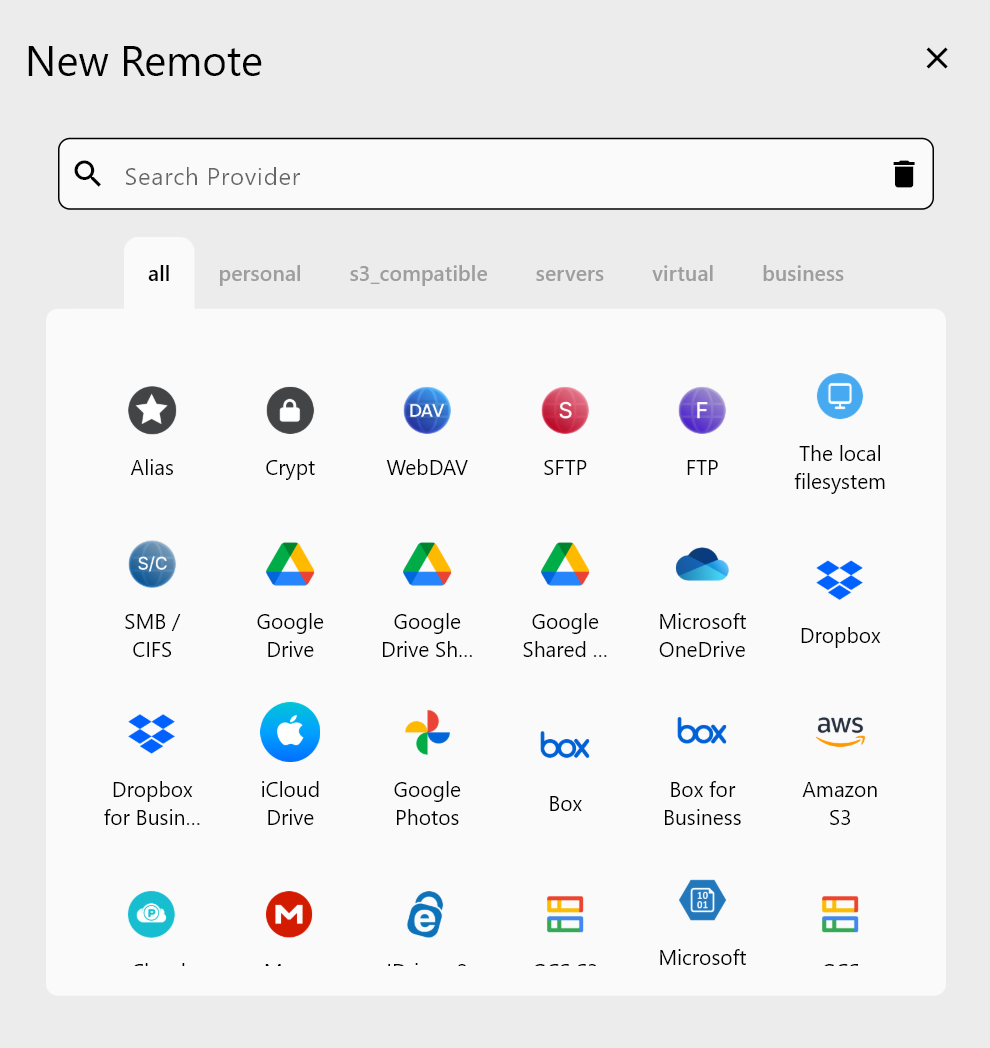
Rebuilding the Remote Connection
Open Remote Manager, select the affected Linode remote, and verify each field individually: Access Key ID, Secret Access Key, and Endpoint. Re-enter the endpoint exactly as shown in the Linode dashboard, including the cluster prefix. RcloneView mounts AND syncs 90+ providers from one window, on Windows, macOS, and Linux, so once the endpoint is corrected, both file browsing and any scheduled sync jobs pointing to that remote resume without needing to rebuild your job configuration.
After updating credentials, use the Rclone Terminal tab and run rclone about "remote:" to confirm the connection reports available storage before trusting it for a live sync.
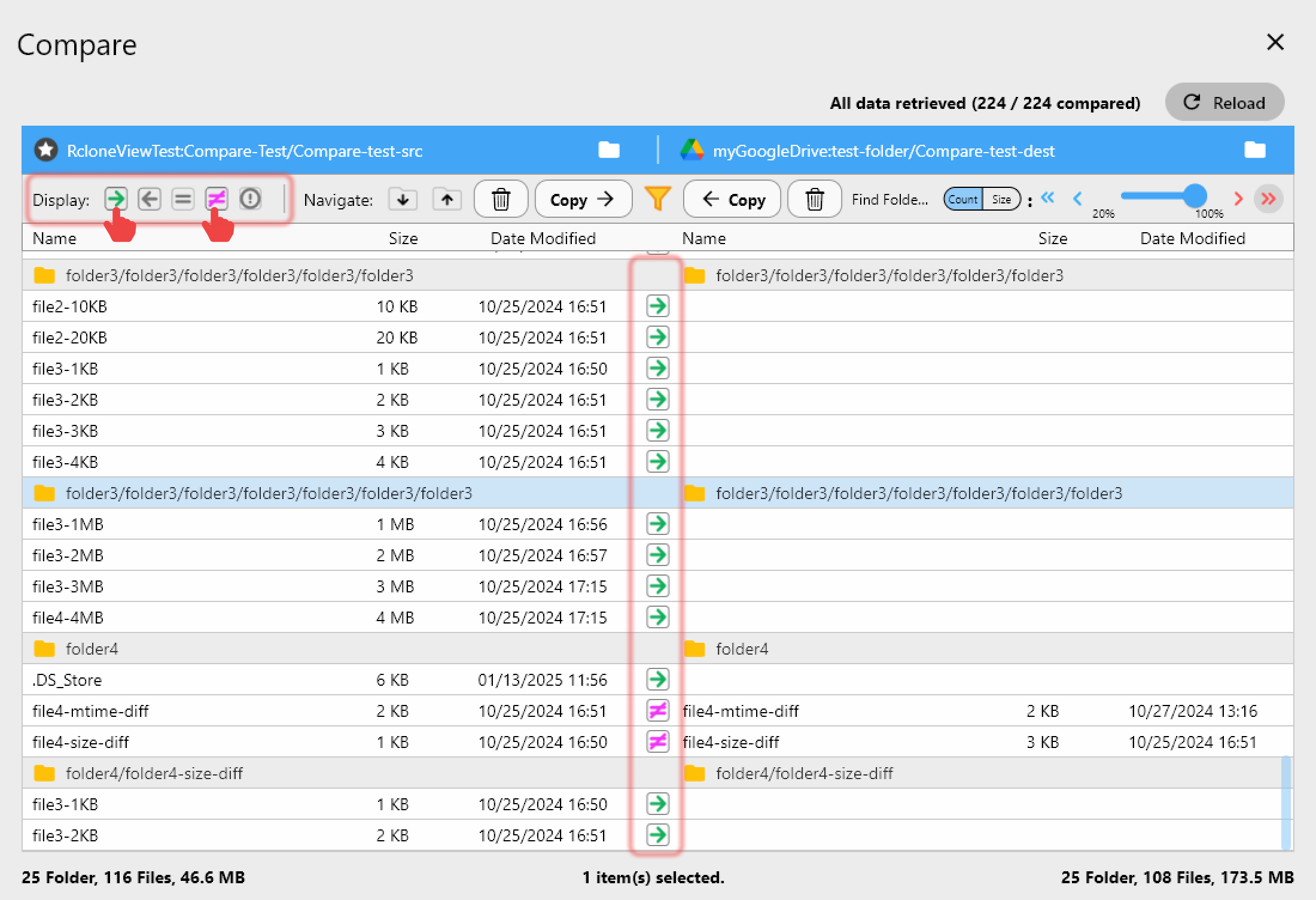
Preventing Repeat Failures
Run a Dry Run before any scheduled sync against the corrected remote — it lists exactly which files would transfer without moving data, catching lingering endpoint issues before they affect production backups. If errors persist, enable rclone Logging at DEBUG level in Settings to capture the full request/response cycle for deeper diagnosis.
Getting Started
- Download RcloneView from rcloneview.com.
- Open Remote Manager and locate your Linode Object Storage remote.
- Verify the Access Key, Secret Key, and regional Endpoint match the Linode dashboard exactly.
- Run a Dry Run before resuming any scheduled sync jobs against the remote.
A correctly configured endpoint means Linode Object Storage behaves as reliably as any other S3-compatible remote in your workflow.
Related Guides:
- Manage Linode Object Storage — Sync and Backup Files with RcloneView
- Fix S3 Access Denied Permission Errors — How to Resolve with RcloneView
- Sync Linode Object Storage, S3, and Google Drive with RcloneView
Supported Cloud Providers