Migrate Backblaze B2 to DigitalOcean Spaces — Transfer Files with RcloneView

Moving object storage between two S3-compatible providers doesn't require scripting rclone commands by hand — RcloneView handles the transfer, verification, and filtering through its GUI.
Teams switching from Backblaze B2 to DigitalOcean Spaces usually do so to consolidate infrastructure onto a single provider alongside existing Droplets or App Platform services. Since both are S3-compatible remotes, RcloneView can connect to each with an Access Key, Secret Key, and endpoint, then transfer data directly between them without routing files through a local disk first. For buckets holding hundreds of gigabytes of application backups or media assets, that direct cloud-to-cloud path saves significant time compared to a download-then-upload workflow.
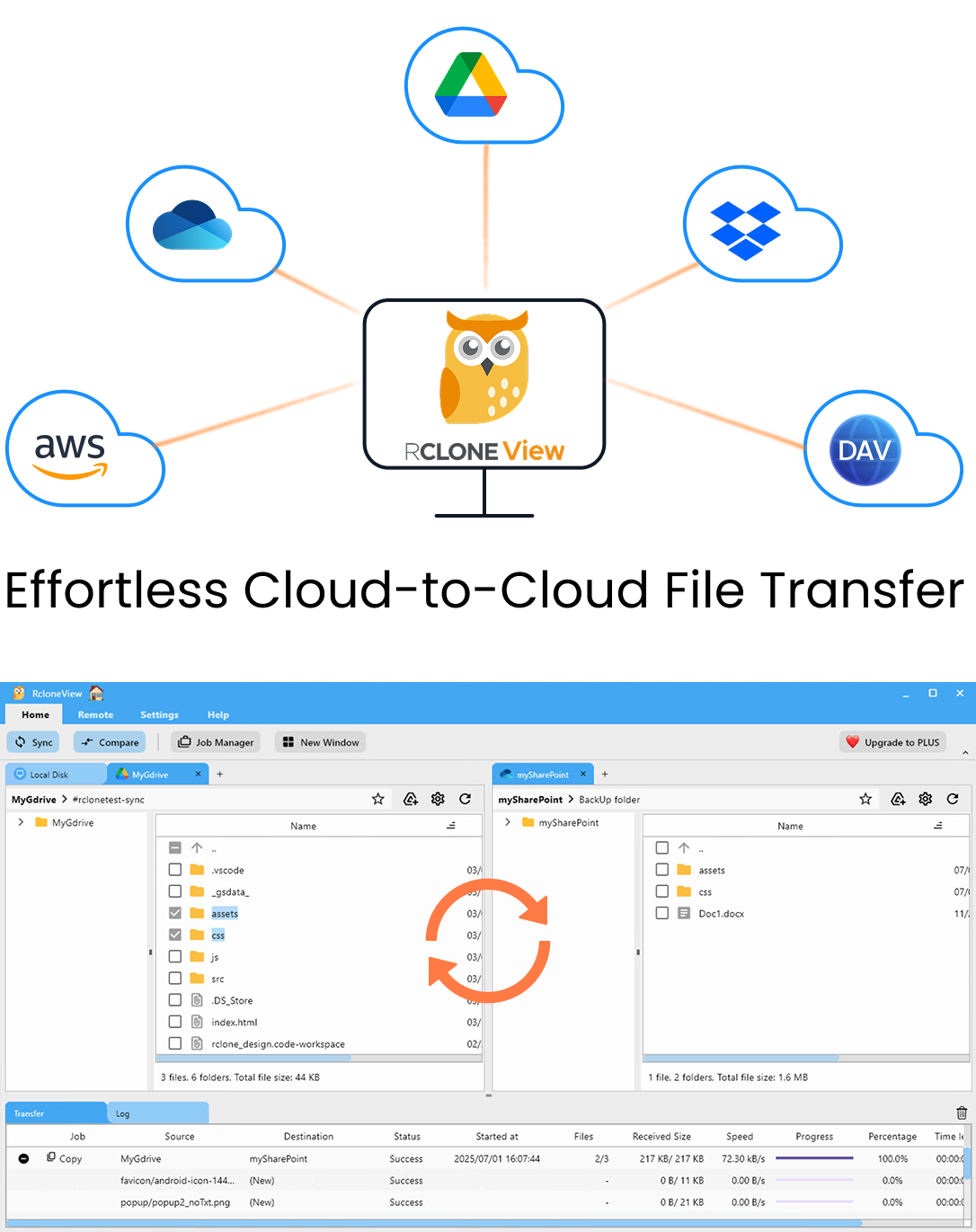
Manage & Sync All Clouds in One Place
RcloneView is a cross-platform GUI for rclone. Compare folders, transfer or sync files, and automate multi-cloud workflows with a clean, visual interface.
- One-click jobs: Copy · Sync · Compare
- Schedulers & history for reliable automation
- Works with Google Drive, OneDrive, Dropbox, S3, WebDAV, SFTP and more
Free core features. Plus automations available.
Setting Up Both Remotes
Add your Backblaze B2 remote using the Application Key ID and Application Key from the B2 dashboard, then add a separate remote for DigitalOcean Spaces with its own Access Key, Secret Key, and regional endpoint (for example nyc3.digitaloceanspaces.com). Both appear as tabs in RcloneView's Explorer panels, so you can browse the source bucket and destination Space side by side before starting any transfer.
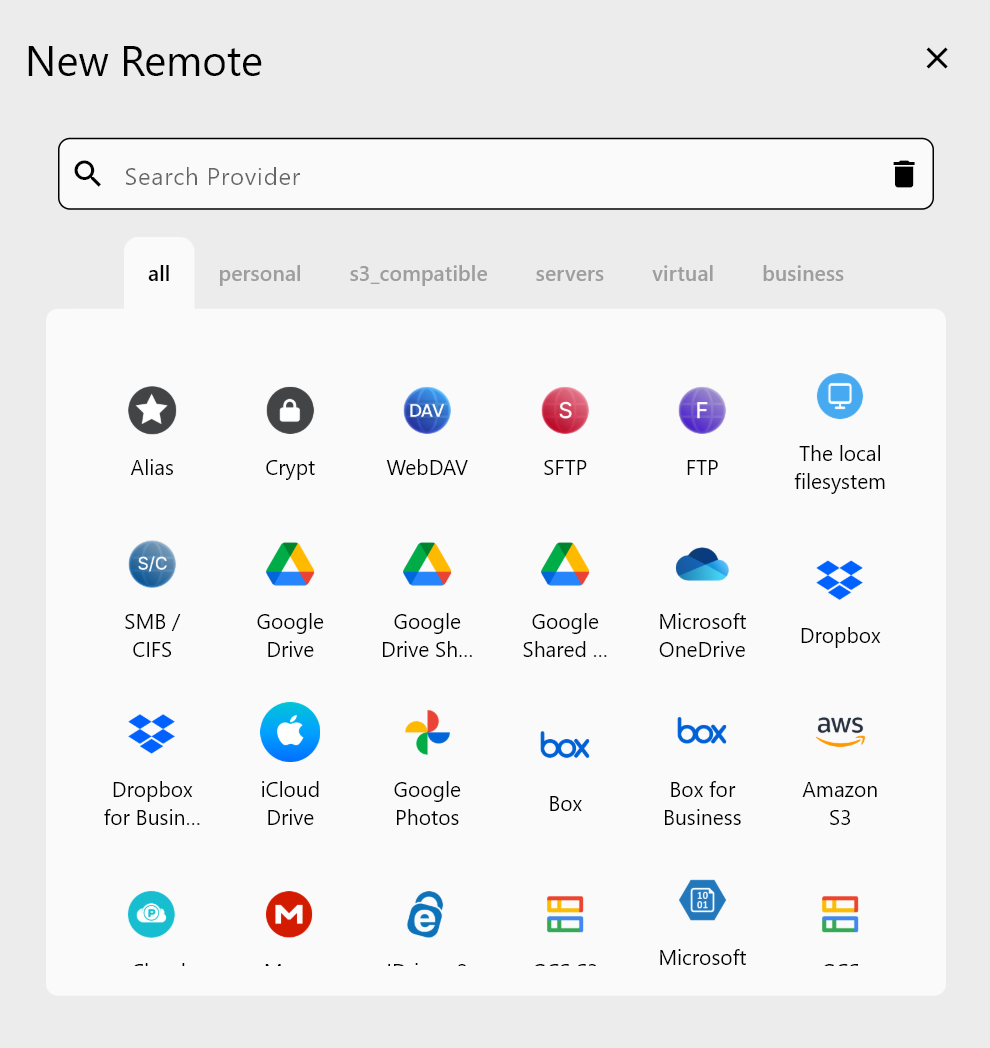
Use a split-panel layout to view both buckets at once, confirming folder structure and naming conventions match what your application expects before committing to a full migration.
Running a Checksum-Verified Transfer
Configure the migration as a Copy or Sync job with checksum comparison enabled in Step 2 of the wizard — this compares files by hash and size rather than just timestamps, which matters when moving between two different storage backends that may report modification times differently. Set the number of file transfers and multi-thread transfers based on your bandwidth; four concurrent transfers is a reasonable starting point for large buckets.
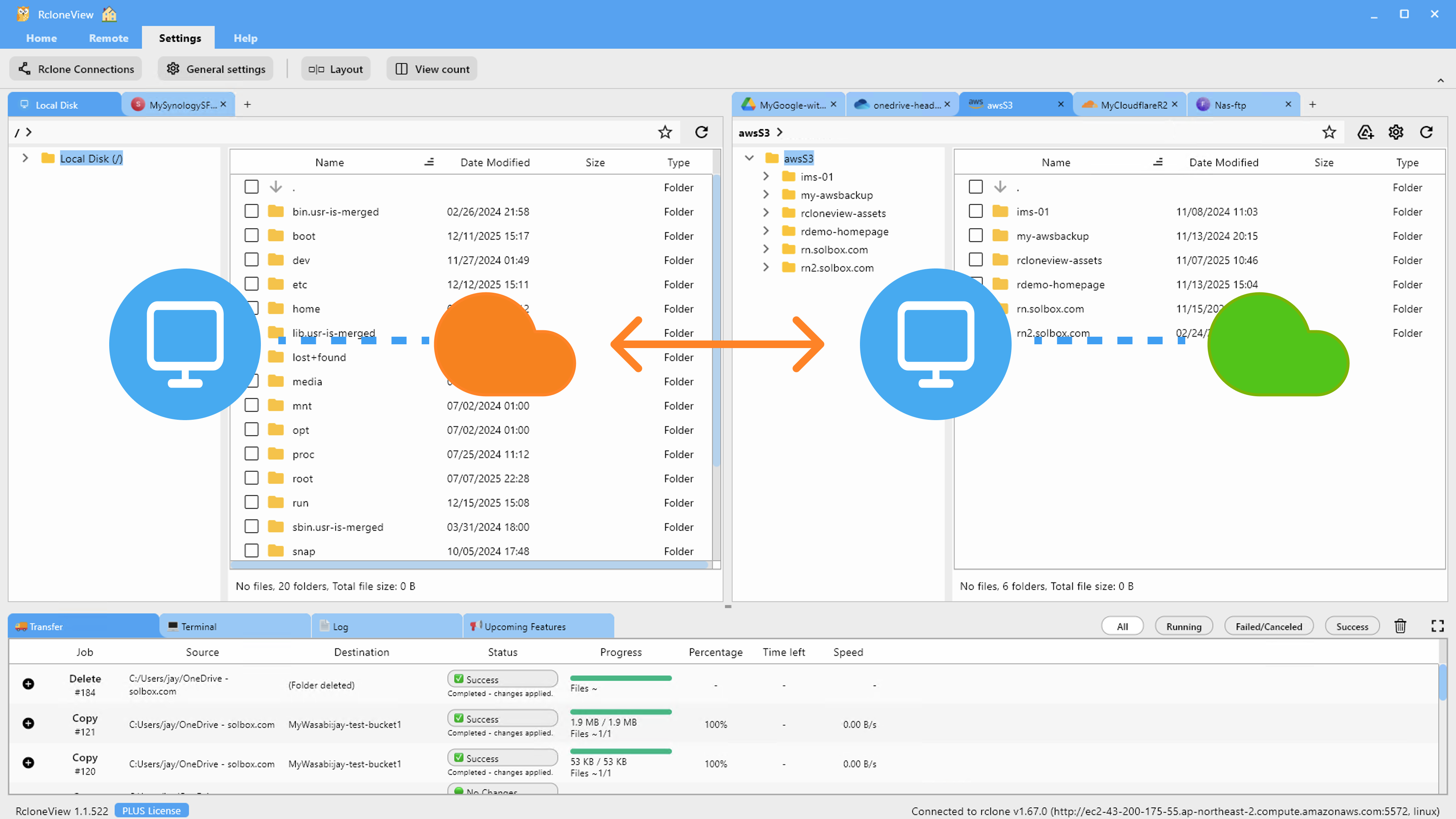
Before running the full migration, use Dry Run to preview exactly which files will copy — this catches naming conflicts or unexpected file counts before any data moves. Connect S3, Azure, or Backblaze B2 with full read/write on the FREE license, so there's no tier restriction blocking this migration path.
Scheduling the Cutover
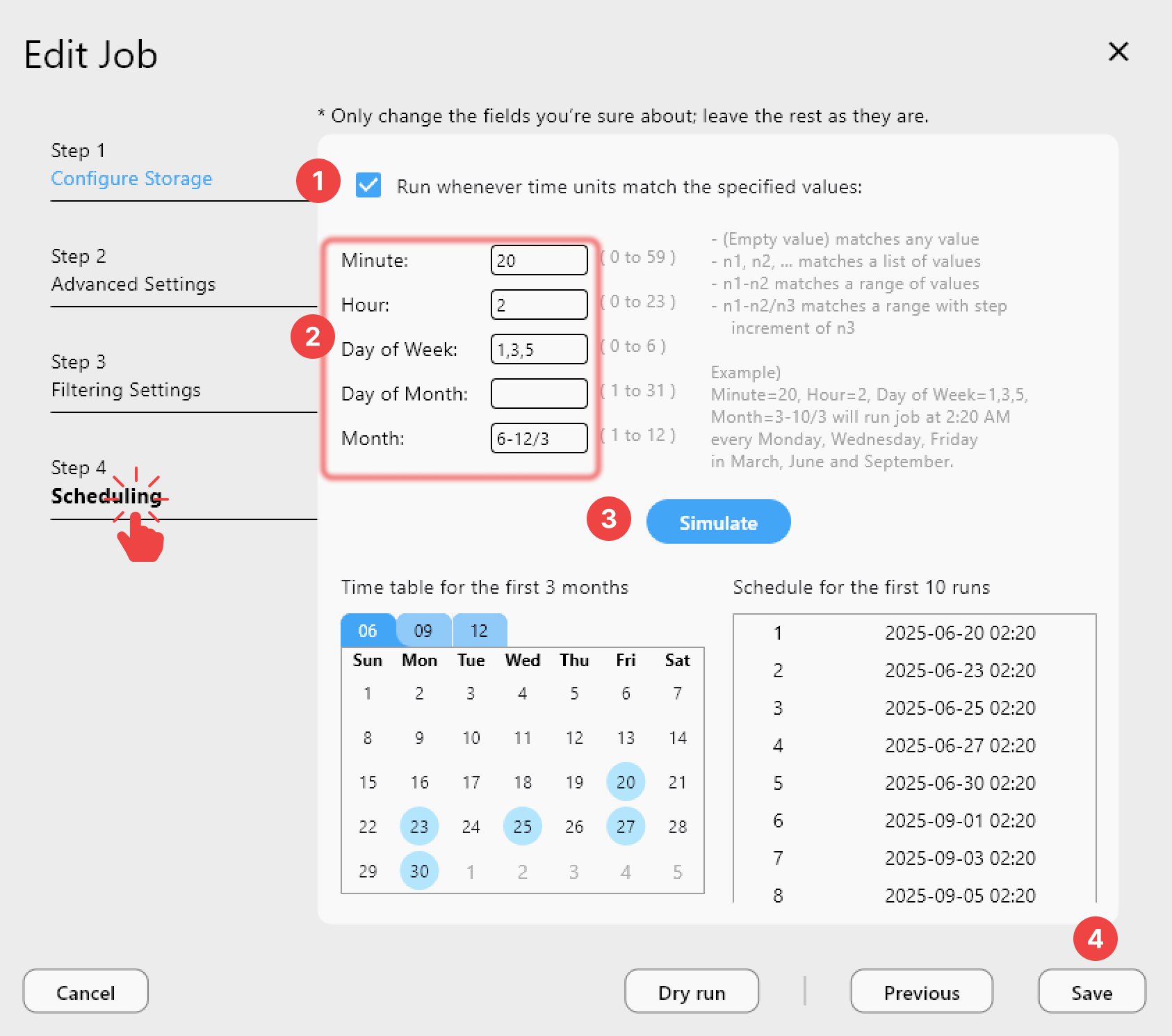
For a phased migration, run an initial full sync followed by scheduled incremental syncs (PLUS license) that catch any files added to Backblaze B2 before the final cutover. This keeps both buckets in sync during the transition window instead of requiring a single large, risky transfer.
Getting Started
- Download RcloneView from rcloneview.com.
- Add remotes for both your Backblaze B2 bucket and DigitalOcean Spaces destination.
- Run a Dry Run to preview the transfer before copying any files.
- Execute the Copy or Sync job with checksum verification enabled, then confirm file counts match on both sides.
A verified, direct cloud-to-cloud migration means your data lands in DigitalOcean Spaces intact, with nothing routed through a local machine along the way.
Related Guides:
- Manage Backblaze B2 Storage — Sync and Backup Files with RcloneView
- Migrate Backblaze B2 to AWS S3 — Transfer Files with RcloneView
- Migrate Google Drive to DigitalOcean Spaces with RcloneView
Supported Cloud Providers