How to Back Up Dropbox to AWS S3 — Automated Cloud-to-Cloud Backup with RcloneView
Dropbox is great for collaboration. But what happens if files are accidentally deleted, ransomware encrypts your shared folders, or Dropbox itself has an outage? A cloud-to-cloud backup to AWS S3 protects you from all of these.
Relying on a single cloud provider for important files is risky. Dropbox's version history helps with accidental changes, but it doesn't protect against account compromise, permanent deletions past the retention window, or service outages. Backing up to AWS S3 gives you an independent, durable copy of everything.
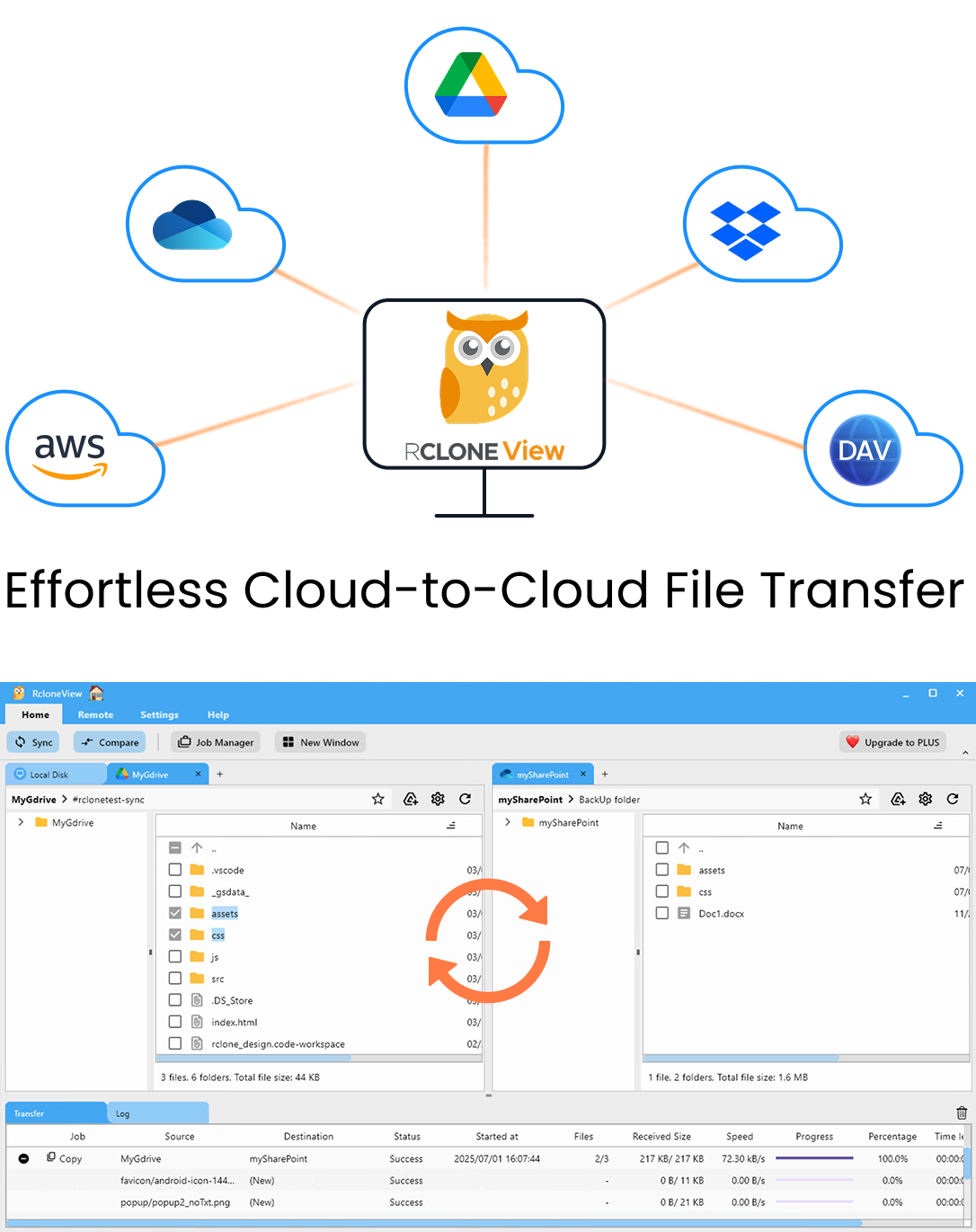
Manage & Sync All Clouds in One Place
RcloneView is a cross-platform GUI for rclone. Compare folders, transfer or sync files, and automate multi-cloud workflows with a clean, visual interface.
- One-click jobs: Copy · Sync · Compare
- Schedulers & history for reliable automation
- Works with Google Drive, OneDrive, Dropbox, S3, WebDAV, SFTP and more
Free core features. Plus automations available.
Why Back Up Dropbox to S3?
- Independent copy — If Dropbox goes down or your account is compromised, S3 still has your files.
- 99.999999999% durability — S3's eleven nines of durability means your data is extremely safe.
- Cost-effective archiving — S3 Glacier starts at $4/TB/month for files you rarely access.
- Compliance — Some industries require backups on separate infrastructure.
- Ransomware protection — S3 versioning and object lock prevent overwrites.
Setup
1) Connect Dropbox and AWS S3
Add both as remotes in RcloneView:
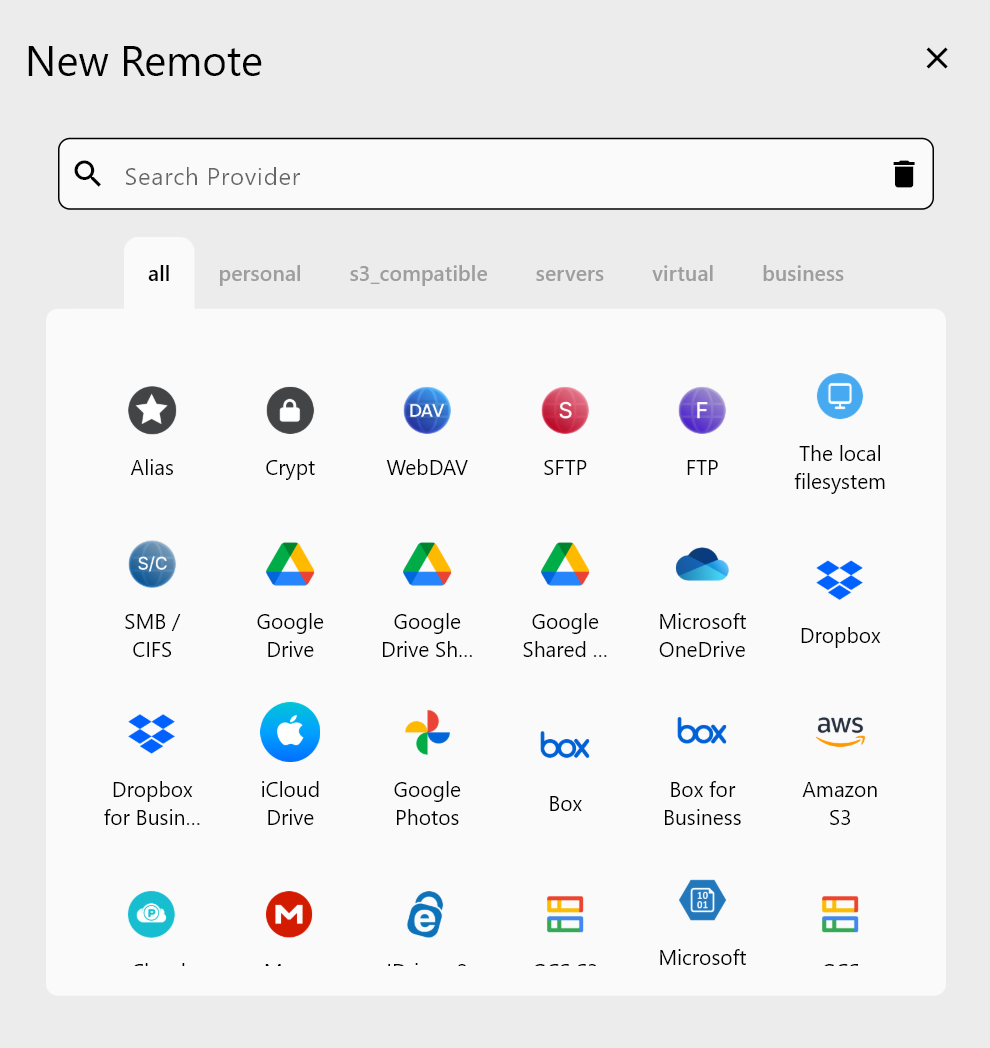
For S3, you'll need your Access Key ID, Secret Access Key, and preferred region.
2) Browse Both Sides
Open Dropbox on the left and S3 on the right in the two-pane explorer:
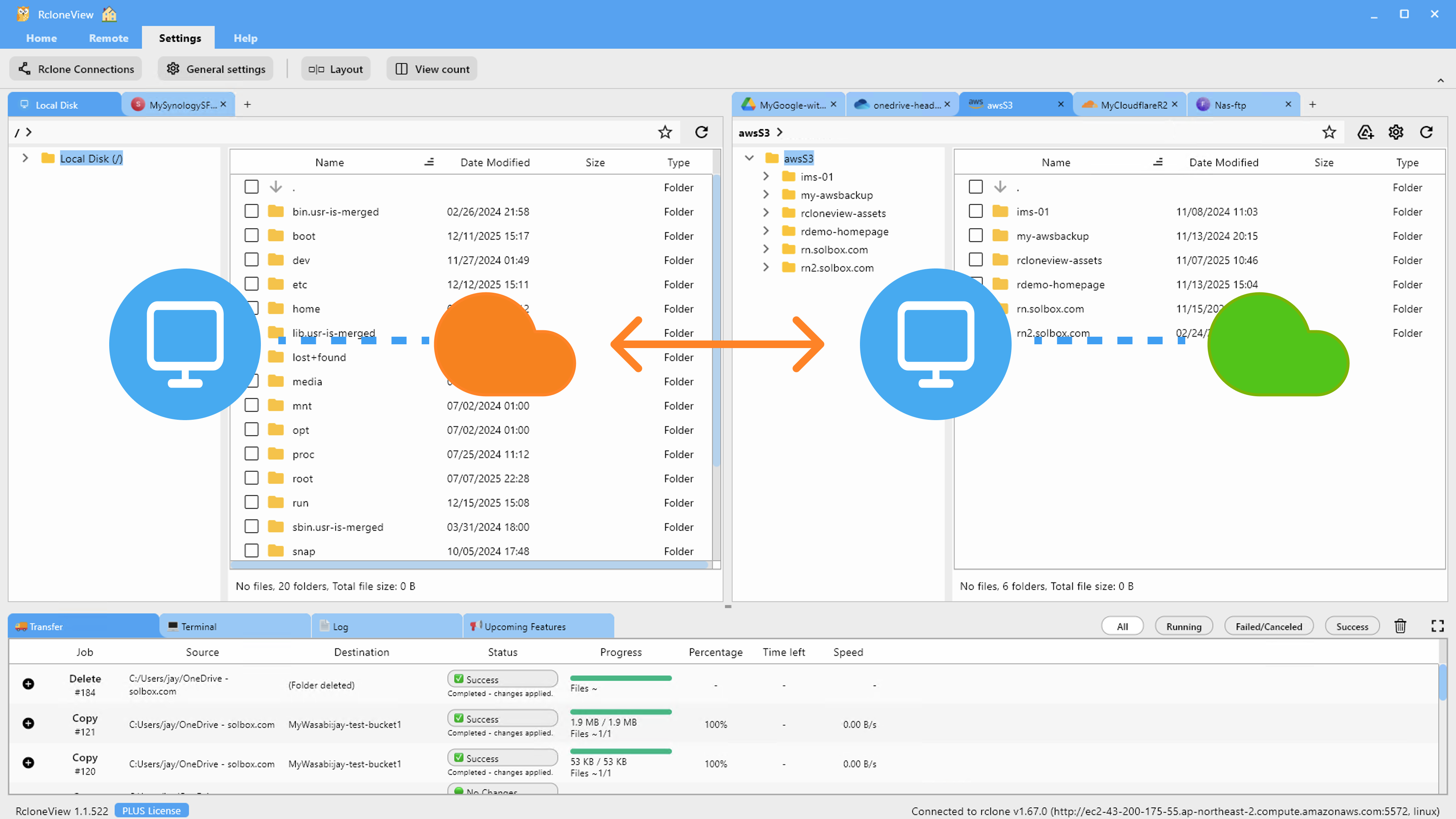
3) Create a Copy Job
Use Copy to back up Dropbox to an S3 bucket. Copy adds files without deleting — safe for backups:
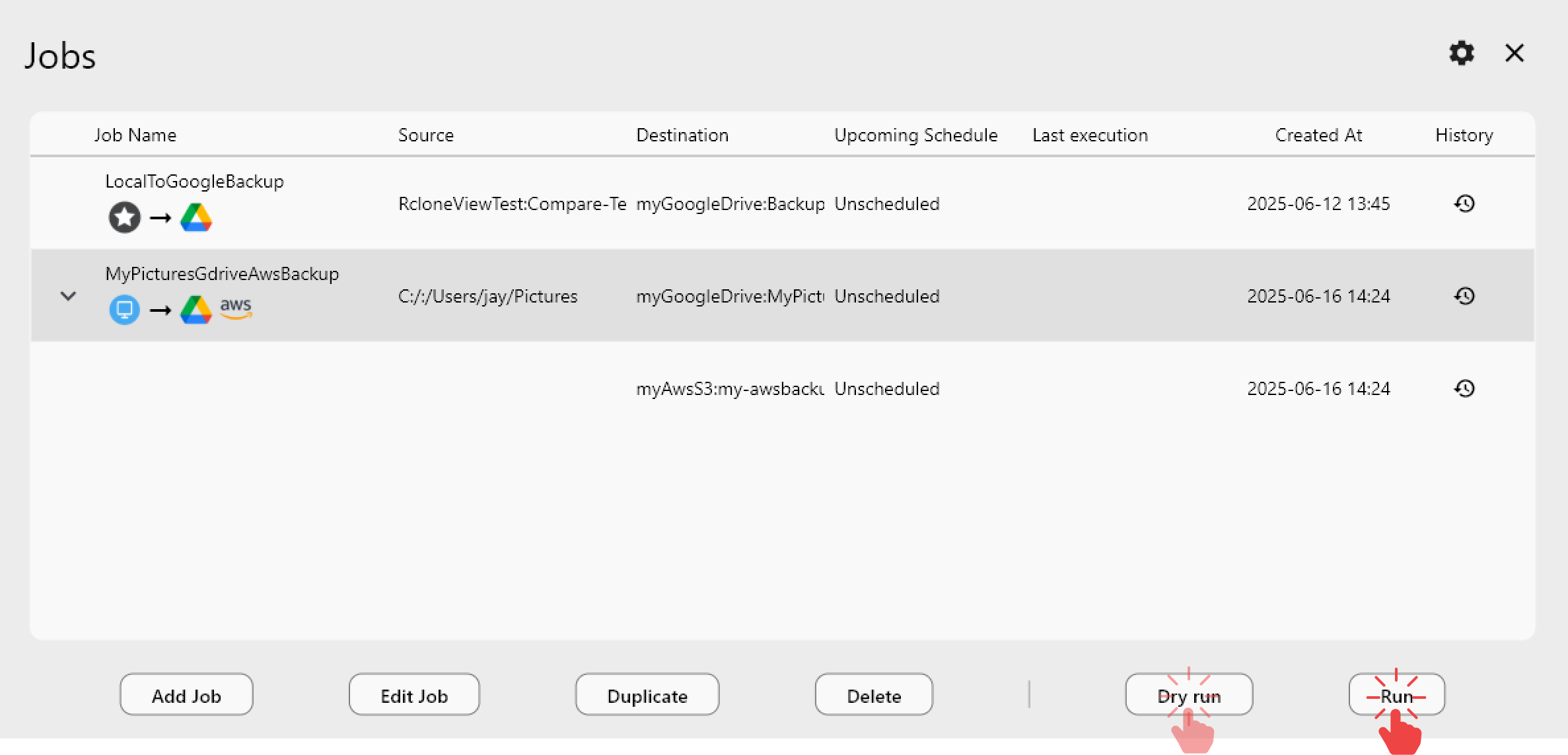
4) Schedule Nightly Backups
Set the job to run every night so your S3 backup stays current:
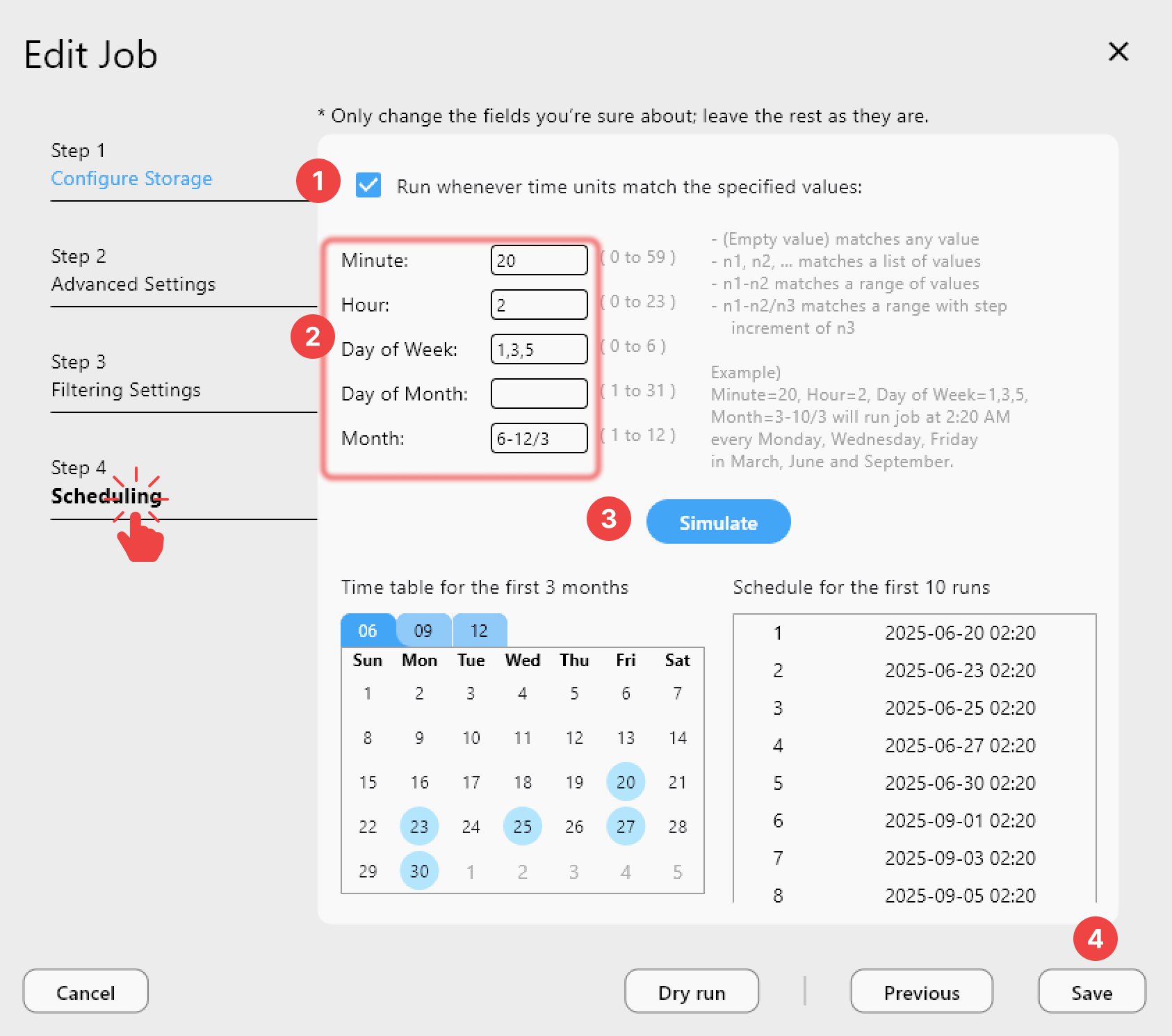
5) Verify Completeness
Use Folder Comparison to confirm all files are backed up:
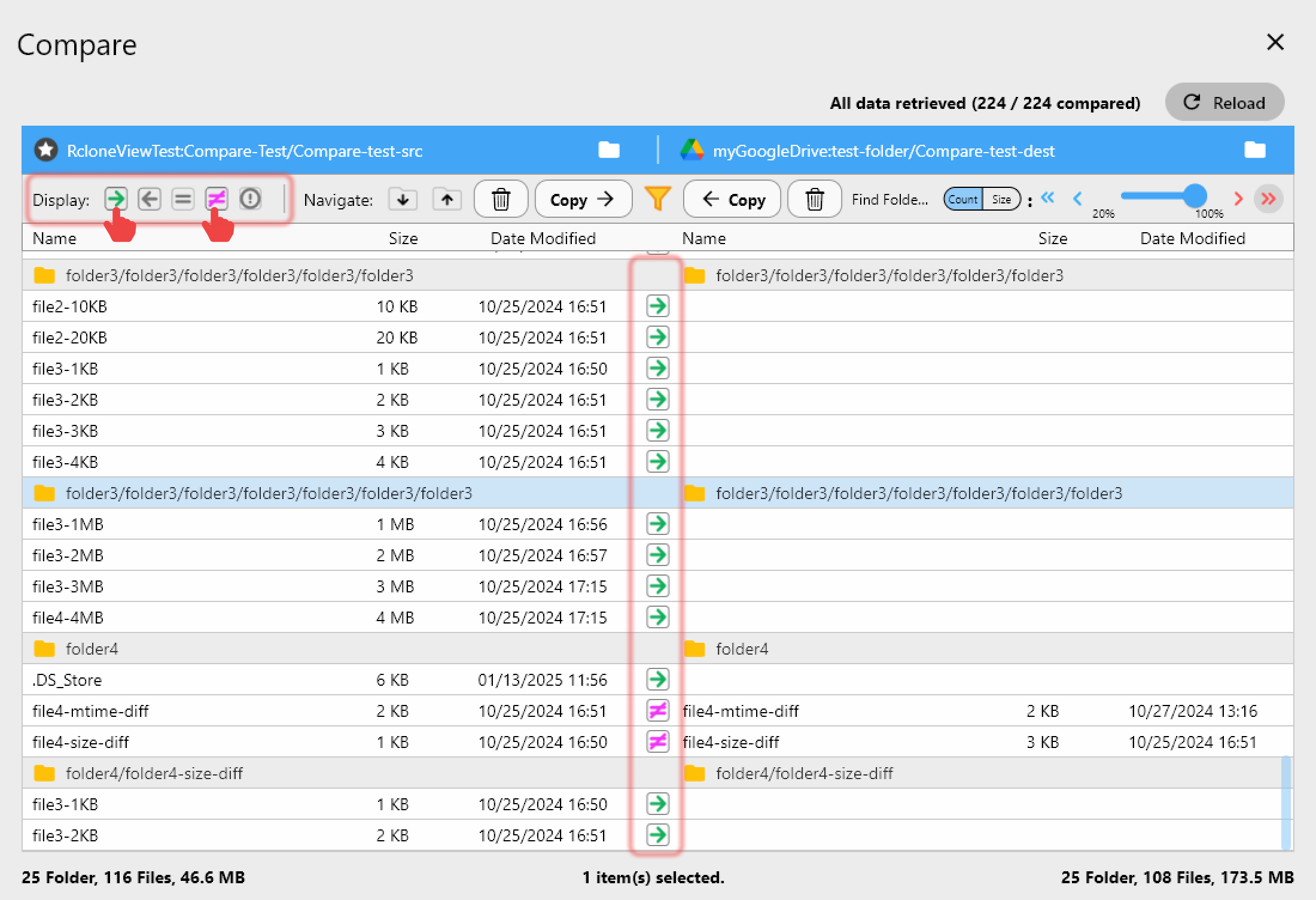
Choosing the Right S3 Storage Class
AWS S3 offers multiple storage classes at different price points:
| Storage Class | Best For | Price (TB/month) |
|---|---|---|
| S3 Standard | Frequently accessed backups | $23 |
| S3 Standard-IA | Backups accessed monthly | $12.50 |
| S3 Glacier Instant | Rare access, instant retrieval | $4 |
| S3 Glacier Deep Archive | Compliance, yearly access | $1 |
For most Dropbox backups, S3 Standard-IA (Infrequent Access) is the sweet spot — you're not accessing the backup daily, but you want quick restore when needed.
Selective Backup with Filters
You might not need to back up everything. Use rclone filter rules:
- Include only documents:
--include "*.pdf" --include "*.docx" --include "*.xlsx" - Exclude temp files:
--exclude "*.tmp" --exclude ".dropbox*" - Skip large media:
--max-size 500M
See Rclone Filter Rules Explained for details.
Batch Jobs for Complete Backup Workflow
With v1.3's Batch Jobs, chain multiple operations:
- Copy Dropbox → S3.
- Compare Dropbox vs S3.
- Send Slack notification when complete.
All in one automated sequence.
Restore from Backup
If you need to restore files from S3 back to Dropbox:
- Open S3 on the left, Dropbox on the right.
- Select the files or folders to restore.
- Run a Copy job from S3 → Dropbox.
It's the same process in reverse.
Getting Started
- Download RcloneView from rcloneview.com.
- Add Dropbox and AWS S3 as remotes.
- Run a Copy job from Dropbox to S3.
- Schedule nightly backups.
- Verify with Folder Comparison.
Your Dropbox files deserve more than one home.
Related Guides:
Supported Cloud Providers