Too Many Cloud Accounts? How to Manage Cloud Sprawl and Regain Control
You signed up for Google Drive years ago. Then OneDrive came with your Office subscription. Dropbox for that one client. iCloud with your iPhone. S3 for that side project. Now you have files scattered across five clouds and no idea where anything is.
Cloud sprawl happens gradually. Each new service solves a specific need, but eventually you're paying for overlapping storage and spending time searching for files across multiple platforms. RcloneView gives you a single interface to see, organize, and consolidate everything.
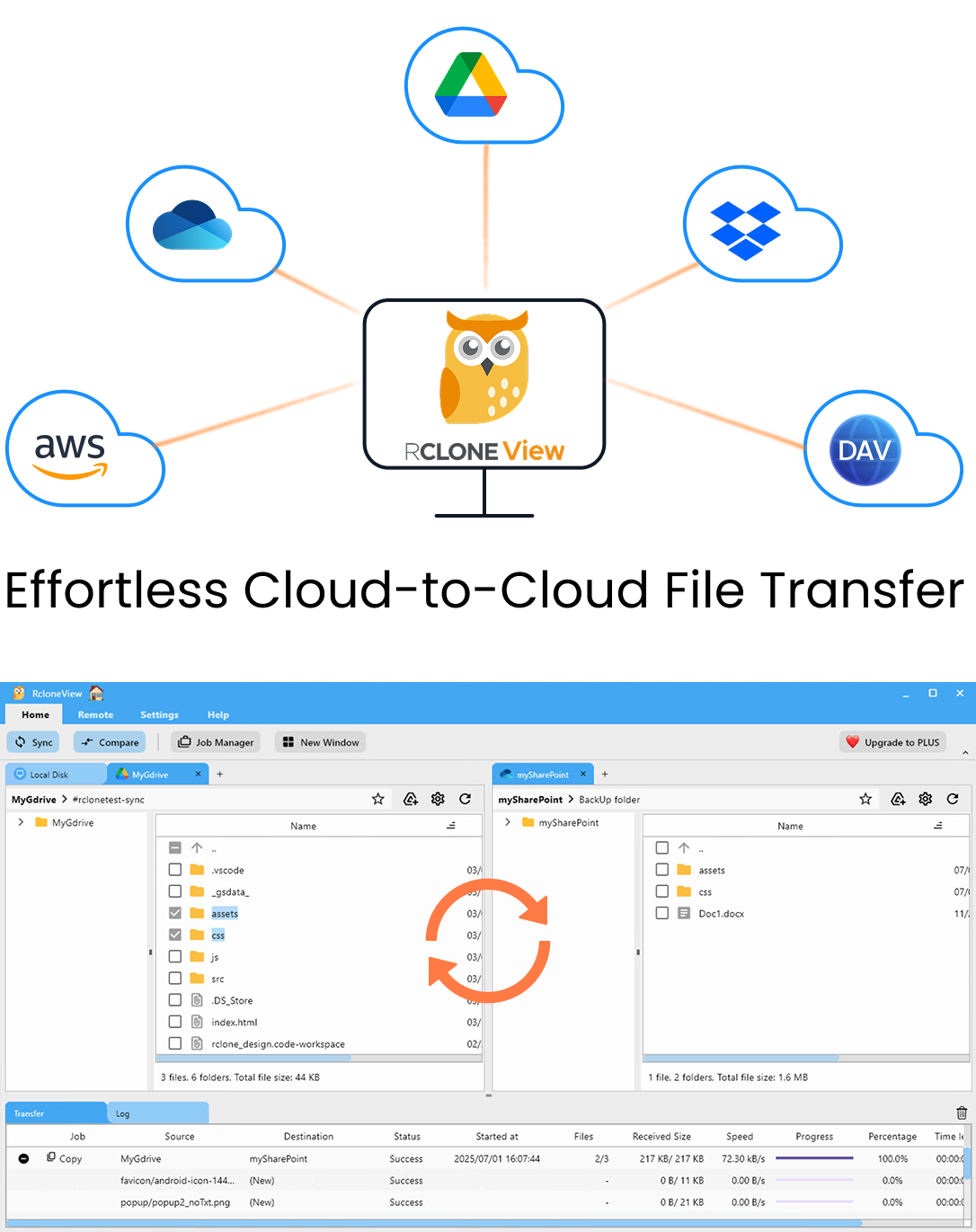
Manage & Sync All Clouds in One Place
RcloneView is a cross-platform GUI for rclone. Compare folders, transfer or sync files, and automate multi-cloud workflows with a clean, visual interface.
- One-click jobs: Copy · Sync · Compare
- Schedulers & history for reliable automation
- Works with Google Drive, OneDrive, Dropbox, S3, WebDAV, SFTP and more
Free core features. Plus automations available.
Signs of Cloud Sprawl
- You search for a file and check 3+ cloud apps before finding it.
- You're paying for storage you barely use on multiple platforms.
- The same file exists on two or more clouds (and you're not sure which is current).
- You've forgotten which cloud has which files.
- A new project starts and you default to "whichever cloud I'm logged into."
Step 1: Audit Your Cloud Accounts
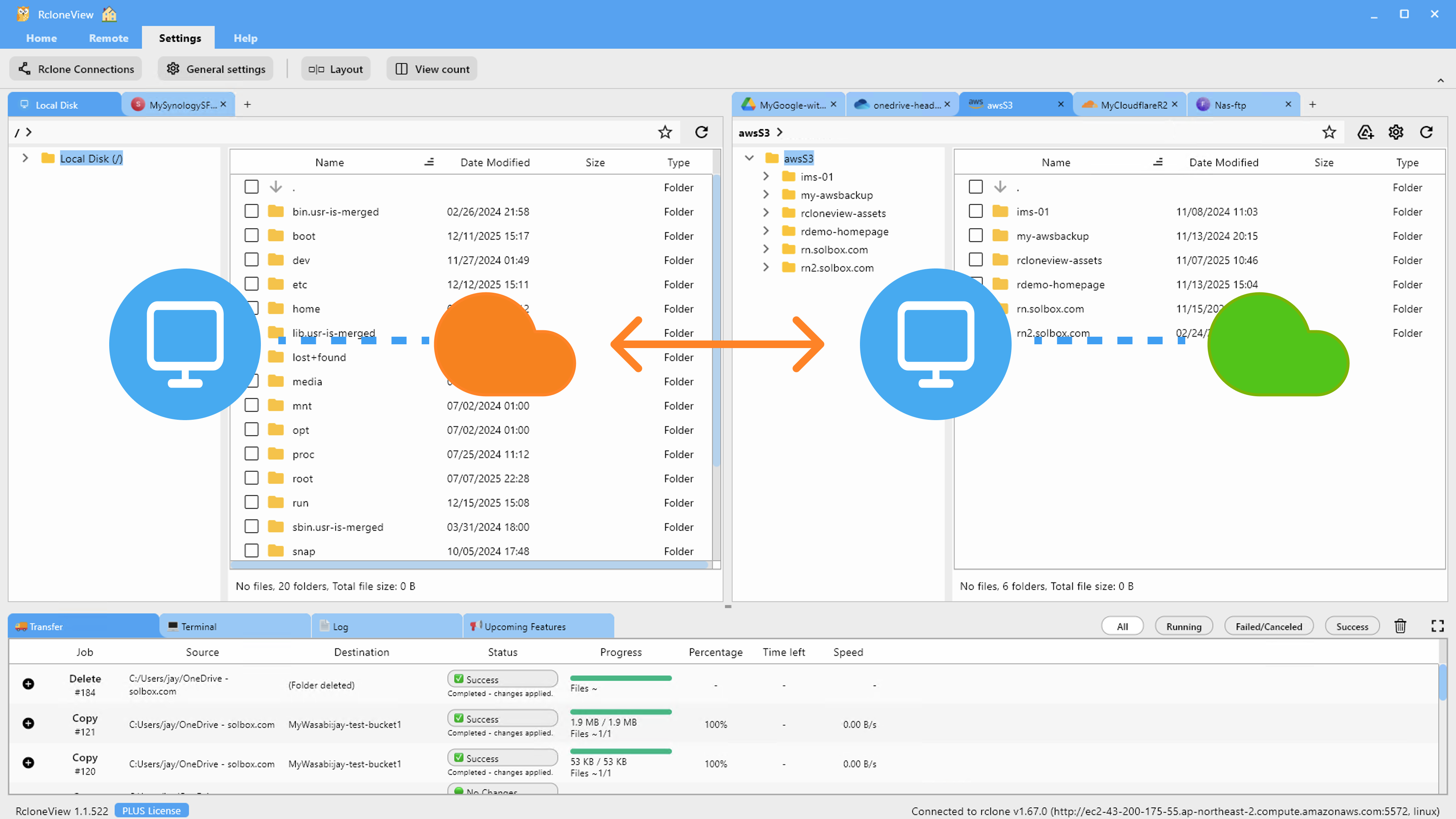
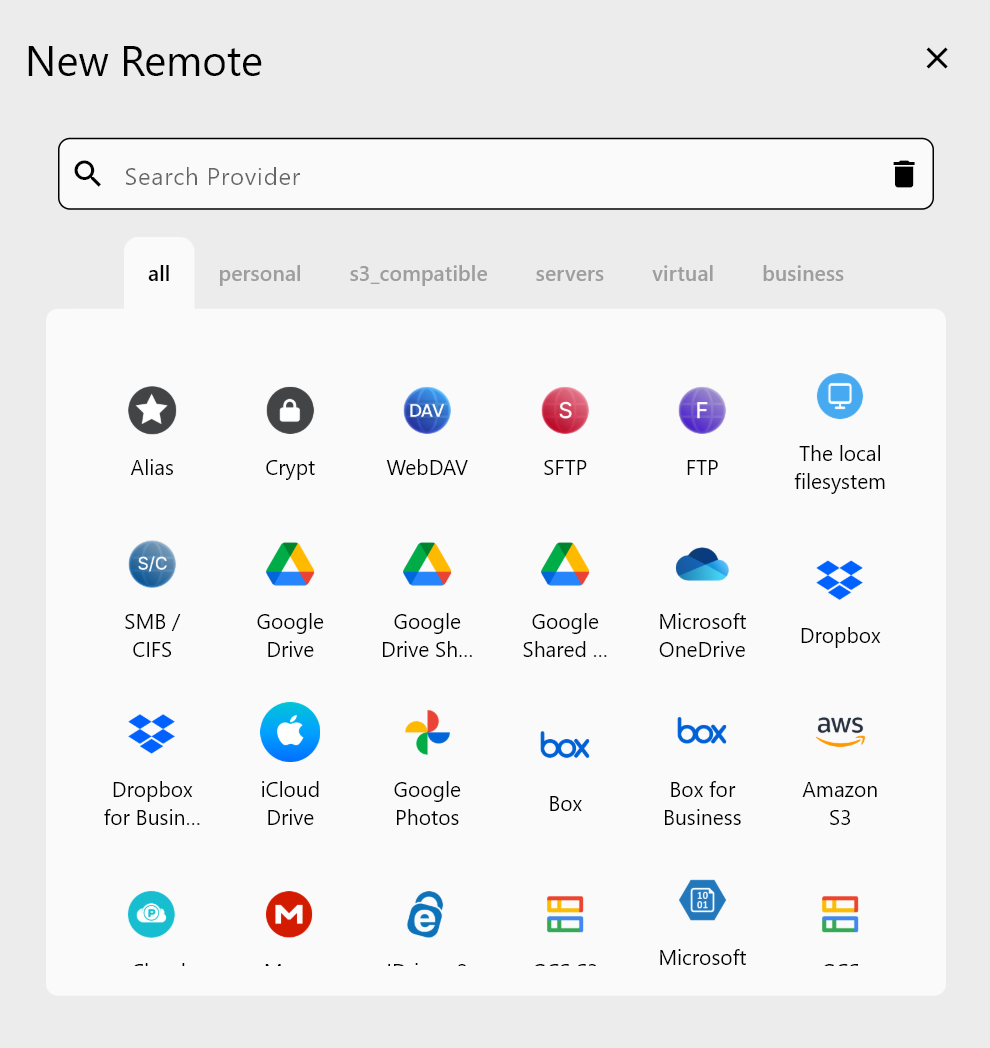
Connect all your clouds to RcloneView and see everything in one place:
What to inventory
For each cloud account:
- How much storage is used?
- What type of files are stored?
- When was the last activity?
- Are there duplicates with other clouds?
- Is this cloud still needed?
Step 2: Find Duplicates
Use Folder Comparison between cloud pairs to identify duplicated data:
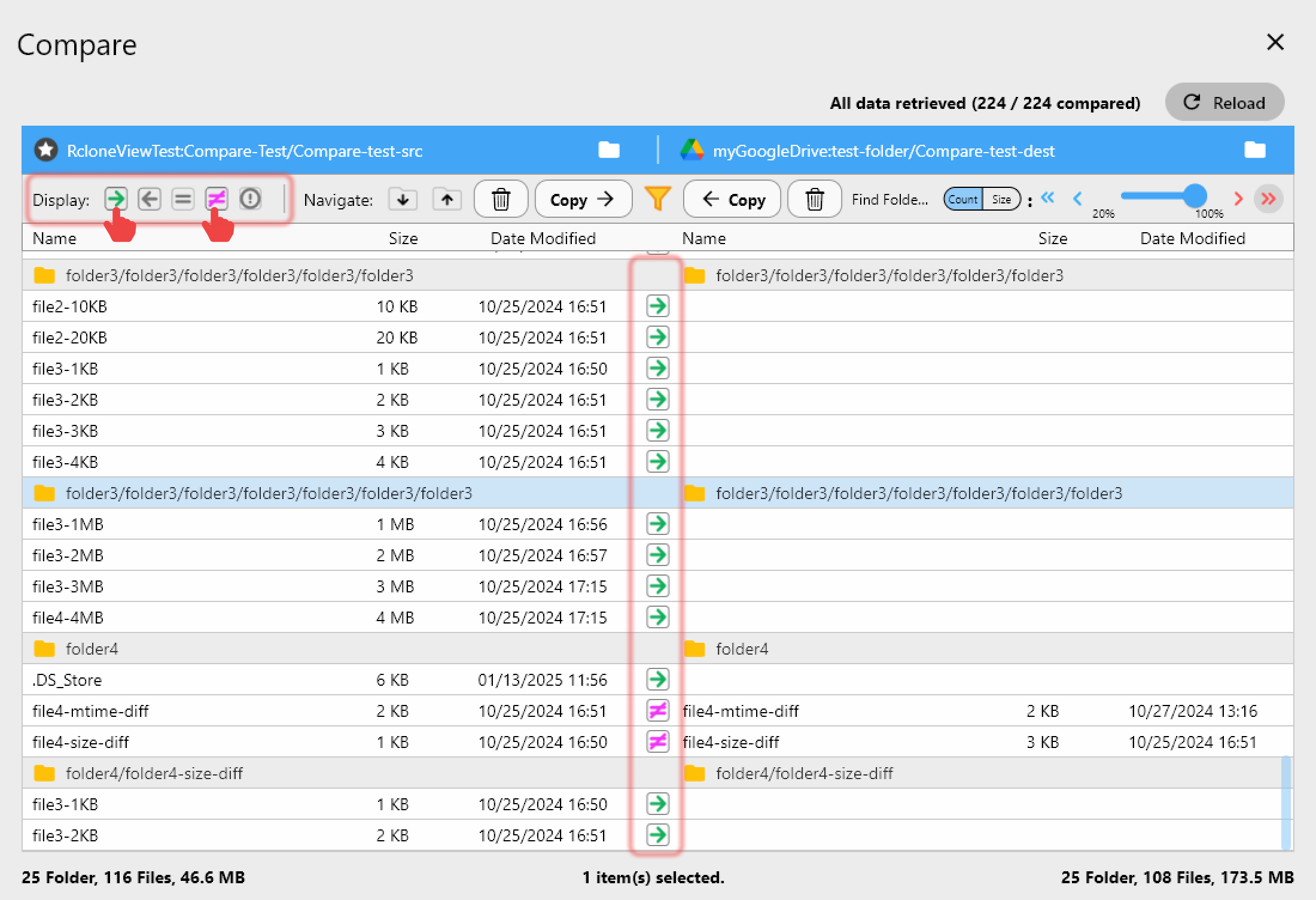
You might find:
- The same project folder on both Google Drive and Dropbox.
- Photos backed up to both OneDrive and Google Photos.
- Documents copied to multiple clouds "just in case."
Step 3: Designate Purposes
Assign each cloud a specific role:
| Cloud | Purpose | Keep |
|---|---|---|
| Google Drive | Daily work, collaboration | ✅ |
| OneDrive | Office integration, SharePoint | ✅ |
| Backblaze B2 | Archive backup | ✅ |
| Dropbox | ❌ (duplicate of Google Drive) | Cancel |
| S3 | Old project, barely used | Migrate → B2, cancel |
Step 4: Consolidate
Move files from decommissioned clouds to your primary:
- Copy Dropbox → Google Drive (keep as primary).
- Copy S3 old project → Backblaze B2 (cheaper archive).
- Verify transfers with Folder Comparison.
Step 5: Set Up Proper Backup
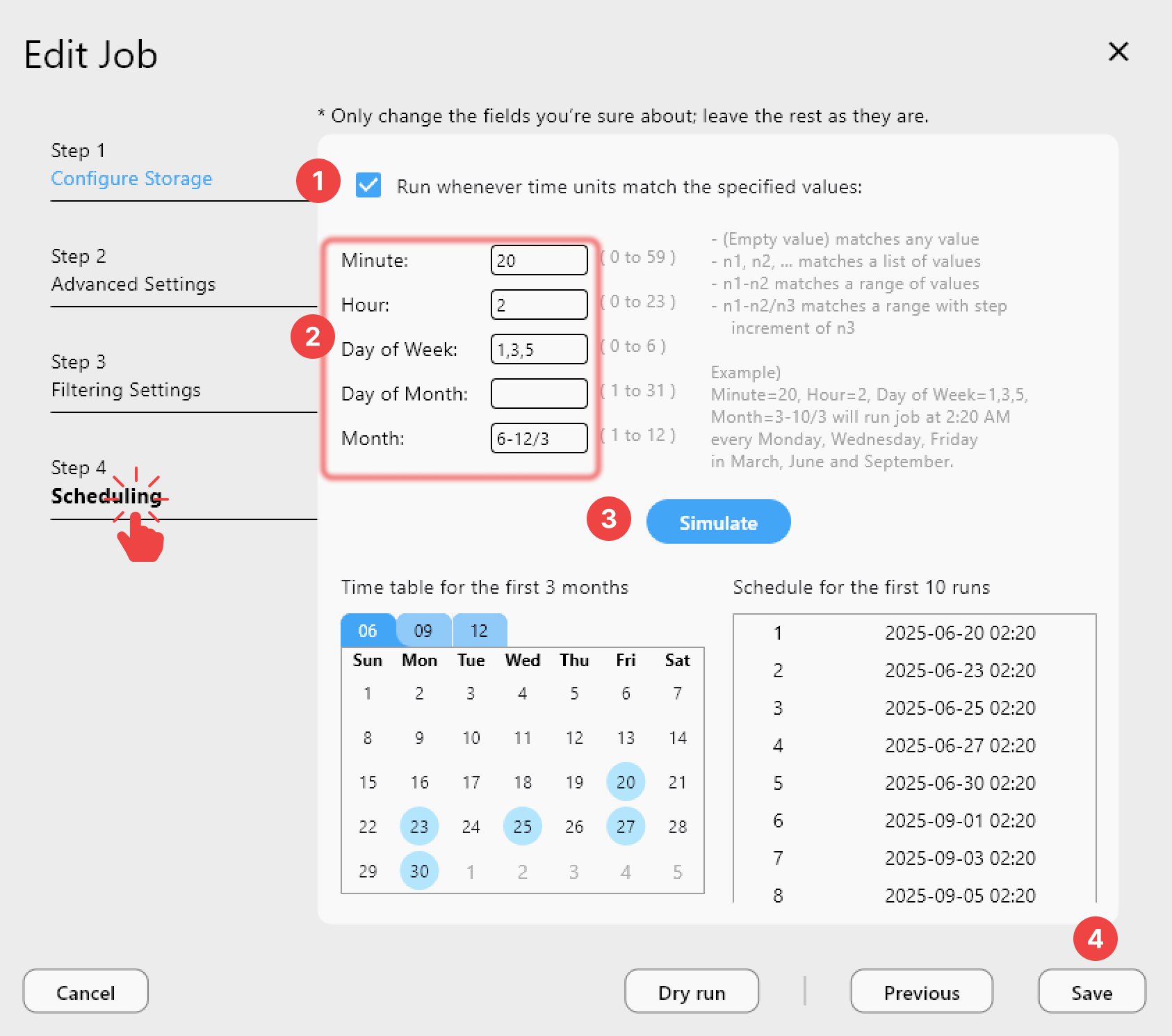
Instead of ad-hoc copies everywhere, create one structured backup:
Primary: Google Drive (daily use)
  → Backup: Backblaze B2 (nightly automated)
Step 6: Cancel Unused Subscriptions
After confirming all data is consolidated:
- Cancel paid Dropbox plan.
- Delete empty cloud accounts.
- Keep only what you actively use.
The Result
Before: 5 clouds, 200 GB duplicates, $45/month total. After: 2 clouds (primary + backup), zero duplicates, $16/month.
Getting Started
- Download RcloneView from rcloneview.com.
- Add all your cloud accounts — see everything in one place.
- Audit and compare — find duplicates and waste.
- Consolidate — move files to primary clouds.
- Set up automated backup — one primary, one backup.
- Cancel the rest.
Fewer clouds, less confusion, lower bills.
Related Guides:
Supported Cloud Providers