Manage DigitalOcean Spaces — Sync and Backup Files with RcloneView
RcloneView connects to DigitalOcean Spaces via S3-compatible API, giving you a visual file manager for your object storage buckets across any region.
DigitalOcean Spaces is a developer-friendly object storage service with a flat pricing model and built-in CDN. Teams running workloads on DigitalOcean Droplets often store backups, static assets, and deployment artifacts in Spaces. RcloneView adds a graphical layer on top of rclone's S3-compatible backend, so you can visually browse buckets, run scheduled syncs, and compare local directories against remote storage — all without touching the CLI.
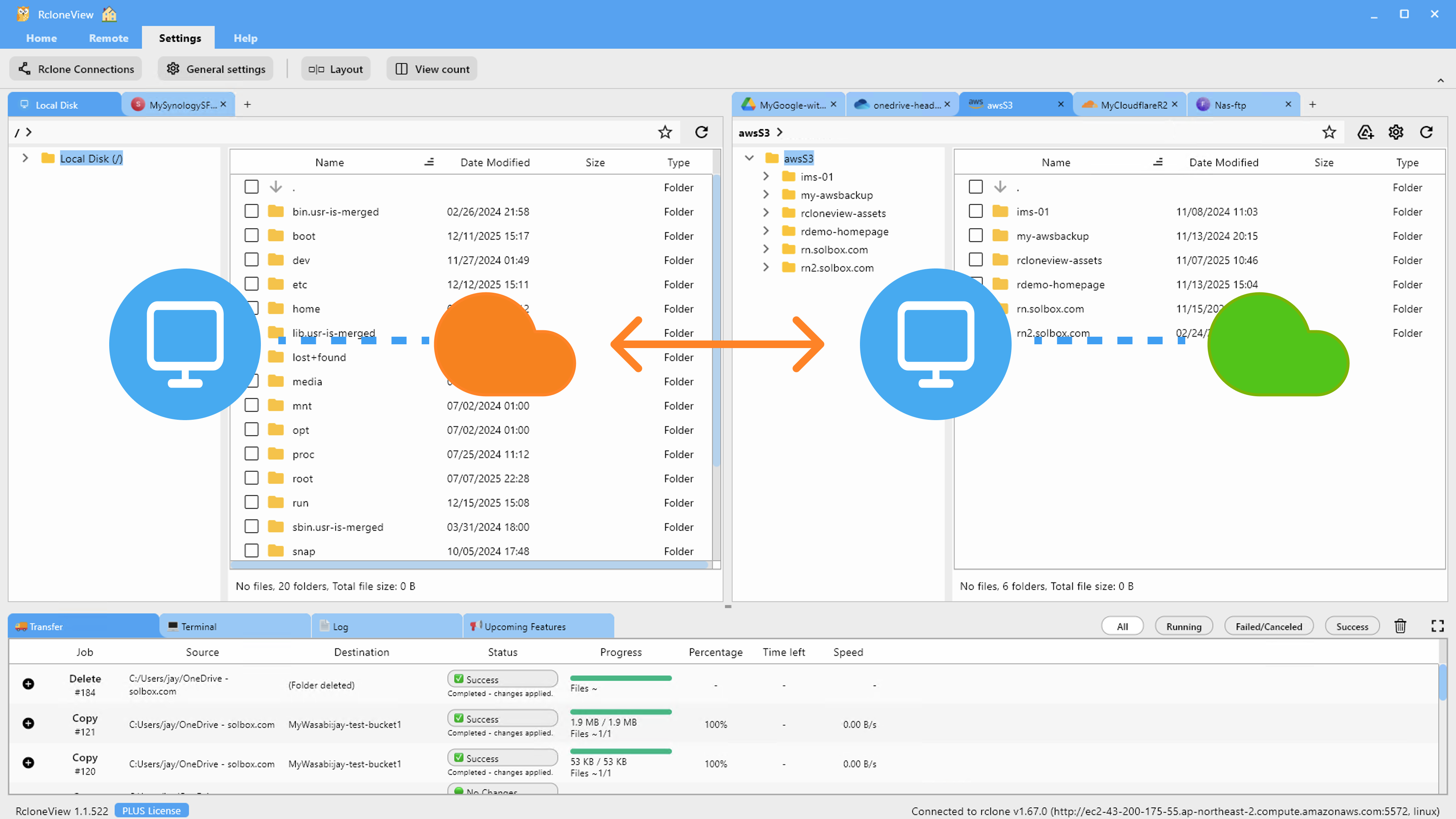
Manage & Sync All Clouds in One Place
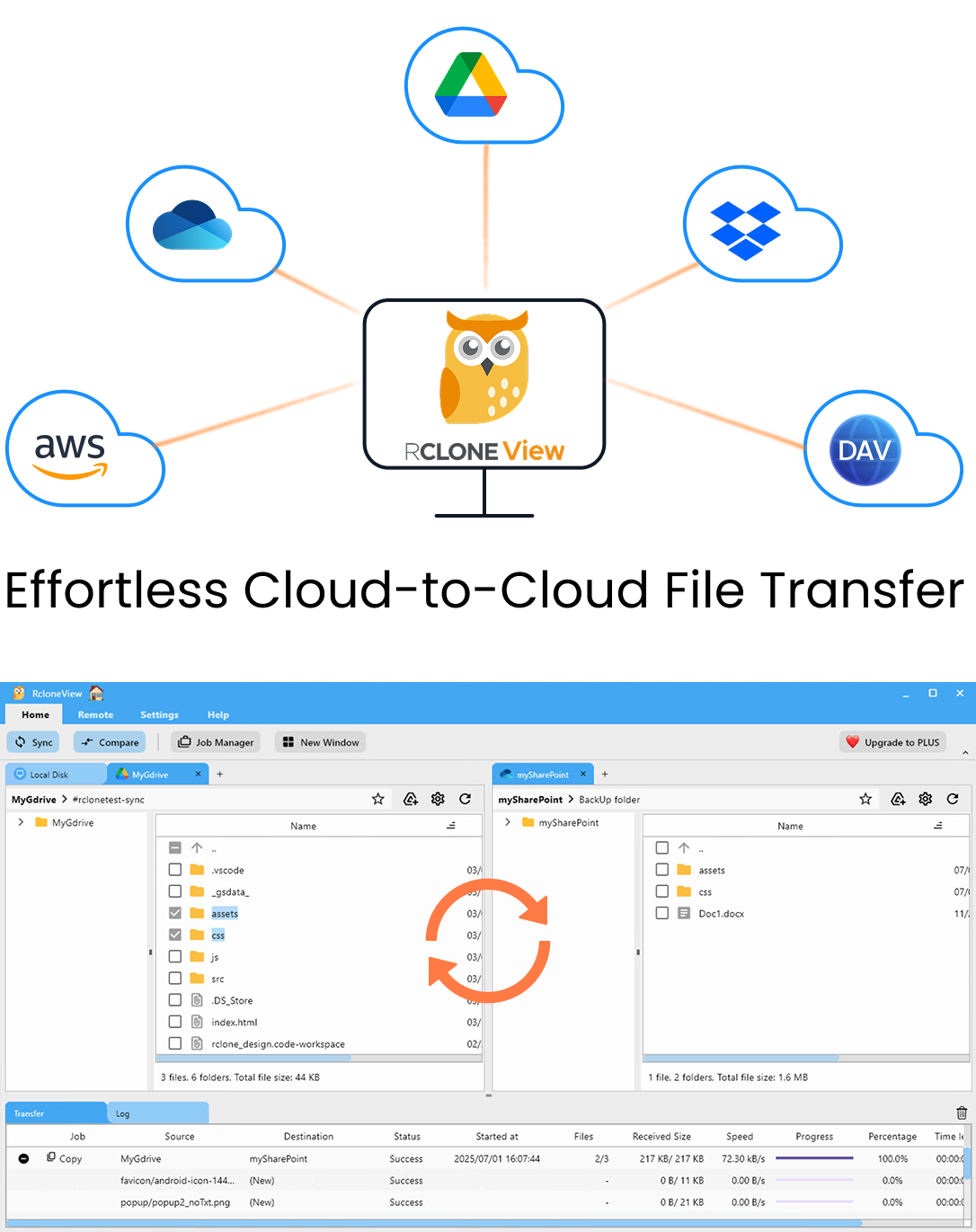
RcloneView is a cross-platform GUI for rclone. Compare folders, transfer or sync files, and automate multi-cloud workflows with a clean, visual interface.
- One-click jobs: Copy · Sync · Compare
- Schedulers & history for reliable automation
- Works with Google Drive, OneDrive, Dropbox, S3, WebDAV, SFTP and more
Free core features. Plus automations available.
Setting Up DigitalOcean Spaces in RcloneView
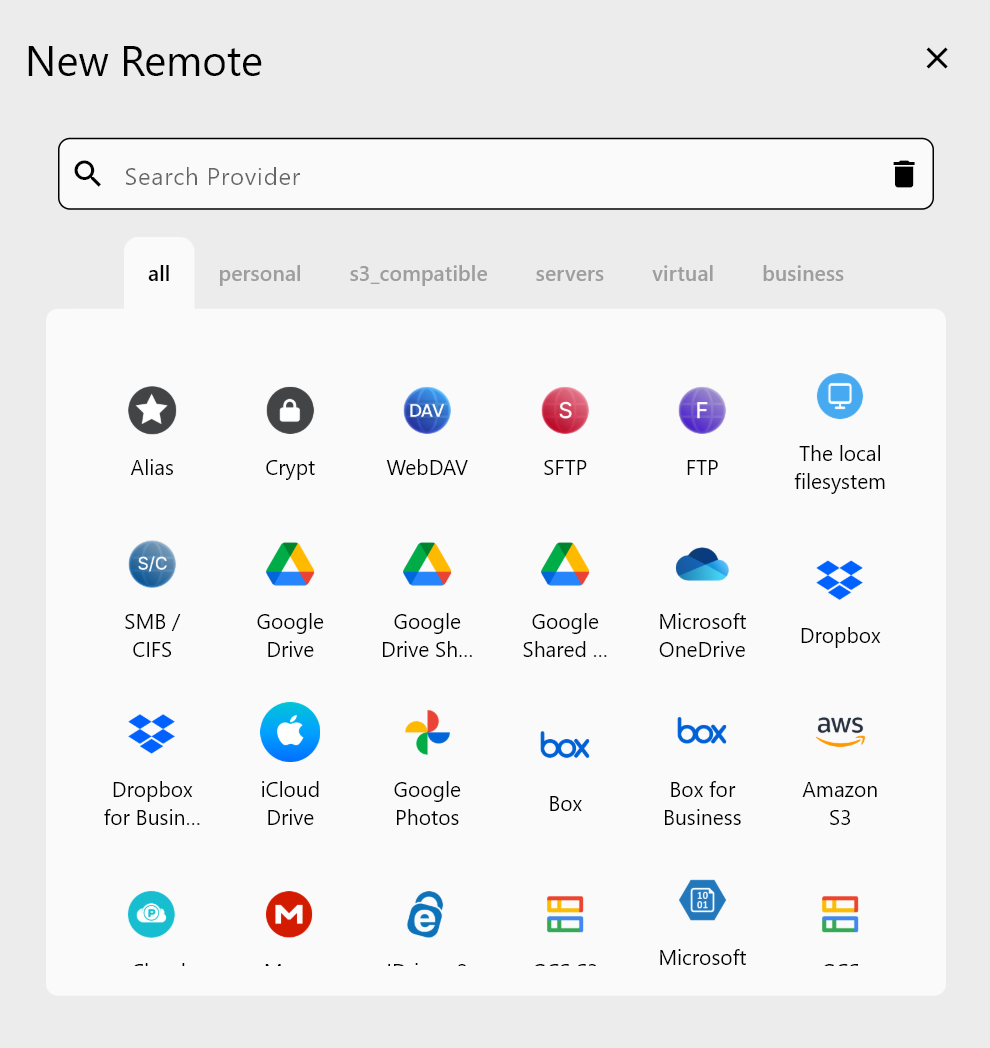
DigitalOcean Spaces uses S3-compatible APIs, so you configure it as an S3 remote in RcloneView. Navigate to Remote tab → New Remote → Amazon S3 Compatible, then select DigitalOcean Spaces as the provider. You'll need:
- Access Key ID — generated in the DigitalOcean Control Panel under API → Spaces Keys
- Secret Access Key — shown only once at generation time
- Endpoint — region-specific, for example
nyc3.digitaloceanspaces.com
Once saved, your Spaces buckets appear immediately in the Explorer panel. You can browse bucket contents, upload files by drag-and-drop from local folders, and open side-by-side panels to compare a Droplet's backup directory against the Spaces bucket.
Syncing Local Servers to DigitalOcean Spaces
A typical use case: a development team generates build artifacts on a CI server and wants to push them nightly to Spaces for long-term storage. Using RcloneView's Job Manager, create a Sync job from the local artifacts directory to do-spaces:artifacts-bucket/builds. Set the schedule to run at 3:00 AM, enable checksum verification, and add a max-file-size filter to exclude temporary files over 500 MB.
The 1:N sync option lets you mirror the same artifact directory to both DigitalOcean Spaces and Amazon S3 simultaneously — useful for teams maintaining multi-region redundancy or transitioning between storage providers.
Cross-Region and Cross-Provider Transfers
When you need to move data between Spaces regions (e.g., from nyc3 to sfo3) or migrate to a different S3-compatible provider entirely, RcloneView handles it as a direct cloud-to-cloud transfer. Open two Explorer panels — one pointing to the source Spaces bucket and one to the destination — then drag-and-drop or use the sync wizard.
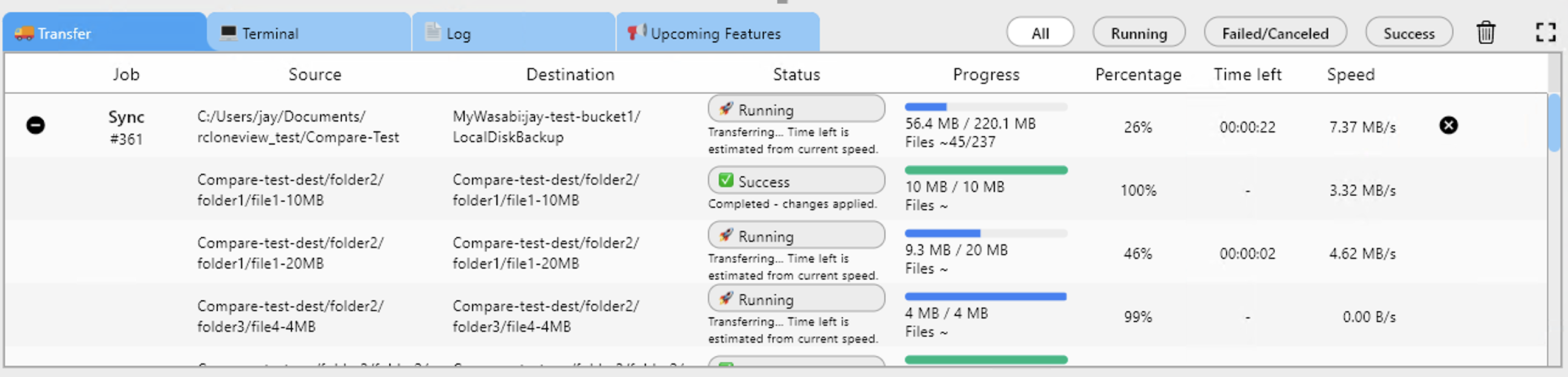
For large migrations, set Number of file transfers to 8–16 in Step 2 of the sync wizard to maximize throughput. RcloneView's real-time transfer monitor shows per-file progress and overall speed, letting you estimate completion time for large datasets.
Getting Started
- Download RcloneView from rcloneview.com.
- Generate a Spaces access key in the DigitalOcean Control Panel.
- Create a new S3 remote in RcloneView with your Spaces credentials and endpoint.
- Create a Sync job in Job Manager targeting your Spaces bucket and set a schedule.
DigitalOcean Spaces becomes a fully managed, scheduled backup target — with real-time monitoring and job history all in one interface.
Related Guides:
- Migrate Google Drive to DigitalOcean Spaces with RcloneView
- Mount DigitalOcean Spaces as a Local Drive with RcloneView
- Centralize S3, Wasabi, and R2 with RcloneView
Supported Cloud Providers