Manage Google Photos Storage — Sync and Backup Photos with RcloneView
RcloneView connects to Google Photos via OAuth, letting you browse your photo library, back up originals to local storage or other cloud providers, and run scheduled exports.
Google Photos is the default photo backup solution for billions of Android users — but it's not a backup itself. If your Google account is compromised, storage quota is exceeded, or the service terms change, your photo library is at risk. RcloneView connects to Google Photos as a separate remote from Google Drive, giving you direct access to your library for download and backup to external drives, NAS devices, or cold cloud storage like Amazon S3 or Backblaze B2.
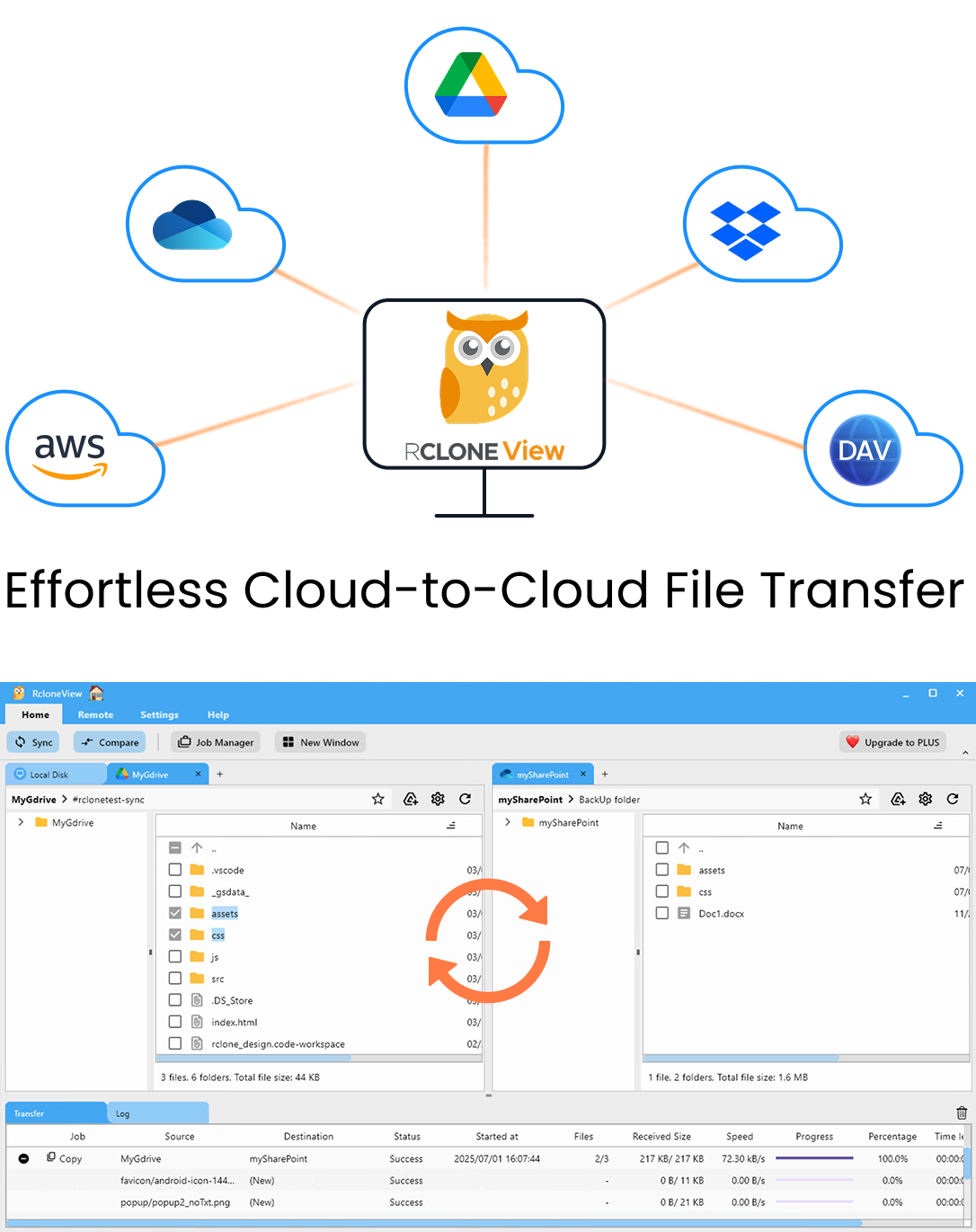
Manage & Sync All Clouds in One Place
RcloneView is a cross-platform GUI for rclone. Compare folders, transfer or sync files, and automate multi-cloud workflows with a clean, visual interface.
- One-click jobs: Copy · Sync · Compare
- Schedulers & history for reliable automation
- Works with Google Drive, OneDrive, Dropbox, S3, WebDAV, SFTP and more
Free core features. Plus automations available.
Setting Up Google Photos in RcloneView
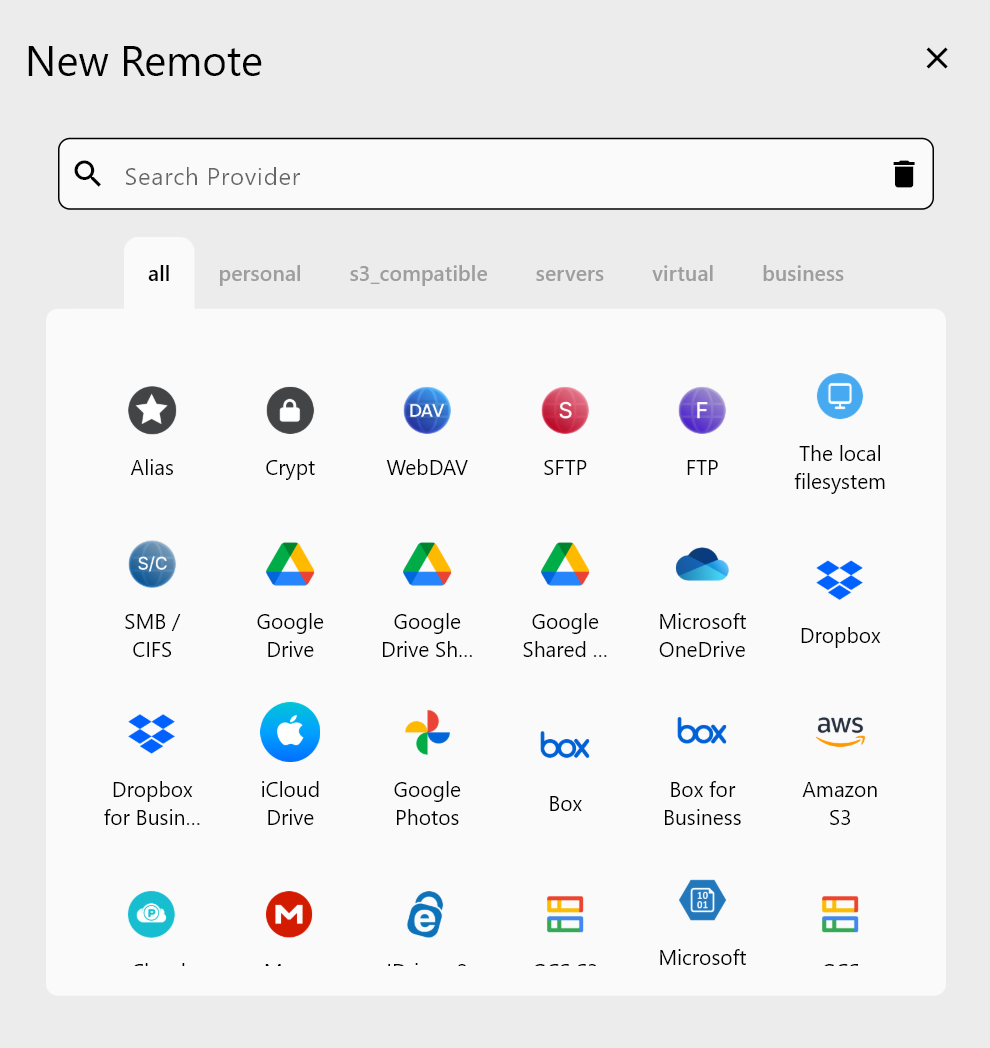
Google Photos appears as a separate provider in RcloneView's remote setup. Go to Remote tab → New Remote → Google Photos and authenticate via OAuth browser login. You'll be prompted to grant RcloneView (via rclone) read access to your photos — after authorizing, your library appears in the Explorer panel organized by year and album.
Note that the Google Photos API presents photos in a specific structure: by album or by date-based folders. You cannot reorganize photos through the API, but you can browse and download the originals at full resolution — including RAW files uploaded from a camera if you have Google One storage.
Backing Up Google Photos to Local Storage
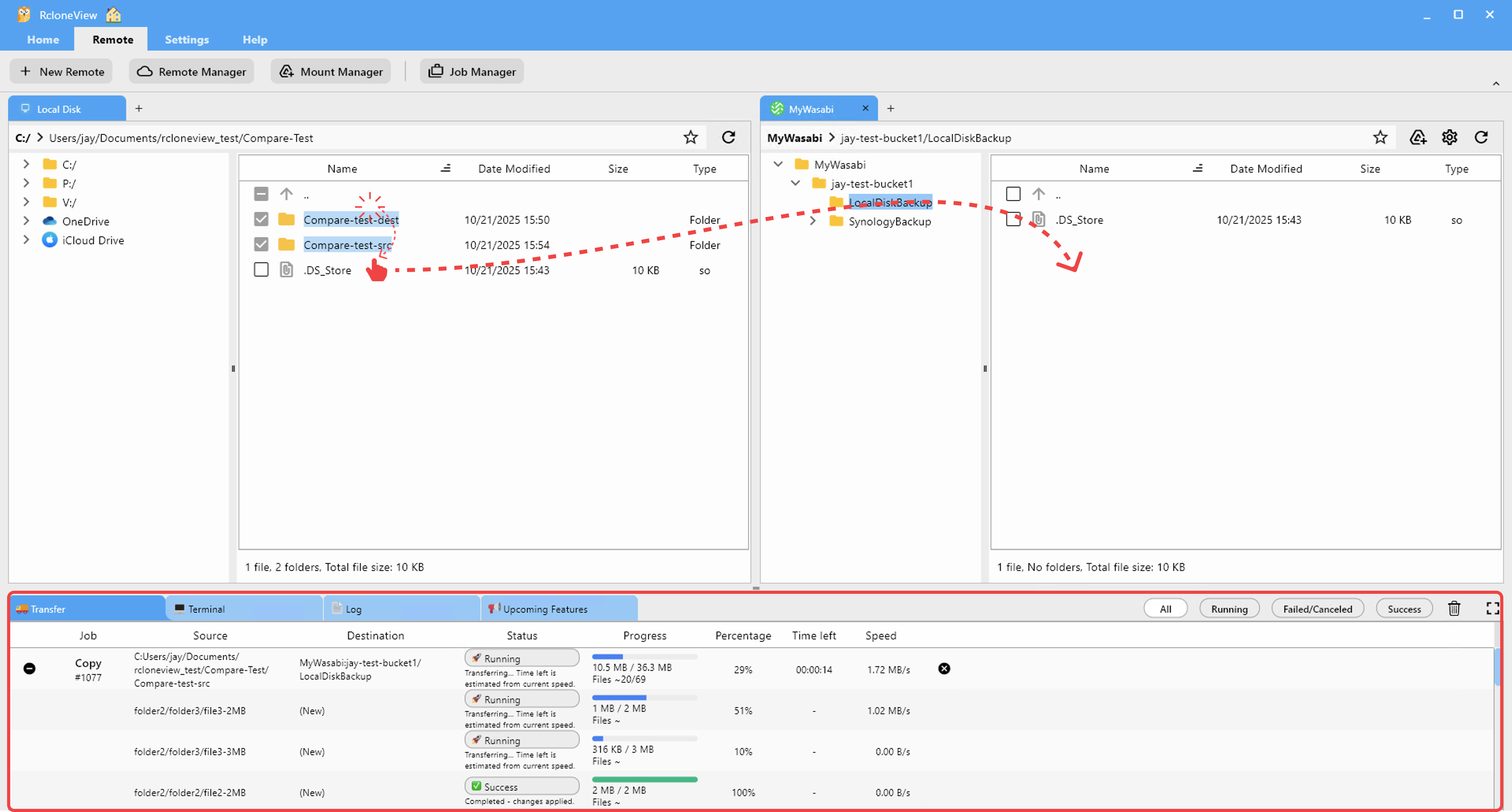
The most common use case is downloading your entire Google Photos library to an external drive or NAS. Create a Copy job in Job Manager with Google Photos as the source and your local external drive (or NAS path) as the destination. Enable skip existing files to make subsequent runs incremental — only new photos since the last backup are downloaded.
For a family with 10 years of photos across 50,000 images totaling 150 GB, the initial download will take several hours. Run it overnight with the schedule set to execute once. Future runs, scheduled weekly, add only the new photos uploaded that week — keeping your local backup current without retransferring everything.
Cross-Cloud Backup: Google Photos to S3 or Backblaze B2
For a cloud-to-cloud backup, set Google Photos as the source and Amazon S3 or Backblaze B2 as the destination. This creates an independent backup of your photo library on a separate cloud provider — protection against Google account issues without requiring local storage capacity.
Use filter rules in Step 3 of the sync wizard to include only specific file types (.jpg, .heic, .mp4, .raw) and exclude Google's metadata JSON sidecar files if they're not needed. Set a max-file-age filter to only back up photos from the last 12 months in your routine job, with a separate one-time job for the historical archive.
Getting Started
- Download RcloneView from rcloneview.com.
- Add Google Photos as a remote via OAuth browser authentication in the New Remote wizard.
- Create a Copy job from Google Photos to your external drive or cloud backup bucket.
- Schedule weekly incremental runs to capture new photos automatically.
With RcloneView, Google Photos becomes a source you can reliably back up — ensuring your irreplaceable memories have a copy independent of Google's infrastructure.
Related Guides:
- Backup Google Photos to External Drive and NAS with RcloneView
- Declutter Your Cloud Photo Library with RcloneView
- Manage Google Drive Cloud Sync and Backup with RcloneView
Supported Cloud Providers