Migrate Google Drive to DigitalOcean Spaces — Transfer Files with RcloneView
RcloneView handles Google Drive to DigitalOcean Spaces migrations as a direct cloud-to-cloud transfer — no local staging, full progress visibility, and checksum verification on completion.
Moving files from Google Drive to DigitalOcean Spaces is a common workflow for developers migrating from consumer-oriented storage to infrastructure-grade object storage. A startup might transition from using Google Drive for file sharing to using Spaces for programmatic access, CDN integration, and lower per-GB costs at scale. RcloneView connects both providers simultaneously and transfers files directly, without routing gigabytes through your local machine.
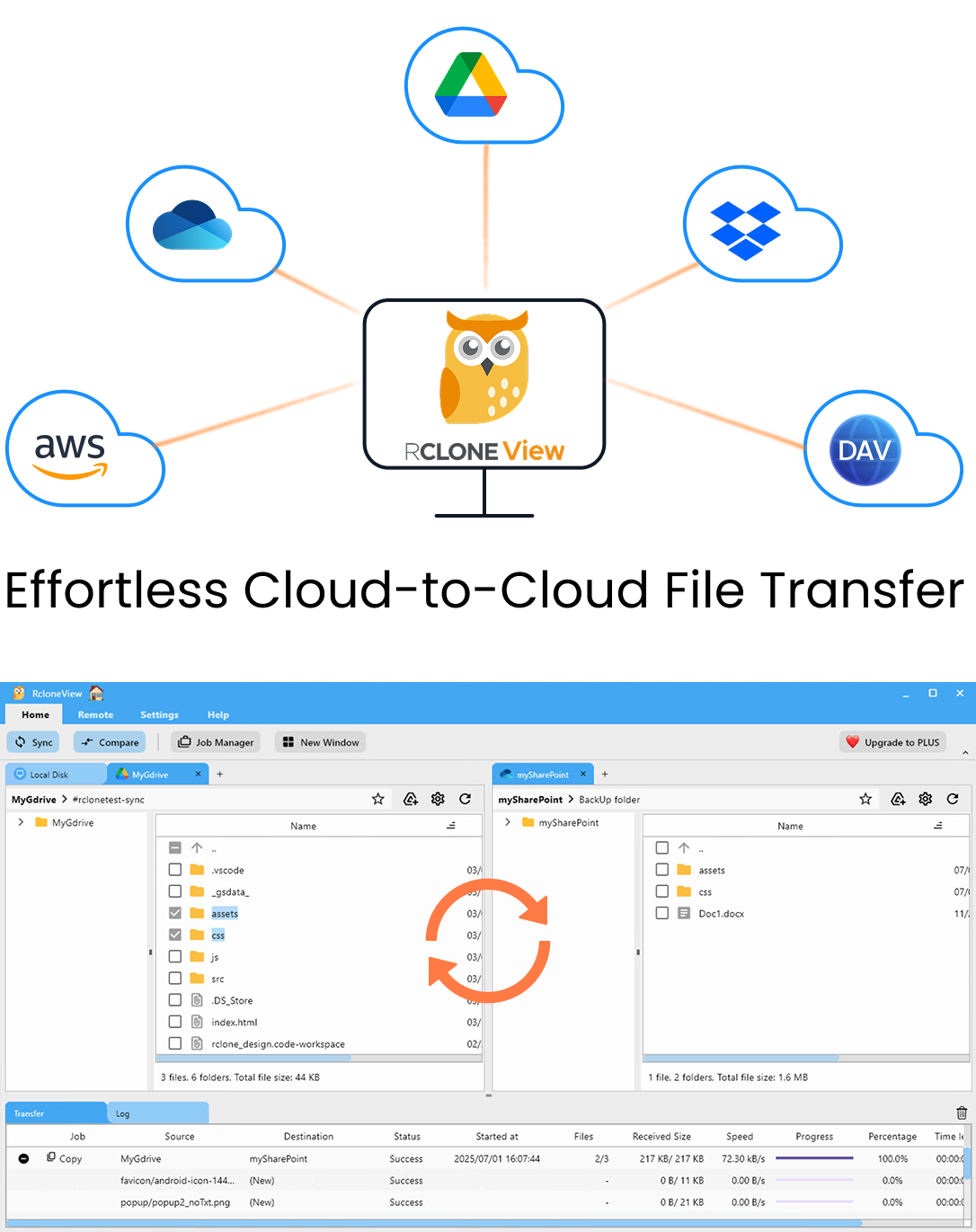
Manage & Sync All Clouds in One Place
RcloneView is a cross-platform GUI for rclone. Compare folders, transfer or sync files, and automate multi-cloud workflows with a clean, visual interface.
- One-click jobs: Copy · Sync · Compare
- Schedulers & history for reliable automation
- Works with Google Drive, OneDrive, Dropbox, S3, WebDAV, SFTP and more
Free core features. Plus automations available.
Preparing Both Remotes
Add Google Drive as an OAuth remote: Remote tab → New Remote → Google Drive, authenticate in the browser. Your Drive folders appear instantly in the Explorer.
Add DigitalOcean Spaces as an S3-compatible remote: New Remote → Amazon S3 Compatible → DigitalOcean Spaces. Enter your Spaces access key, secret key, and region endpoint (e.g., nyc3.digitaloceanspaces.com). Create the target bucket in the DigitalOcean Control Panel if it doesn't exist yet.
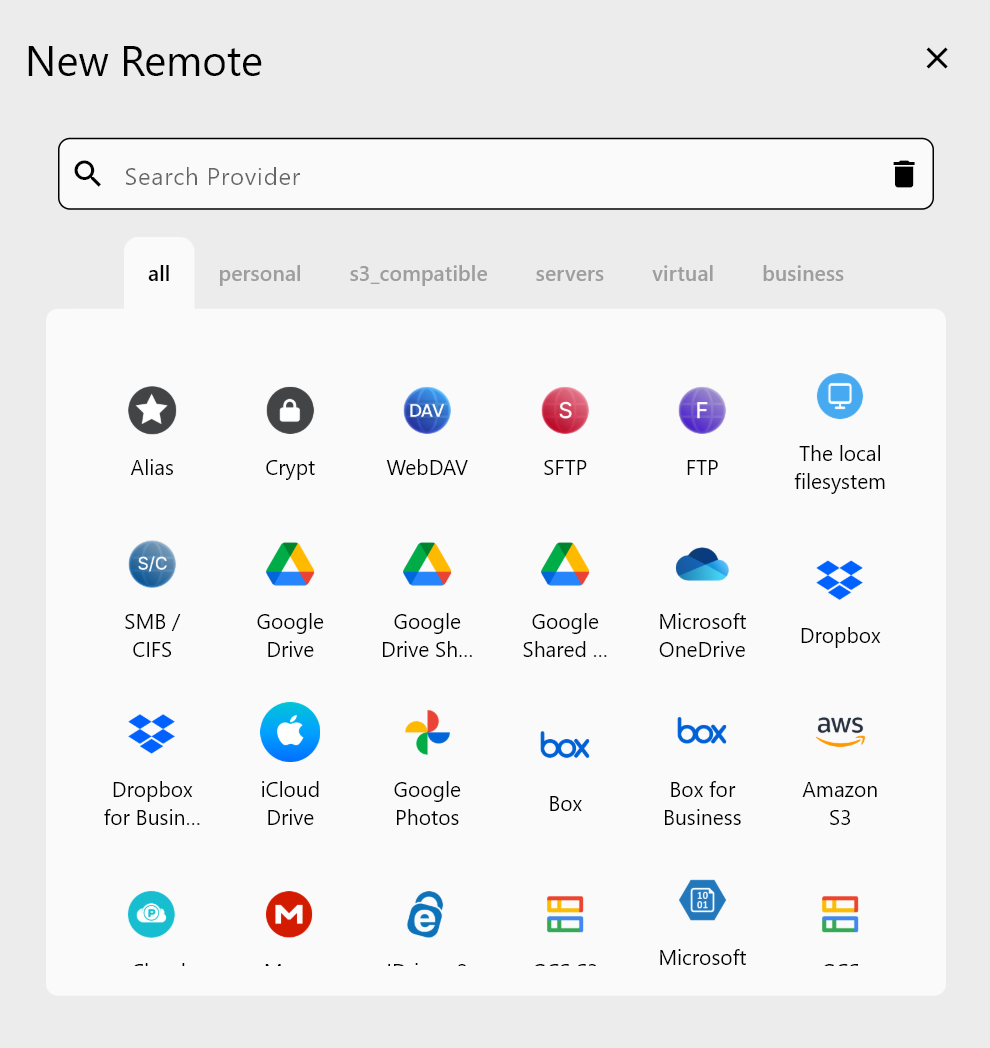
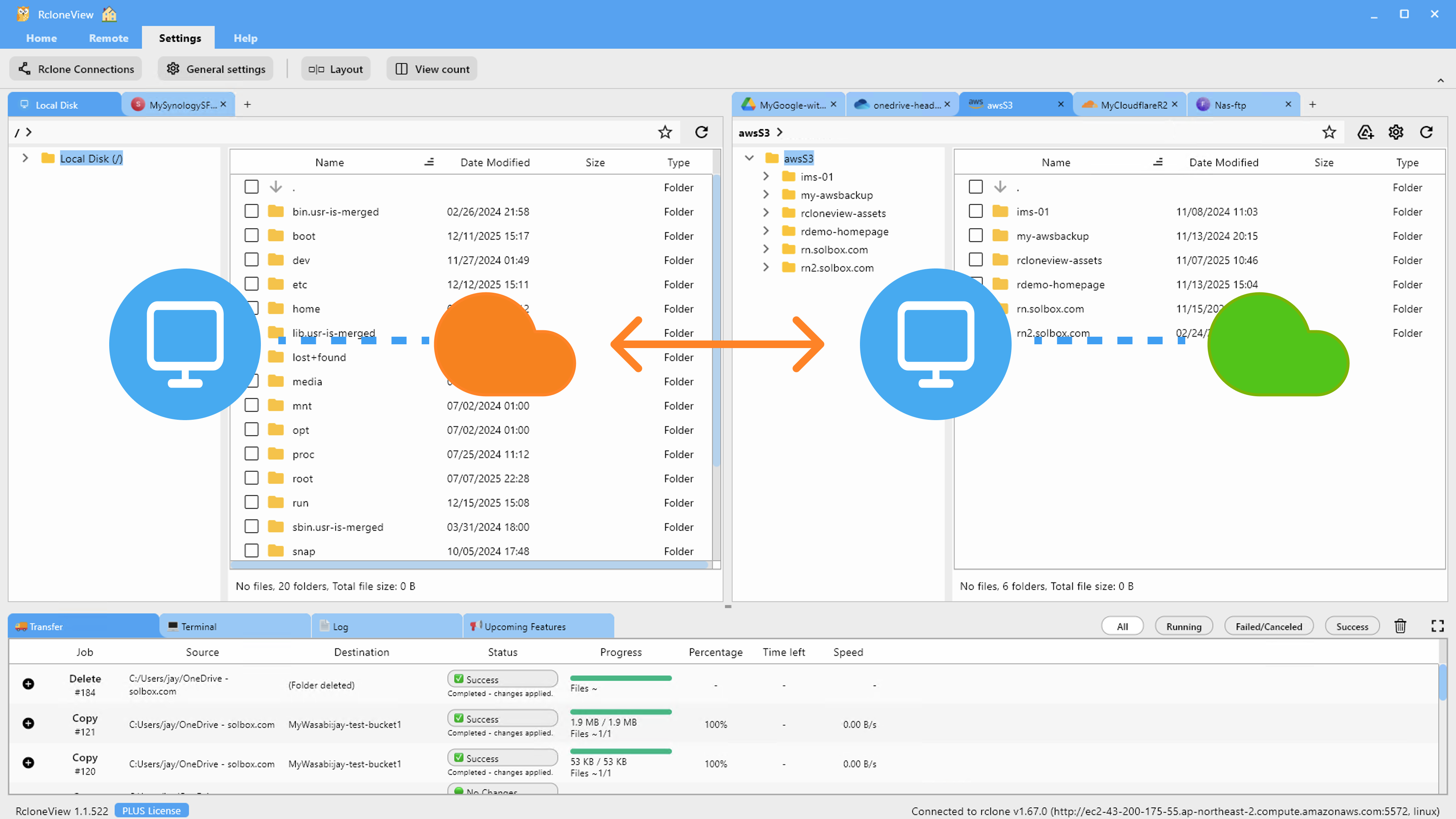
Open a two-panel Explorer layout: Google Drive on the left, DigitalOcean Spaces on the right. Browse both to confirm folder structures before running the migration.
Running the Migration
For a folder-level migration (e.g., migrating Google Drive:/Client Projects/ to do-spaces:projects-bucket/), use the Sync job wizard in Job Manager. Set source and destination, then configure in Step 2:
- Concurrent transfers: 8–12 for maximum throughput on a fast connection
- Checksum verification: enabled — Google Drive uses its own hash scheme; rclone handles the conversion
- Retries: 3 — handles transient Google API rate limits without failing the entire job
Run the Dry Run first. Google Drive often contains Google Docs, Sheets, and Slides files that cannot be directly copied to Spaces (they exist only in Google's format, not as downloadable files). The Dry Run will show you these items, and you can decide whether to export them first or exclude them with a filter rule.
Handling Google Workspace Files
Native Google Workspace files (Docs, Sheets, Slides) don't have a direct file format — they must be exported. Rclone can export them automatically as PDF or Office formats during the transfer. In RcloneView's sync job, Google Docs are skipped by default unless you configure the export format. Use the Terminal tab to run rclone copy --drive-export-formats docx,xlsx,pptx for a one-time export pass, or add custom flags in Settings → Global Rclone Flags.
Regular files (PDFs, images, videos, code) transfer without any special handling and land in Spaces with their original format and filename intact.
Getting Started
- Download RcloneView from rcloneview.com.
- Add Google Drive (OAuth) and DigitalOcean Spaces (S3 credentials) as remotes.
- Create a Sync job in Job Manager, run the Dry Run, review Google Workspace file handling.
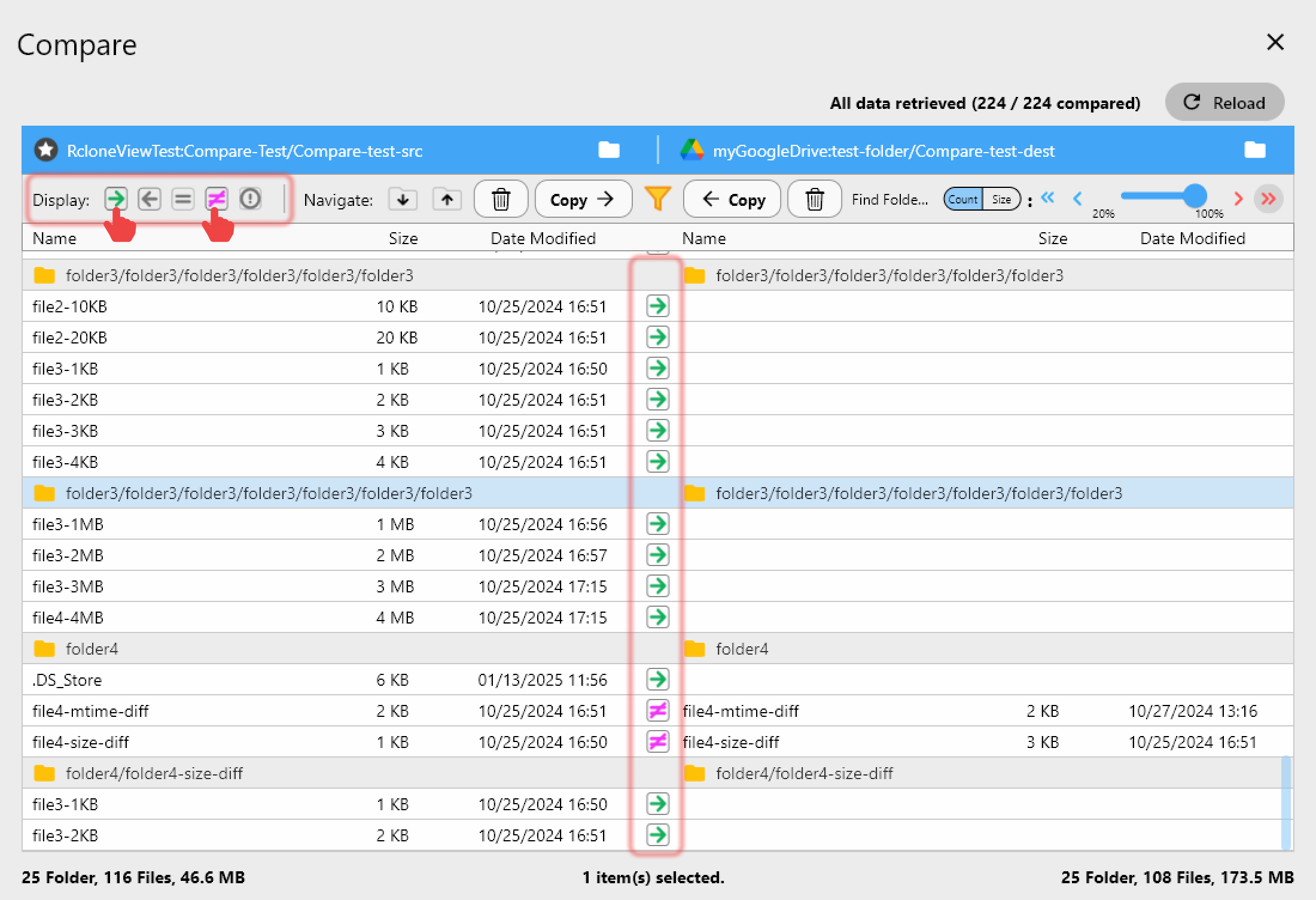
- Execute the migration and use Folder Compare to verify completion.
Migrating from Google Drive to DigitalOcean Spaces with RcloneView is a structured, verifiable process — with job history and transfer logs providing a clear record of what moved and when.
Related Guides:
- Manage DigitalOcean Spaces Cloud Sync and Backup with RcloneView
- Migrate Google Drive to AWS S3 with RcloneView
- Checksum-Verified Cloud Migrations with RcloneView
Supported Cloud Providers