Manage Dropbox for Business Storage — Sync and Backup Files with RcloneView

Connect a Dropbox for Business team account to RcloneView and browse, sync, and back up shared team folders alongside every other cloud you manage.
Dropbox for Business accounts organize files differently than a personal Dropbox: team folders, admin-managed spaces, and shared workspaces sit behind a business login. RcloneView connects to these team accounts directly, giving IT admins and team leads a single window to browse, transfer, and back up business content without switching between the Dropbox web app and a separate desktop client.
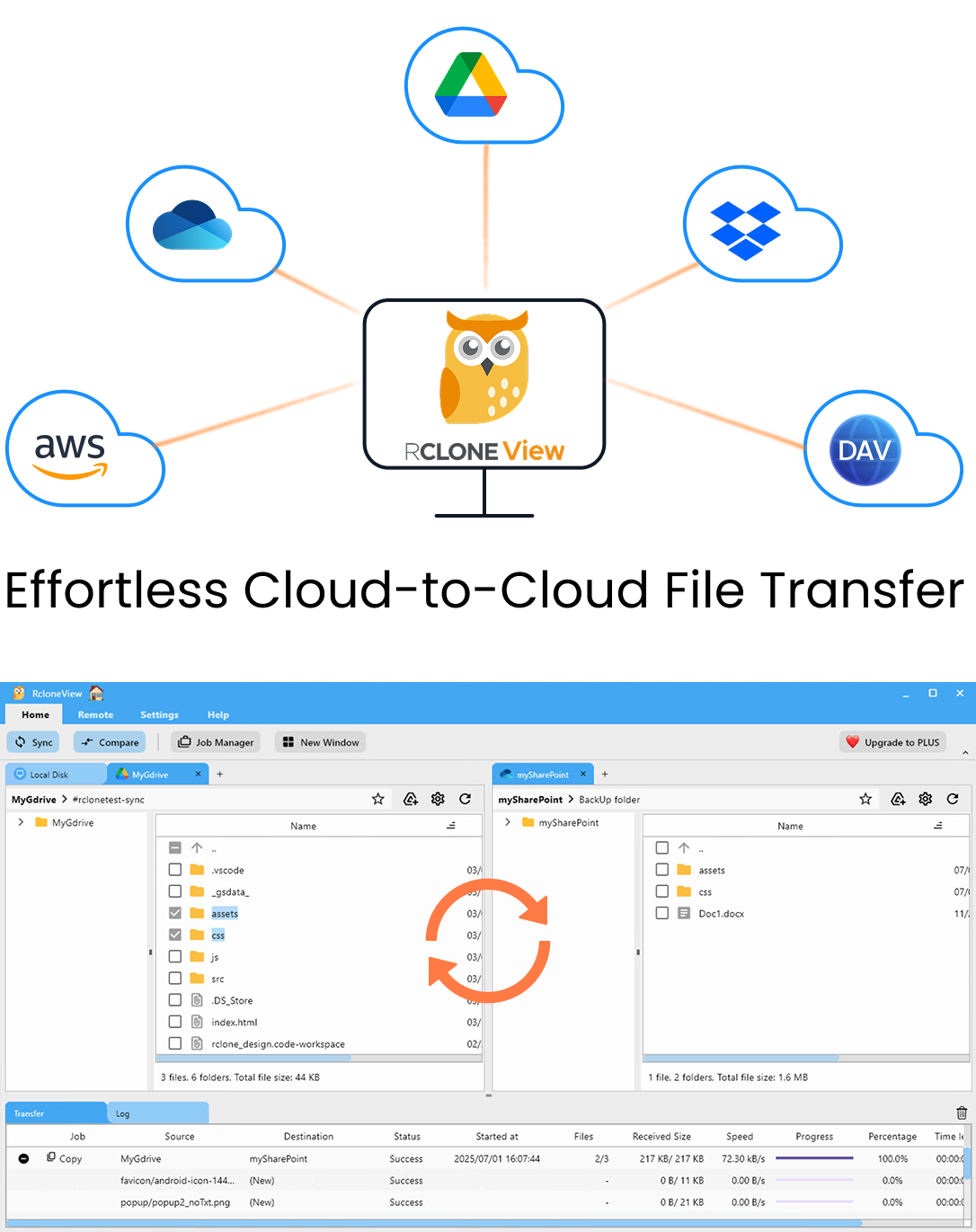
Manage & Sync All Clouds in One Place
RcloneView is a cross-platform GUI for rclone. Compare folders, transfer or sync files, and automate multi-cloud workflows with a clean, visual interface.
- One-click jobs: Copy · Sync · Compare
- Schedulers & history for reliable automation
- Works with Google Drive, OneDrive, Dropbox, S3, WebDAV, SFTP and more
Free core features. Plus automations available.
Setting Up a Dropbox for Business Remote
Adding a Dropbox for Business account in RcloneView starts the same way as a personal Dropbox connection: click New Remote, select Dropbox, and complete the OAuth login in your browser. The distinction is a single additional setting — enabling dropbox_business = true on the remote — which tells the connection to authenticate against the team account rather than an individual one. Once configured, the business account's team folders appear in the Explorer panel just like any other remote.
Because RcloneView mounts AND syncs 90+ providers from one window, on Windows, macOS, and Linux, an admin managing both a Dropbox for Business tenant and other departmental clouds can keep everything in the same session instead of juggling separate applications per provider.
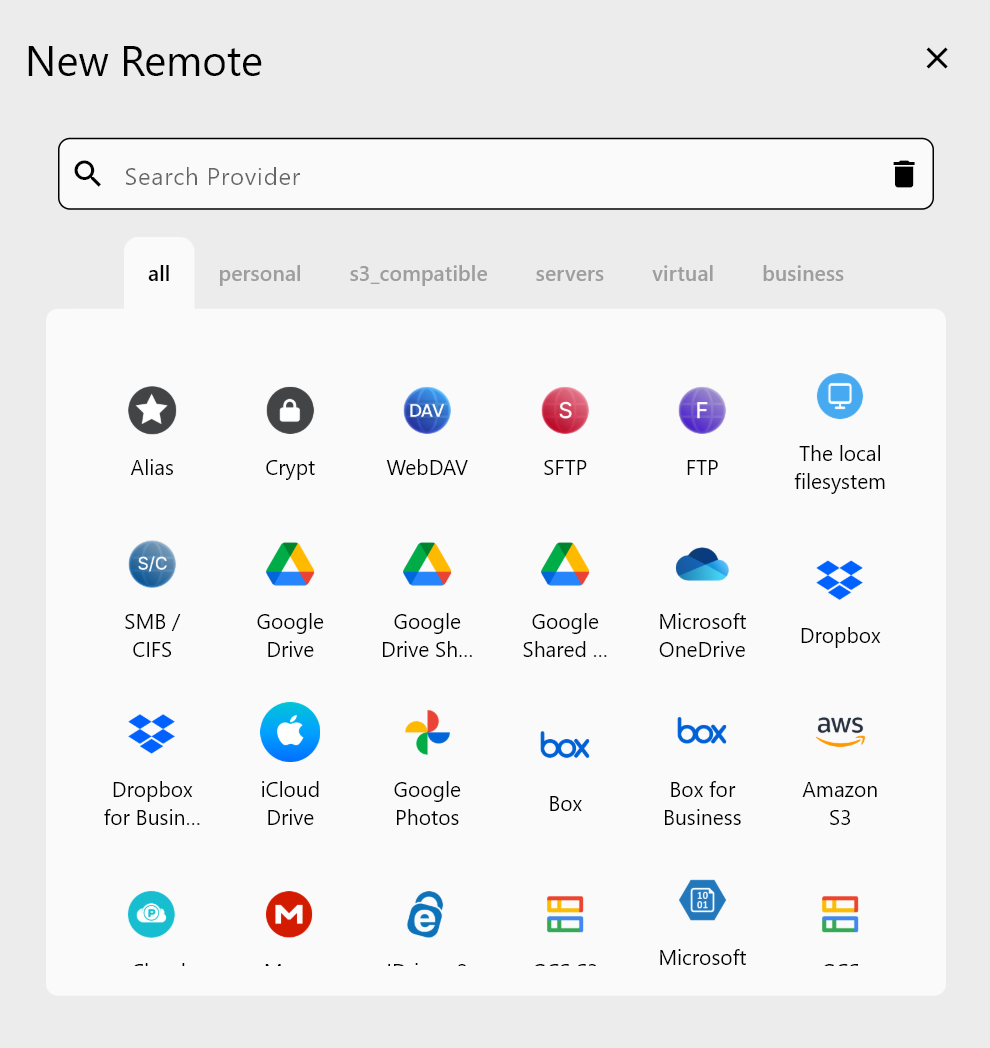
Browsing Team Folders and Shared Spaces
Once connected, the File Explorer panel displays the Dropbox for Business folder structure with the same Name, Type, Modified date, and Size columns used for every other remote. Team folders that span multiple departments are easy to navigate through the collapsible folder tree, and the breadcrumb path bar's Copy Full Path option outputs the remote:path format needed for scripting or handing off to the built-in rclone Terminal.
Multi-selection with Ctrl+Click or Shift+Click makes it straightforward to pull specific project folders out of a large team space rather than working with the entire account at once.
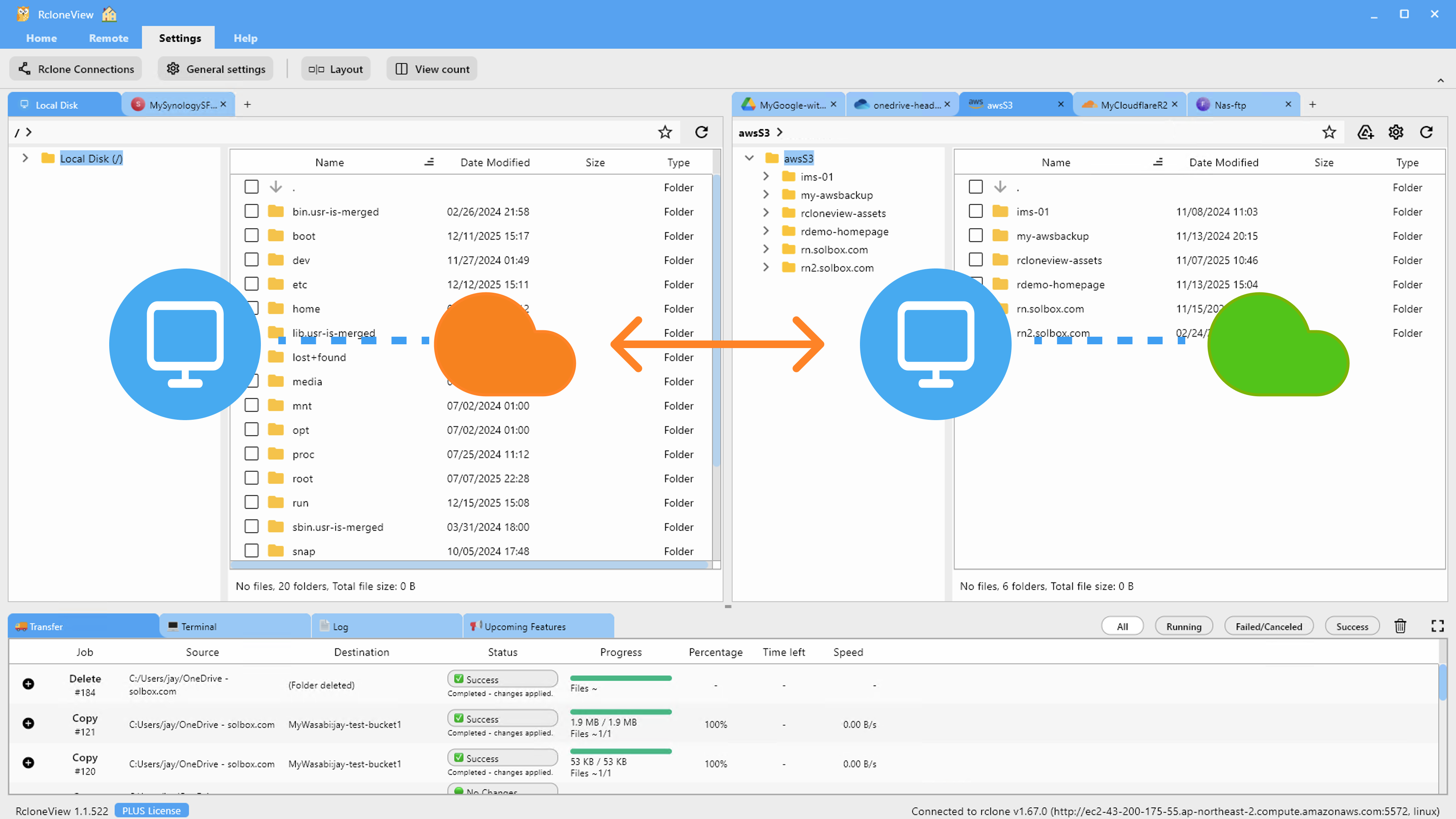
Backing Up Business Data to a Second Cloud
Relying on a single provider for business-critical files is risky, so many teams mirror their Dropbox for Business content to Amazon S3, Backblaze B2, or another cloud as a secondary copy. RcloneView's 4-step Sync wizard handles this directly: select the Dropbox for Business remote as the source, choose a destination remote, and pick one-way sync so the backup destination always reflects the source without overwriting anything upstream. Filtering settings let you exclude large media files or restrict the backup to folders under a certain age, keeping the job focused on what actually needs protecting.
Running a Dry Run before the first sync shows exactly which files will be copied, which is useful for verifying scope before moving a full team account's worth of data.
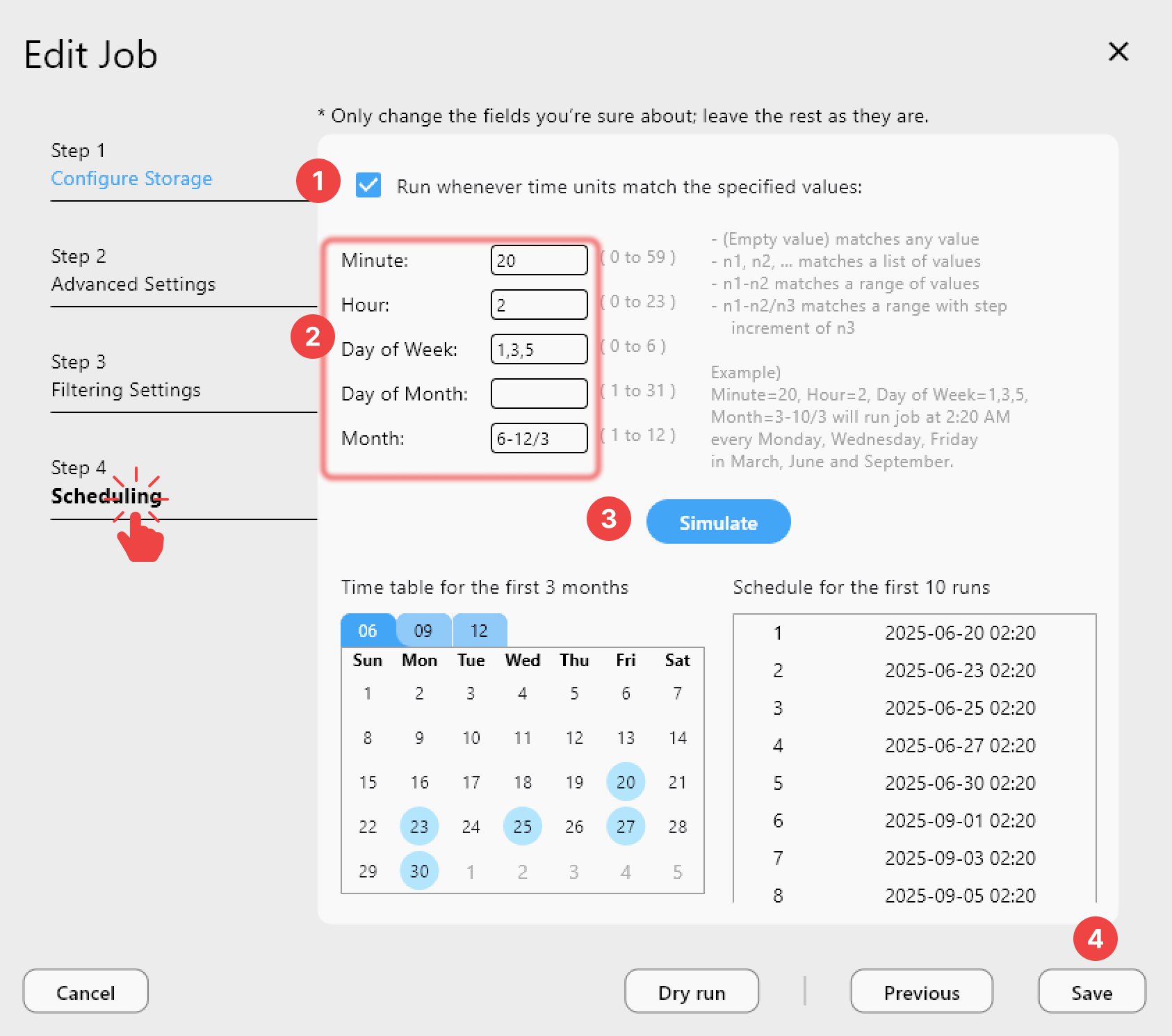
Automating Recurring Backups
PLUS license users can attach a crontab-style schedule to the Dropbox for Business backup job, so it runs nightly or weekly without manual intervention. Job History then records execution type, duration, status, and total size transferred for every scheduled run, giving admins an audit trail they can review without digging through Dropbox's own activity log.
Getting Started
- Download RcloneView from rcloneview.com.
- Add a new Dropbox remote and enable the
dropbox_businesssetting during configuration. - Browse team folders in the Explorer panel and confirm access to the shared spaces you need.
- Create a Sync job to mirror business data to a secondary cloud, and schedule it if you're on the PLUS license.
A properly configured Dropbox for Business remote turns RcloneView into a practical safety net for team data that too often lives in only one place.
Related Guides:
- Manage Dropbox Storage — Sync and Backup Files with RcloneView
- Migrate Dropbox Business to Google Workspace — Transfer Files with RcloneView
- Backup Dropbox to AWS S3 — Cloud Backup with RcloneView
Supported Cloud Providers