Manage Files.com Storage — Sync and Backup Files with RcloneView
Files.com is a powerful enterprise file management platform, and RcloneView connects to it via SFTP or WebDAV so you can sync, backup, and manage your files through a clean desktop GUI.
Files.com provides enterprise-grade managed file transfer with compliance features, automation, and access controls that large organizations depend on. For teams that need to integrate Files.com into broader multi-cloud workflows — syncing content to cloud backups, moving files to other storage providers, or managing files in bulk — RcloneView offers a graphical interface that works on top of standard SFTP and WebDAV protocols. No separate rclone installation is needed; it is bundled inside RcloneView.
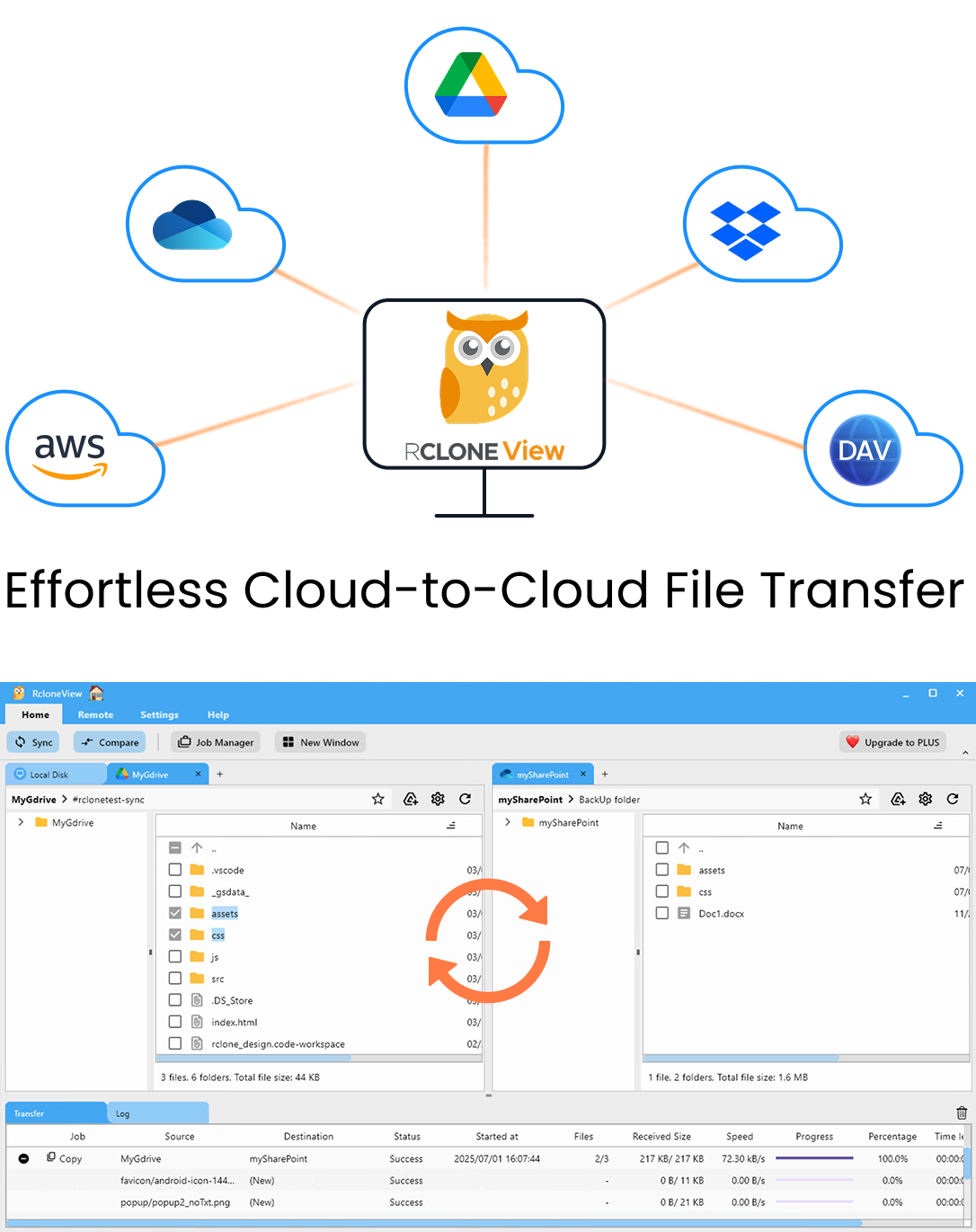
Manage & Sync All Clouds in One Place
RcloneView is a cross-platform GUI for rclone. Compare folders, transfer or sync files, and automate multi-cloud workflows with a clean, visual interface.
- One-click jobs: Copy · Sync · Compare
- Schedulers & history for reliable automation
- Works with Google Drive, OneDrive, Dropbox, S3, WebDAV, SFTP and more
Free core features. Plus automations available.
Connecting Files.com via SFTP
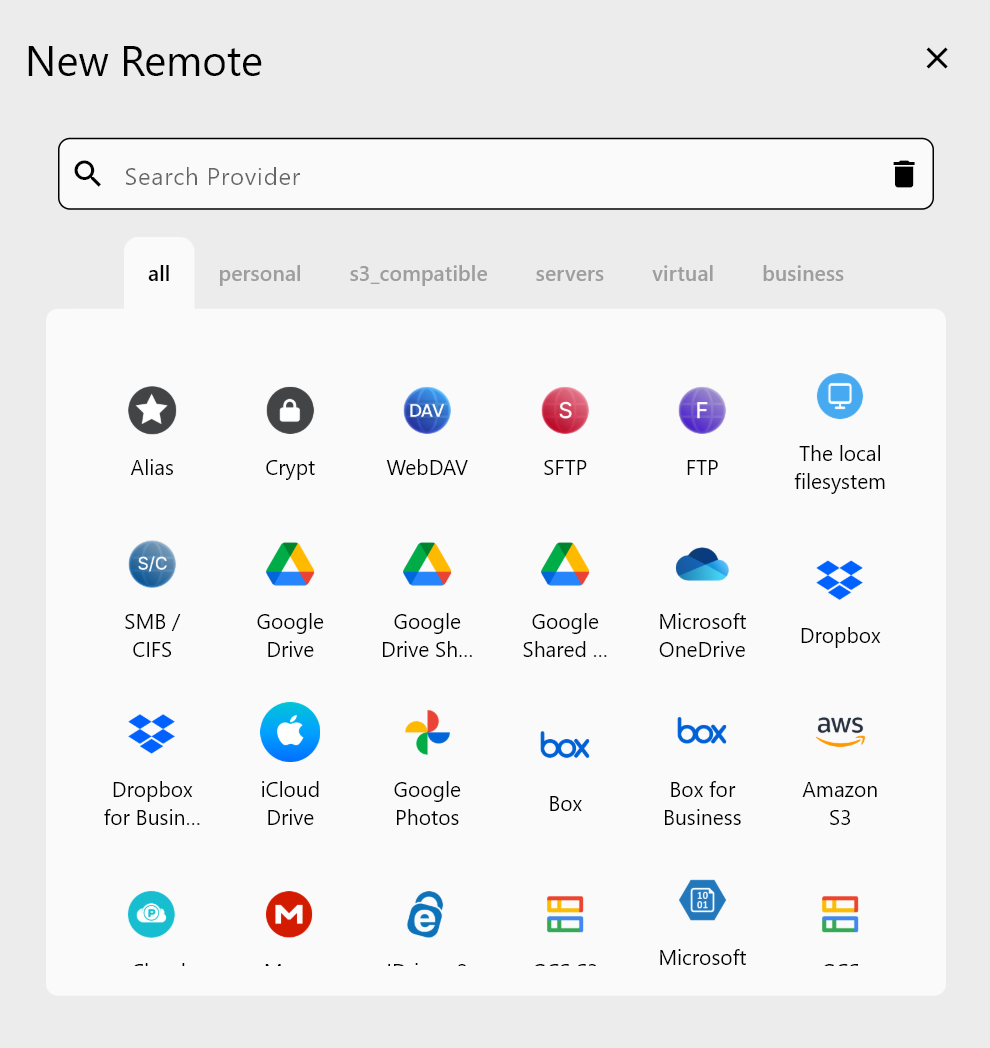
SFTP is the most reliable way to connect RcloneView to Files.com. In RcloneView, click New Remote and select SFTP. Enter your Files.com hostname (typically <your-subdomain>.files.com), your username, and either your password or an SSH key. Files.com supports both authentication methods — SSH key authentication is preferred for automated workflows as it avoids storing passwords.
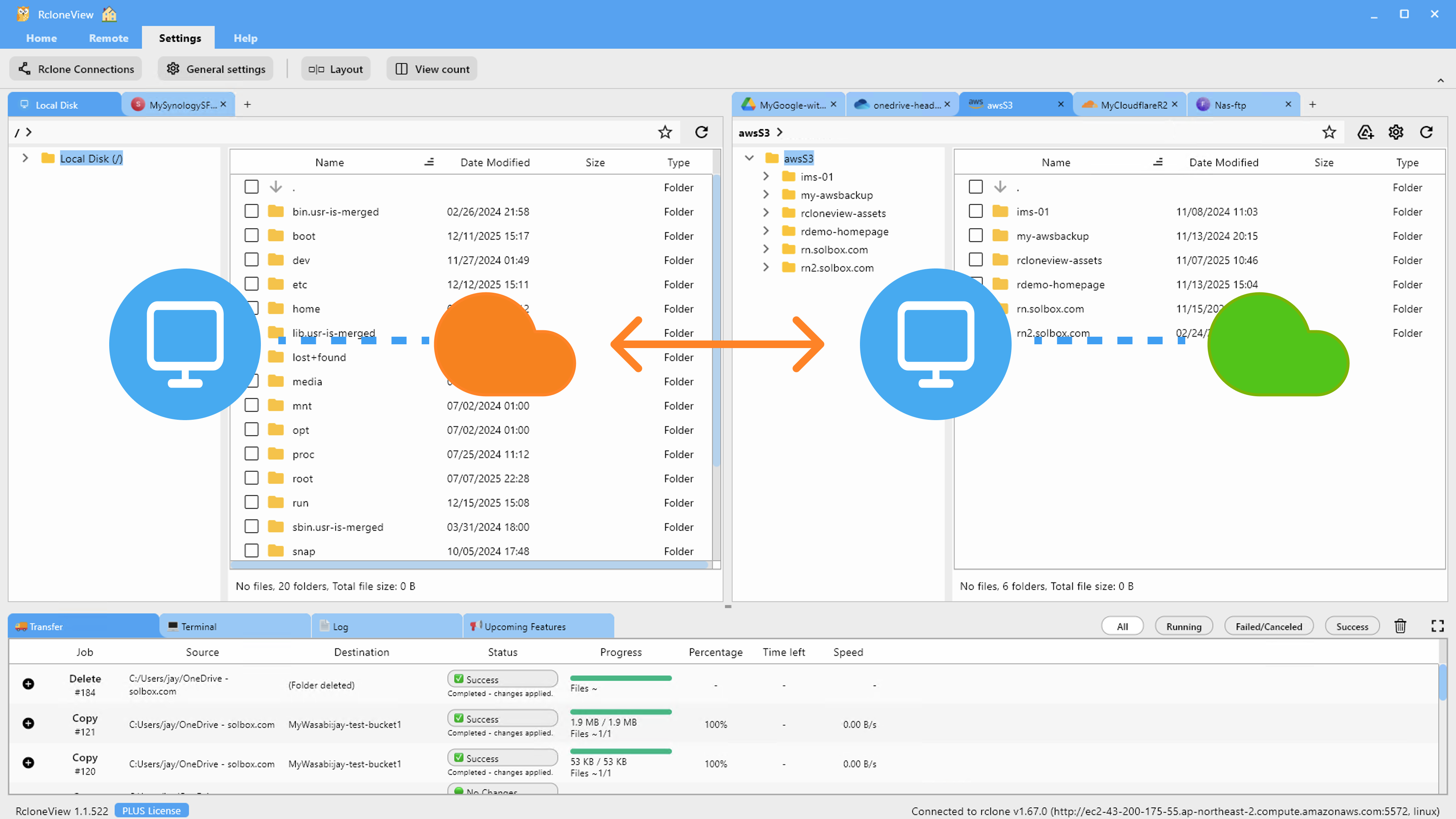
After saving, the Files.com SFTP remote appears in the dual-pane explorer. Navigate your Files.com folder structure, upload and download files with drag and drop, and manage your enterprise file shares directly from the RcloneView interface. Live transfer progress is shown for all operations.
Connecting via WebDAV
Files.com also supports WebDAV, which is an alternative if SFTP is blocked by a firewall or if you prefer HTTP-based access. In RcloneView, click New Remote > WebDAV and enter the Files.com WebDAV URL, your username, and password. Files.com's WebDAV endpoint is typically available at https://<subdomain>.files.com/dav/.
WebDAV works well for general file browsing and moderate-volume transfers. For high-throughput bulk operations — such as syncing thousands of files in a backup job — SFTP generally offers better performance and more reliable large file handling.
Running Sync and Backup Jobs
With Files.com connected, you can create sync jobs using the Job Wizard. Set a Files.com folder as the source and a cloud backup target (such as Amazon S3, Backblaze B2, or Google Drive) as the destination. This is a common pattern for enterprise backup: Files.com serves as the active file management platform, and a cloud object store holds archival copies.
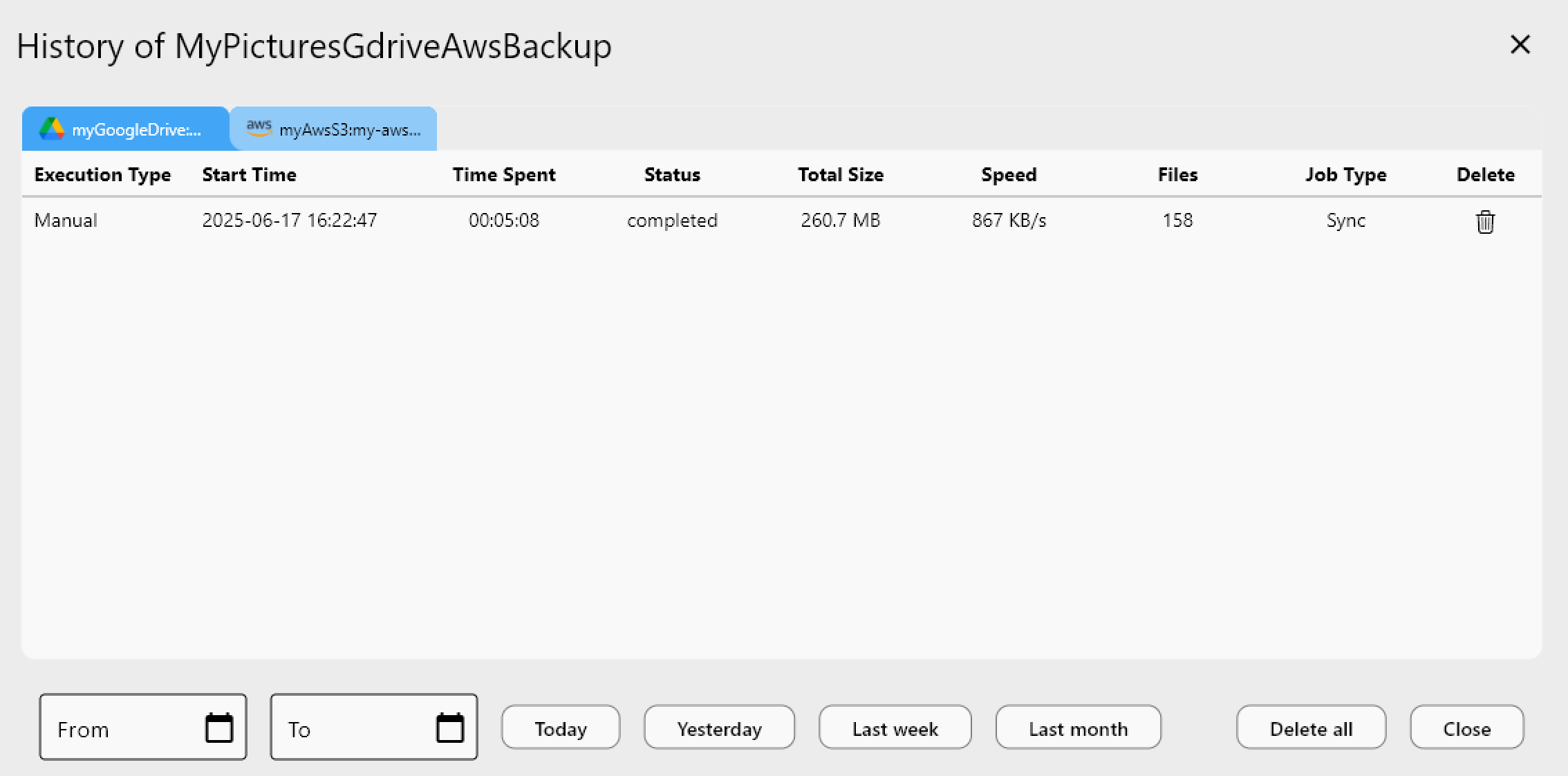
Run a dry run before executing any sync job to verify that the correct files are in scope. For compliance-sensitive files, RcloneView's Job History provides a full audit trail of every transfer. PLUS license users can schedule these backup jobs to run automatically — for example, nightly — ensuring that Files.com data is continuously backed up without manual intervention.
Getting Started
- Download RcloneView from rcloneview.com.
- Click New Remote > SFTP and enter your Files.com hostname, username, and SSH key or password.
- Browse your Files.com folder structure in the dual-pane explorer.
- Use the Job Wizard to create a backup sync job from Files.com to your cloud storage of choice.
- Schedule recurring backups with a PLUS license for automated data protection.
RcloneView bridges Files.com's enterprise file management capabilities with the broader cloud storage ecosystem, giving you a single graphical tool for all your file operations.
Related Guides:
- Manage Seafile — Cloud Sync and Backup with RcloneView
- Manage Citrix ShareFile — Cloud Sync and Backup with RcloneView
- Fix SFTP Connection Refused and Timeout Errors with RcloneView
Supported Cloud Providers