Manage Seafile Storage — Sync and Backup Files with RcloneView
RcloneView connects to your Seafile server and lets you manage, sync, and back up libraries from a visual GUI — perfect for teams running self-hosted infrastructure.
Seafile is a popular self-hosted file sync and share platform used by universities, research labs, and privacy-conscious organizations. Its library-based storage model and strong encryption make it a go-to choice for teams that need full control over their data. With RcloneView, you can connect your Seafile server and manage it alongside public cloud providers — creating a unified interface for your entire storage ecosystem.
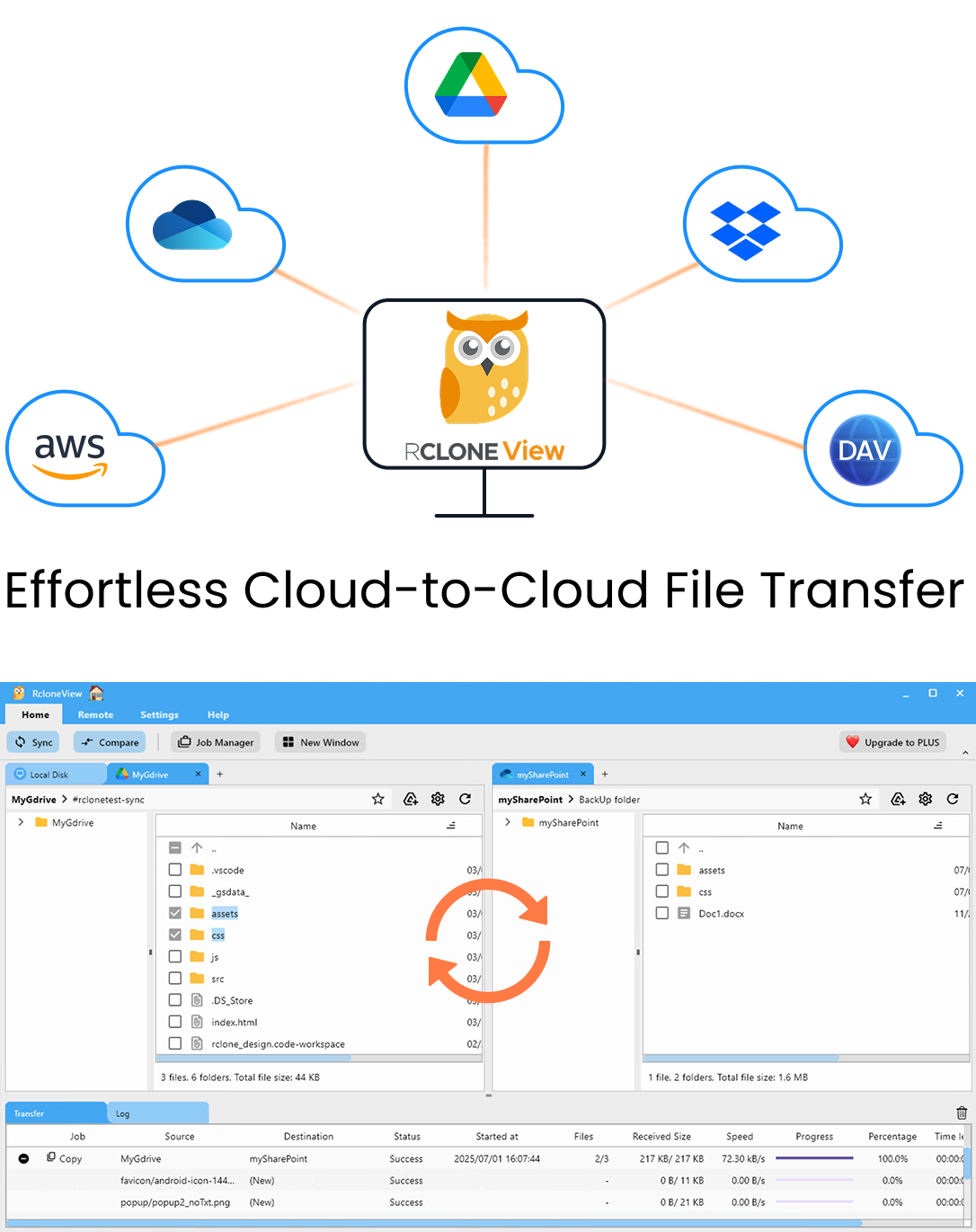
Manage & Sync All Clouds in One Place
RcloneView is a cross-platform GUI for rclone. Compare folders, transfer or sync files, and automate multi-cloud workflows with a clean, visual interface.
- One-click jobs: Copy · Sync · Compare
- Schedulers & history for reliable automation
- Works with Google Drive, OneDrive, Dropbox, S3, WebDAV, SFTP and more
Free core features. Plus automations available.
Connect Seafile to RcloneView
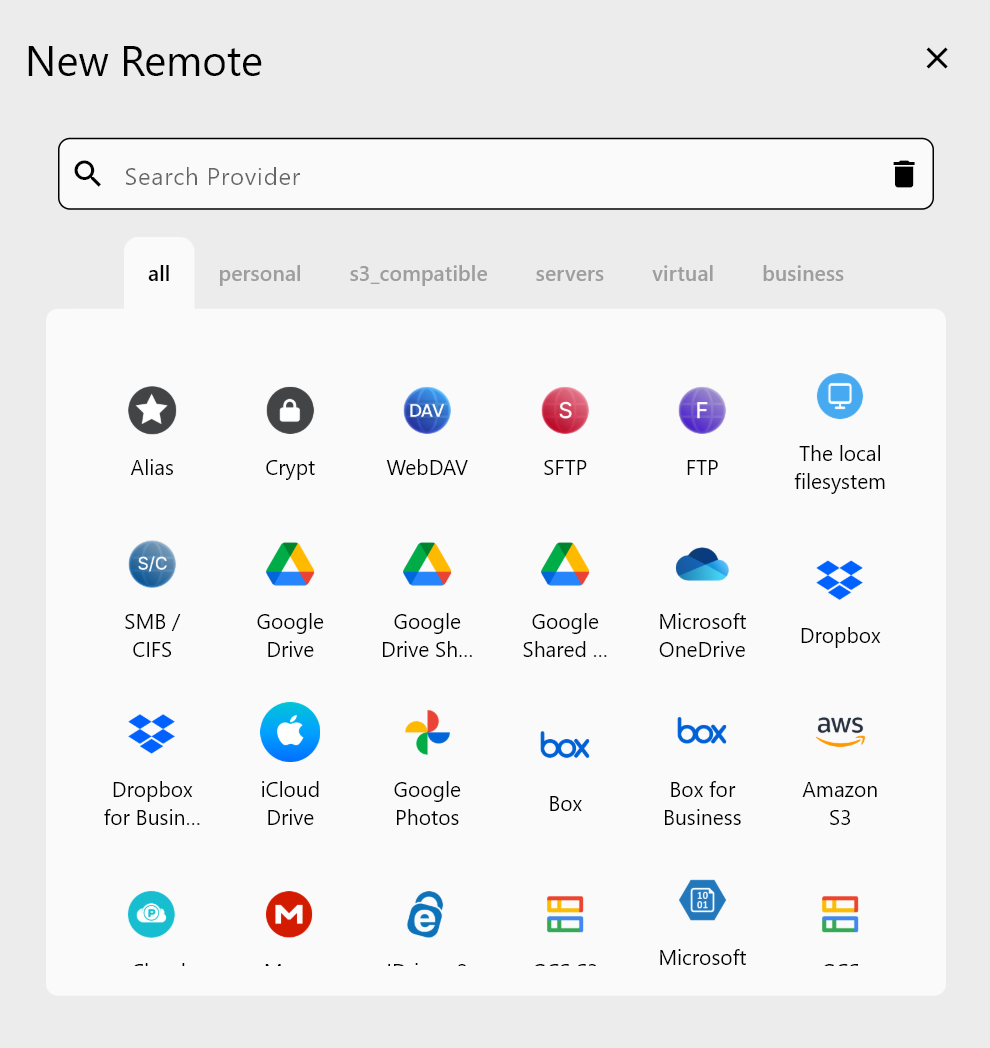
Adding a Seafile remote in RcloneView requires your Seafile server URL, username, and password. In RcloneView, go to Remote tab > New Remote, select Seafile from the provider list, and enter your server address (e.g., https://seafile.yourdomain.com) along with your login credentials. RcloneView stores these securely using encrypted local storage.
If your Seafile server uses two-factor authentication, rclone supports 2FA token entry during the connection setup. Once authenticated, all Seafile libraries you have access to appear in the file explorer, including shared libraries from other users.
Backup Seafile Libraries to Public Cloud
A common pattern for Seafile administrators is maintaining a cloud backup of critical libraries. RcloneView makes this straightforward: configure a sync job with your Seafile library as the source and Amazon S3, Backblaze B2, or another object storage provider as the destination. For a research team with 500GB of experimental data in Seafile, a nightly sync job to S3 creates a low-cost archive copy.
Enable the checksum option to verify transferred files against source hashes, giving additional confidence that your backup is complete and uncorrupted.
Live Transfer Monitoring
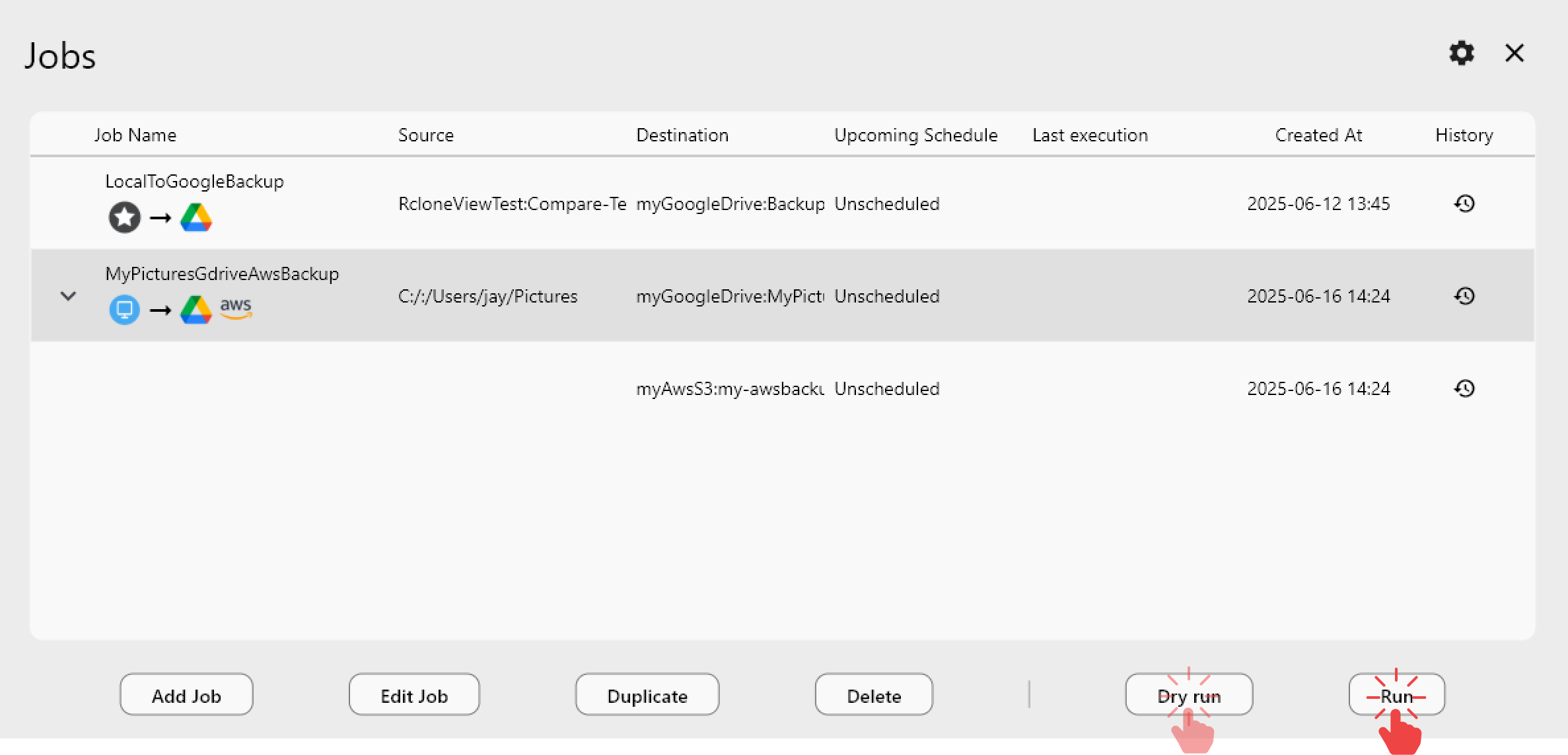
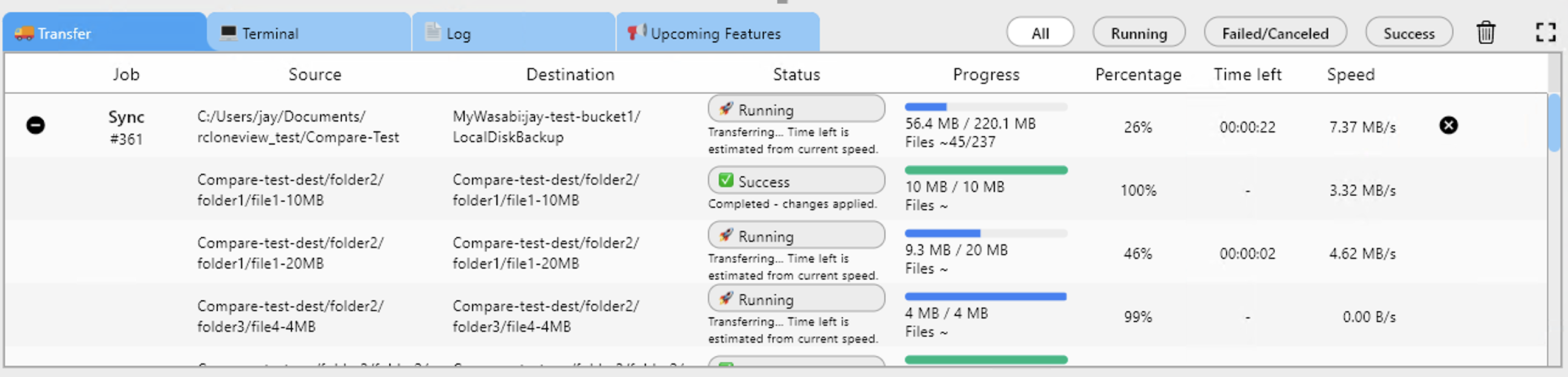
RcloneView's Transfer tab shows live progress for Seafile sync jobs: file name, transfer speed, percentage complete, and total bytes moved. When syncing large Seafile libraries with thousands of files, this visibility helps you estimate completion times and spot any files that stall or fail.
After a job completes, the Job History view shows a summary: total size transferred, duration, files copied, and any errors — providing a clear audit trail for administrators responsible for data backup compliance.
Schedule Automated Seafile Backups (PLUS)
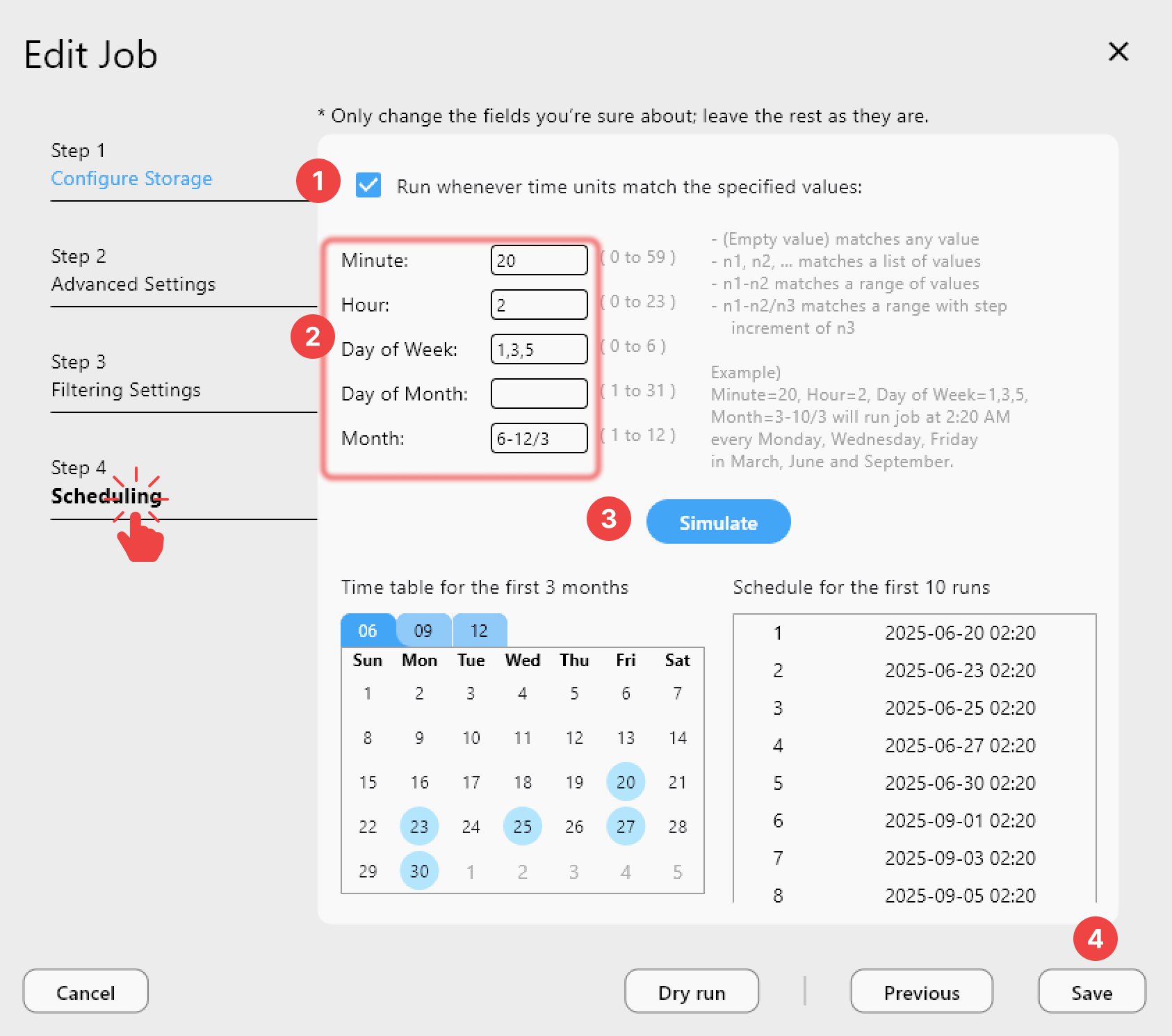
With a PLUS license, RcloneView's built-in scheduler automates Seafile backups on any cron schedule. Run incremental syncs nightly to capture new and modified files while skipping unchanged ones. Use the Max file age filter to back up only files modified in the last 24 hours, reducing job duration significantly for large libraries.
Getting Started
- Download RcloneView from rcloneview.com.
- Go to Remote tab > New Remote and select Seafile.
- Enter your Seafile server URL and login credentials.
- Browse libraries in the explorer and create backup sync jobs to your target cloud.
RcloneView turns your Seafile server into a fully manageable part of a multi-cloud strategy, backed by automated jobs and detailed history logs.
Related Guides:
- Backup Nextcloud and WebDAV Storage with RcloneView
- Sync Seafile to Amazon S3 with RcloneView
- Manage Google Drive Storage — Sync and Backup Files with RcloneView
Supported Cloud Providers