Manage iCloud Photos — Sync and Backup Files with RcloneView

Connect your iCloud Photos library in RcloneView and back it up to another cloud without exporting albums by hand.
Apple's Photos ecosystem keeps years of images and videos locked inside iCloud, and getting a second copy elsewhere usually means exporting albums one at a time through the Photos app. RcloneView connects to iCloud Photos as its own dedicated remote — a separate package from iCloud Drive — so you can browse the library directly and copy it to Google Drive, Amazon S3, or a local backup drive without the manual export step. Connect S3, Azure File Storage, or Backblaze B2 with full read/write on the FREE license, so the destination side of a photo backup costs nothing extra to set up.
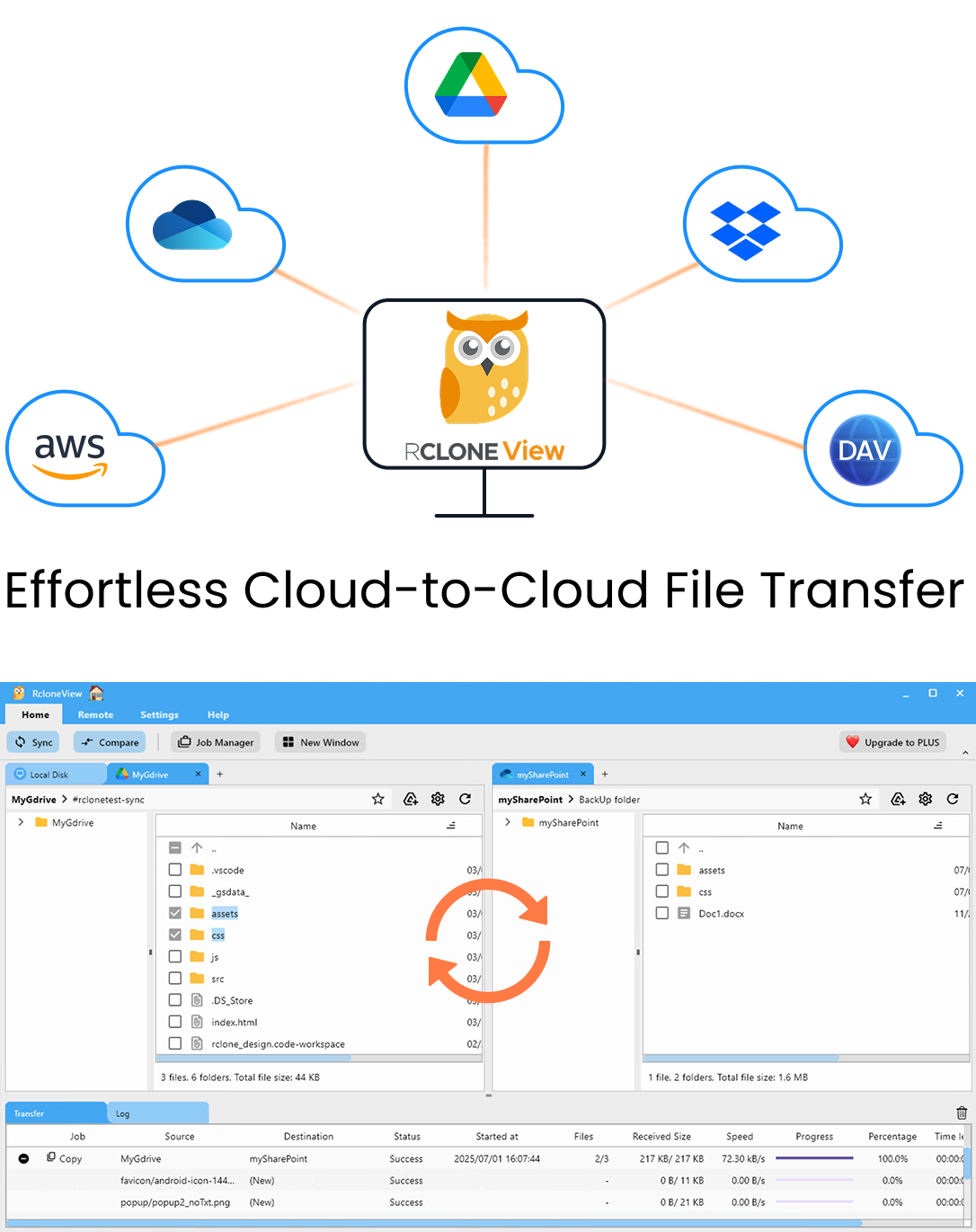
Manage & Sync All Clouds in One Place
RcloneView is a cross-platform GUI for rclone. Compare folders, transfer or sync files, and automate multi-cloud workflows with a clean, visual interface.
- One-click jobs: Copy · Sync · Compare
- Schedulers & history for reliable automation
- Works with Google Drive, OneDrive, Dropbox, S3, WebDAV, SFTP and more
Free core features. Plus automations available.
Connecting iCloud Photos as a Remote
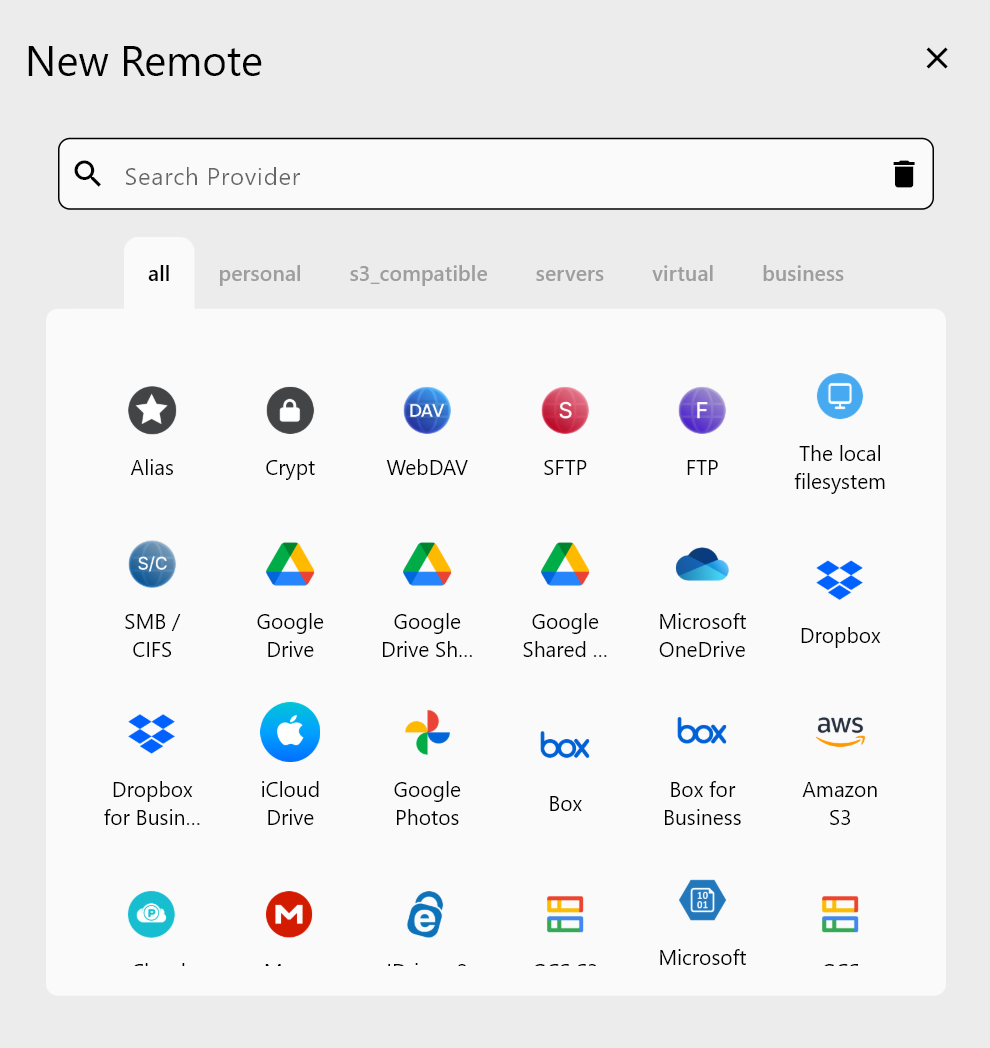
iCloud Photos is added through Remote tab > New Remote in RcloneView, and it's set up as its own dedicated remote type, separate from iCloud Drive — the two behave as separate remotes even though both come from the same Apple account. Once authenticated, the library appears in the Explorer panel just like any other cloud storage, with folders, thumbnails, and file metadata you can browse and select from.
Because the library can run into the tens of thousands of files for a long-time iCloud user, RcloneView's Thumbnail View is worth switching to before doing a bulk copy — it lets you scan through image previews to confirm you're pointed at the right album or date range before a transfer starts.
Backing Up to a Second Cloud
With iCloud Photos connected, set up a sync job through the 4-step wizard: pick iCloud Photos as source, choose a destination remote — Google Drive, an S3-compatible bucket, or a local external drive — and run a Dry Run first to preview exactly what will copy before anything actually transfers. For a photo library specifically, checksum comparison in Step 2 is useful since photo files rarely change size but you still want confidence the copy matches the original byte for byte.
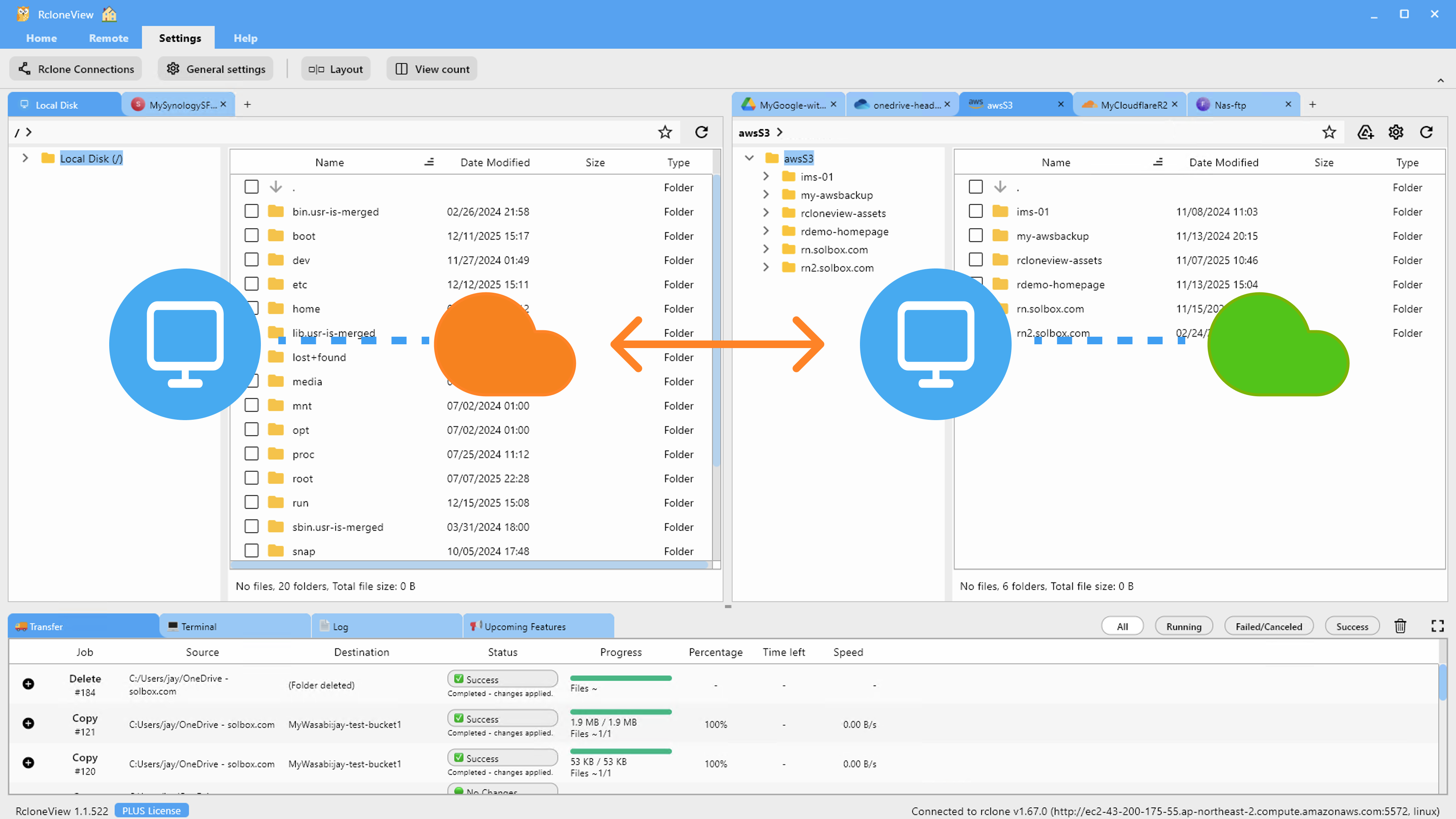
Filtering Settings in Step 3 also help scope large libraries — a max file age filter limits a backup job to recent additions only, which keeps repeat runs fast once the initial full copy is done.
Automating Recurring Backups
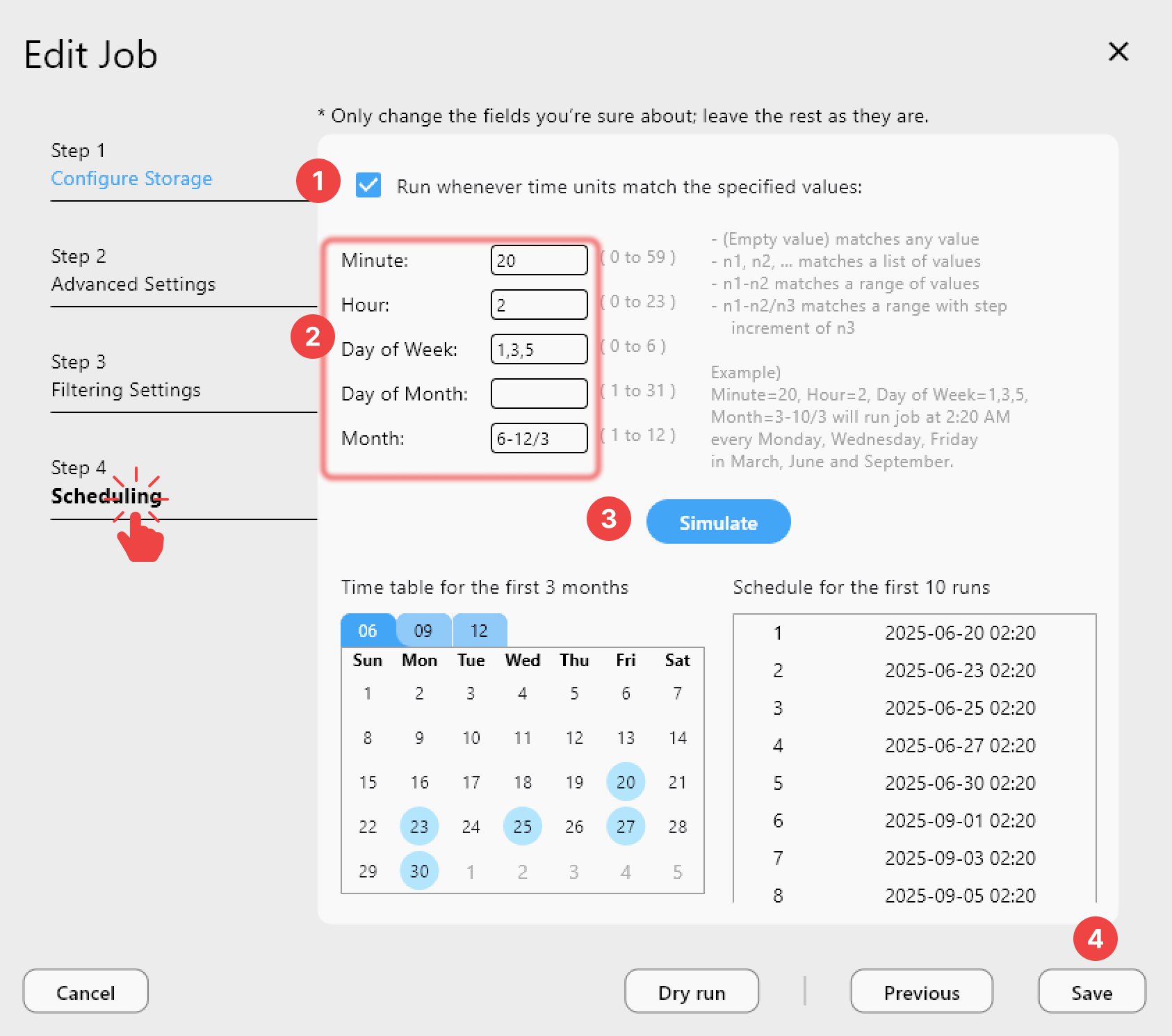
A one-time export doesn't protect photos taken next month, so most iCloud Photos users set up a recurring sync job instead of a manual one-off. On a PLUS license, attach a crontab-style schedule to the job so it runs automatically on whatever cadence fits — daily, weekly, or after a specific hour each night — and check Job History afterward to confirm the run completed and see how many files transferred.
Getting Started
- Download RcloneView from rcloneview.com.
- Add an iCloud Photos remote through Remote tab > New Remote.
- Configure a sync job to your chosen backup destination and run a Dry Run first.
- Schedule recurring backups so new photos stay protected automatically.
A second copy of your photo library outside Apple's ecosystem means one less single point of failure if an account gets locked or a device is lost.
Related Guides:
- iCloud Drive with RcloneView
- Manage iCloud Drive Cloud Sync with RcloneView
- Fix iCloud Drive Sync Errors with RcloneView
Supported Cloud Providers