Manage Mail.ru Cloud Storage — Sync and Backup Files with RcloneView
Connect Mail.ru Cloud to RcloneView and manage your files, run automated backups, and sync data across providers — all from a single desktop GUI.
Mail.ru Cloud offers generous free storage and is widely used across Russia and neighboring countries. Managing it efficiently can be challenging without the right tool. RcloneView bridges that gap, connecting to Mail.ru Cloud through rclone's proven Mail.ru backend and presenting your files in a familiar two-pane explorer. No command-line knowledge required.
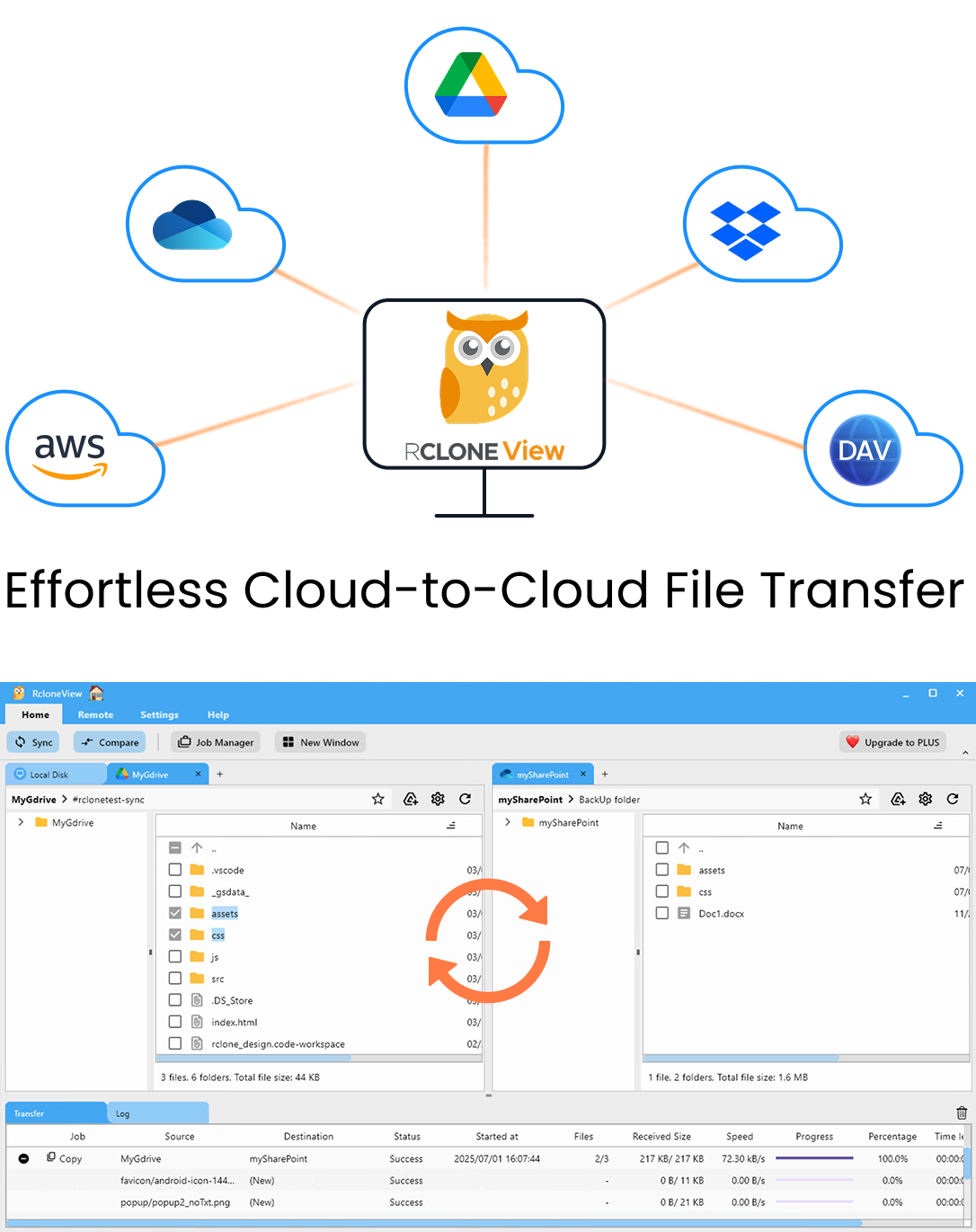
Manage & Sync All Clouds in One Place
RcloneView is a cross-platform GUI for rclone. Compare folders, transfer or sync files, and automate multi-cloud workflows with a clean, visual interface.
- One-click jobs: Copy · Sync · Compare
- Schedulers & history for reliable automation
- Works with Google Drive, OneDrive, Dropbox, S3, WebDAV, SFTP and more
Free core features. Plus automations available.
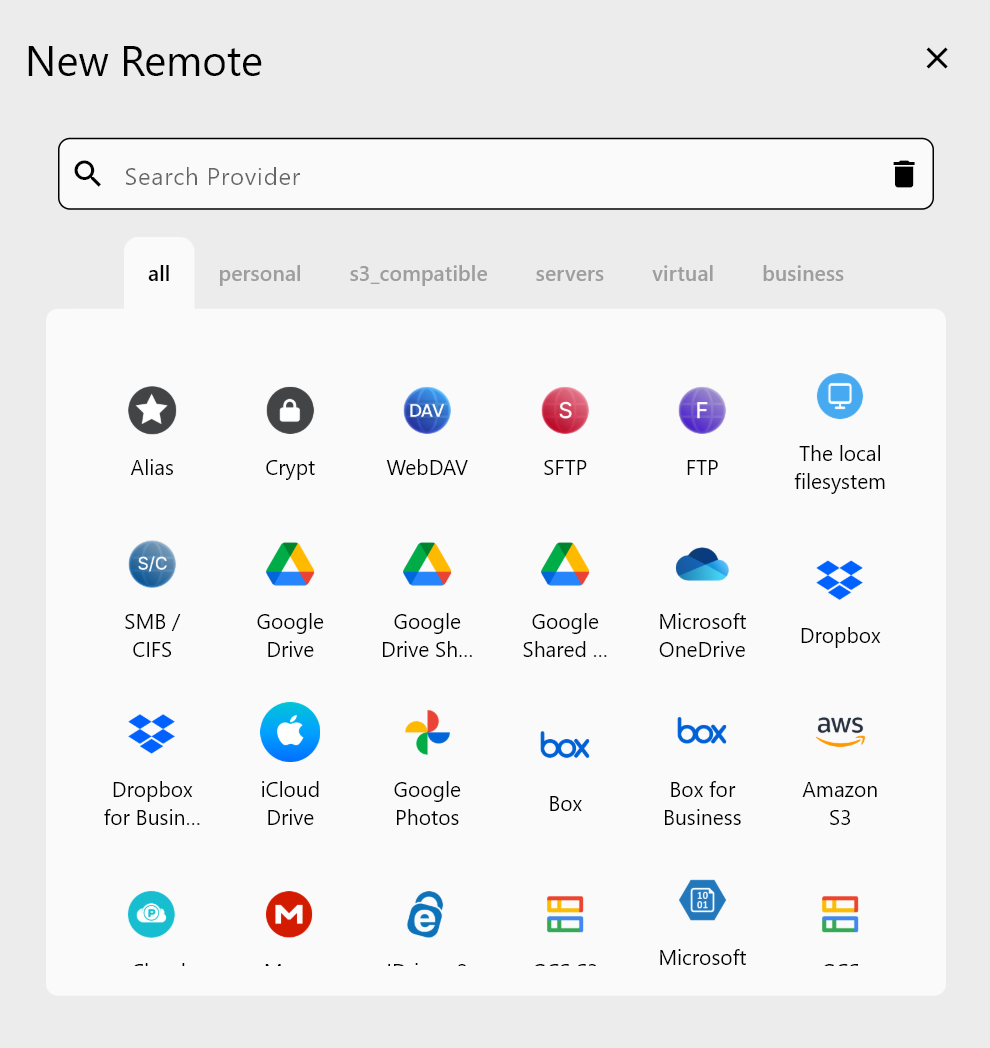
Adding Mail.ru Cloud as a Remote in RcloneView
Setting up Mail.ru in RcloneView takes under two minutes. Open the Remote tab in the menu bar and click New Remote. Scroll the provider list to find Mail.ru Cloud (or type "mail" in the search field), then enter your Mail.ru account credentials — username and password. RcloneView passes these to the embedded rclone instance, which handles authentication against the Mail.ru API.
Once saved, the remote appears in your explorer panels immediately. You can browse folders, preview thumbnails, check file metadata, and navigate the folder tree just like a local drive. The breadcrumb path bar gives you a clickable hierarchy so drilling deep into nested directories is fast.
Syncing Mail.ru Files to Another Cloud or Local Drive
One of RcloneView's strongest features is seamless cloud-to-cloud transfers. If you need to copy files from Mail.ru Cloud to Google Drive, Backblaze B2, or a local folder, open both locations side by side in the dual-pane explorer. Drag files from one panel to the other, or right-click and select Copy then Paste in the target panel.
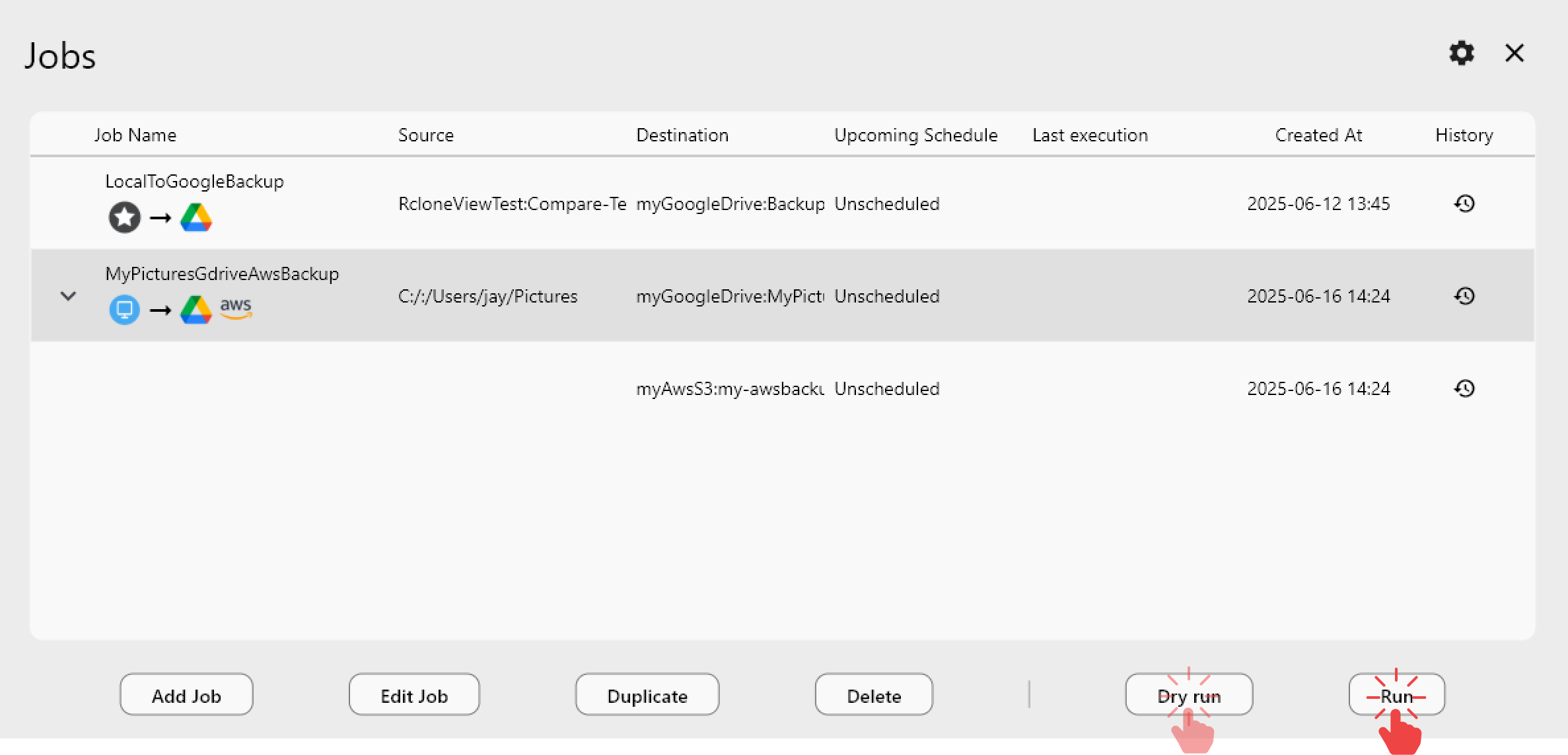
For recurring backups, use the built-in Job Manager. Define a Sync or Copy job with Mail.ru as the source and your preferred destination. Configure transfer concurrency and enable checksum verification to catch any corrupted files during transfer. With a PLUS license, you can schedule these jobs on a crontab-style timer so backups run automatically without any manual intervention.
Monitoring Transfers and Reviewing History
The Transferring tab at the bottom of the RcloneView window shows live progress for any active job — file count, bytes transferred, and current speed. You can cancel a running job at any time if you need to pause or adjust settings.
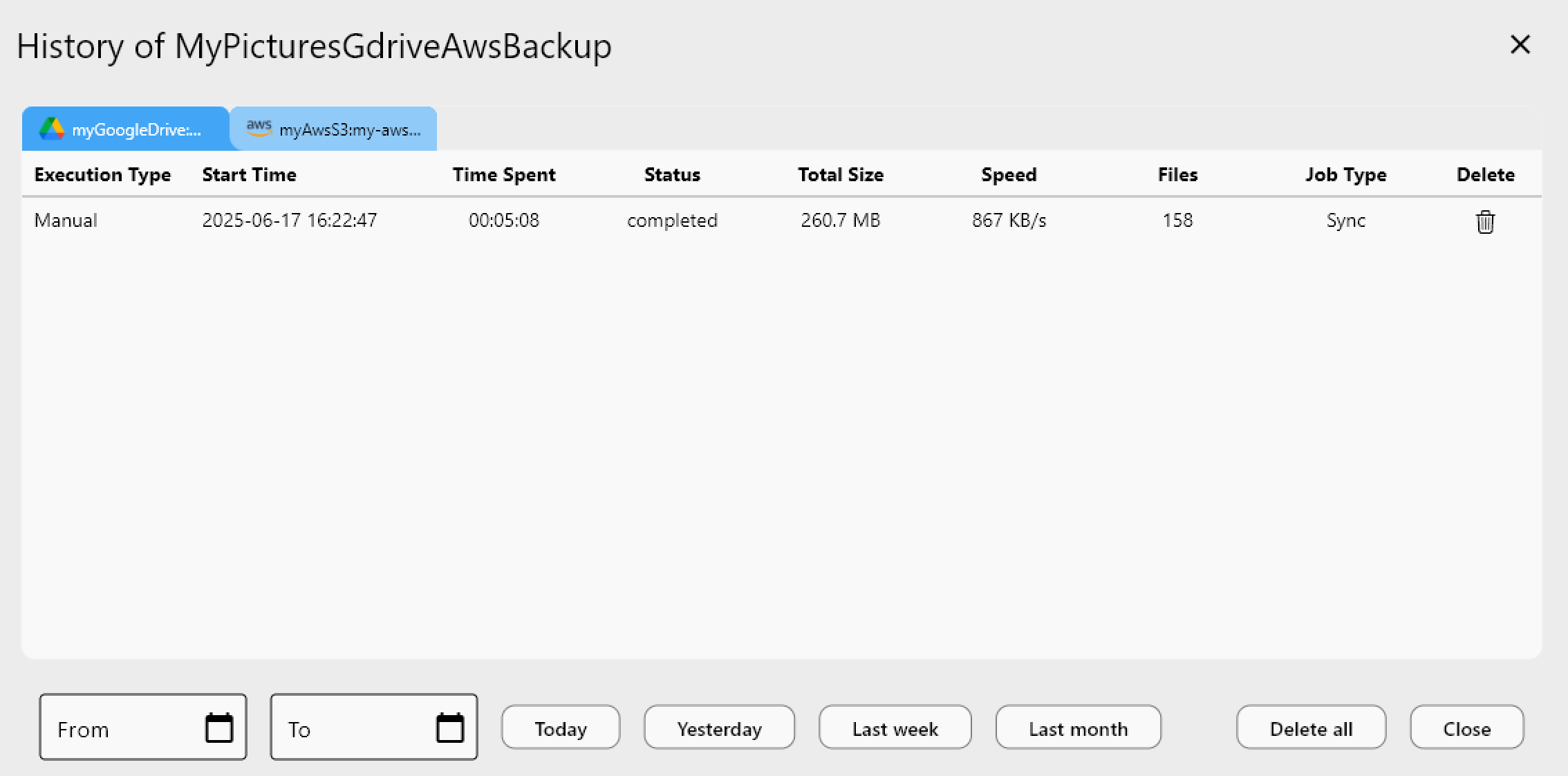
After each job completes, the Job History tab preserves a full record: start time, duration, total size transferred, and final status (Completed, Errored, or Canceled). For a photography business storing client deliverables on Mail.ru, this history provides a reliable audit trail and makes it easy to spot if a backup job failed overnight.
Getting Started
- Download RcloneView from rcloneview.com.
- Open Remote tab → New Remote, select Mail.ru Cloud, and enter your credentials.
- Browse your Mail.ru files in the explorer panel and drag items to any destination.
- Create a Sync job in the Job Manager for automated recurring backups.
With RcloneView, Mail.ru Cloud slots neatly into your multi-cloud workflow — no terminal required.
Related Guides:
- Manage Yandex Disk Cloud Storage with RcloneView
- Transfer Mail.ru Cloud to Google Drive and S3
- Manage Multiple Cloud Accounts with RcloneView
Supported Cloud Providers