Migrate Box to AWS S3 — Transfer Files with RcloneView
Moving your organization's content from Box to AWS S3 unlocks programmable storage at scale — and RcloneView handles the heavy lifting.
Box excels at enterprise content management with its metadata, workflows, and governance features. But when your architecture shifts toward AWS-native services — Lambda functions processing uploads, Athena querying data lakes, or CloudFront serving assets — storing files in S3 eliminates the middleware needed to bridge Box with your AWS stack. RcloneView migrates files from Box to S3 buckets through a visual interface, preserving folder structures and verifying every transfer.
Manage & Sync All Clouds in One Place
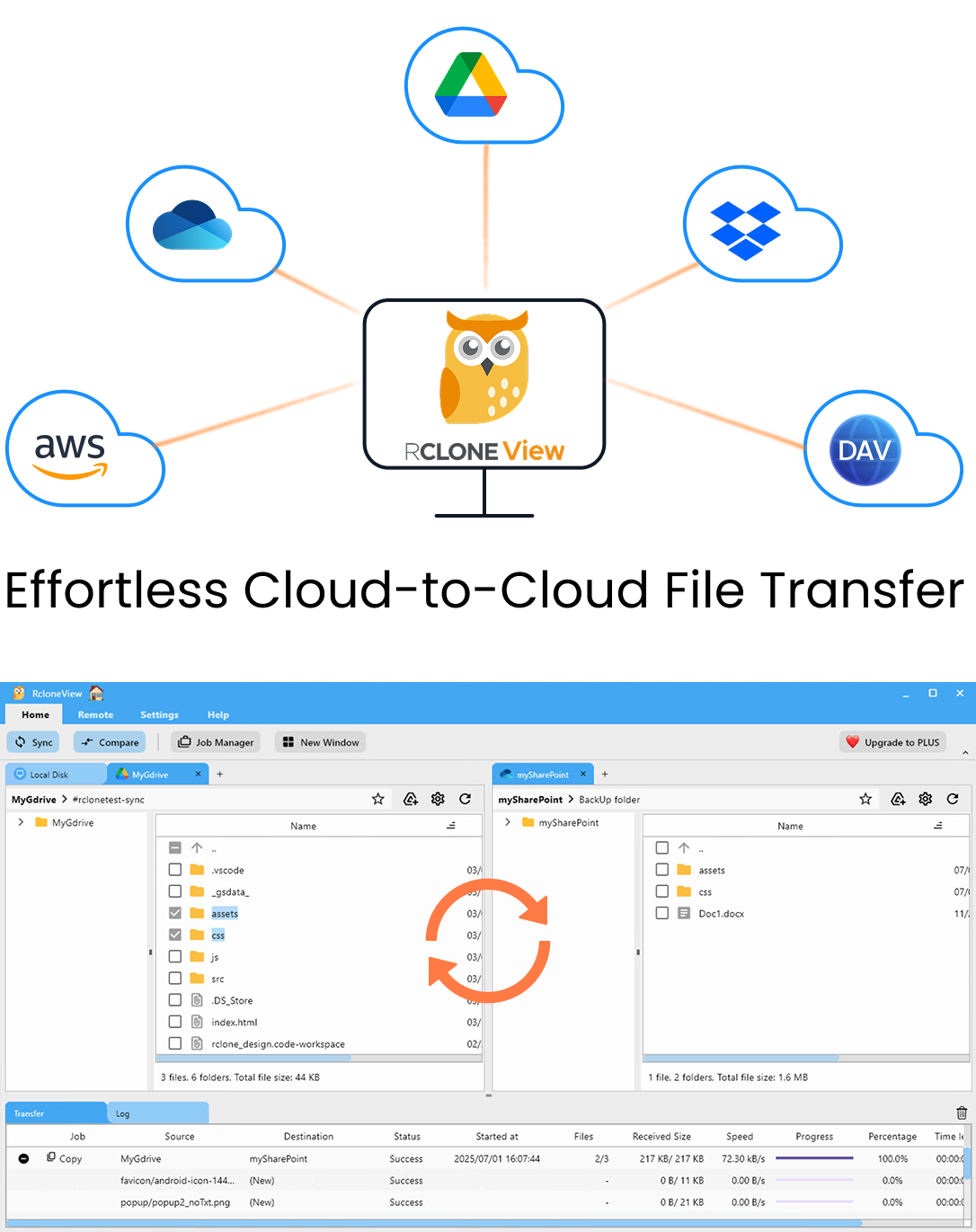
RcloneView is a cross-platform GUI for rclone. Compare folders, transfer or sync files, and automate multi-cloud workflows with a clean, visual interface.
- One-click jobs: Copy · Sync · Compare
- Schedulers & history for reliable automation
- Works with Google Drive, OneDrive, Dropbox, S3, WebDAV, SFTP and more
Free core features. Plus automations available.
Why Move from Box to AWS S3
AWS S3 offers virtually unlimited storage with granular pricing across six storage classes — from S3 Standard for frequently accessed data to S3 Glacier Deep Archive at $0.00099 per GB per month for long-term retention. Box charges per-user licensing fees that can exceed $20 per user per month on enterprise plans, and its storage is pooled rather than individually allocated.
For development teams, S3's ecosystem is unmatched. Event notifications trigger Lambda functions, S3 Select queries data in place, versioning and replication rules protect against data loss, and IAM policies provide fine-grained access control. Box's API is capable but designed for content collaboration, not infrastructure-level storage operations. Migrating to S3 aligns your file storage with the rest of your AWS infrastructure.
Configuring Box and S3 Remotes
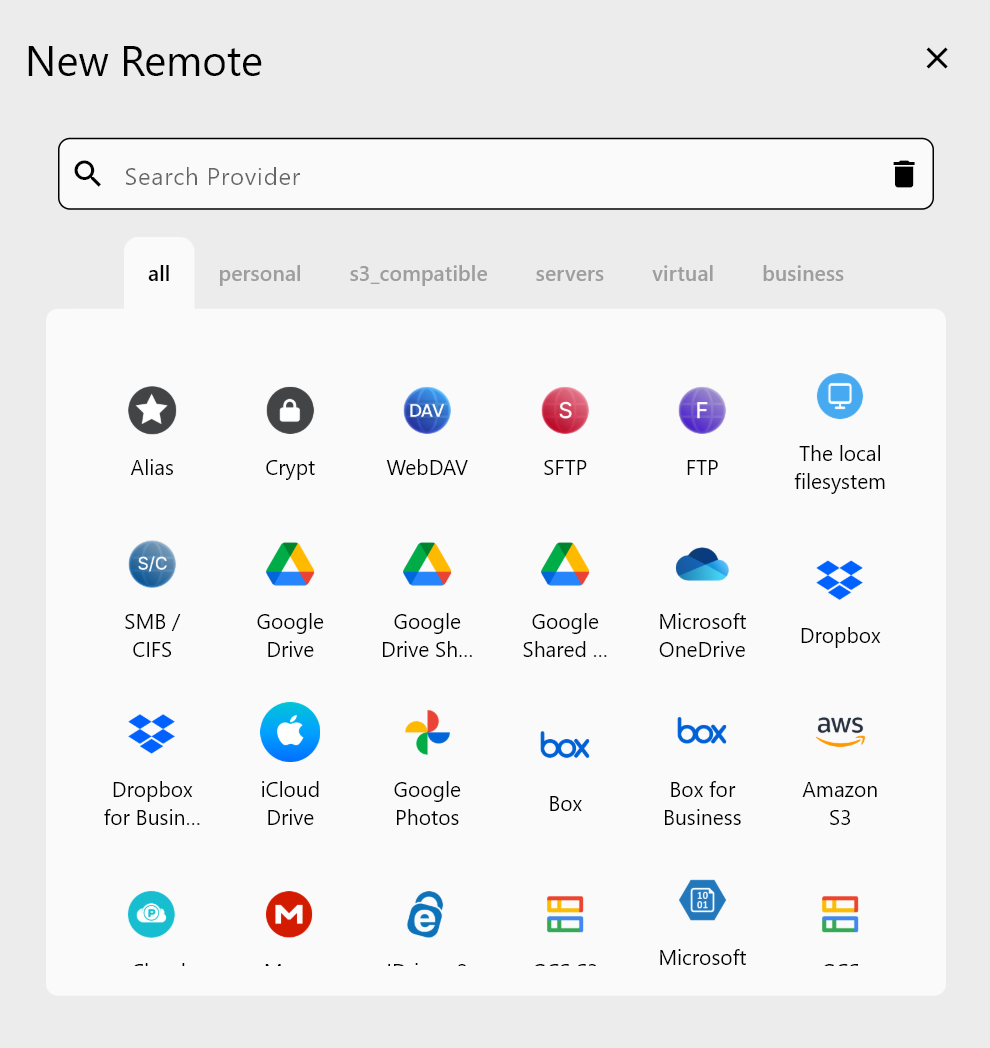
Add a Box remote in RcloneView by selecting "Box" as the provider type. The OAuth flow opens your browser for Box authentication. Sign in with your Box account credentials and authorize RcloneView. The remote connects to your Box root folder, including all folders shared with you that you own.
For AWS S3, create a new remote and select "Amazon S3." Enter your AWS Access Key ID and Secret Access Key, or use an IAM role if RcloneView runs on an EC2 instance. Select your target region and specify the bucket name. RcloneView validates the credentials and confirms access to the bucket. If you need to create a new bucket, do so in the AWS Console first with your preferred region, encryption, and versioning settings.
Running the Migration
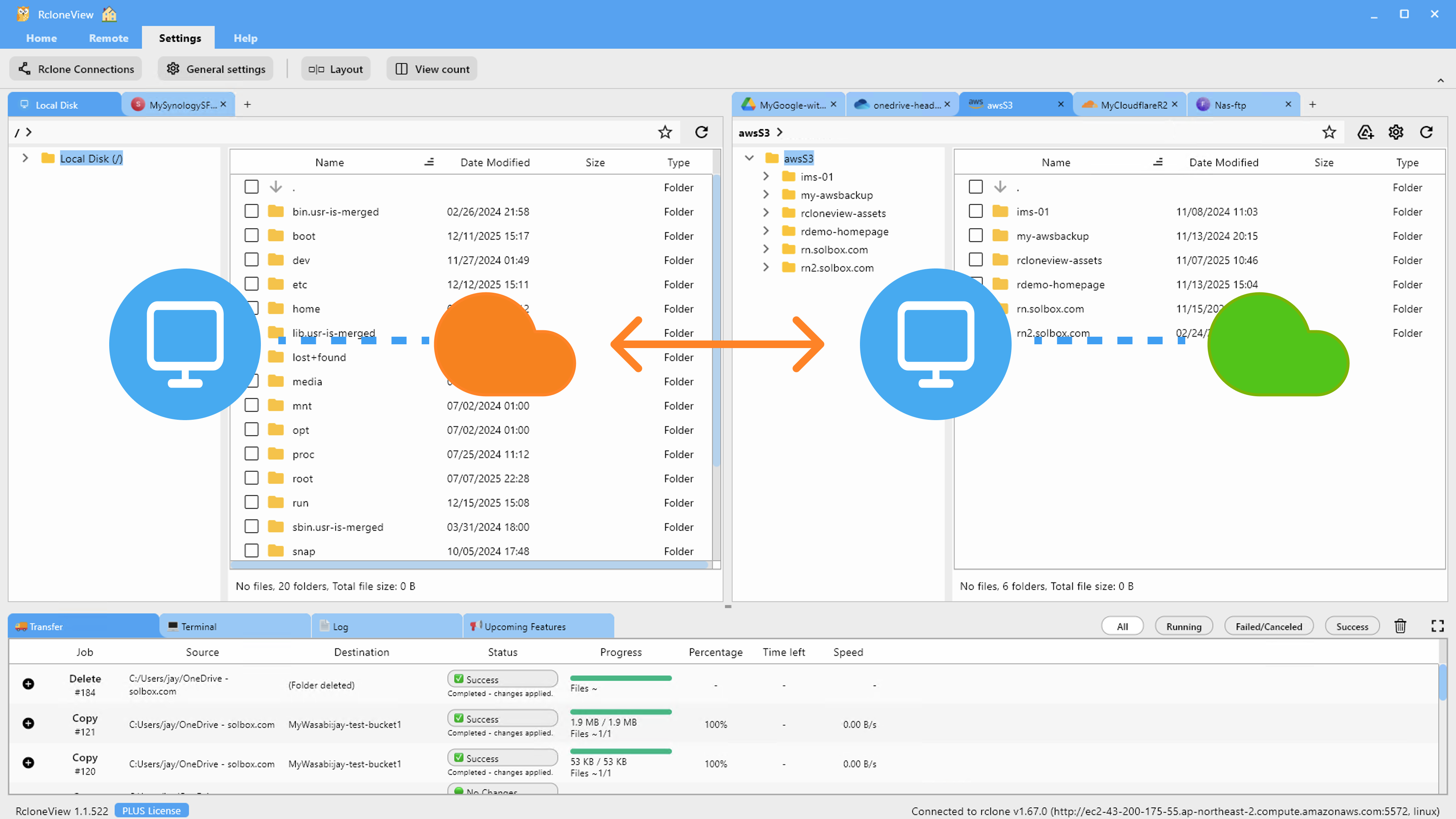
Use the two-pane explorer to browse Box on one side and S3 on the other. Select the Box folders you want to migrate — entire department directories, project archives, or specific content trees. Navigate to the target S3 prefix on the other side.
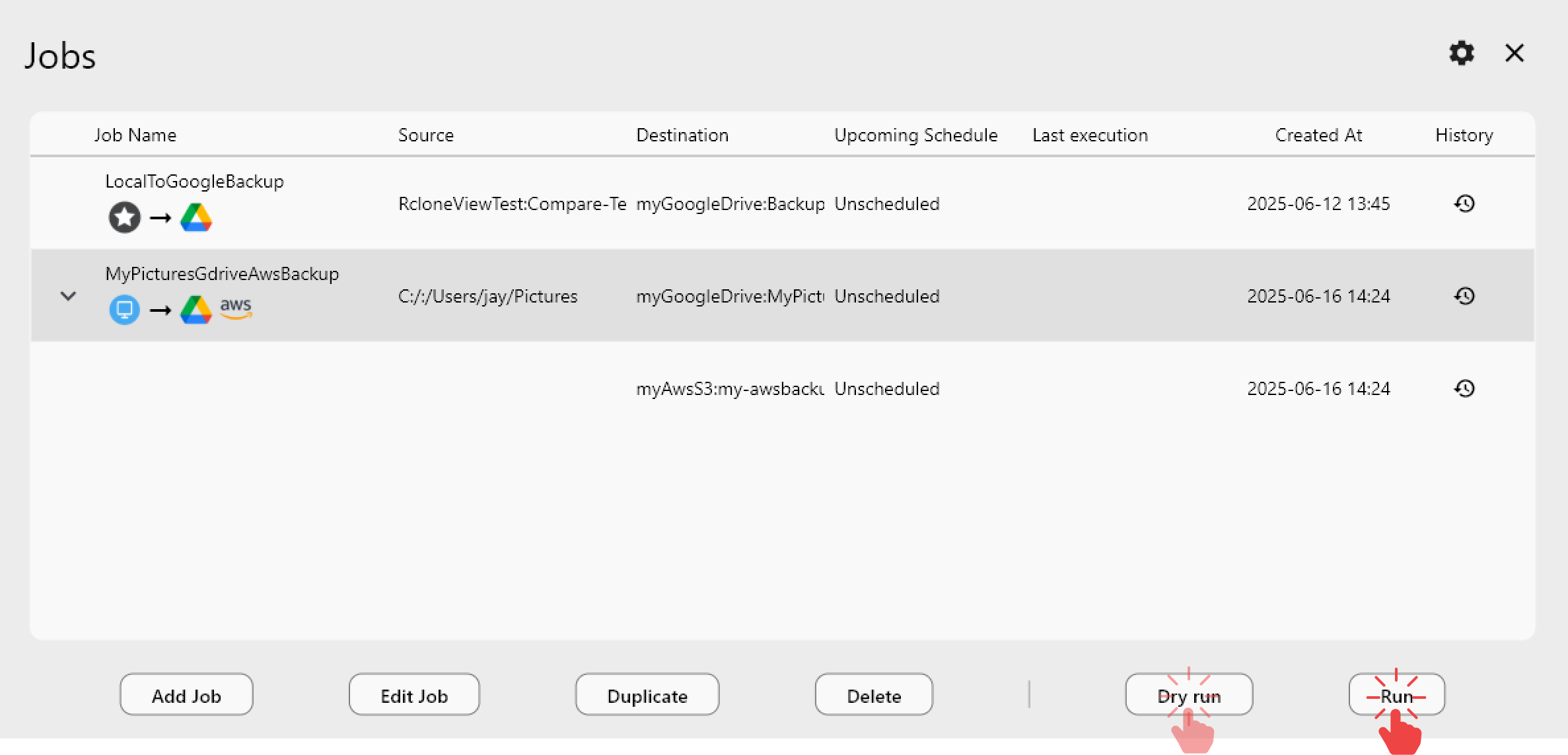
For a managed migration, create a Copy job in the Job Manager. Set Box as the source and S3 as the destination. Use "Copy" mode to transfer files without removing them from Box, giving you a rollback path. Box's API uses SHA-1 checksums, and S3 stores MD5 and ETag hashes — RcloneView handles the comparison using file size and modification time by default, with optional checksum verification available.
Box enforces API rate limits (approximately 10 API calls per second for enterprise accounts). RcloneView respects these limits with automatic retry and exponential backoff. For large migrations with hundreds of thousands of files, run the job over multiple days using scheduled windows.
Post-Migration Validation and Cutover
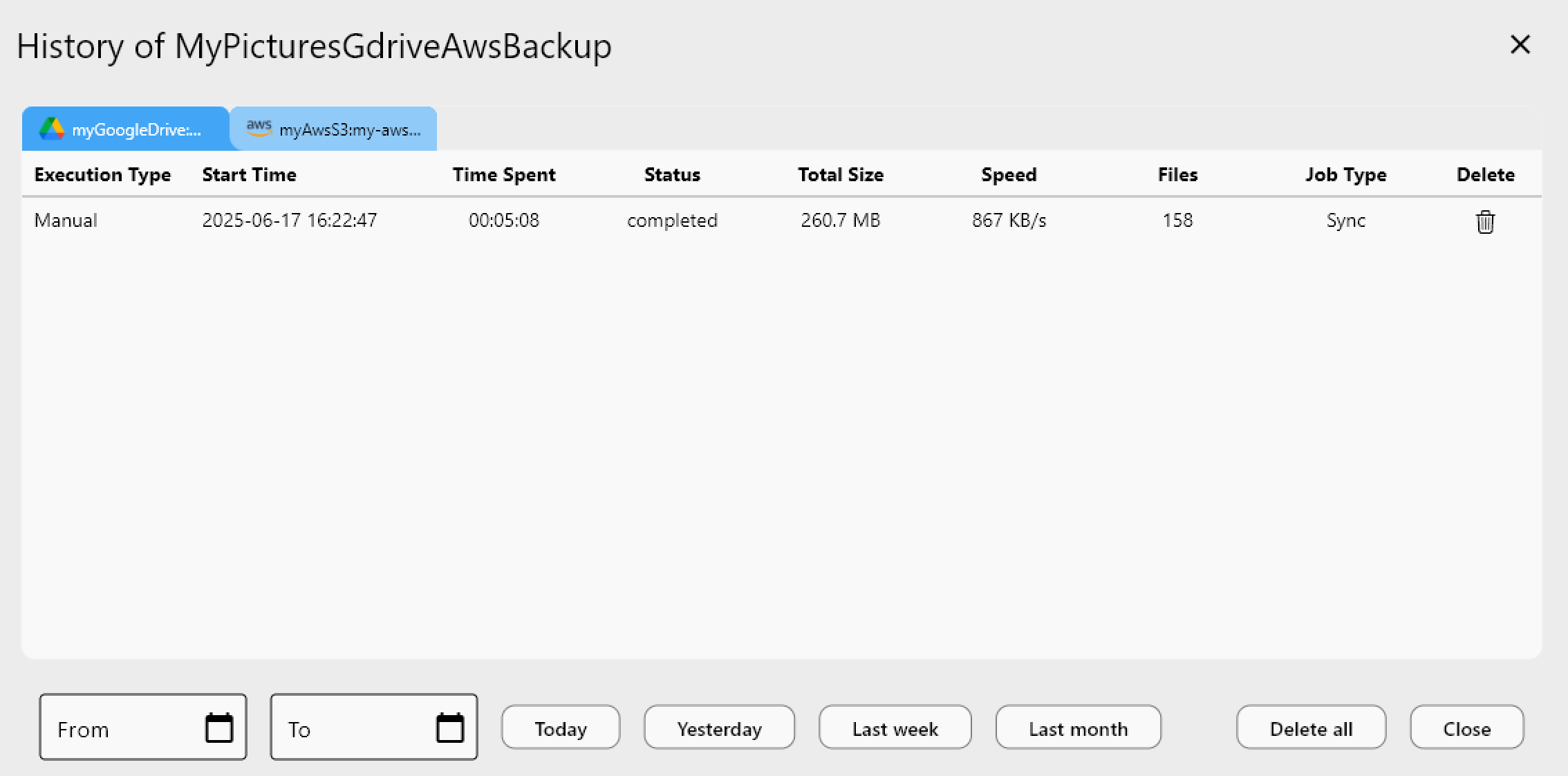
After the transfer completes, validate the migration using RcloneView's compare feature. Open both remotes side by side and run a folder comparison to check file counts, sizes, and structure. Review the job history for any skipped or errored files and re-run the job to catch them.
Consider setting the S3 bucket's storage class based on access patterns. Frequently accessed project files belong in S3 Standard, while archived content can be moved to S3 Intelligent-Tiering or Glacier via lifecycle policies. Keep the Box remote active in RcloneView during the transition period, running incremental sync jobs until all users have migrated their workflows to S3.
Getting Started
- Download RcloneView from rcloneview.com.
- Authenticate your Box account via OAuth when creating the Box remote.
- Add your AWS S3 remote with IAM credentials and select the target bucket and region.
- Create a Copy job from Box to S3, configure rate limit handling, and schedule it across multiple days for large datasets.
Once all content is verified in S3, transition your applications and decommission Box storage as your team completes the cutover.
Related Guides:
- Migrate Box to SharePoint and OneDrive with RcloneView
- Migrate Box to Google Drive with RcloneView
- Mount Box Storage as a Network Drive with RcloneView
Supported Cloud Providers