Migrate PikPak to OneDrive — Transfer Files with RcloneView

Consolidate the files you've collected in PikPak into OneDrive without downloading anything to your local disk first.
PikPak is a popular destination for offline downloads and magnet links, but it isn't where most people want to keep files long-term — OneDrive, with its Microsoft 365 integration, usually is. Moving everything from one to the other by hand means downloading to a local drive and re-uploading, which is slow and easy to interrupt. RcloneView handles the move directly between the two remotes in a single job.
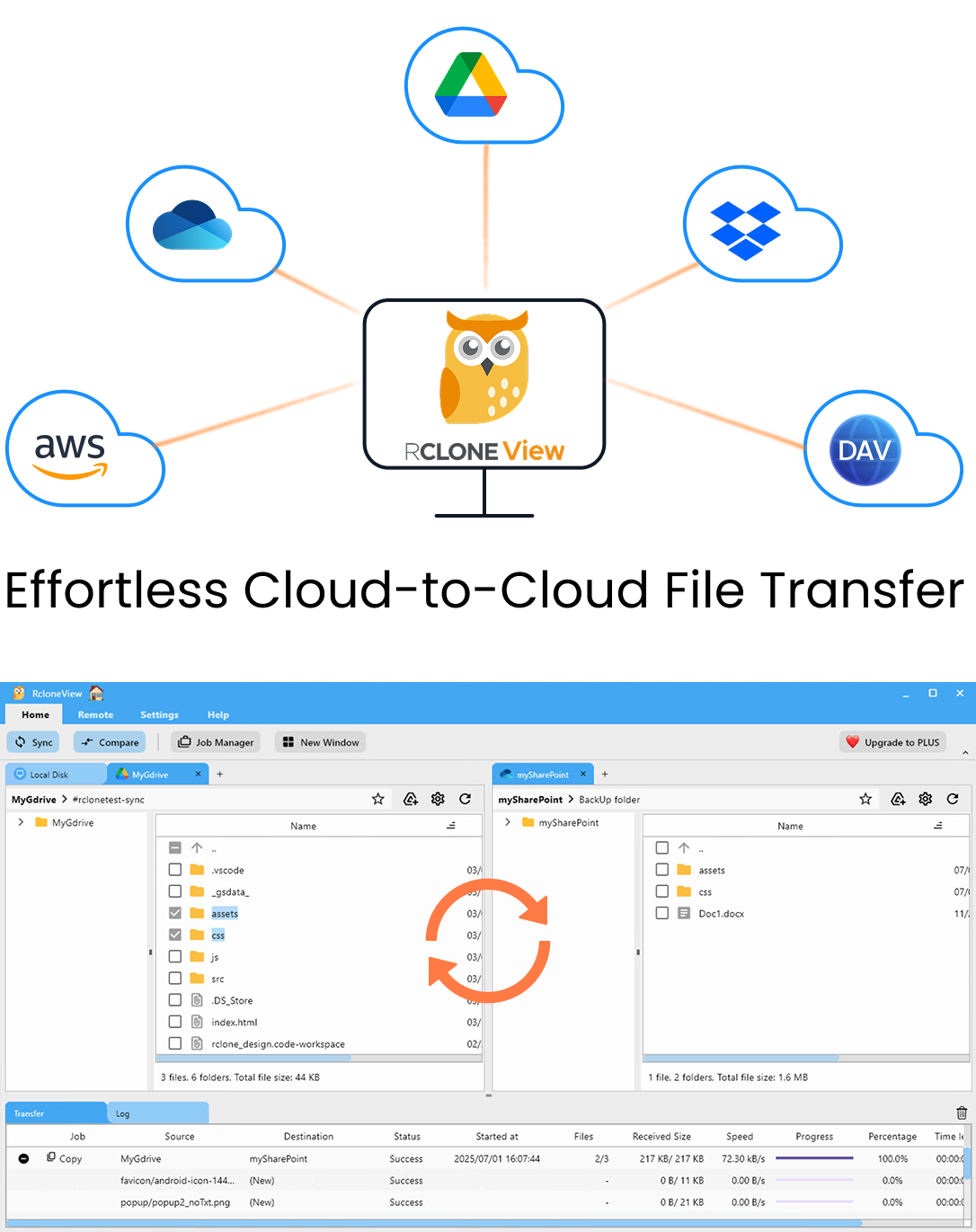
Manage & Sync All Clouds in One Place
RcloneView is a cross-platform GUI for rclone. Compare folders, transfer or sync files, and automate multi-cloud workflows with a clean, visual interface.
- One-click jobs: Copy · Sync · Compare
- Schedulers & history for reliable automation
- Works with Google Drive, OneDrive, Dropbox, S3, WebDAV, SFTP and more
Free core features. Plus automations available.
Connect PikPak and OneDrive as Remotes
Open Remote tab > New Remote and add PikPak first, following the on-screen prompts to authenticate your account. Then add OneDrive, which uses RcloneView's OAuth browser login — a window opens, you sign in, and the remote connects automatically with no API key to copy or paste.
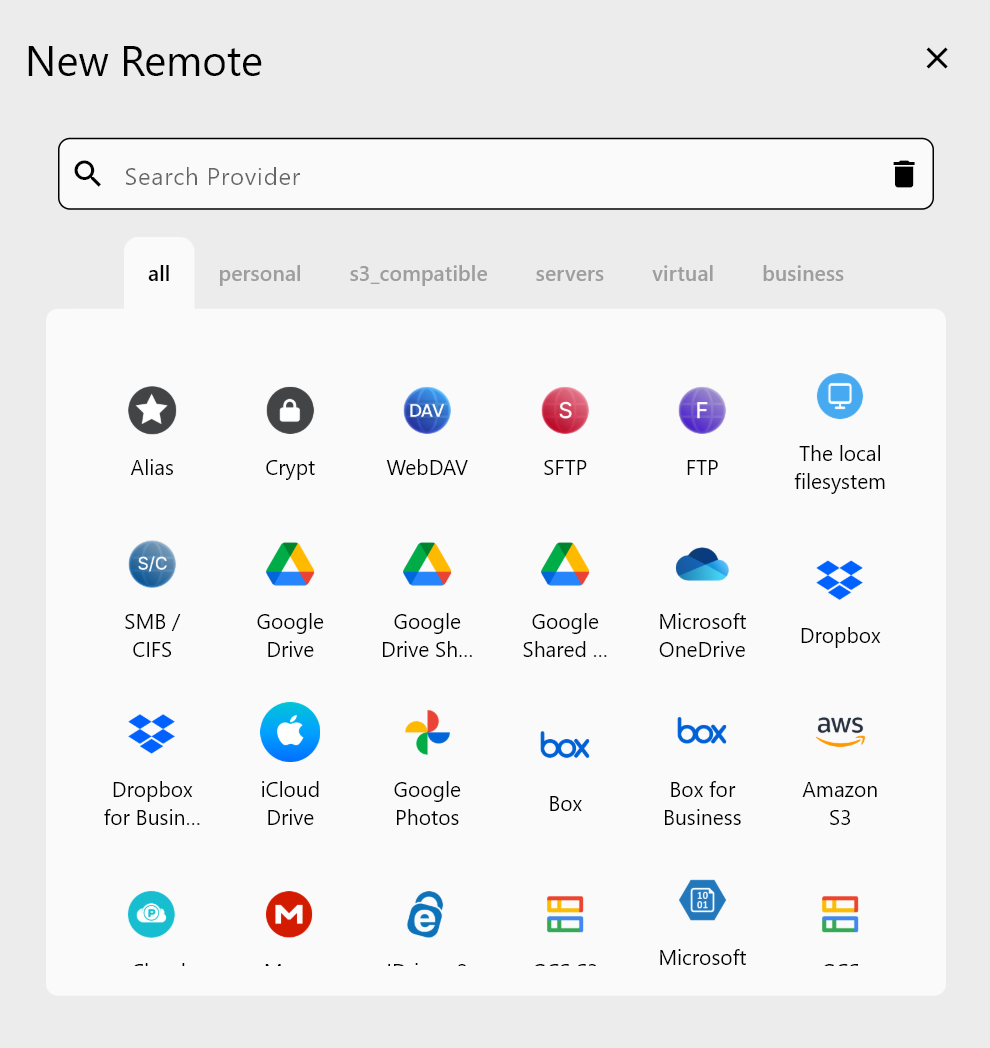
Once both remotes appear in the Remote Manager, open them side by side in the two-pane Explorer to confirm you're looking at the right folders before you configure the transfer.
Configure the Migration Job
Click Sync on the Home tab to launch the 4-step wizard. In Step 1, select your PikPak folder as the source and the target OneDrive folder as the destination, and choose One-way (modifying destination only) so PikPak stays untouched while OneDrive receives the copy.
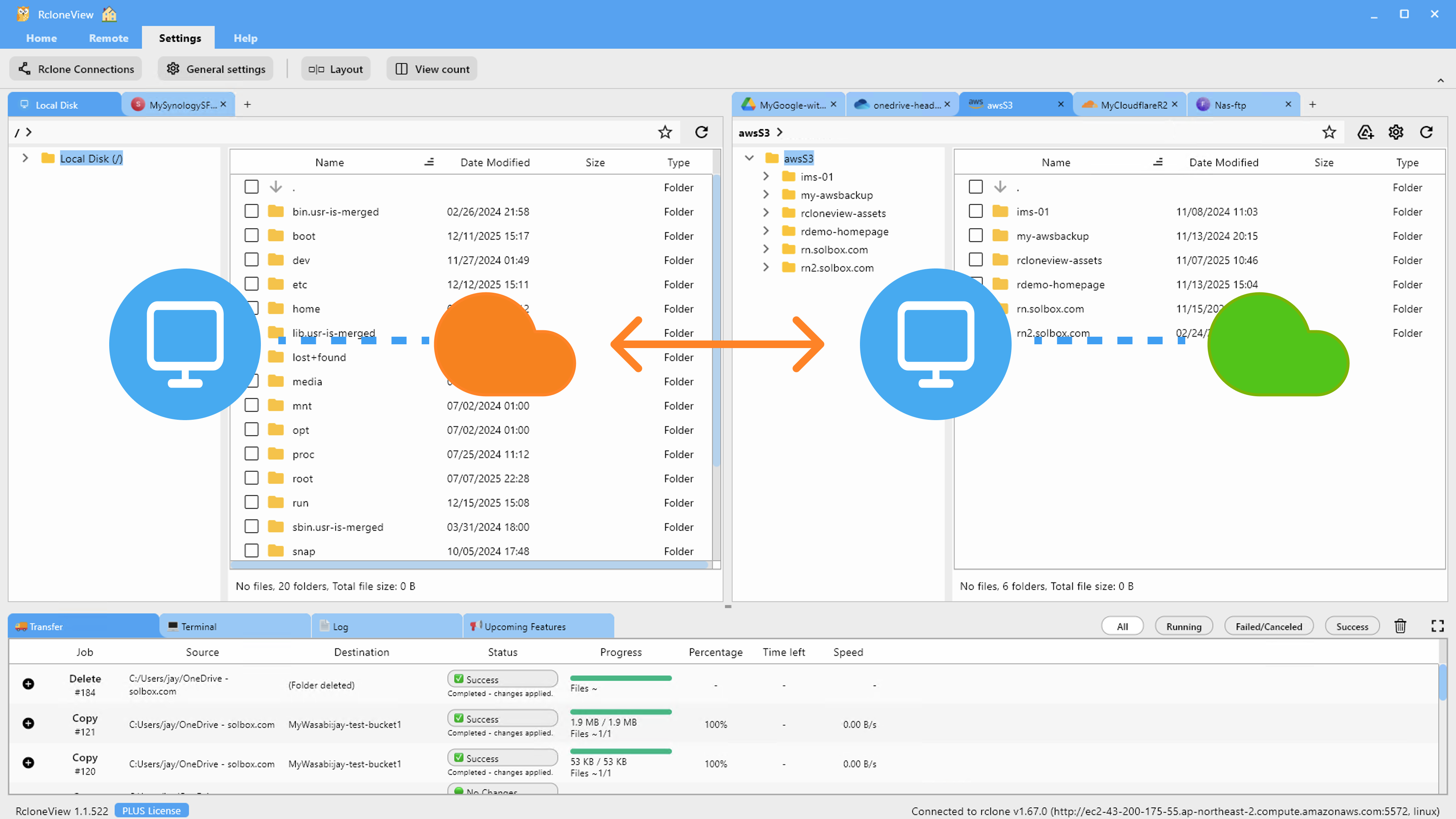
In Step 2, raise the number of file transfers if you're moving many small files, and in Step 3 apply a max file size or extension filter if you only want specific content moved first. Run a Dry Run before the real transfer — it lists exactly what will be copied so you can catch a wrong folder selection before it costs you time.
Monitor and Verify the Transfer
Start the job and switch to the Transferring tab to watch progress, speed, and file count in real time. RcloneView mounts and syncs 90+ providers from one window, so you can keep checking other remotes while the PikPak-to-OneDrive job runs in the background.
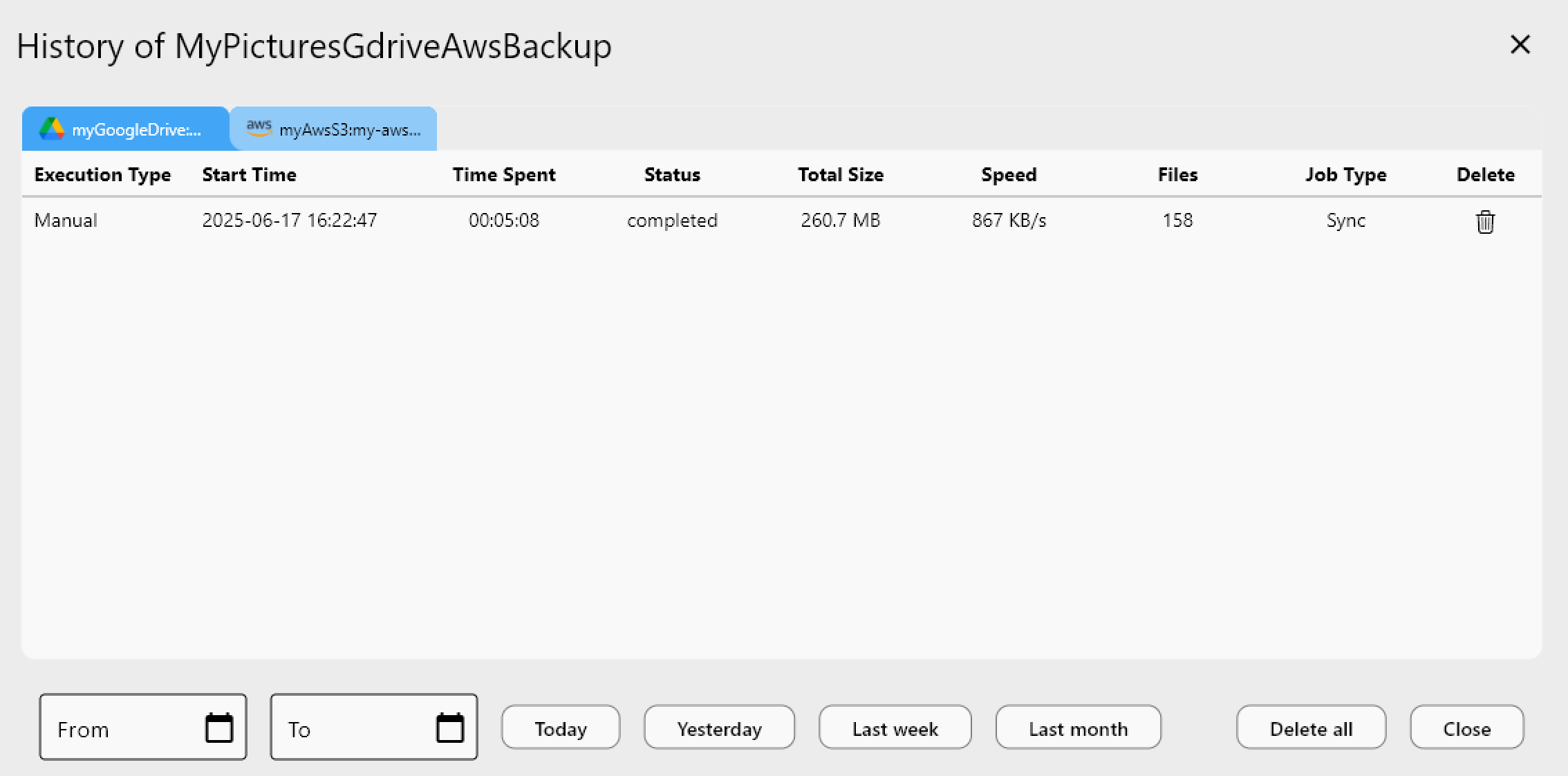
When the job finishes, check Job History for the total size and file count transferred, then use Folder Compare to confirm both sides match before you consider the migration done.
Getting Started
- Download RcloneView from rcloneview.com.
- Add your PikPak and OneDrive accounts as remotes via Remote Manager.
- Create a one-way sync job from PikPak to OneDrive and run a Dry Run first.
- Execute the job and verify the result with Job History and Folder Compare.
Once PikPak content lives in OneDrive, it's ready for the collaboration and Office integration that OneDrive offers.
Related Guides:
Supported Cloud Providers