Multi-Language Interface — Use RcloneView in 9 Languages

A cloud sync tool is only as useful as the team that can actually read it — RcloneView's interface adapts to 9 languages out of the box.
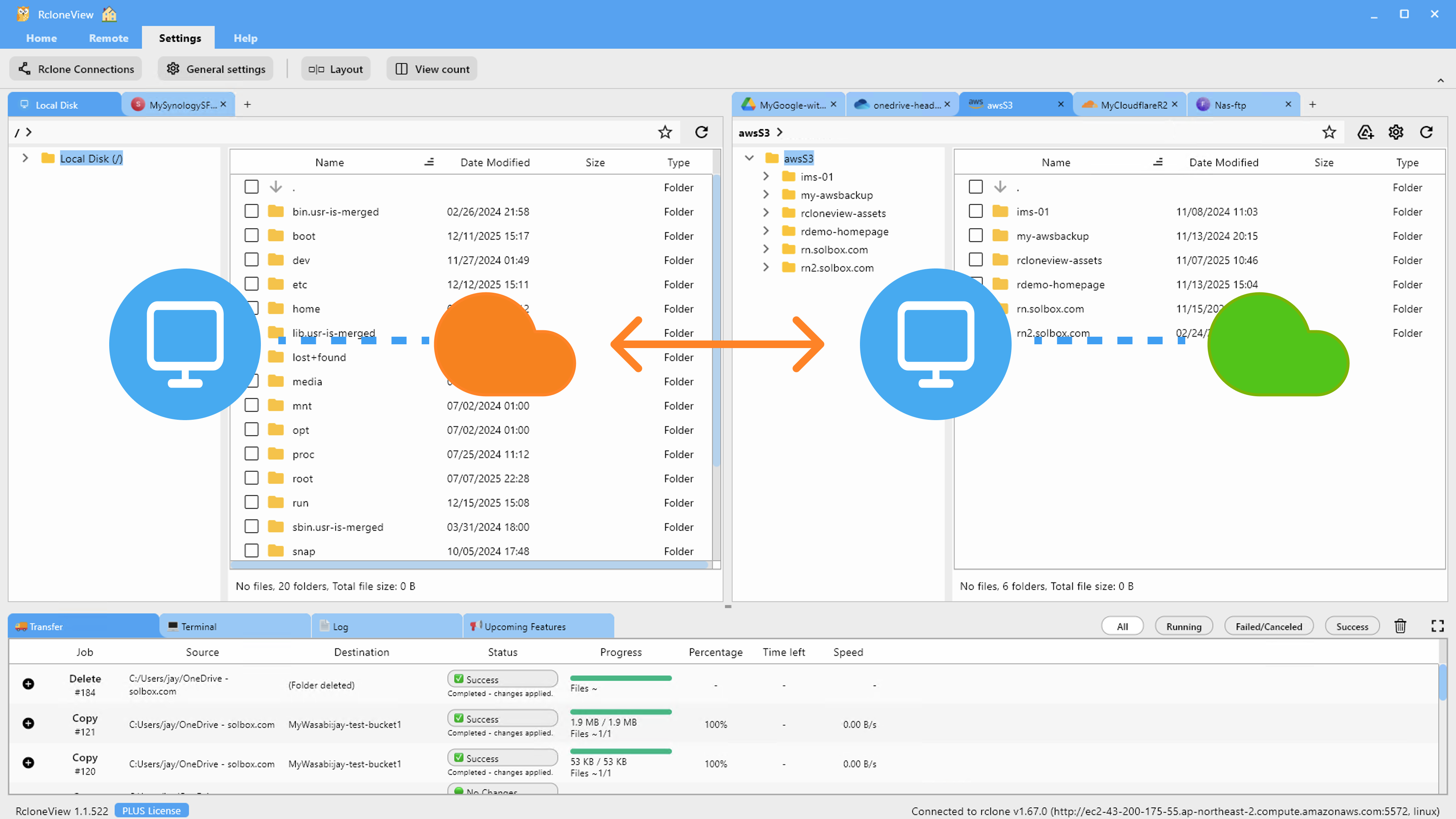
Rolling out a file management tool across a distributed team usually means someone on the team is stuck reading menus in a language they're not comfortable with. RcloneView avoids that by shipping full UI translations rather than relying on browser auto-translate or a single English-only build. Whether your team spans Seoul, Paris, or São Paulo, the sync wizard, mount settings, and job manager all read in the local language. RcloneView mounts AND syncs 90+ providers from one window, on Windows, macOS, and Linux — and now in the language your team actually speaks.
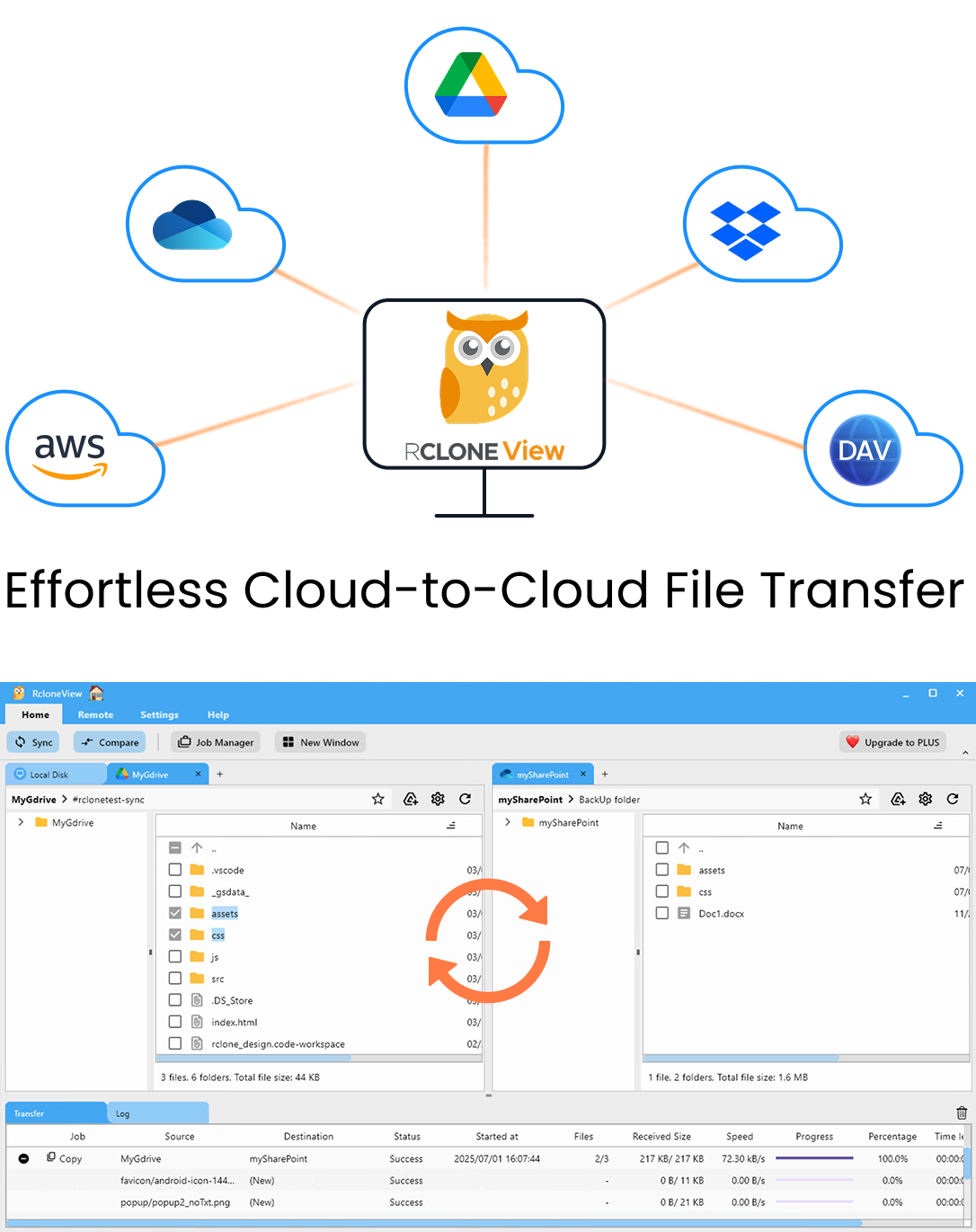
Manage & Sync All Clouds in One Place
RcloneView is a cross-platform GUI for rclone. Compare folders, transfer or sync files, and automate multi-cloud workflows with a clean, visual interface.
- One-click jobs: Copy · Sync · Compare
- Schedulers & history for reliable automation
- Works with Google Drive, OneDrive, Dropbox, S3, WebDAV, SFTP and more
Free core features. Plus automations available.
Supported Languages
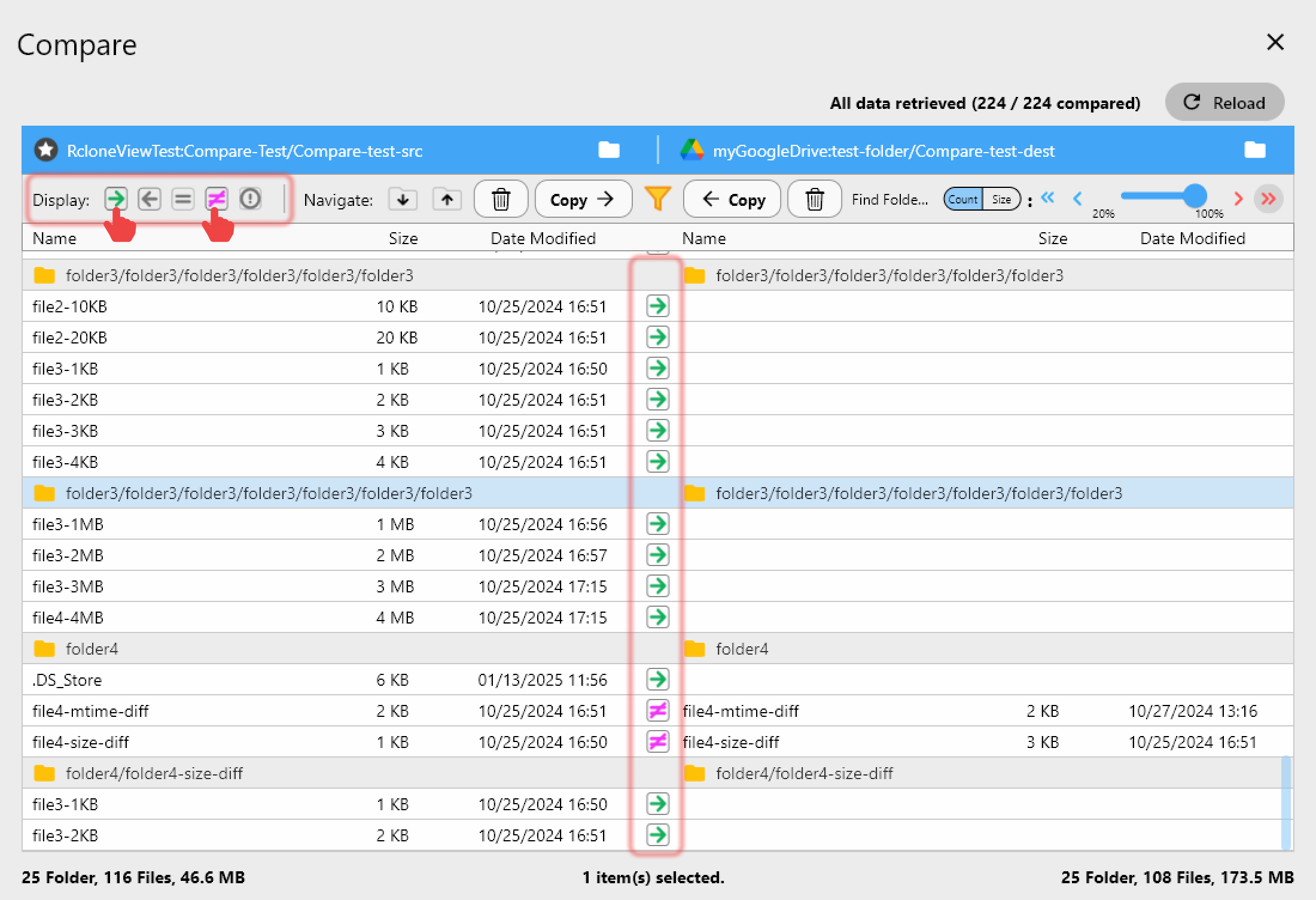
RcloneView currently supports English, Korean, French, German, Chinese Simplified, Chinese Traditional, Japanese, Spanish, and Indonesian. This isn't a partial translation layer over a handful of menus — labels across Remote Manager, Sync configuration, Folder Compare, and Settings are all localized, so non-English speakers aren't left guessing at half-translated dialogs mid-workflow.
For CJK languages specifically, the app bundles Noto Sans font variants (Korean, Simplified Chinese, Traditional Chinese, Japanese), which avoids the tofu-box rendering issue that plagues apps relying on system fonts that may not include the right character sets.
Switching Languages
Language selection lives under Settings tab > General > Language. Pick your preferred language from the dropdown and the interface updates immediately — no restart required. This makes it easy for a support tech in one region to temporarily switch a colleague's session to their own language while walking through a mount or sync configuration together, then switch back.
Because the setting is per-installation rather than tied to a cloud account, each team member can run RcloneView in whichever language they're most comfortable with, even when everyone is connecting to the same shared remotes.
Why It Matters for Multi-Region Teams
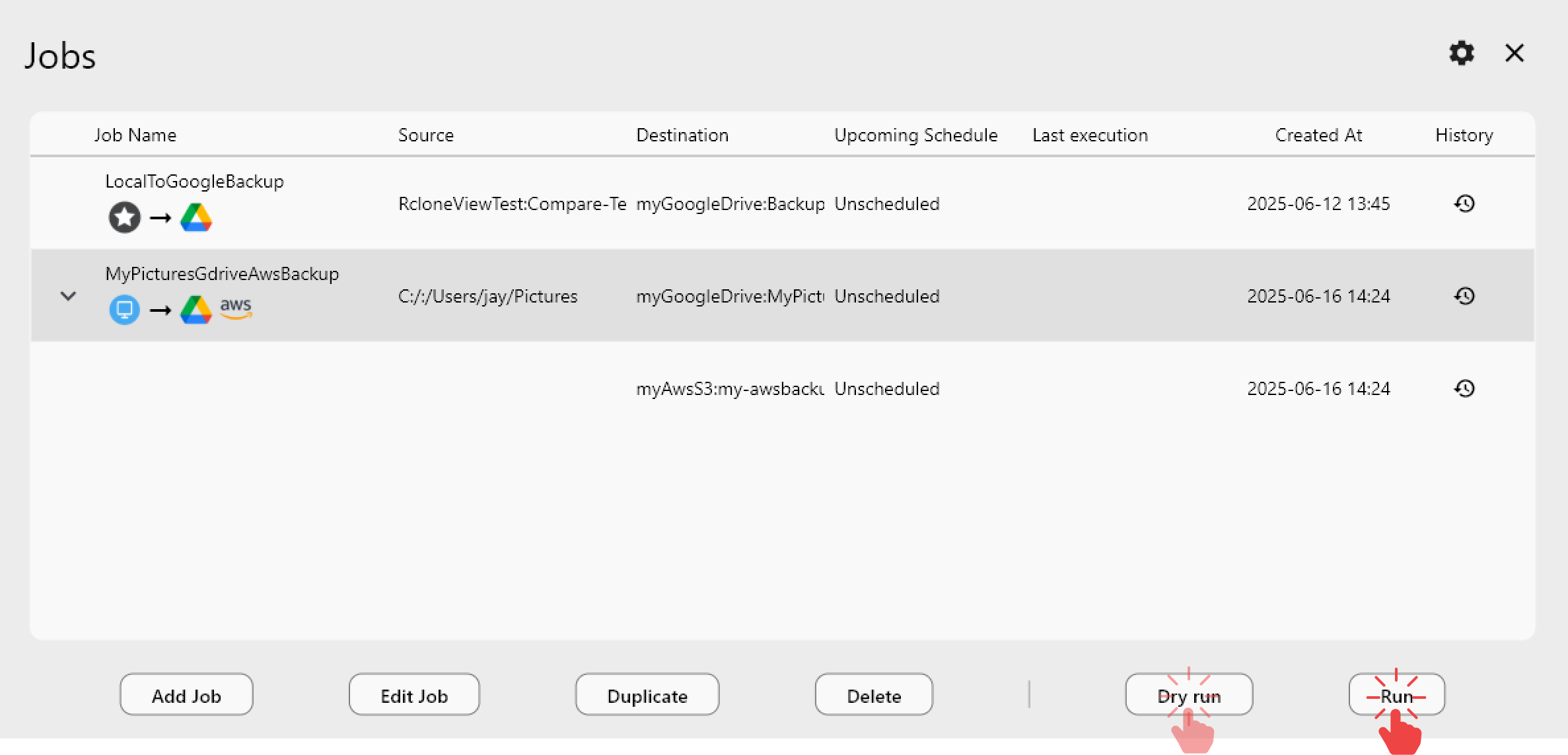
Sync jobs, filter rules, and mount configurations involve enough technical detail on their own — adding a language barrier on top increases the odds of a misconfigured filter or a wrong sync direction. A properly localized interface means an operations team in Tokyo and an IT admin in Berlin can both read the exact same "Modifying destination only" versus "Bidirection" sync setting correctly, in their own language, before running a job that touches production files.
Getting Started
- Download RcloneView from rcloneview.com.
- Open Settings tab > General > Language.
- Select your preferred language from the 9 available options.
- Continue setting up remotes, sync jobs, or mounts — the whole interface follows your selection.
A tool your whole team can actually read comfortably is one they'll configure correctly the first time.
Related Guides:
- Keyboard Shortcuts and Productivity Tips in RcloneView
- Dark Mode and Theme Customization in RcloneView
- RcloneView Terminal — GUI and CLI Workflow Together
Supported Cloud Providers