How to Use RcloneView on Windows Server for Automated Cloud Backups
Windows Server generates critical business data — databases, file shares, application data. Backing this up to cloud storage used to mean writing PowerShell scripts. RcloneView gives you a visual interface for the same job.
System administrators managing Windows Server environments need reliable cloud backup. While rclone's CLI works great in scripts, RcloneView adds visual monitoring, easy job creation, and a two-pane explorer for verifying backups — without sacrificing the power of rclone underneath.
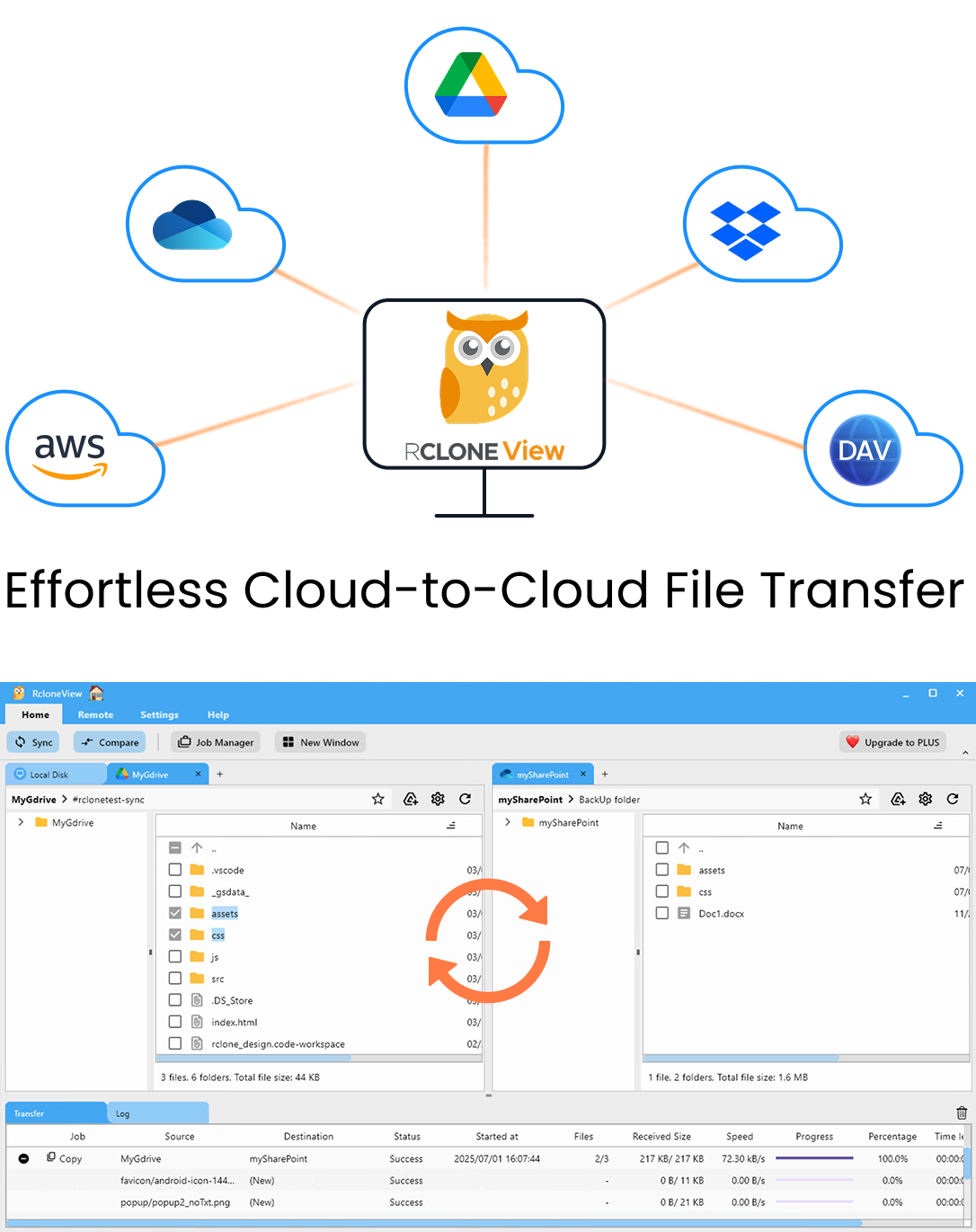
Manage & Sync All Clouds in One Place
RcloneView is a cross-platform GUI for rclone. Compare folders, transfer or sync files, and automate multi-cloud workflows with a clean, visual interface.
- One-click jobs: Copy · Sync · Compare
- Schedulers & history for reliable automation
- Works with Google Drive, OneDrive, Dropbox, S3, WebDAV, SFTP and more
Free core features. Plus automations available.
Why Cloud Backups for Windows Server?
The 3-2-1 backup rule
- 3 copies of your data.
- 2 different media types.
- 1 offsite copy.
Cloud storage satisfies the offsite requirement. Combined with local backups (tape, NAS, external drives), cloud backup provides disaster recovery even if your entire data center is unavailable.
Common backup targets
| Data Type | Source | Best Cloud Target |
|---|---|---|
| File shares | Network drives | S3, Backblaze B2 |
| SQL Server backups | .bak files | S3 Standard-IA |
| IIS logs | Log directories | S3 Glacier |
| Application data | Various | Google Drive, OneDrive |
| VM snapshots | Hyper-V exports | Wasabi, B2 |
Installation on Windows Server
Prerequisites
- Windows Server 2019 or 2022.
- .NET 6 Runtime or later.
- Network access to cloud provider APIs (outbound HTTPS).
Install RcloneView
- Download the Windows installer from rcloneview.com.
- Run the installer. RcloneView installs to
C:\Program Files\RcloneView\. - RcloneView downloads rclone automatically on first launch.
Configure Cloud Remotes
Add your backup destinations:
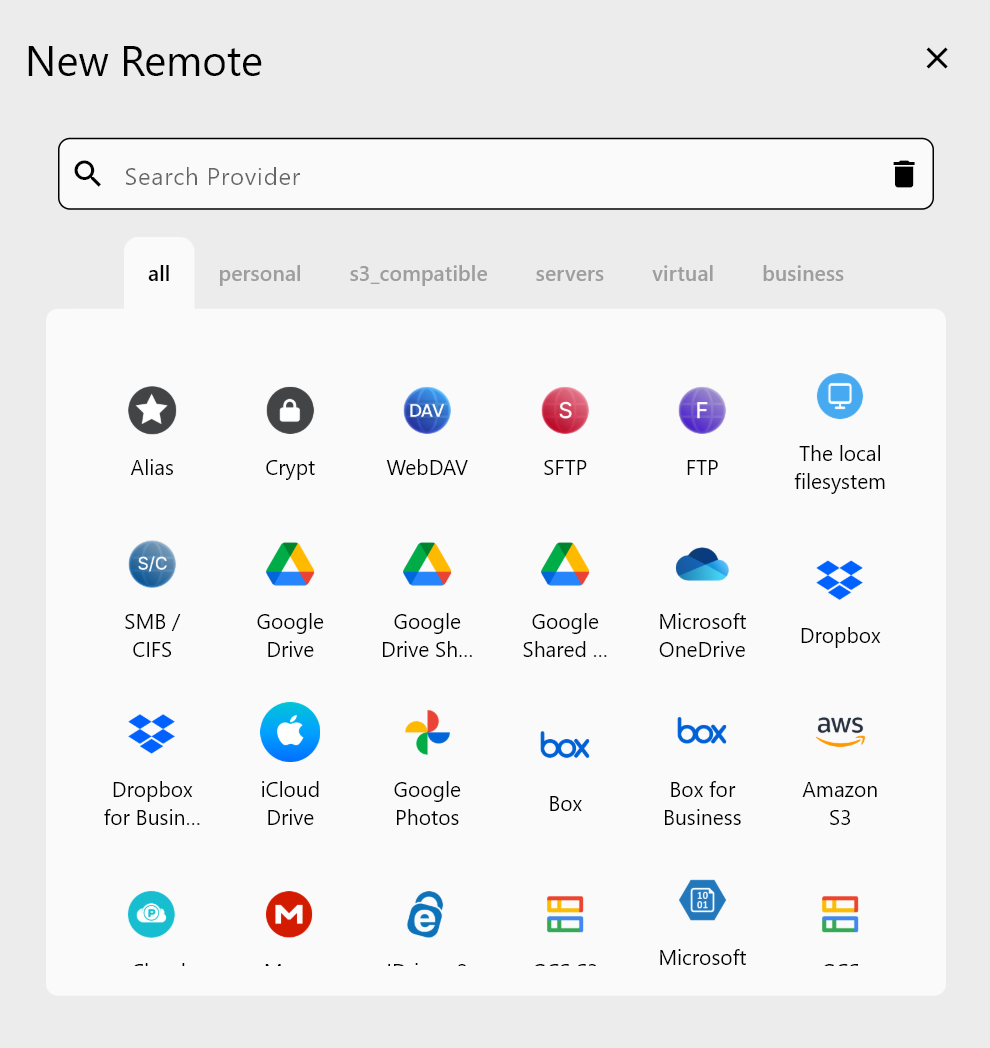
For headless servers (no browser for OAuth), you can configure remotes on a workstation and copy the rclone config file to the server.
Set Up Automated Backups
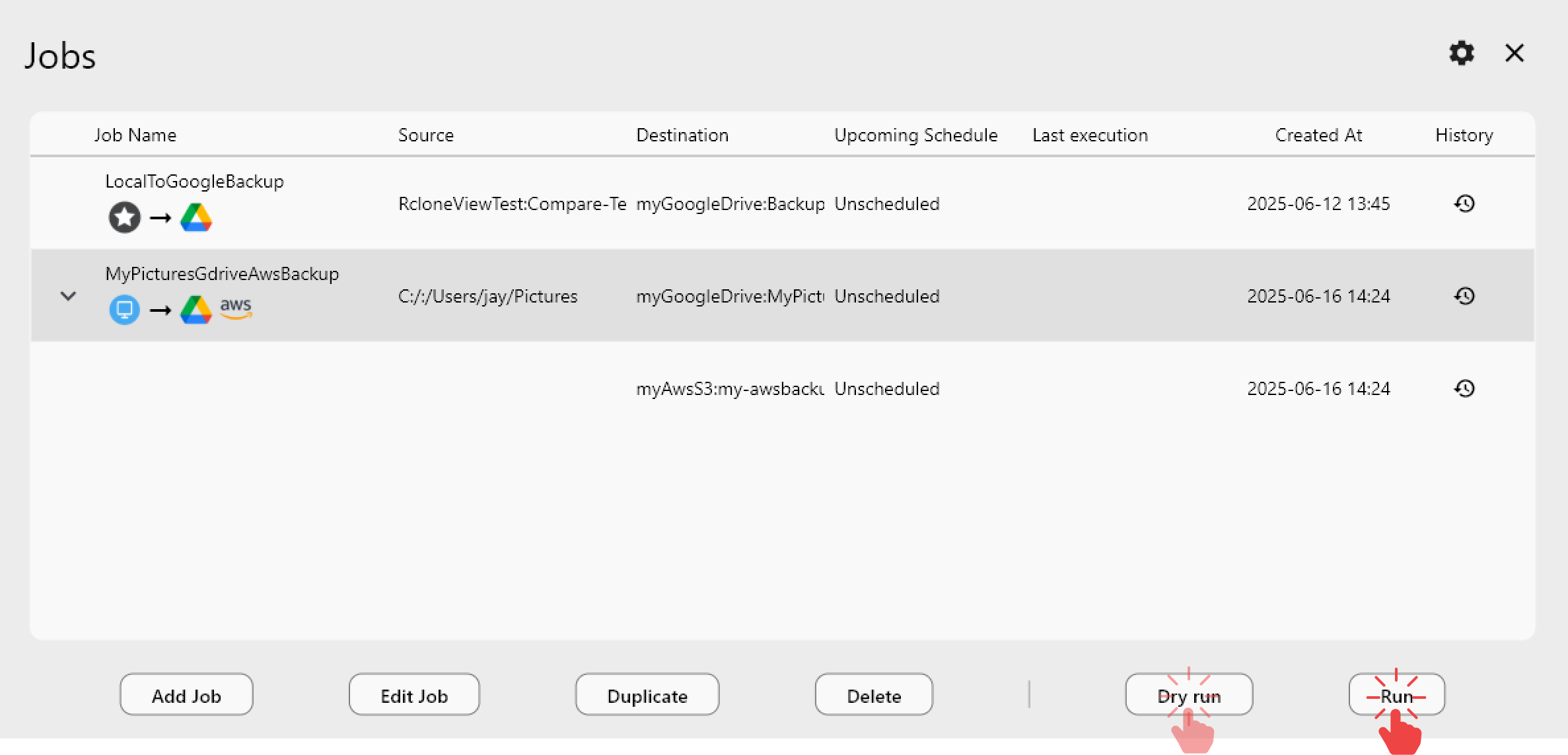
Step 1: Create backup jobs
Create a Copy job for each backup source:
- File shares → S3 bucket.
- SQL backups → Backblaze B2.
- Log files → S3 Glacier.
Step 2: Schedule backups
Schedule each job to run at the appropriate frequency:
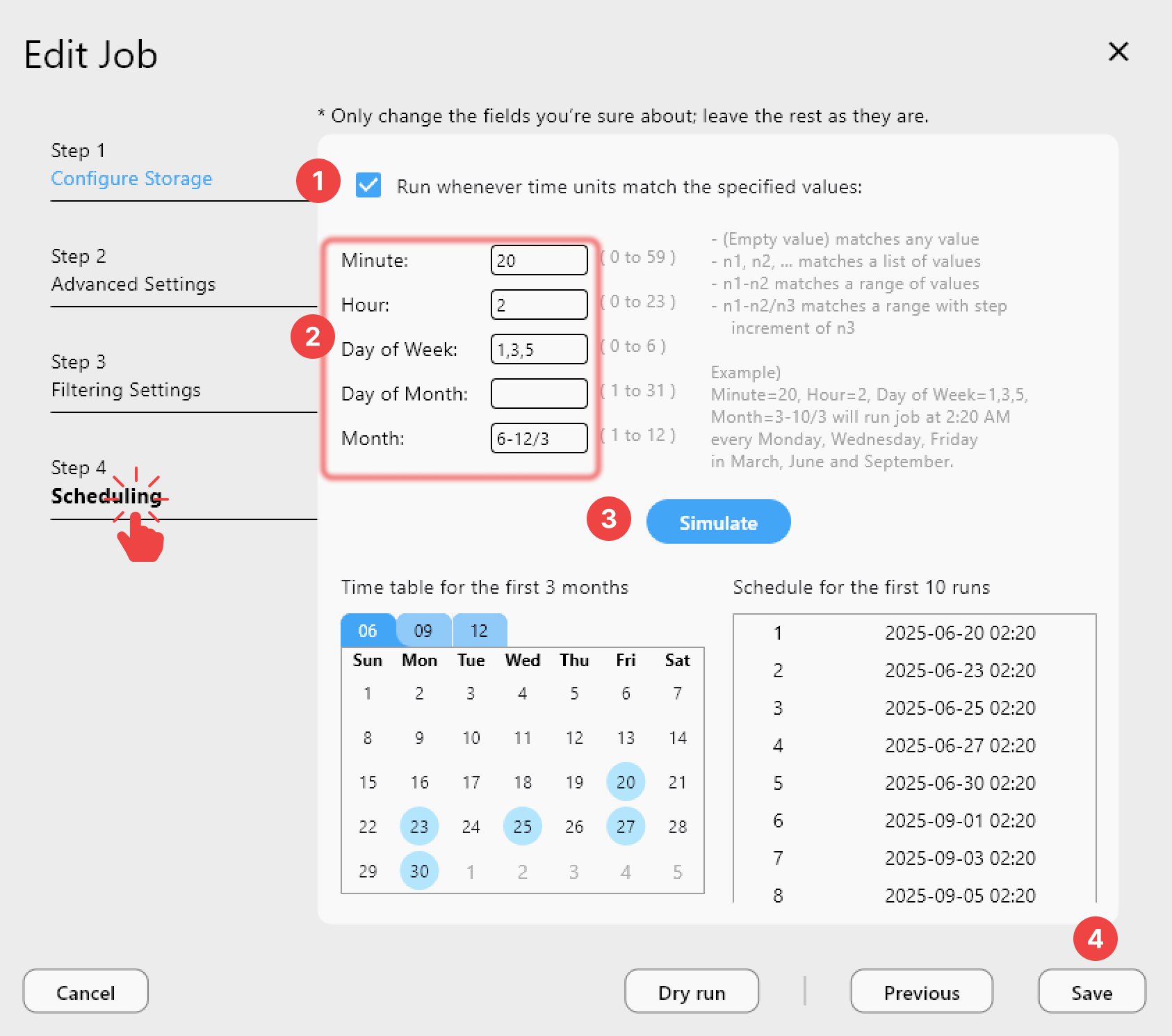
Recommended schedule:
| Data Type | Frequency | Time |
|---|---|---|
| File shares | Nightly | 2:00 AM |
| SQL backups | Nightly | 3:00 AM (after SQL backup job) |
| Log files | Weekly | Sunday 1:00 AM |
| Full server | Weekly | Saturday 11:00 PM |
Step 3: Set up notifications
Get notified when backups complete or fail via Slack, Discord, or Telegram (v1.3):
This is critical for server backups — you need to know immediately if a backup fails.
Step 4: Use batch jobs for multi-step workflows
Chain operations with Batch Jobs:
- Copy SQL backups to S3.
- Copy file shares to Backblaze B2.
- Compare source and destination to verify.
- Send notification.
All automated, all in sequence.
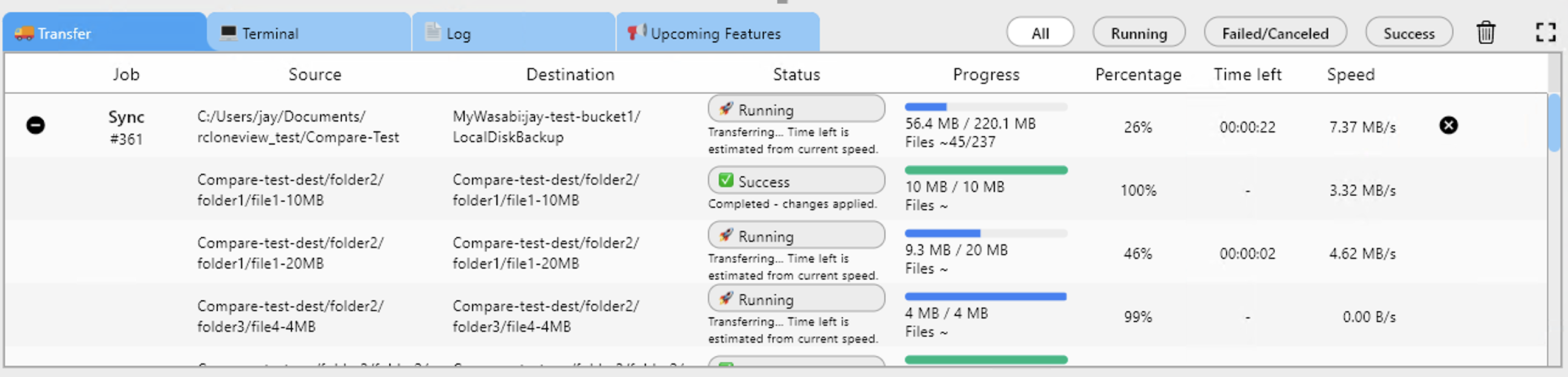
Monitor Backup Progress
Track large backup transfers in real time:
Verify Backup Integrity
After each backup, verify with Folder Comparison:
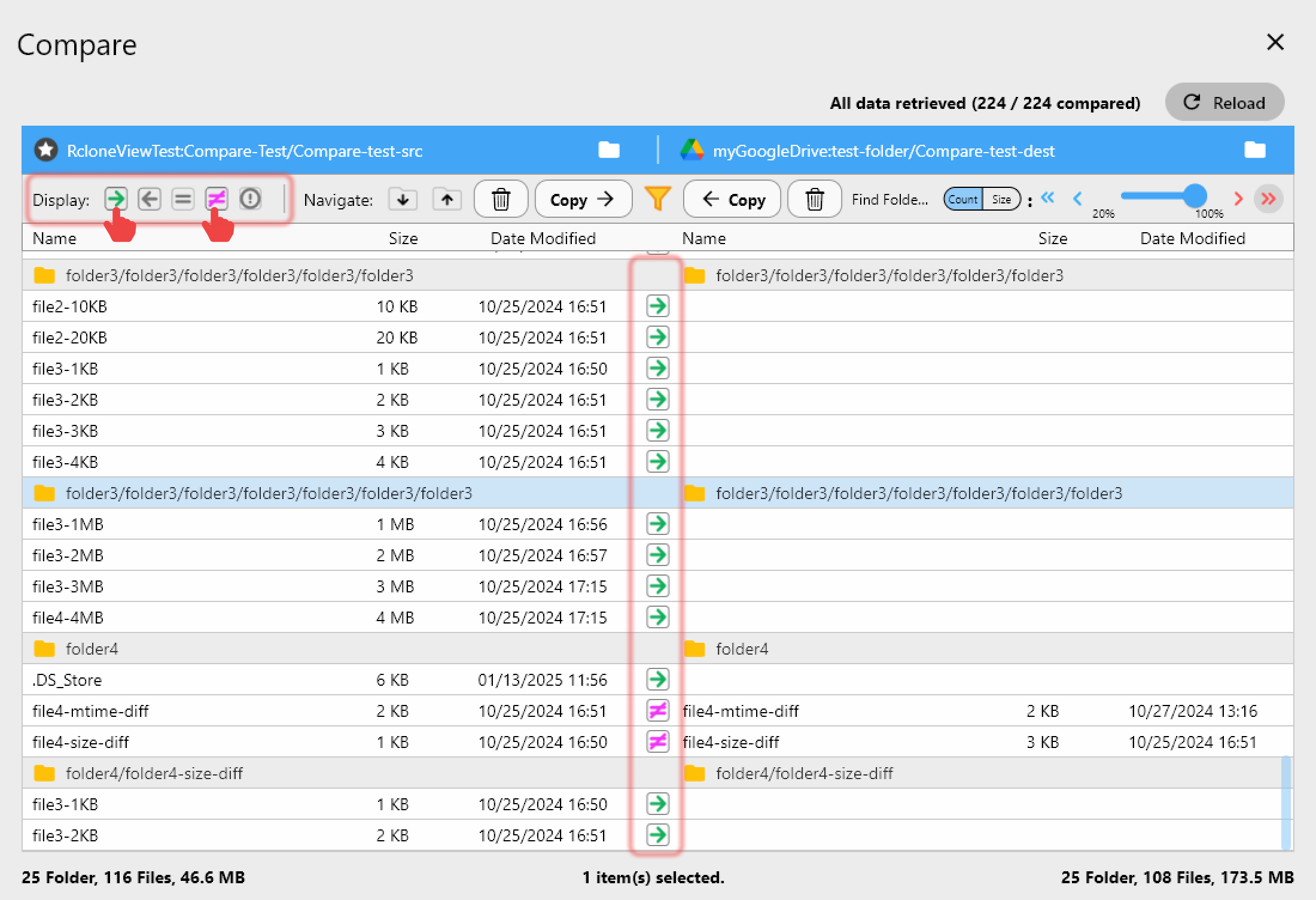
This catches issues like:
- Files that failed to transfer silently.
- Permission errors on locked files.
- Files modified during the backup window.
Security Considerations
Encrypt backups
Use rclone's crypt remote to encrypt all server data before uploading. The cloud provider stores only encrypted blobs — even if the cloud account is compromised, your server data is safe.
Restrict access
- Run RcloneView under a dedicated service account with minimal permissions.
- Store rclone config encrypted (rclone supports config file encryption).
- Use IAM policies on S3 to limit the backup account to specific buckets.
Retention policies
Set up lifecycle rules on your cloud storage:
- S3: Transition to Glacier after 30 days, delete after 365 days.
- B2: Use lifecycle rules for automatic cleanup.
- Keep at least 30 days of backups for recovery from delayed-detection issues.
Bandwidth Management
Server backups can saturate your network. Use bandwidth limiting to prevent impact on production traffic:
- Limit to 50% of available bandwidth during business hours.
- Unlimited during the overnight backup window.
Getting Started
- Download RcloneView from rcloneview.com.
- Install on your Windows Server.
- Add cloud storage remotes (S3, B2, etc.).
- Create and schedule backup jobs.
- Set up notifications for failure alerting.
- Verify backups with Folder Comparison.
Your server data is your business. Automate the backup and sleep better at night.
Related Guides:
Supported Cloud Providers