Sync Tencent COS to Amazon S3 — Cloud Backup with RcloneView
Businesses running on Tencent Cloud COS for China-region data can use RcloneView to sync that data to Amazon S3 for global availability and cross-region redundancy.
Tencent Cloud Object Storage (COS) is widely used by businesses with users or operations in mainland China, where it offers low latency and compliance with local data regulations. However, for global availability or disaster recovery, organizations often need to replicate that data to Amazon S3, which has broader international reach. RcloneView makes this cross-cloud sync straightforward through its S3-compatible remote support for both providers, all managed from a single graphical interface.
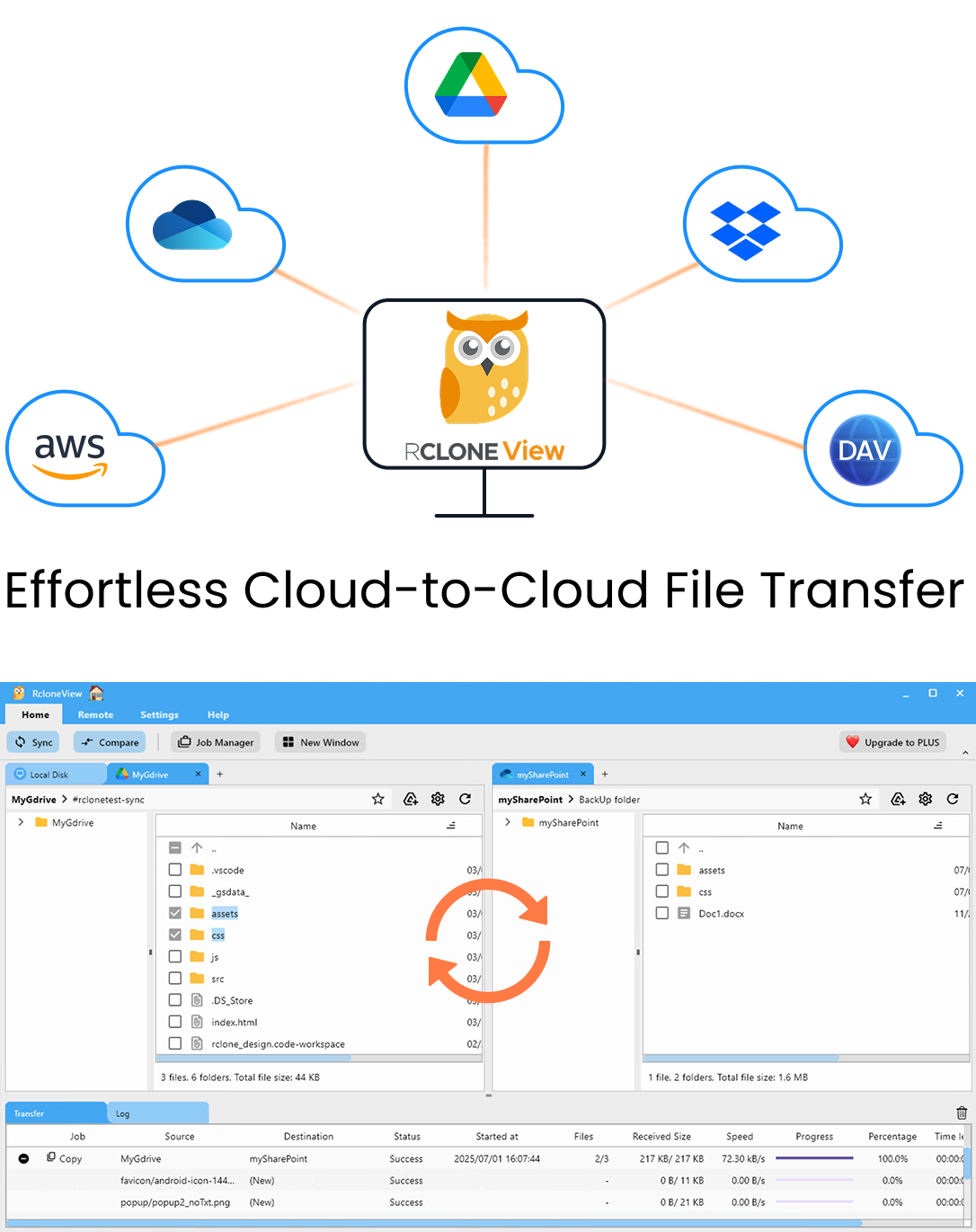
Manage & Sync All Clouds in One Place
RcloneView is a cross-platform GUI for rclone. Compare folders, transfer or sync files, and automate multi-cloud workflows with a clean, visual interface.
- One-click jobs: Copy · Sync · Compare
- Schedulers & history for reliable automation
- Works with Google Drive, OneDrive, Dropbox, S3, WebDAV, SFTP and more
Free core features. Plus automations available.
Setting Up the Tencent COS Remote
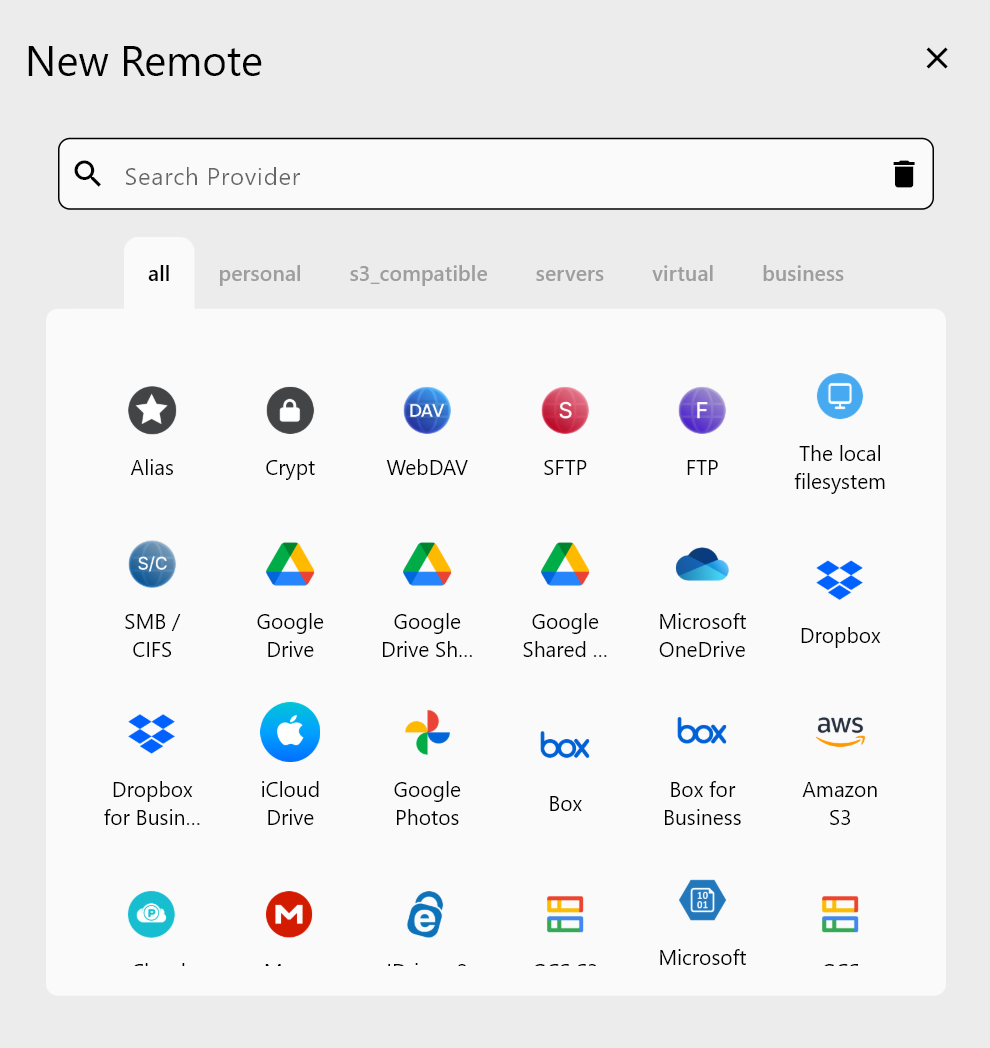
Both Tencent COS and Amazon S3 are S3-compatible, so RcloneView handles them through the same S3 provider framework. Click New Remote in RcloneView and select S3 Compatible Storage. From the provider dropdown, choose Tencent Cloud COS. Enter your Tencent Cloud SecretId and SecretKey from the Tencent Cloud Console, along with the correct endpoint for your COS region — for example, cos.ap-guangzhou.myqcloud.com for Guangzhou.
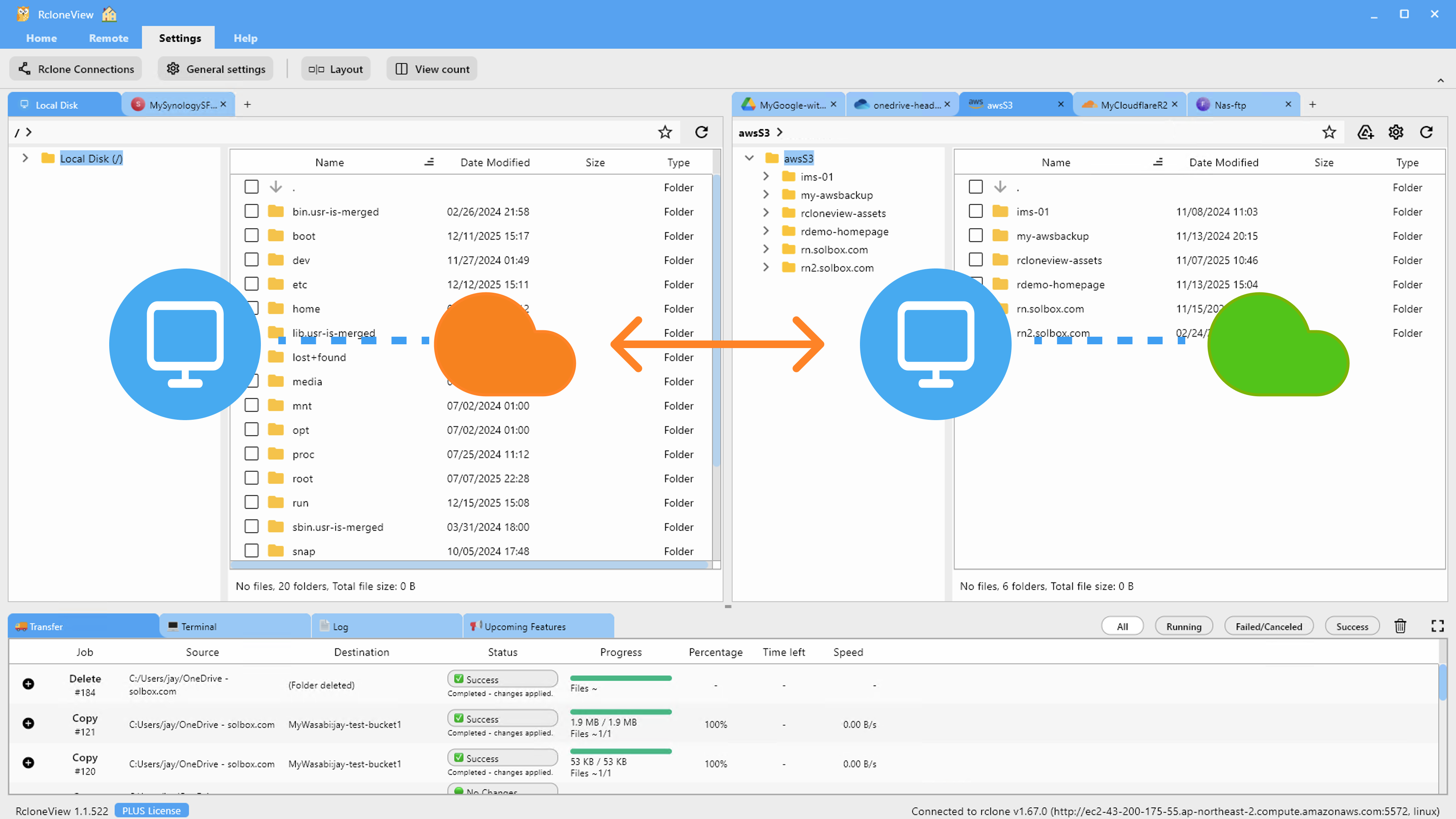
After saving, the Tencent COS remote appears in the dual-pane explorer. You can browse your COS buckets and objects, verify the content is accessible, and confirm that folder structures look as expected before setting up the sync job.
Adding Amazon S3 as the Destination
Click New Remote again and select Amazon S3. Enter your AWS Access Key ID and Secret Access Key, and specify the AWS region where your destination bucket is located. If your destination bucket does not yet exist, create it in the AWS S3 Console first — RcloneView will connect to it during configuration.
With both remotes configured, open them side by side in the dual-pane explorer to compare content and verify connectivity. You can perform a spot-check by browsing a few folders on each side before running a full sync job.
Creating and Scheduling the Sync Job
Open the Job Manager and launch the Job Wizard. Set the Tencent COS bucket (or a specific prefix) as the source and your Amazon S3 bucket as the destination. Before running the live sync, use the dry run option to preview what will be transferred. For the initial bulk migration of an existing COS bucket, the dry run helps estimate transfer size and catch any path or encoding issues.
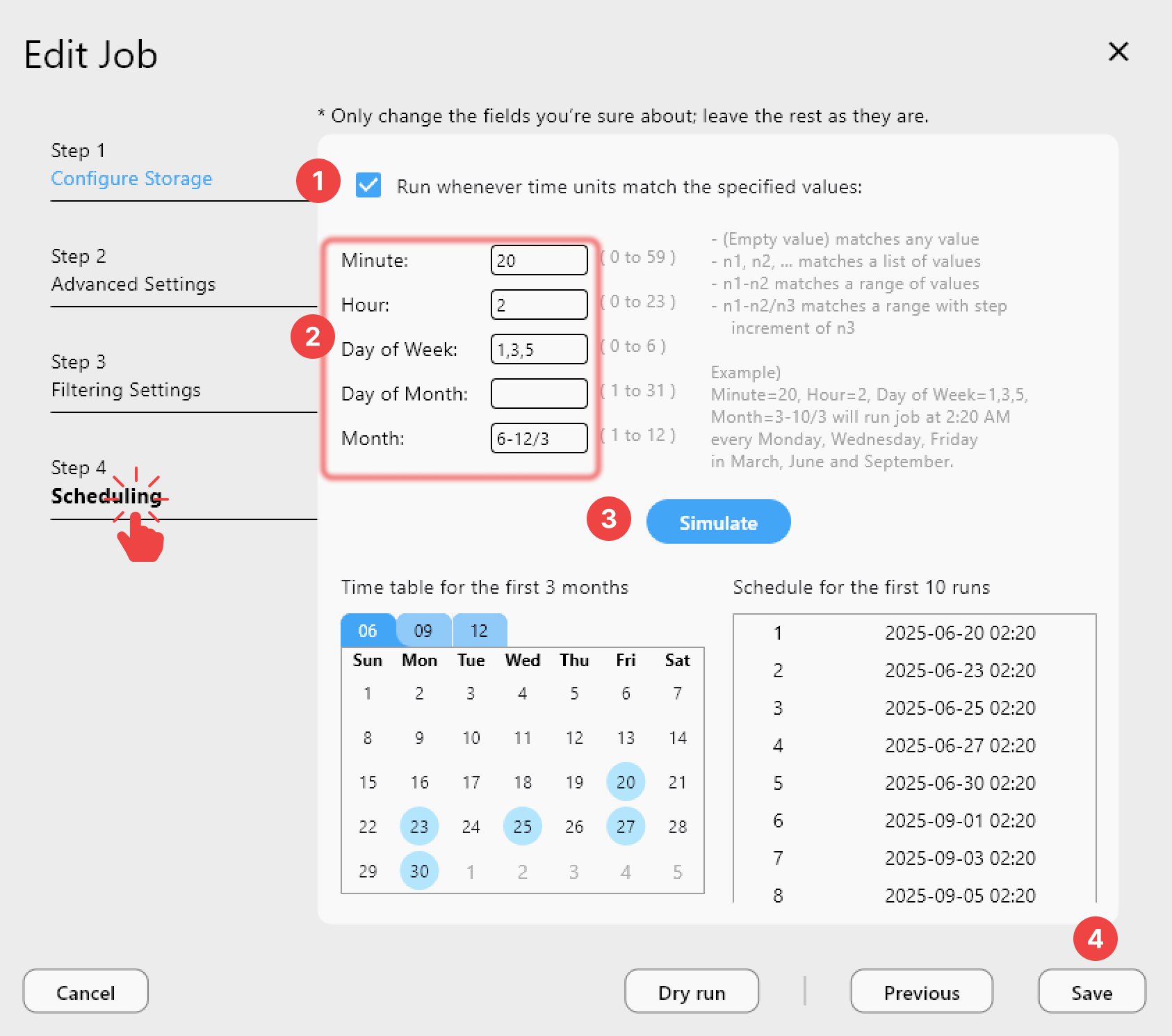
Once the job runs successfully, consider setting it up on a recurring schedule. PLUS license users can configure automatic sync jobs that run on a daily or weekly cadence, keeping the S3 replica up to date as new data lands in Tencent COS. The Job History panel logs every run, giving you visibility into transfer volumes and any errors.
Getting Started
- Download RcloneView from rcloneview.com.
- Add a Tencent Cloud COS remote via New Remote > S3 Compatible Storage > Tencent Cloud COS.
- Add an Amazon S3 remote with your AWS credentials.
- Use the Job Wizard to create a sync job from COS to S3 and run a dry run first.
- Schedule recurring sync jobs with a PLUS license for continuous cross-cloud replication.
Syncing from Tencent COS to Amazon S3 through RcloneView is one of the cleanest ways to achieve global data availability from a China-region primary store.
Related Guides:
- Manage Tencent COS — Cloud Sync with RcloneView
- Manage Amazon S3 — Cloud Sync and Backup with RcloneView
- Centralize S3, Wasabi, and R2 with RcloneView
Supported Cloud Providers