Sync Azure Blob Storage to Backblaze B2 — Cloud Backup with RcloneView
Moving data from Azure Blob Storage to Backblaze B2 can dramatically reduce your storage costs — RcloneView makes the migration and ongoing sync straightforward with a guided graphical interface.
Azure Blob Storage is widely used for enterprise workloads, but Backblaze B2 offers significantly lower storage pricing — often a fraction of Azure's cost — making it attractive as a secondary backup target or a full migration destination. Whether you want a one-time migration or a continuous sync for redundancy, RcloneView handles both without requiring command-line expertise. RcloneView ships with an embedded rclone binary, so there is nothing extra to install.
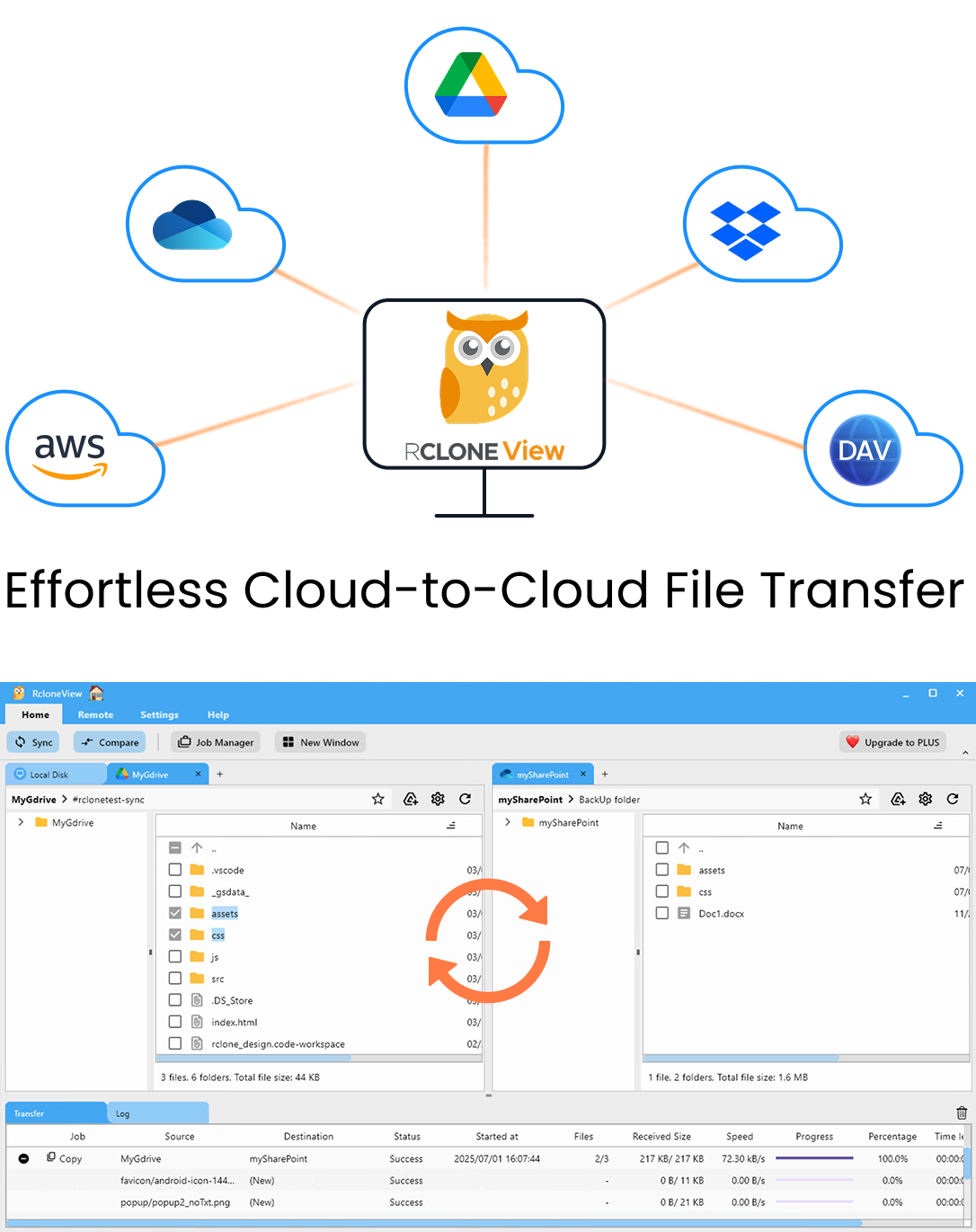
Manage & Sync All Clouds in One Place
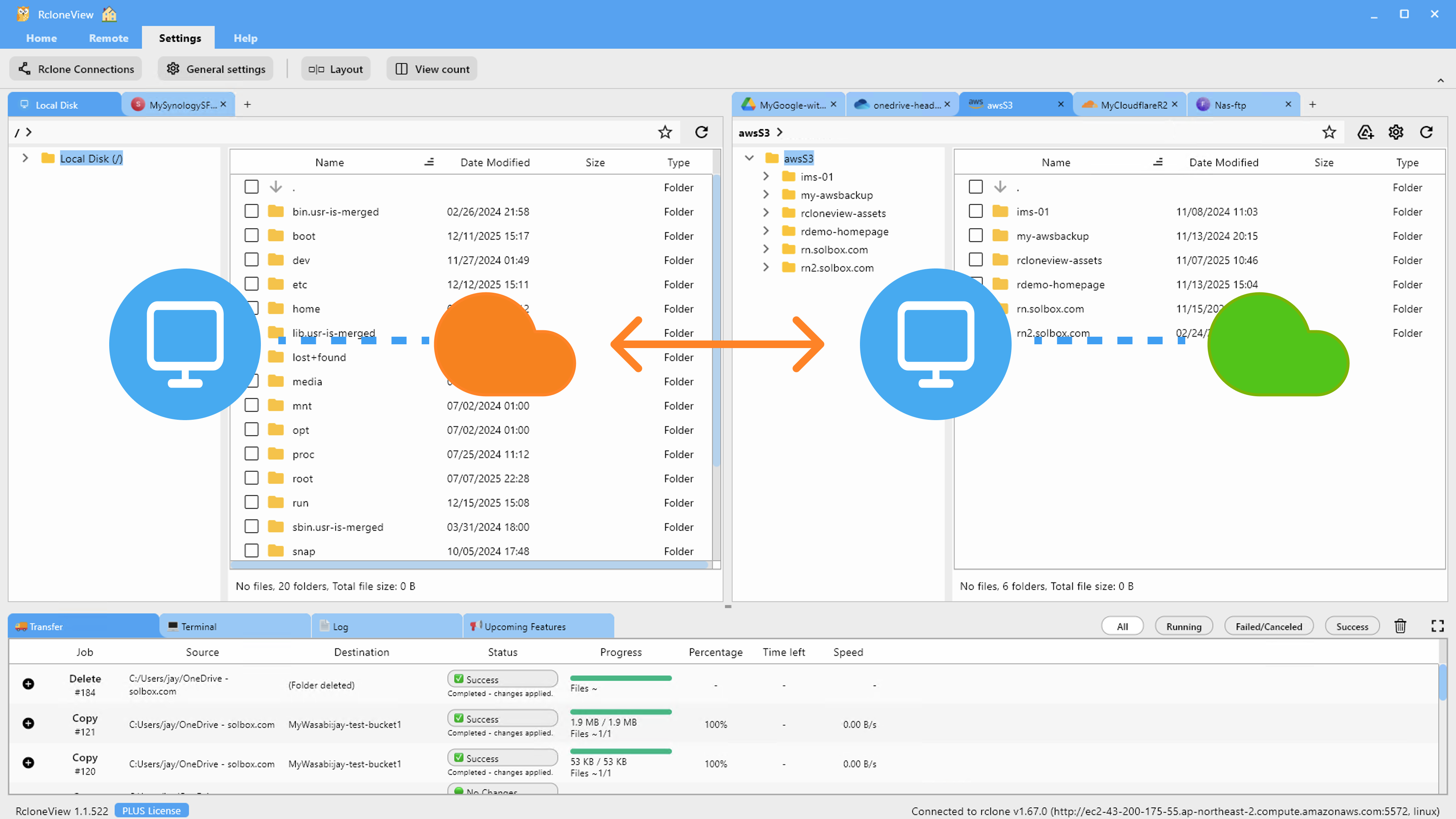
RcloneView is a cross-platform GUI for rclone. Compare folders, transfer or sync files, and automate multi-cloud workflows with a clean, visual interface.
- One-click jobs: Copy · Sync · Compare
- Schedulers & history for reliable automation
- Works with Google Drive, OneDrive, Dropbox, S3, WebDAV, SFTP and more
Free core features. Plus automations available.
Setting Up Azure Blob Storage in RcloneView
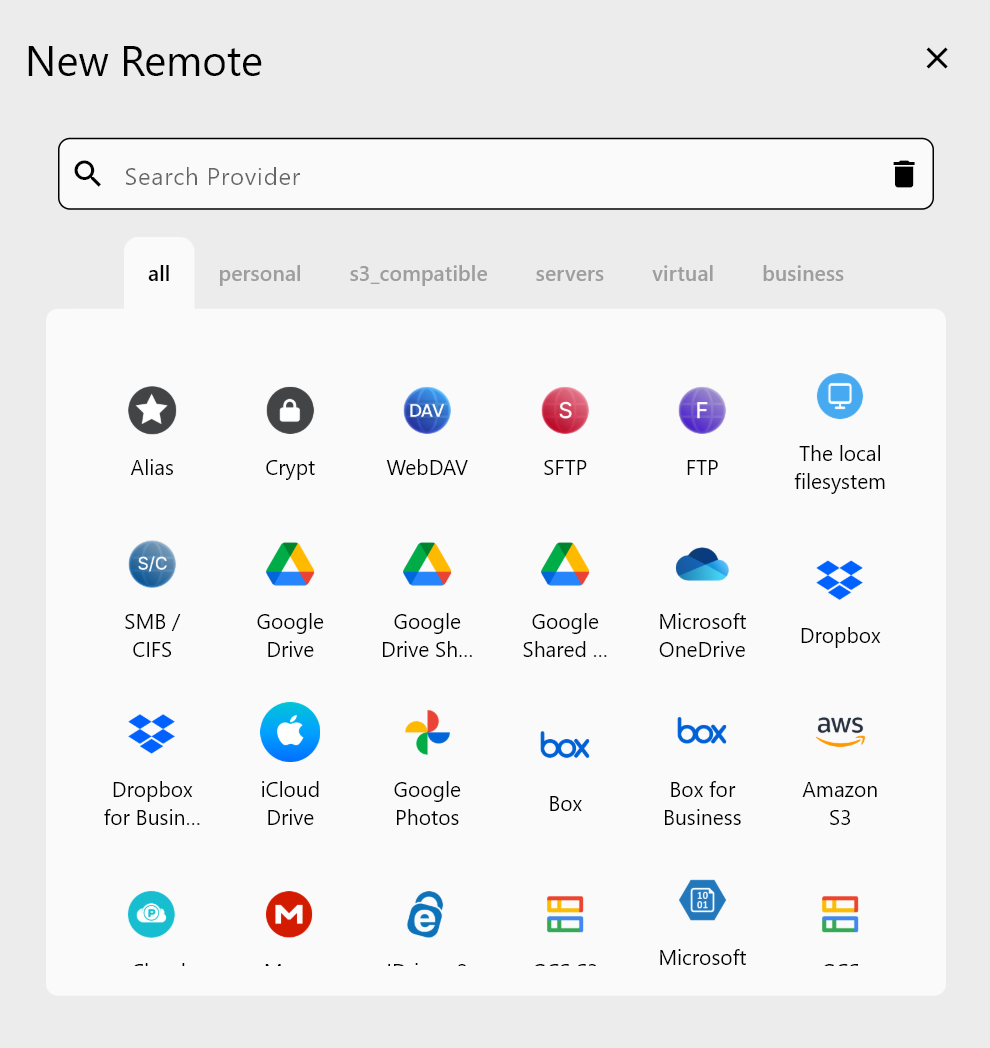
Click New Remote in RcloneView and select Microsoft Azure Blob Storage from the provider list. You will need your Storage Account Name and Storage Account Key from the Azure Portal (under your storage account > Access Keys). Optionally, you can use a SAS token or a connection string. After saving, RcloneView connects and lists all your blob containers.
If you use multiple Azure storage accounts — for example, separate accounts per environment or region — add each as its own named remote. RcloneView manages all of them from the same interface, so you can compare containers and move data between accounts with ease.
Connecting Backblaze B2
Add a second remote for Backblaze B2 by clicking New Remote again and selecting Backblaze B2. Enter your Application Key ID and Application Key from the Backblaze dashboard. You can scope the key to a specific bucket for extra security. After saving, the B2 remote appears in the explorer alongside your Azure remote.
Now you can open both remotes side by side in the dual-pane view. Drag and drop individual files or entire folder trees from Azure to B2 for one-off transfers. For migrations of large containers, the sync job approach is more reliable and resumable.
Creating and Scheduling the Sync Job
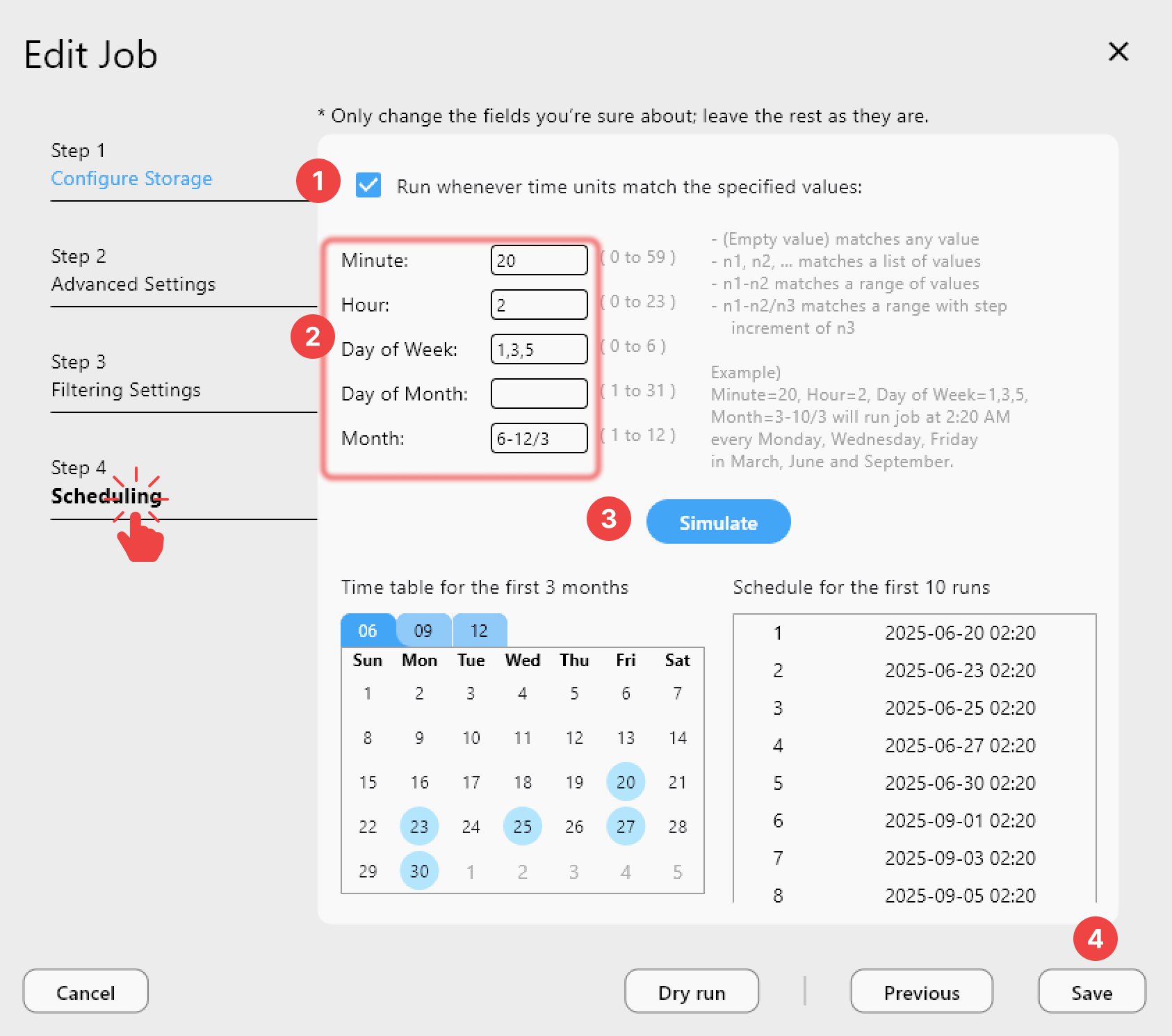
Open the Job Manager and use the four-step Job Wizard to create a sync job with Azure Blob as the source and Backblaze B2 as the destination. Always run a dry run first — this previews all additions and deletions without touching your data. Once you are satisfied with the preview, run the live sync.
For ongoing redundancy, PLUS license users can add a schedule to run the Azure-to-B2 sync automatically on a daily or weekly cadence. The Job History panel logs every run with file counts and transfer sizes, so you can verify that backups completed successfully and meet any compliance requirements.
Getting Started
- Download RcloneView from rcloneview.com.
- Add an Azure Blob Storage remote using your Storage Account Name and Key.
- Add a Backblaze B2 remote using your Application Key ID and Key.
- Open both remotes in the dual-pane explorer and use the Job Wizard to create a sync job.
- Run a dry run first, then schedule recurring syncs with a PLUS license.
Syncing from Azure Blob to Backblaze B2 through RcloneView is one of the most efficient ways to build a cost-effective cloud backup strategy without giving up on reliability.
Related Guides:
- Manage Azure Blob Storage — Cloud Sync with RcloneView
- Manage Backblaze B2 — Cloud Sync and Backup with RcloneView
- Migrate OneDrive to Backblaze B2 with RcloneView
Supported Cloud Providers