Cloud Storage for Animation Studios — Manage Production Assets with RcloneView

Animation studios generate terabytes of renders, rigs, and textures — RcloneView gives your team a single visual interface to back up, sync, and organize production assets across any cloud provider.
A mid-size animation studio producing a 20-minute episode can easily accumulate 10TB of project data: 3D scene files, high-resolution texture libraries, thousands of rendered EXR frames, compositing projects, and final delivery masters. Moving this volume of data reliably across cloud providers — and making it accessible to remote artists — is a persistent operational challenge. RcloneView addresses it directly, providing a visual no-CLI interface to manage cloud storage across 90+ providers from one desktop application.
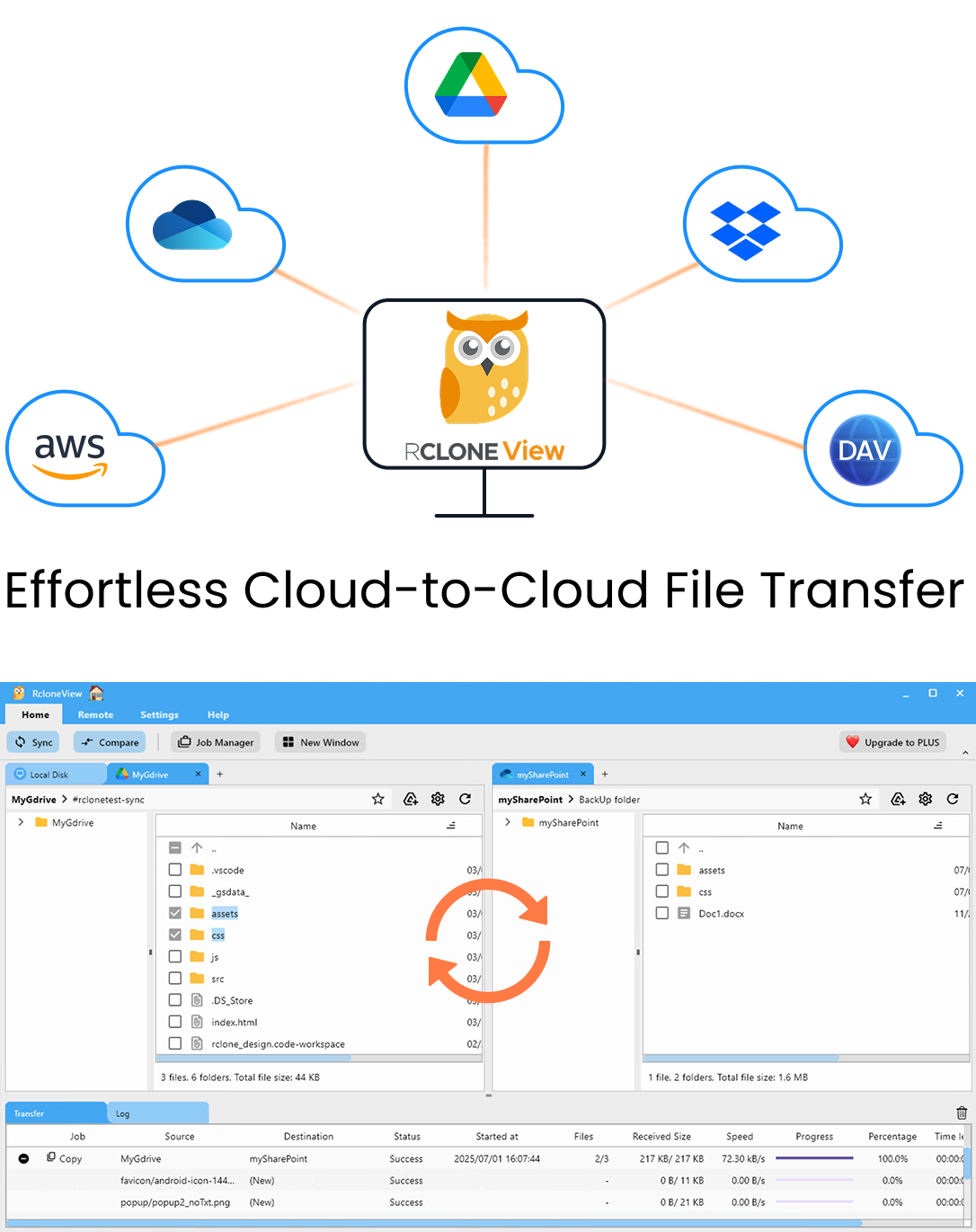
Manage & Sync All Clouds in One Place
RcloneView is a cross-platform GUI for rclone. Compare folders, transfer or sync files, and automate multi-cloud workflows with a clean, visual interface.
- One-click jobs: Copy · Sync · Compare
- Schedulers & history for reliable automation
- Works with Google Drive, OneDrive, Dropbox, S3, WebDAV, SFTP and more
Free core features. Plus automations available.
The Cloud Storage Challenge in Animation Production
Animation pipelines depend on a layered asset hierarchy: concept art and reference at the top, shot-level 3D scenes and rigs in the middle, and render farms outputting tens of thousands of image sequences at the bottom. Each layer benefits from a different storage tier — fast accessible clouds (Google Drive, Dropbox) for in-progress files, high-capacity object stores (Wasabi, Backblaze B2) for render output, and encrypted archives for completed productions.
Managing movement between these tiers has historically required rclone CLI scripts, inaccessible to production coordinators and leads who aren't system administrators. RcloneView wraps rclone's transfer engine in a graphical explorer that any team member can operate — supervisors configure jobs once, and everyone else browses, downloads, and monitors from the same interface.
Backing Up Render Output Automatically
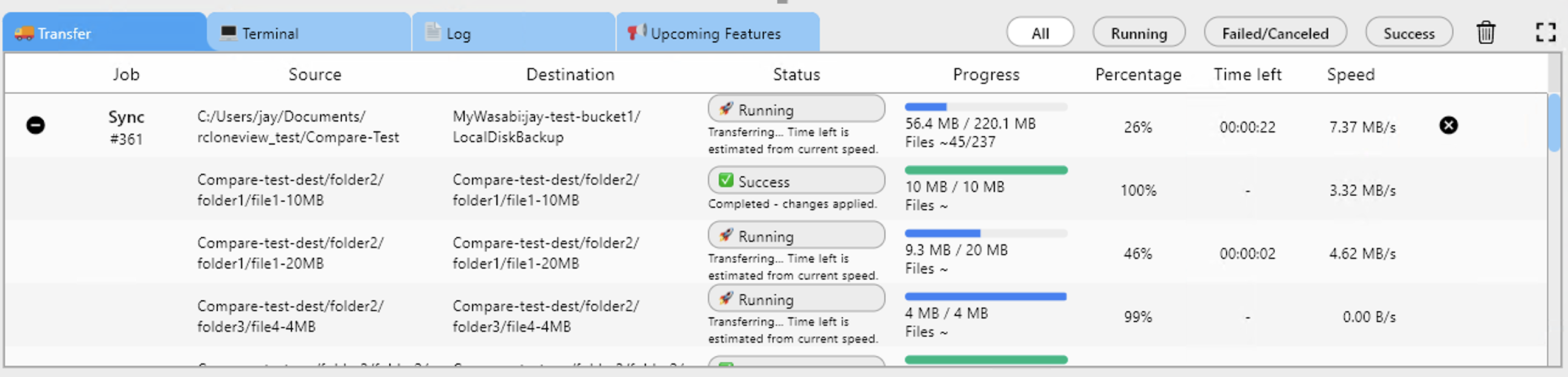
Render farms produce image sequences fast enough to fill local storage within days on a heavy production. The reliable approach is to offload completed sequences to cloud object storage immediately after rendering completes. With RcloneView, configure a sync job pointing your render output folder at a Wasabi or Amazon S3 bucket, add file-type filters to include only EXR, TIFF, and DPX sequences, and exclude temporary render-cache data.
With 1:N synchronization, a single render output folder can fan out to both a Wasabi bucket (for active access by the compositing team) and a Backblaze B2 bucket (for long-term archive) in one operation. Enable checksum verification in the job settings to catch any corruption introduced during transfer — critical when hundreds of render hours are at stake.
Syncing Assets Between Cloud Providers
Animation studios typically operate across multiple cloud providers simultaneously — Google Workspace for documents and collaboration, an S3-compatible bucket for render storage, and a platform like Dropbox or pCloud for client deliverable sharing. RcloneView's two-panel file explorer makes moving assets between these entirely visual: browse the source on the left, the destination on the right, and drag or copy across.
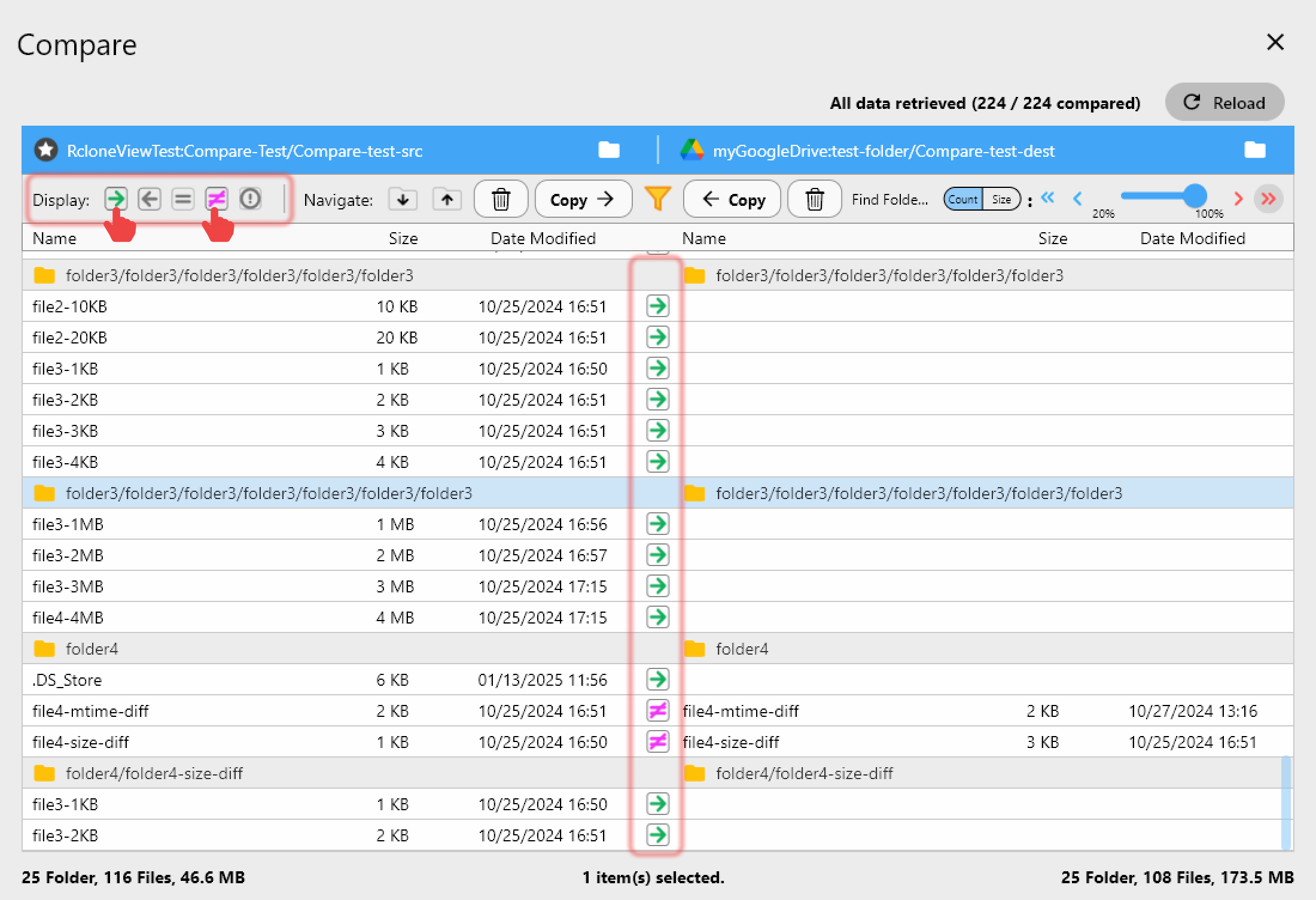
For final deliverable packages — a ProRes master, a DCP, or a high-resolution texture archive — use the Folder Compare feature to verify the delivered copy matches the source before confirming receipt. RcloneView displays a side-by-side diff showing which files are identical, different in size, or present on only one side, replacing the unreliable manual spot-checks most studios depend on today.
Archiving Completed Productions with Encryption
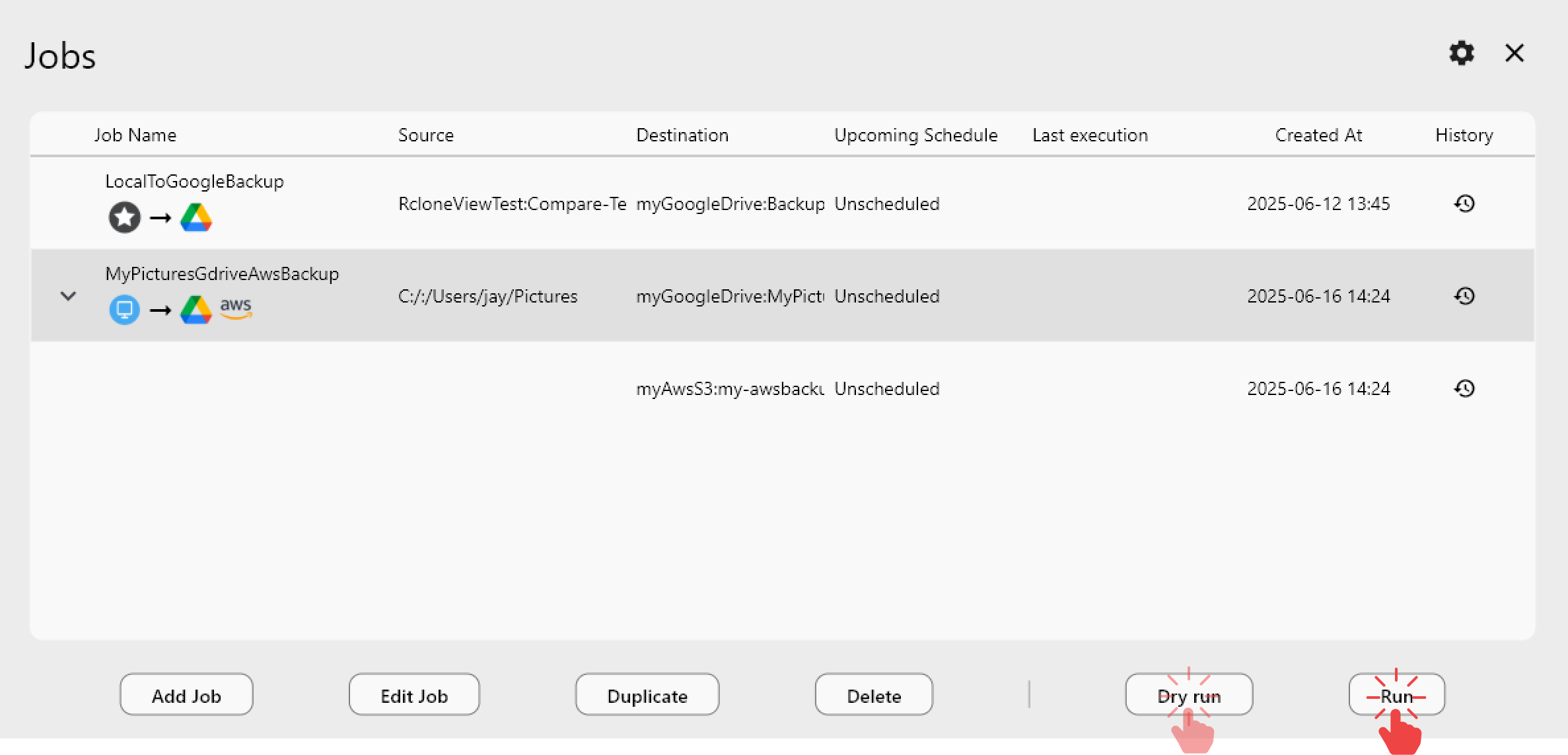
Once a production wraps, studios need to archive everything reliably: all project files, render passes, and deliverables. Configure a one-time copy job in RcloneView's Job Manager, run it with Dry Run first to verify what will be transferred, then execute. The Job History log records every file transferred, the total size, and duration — giving the production coordinator documentation suitable for project closeout.
For encryption-sensitive archives (client-owned IP, licensed character rigs), pair the destination with a Crypt virtual remote. Crypt wraps any existing cloud storage with transparent encryption — the studio retains the keys, and the cloud provider sees only opaque encrypted blobs. This satisfies most studio NDA requirements while enabling redundant cloud archival across providers.
Getting Started
- Download RcloneView from rcloneview.com.
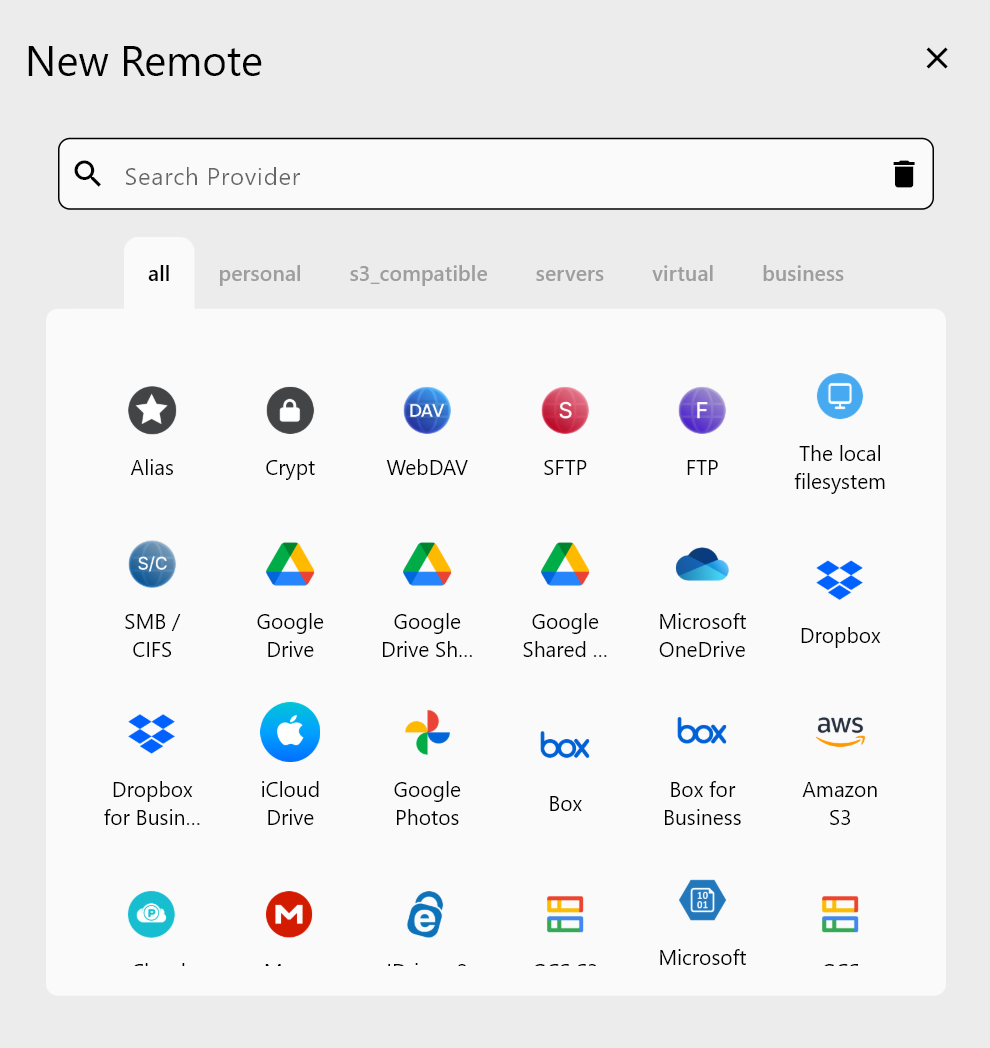
- Add your cloud storage providers (Google Drive, Wasabi, Backblaze B2, etc.) via Remote tab > New Remote.
- Set up render-output sync jobs in the Job Manager with file-type filters targeting image sequence formats.
- Enable scheduling (PLUS license) to run nightly archive jobs at a set time while the render farm is idle.
Centralizing cloud storage management inside RcloneView lets production teams focus on the creative work — not on coordinating file transfers across a patchwork of storage providers.
Related Guides:
- Cloud Storage for Video Production Teams with RcloneView
- Cloud Storage for Media and Entertainment Studios with RcloneView
- Manage Digital Assets Across Multiple Clouds with RcloneView
Supported Cloud Providers