Manage IONOS Object Storage — Sync and Backup Files with RcloneView

Connect IONOS Object Storage to RcloneView and manage your European cloud files visually — sync, backup, and transfer without touching the command line.
IONOS Object Storage is an S3-compatible cloud storage service from IONOS SE, one of Europe's largest cloud infrastructure providers. Teams running GDPR-sensitive workflows or requiring European data residency are increasingly turning to IONOS as a reliable, cost-efficient object store. With RcloneView, you can connect, browse, sync, and automate backups to IONOS from a clean desktop GUI — no rclone commands required.
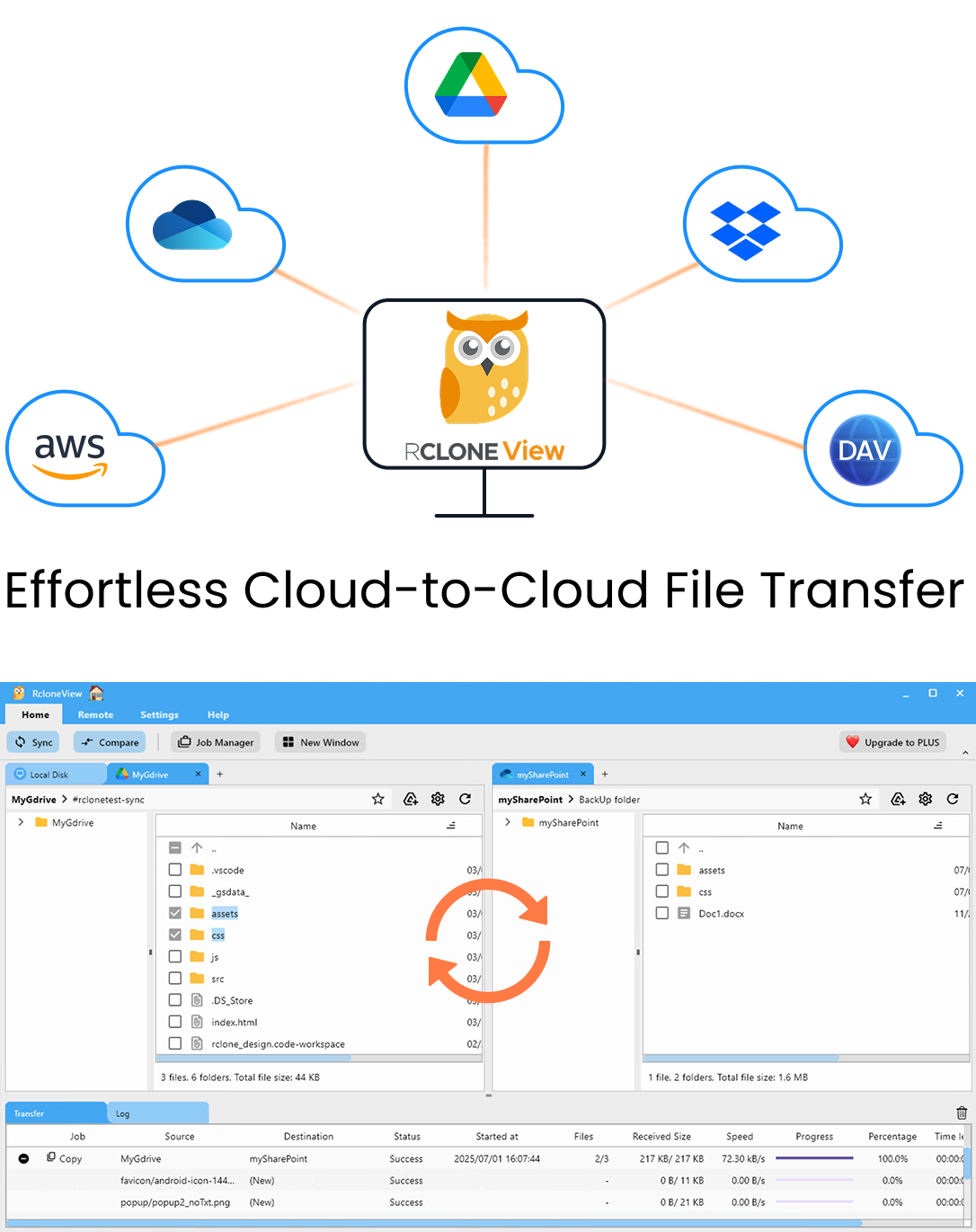
Manage & Sync All Clouds in One Place
RcloneView is a cross-platform GUI for rclone. Compare folders, transfer or sync files, and automate multi-cloud workflows with a clean, visual interface.
- One-click jobs: Copy · Sync · Compare
- Schedulers & history for reliable automation
- Works with Google Drive, OneDrive, Dropbox, S3, WebDAV, SFTP and more
Free core features. Plus automations available.
Connecting IONOS Object Storage to RcloneView
IONOS Object Storage uses the S3-compatible API, meaning it accepts the same Access Key, Secret Key, and endpoint configuration as Amazon S3. Any tool that supports S3 — including rclone — can read and write to IONOS buckets without any provider-specific adapters.
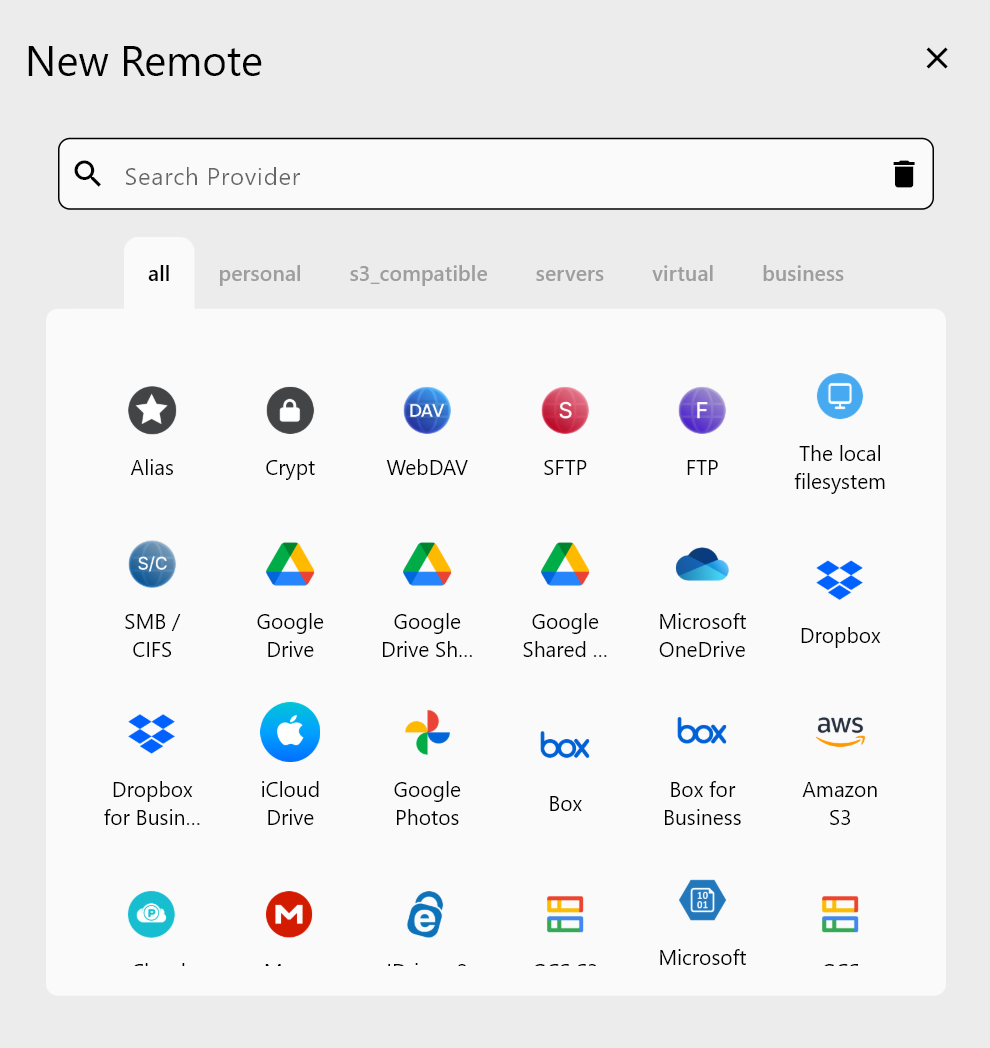
To add IONOS as a remote, open the Remote tab and click New Remote. Select Amazon S3 as the provider type, then enter your IONOS Access Key ID, Secret Access Key, and regional endpoint URL from the IONOS control panel. Once saved, your buckets appear in the two-panel file explorer immediately. You can browse folders, preview images in thumbnail view, and right-click any file to copy, move, rename, or generate a public link — all in a familiar desktop interface.
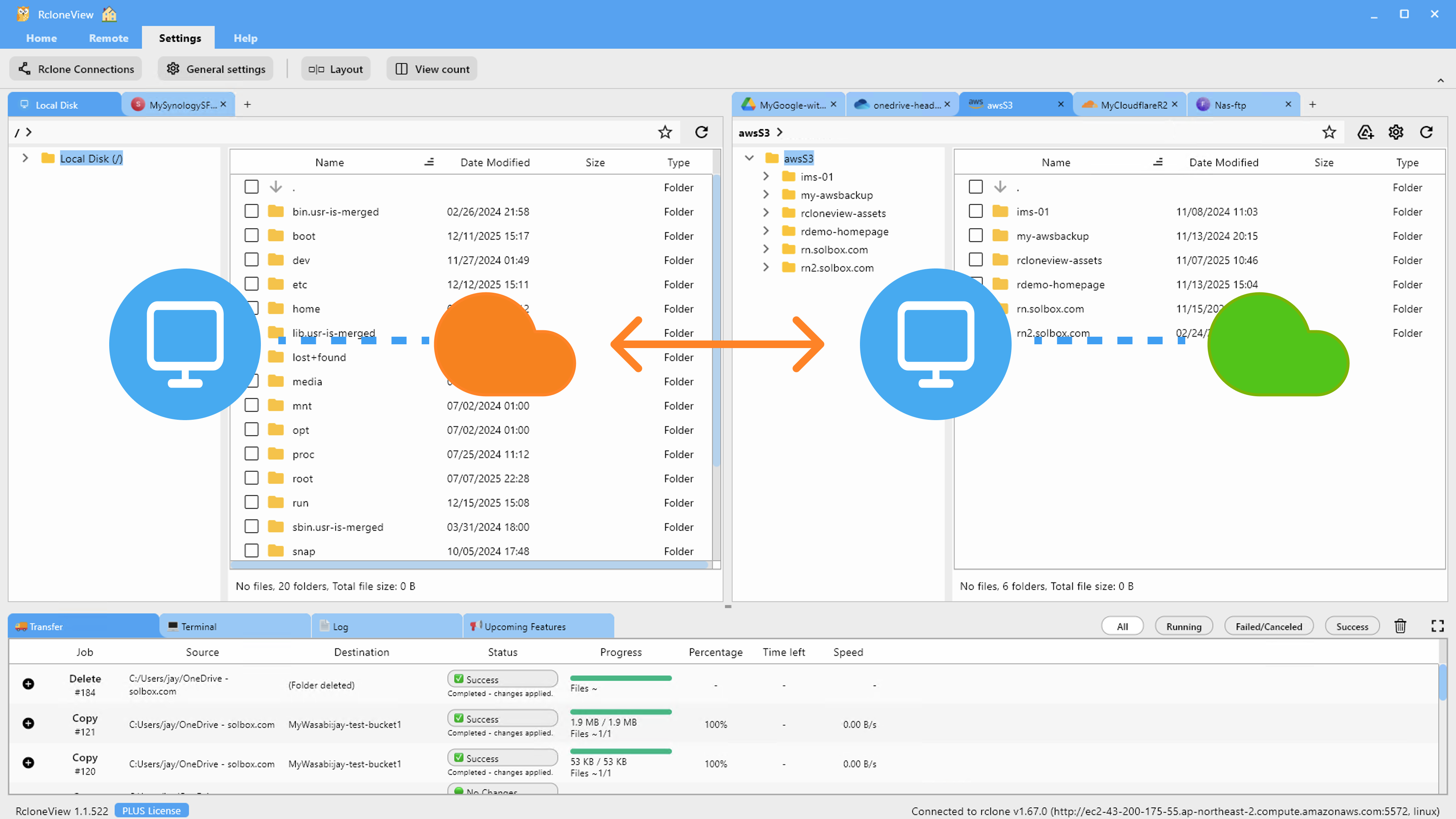
Syncing IONOS with Other Cloud Providers
RcloneView's cloud-to-cloud transfer engine lets you move data between IONOS and any other remote without downloading to local disk first. A legal team archiving GDPR-regulated documents to IONOS might simultaneously sync that archive to an encrypted Crypt remote on Backblaze B2 as a secondary off-site backup — configured once and running from the same Job Manager window.
RcloneView also supports 1:N synchronization: one IONOS source can fan out to multiple destinations simultaneously. A media agency with 500GB of campaign assets can mirror their IONOS bucket to both Wasabi and a local NAS in a single scheduled job. The sync wizard's checksum option ensures byte-perfect copies between IONOS and any destination, catching corruption that file-size comparison alone would miss.
Automating Scheduled Backups to IONOS
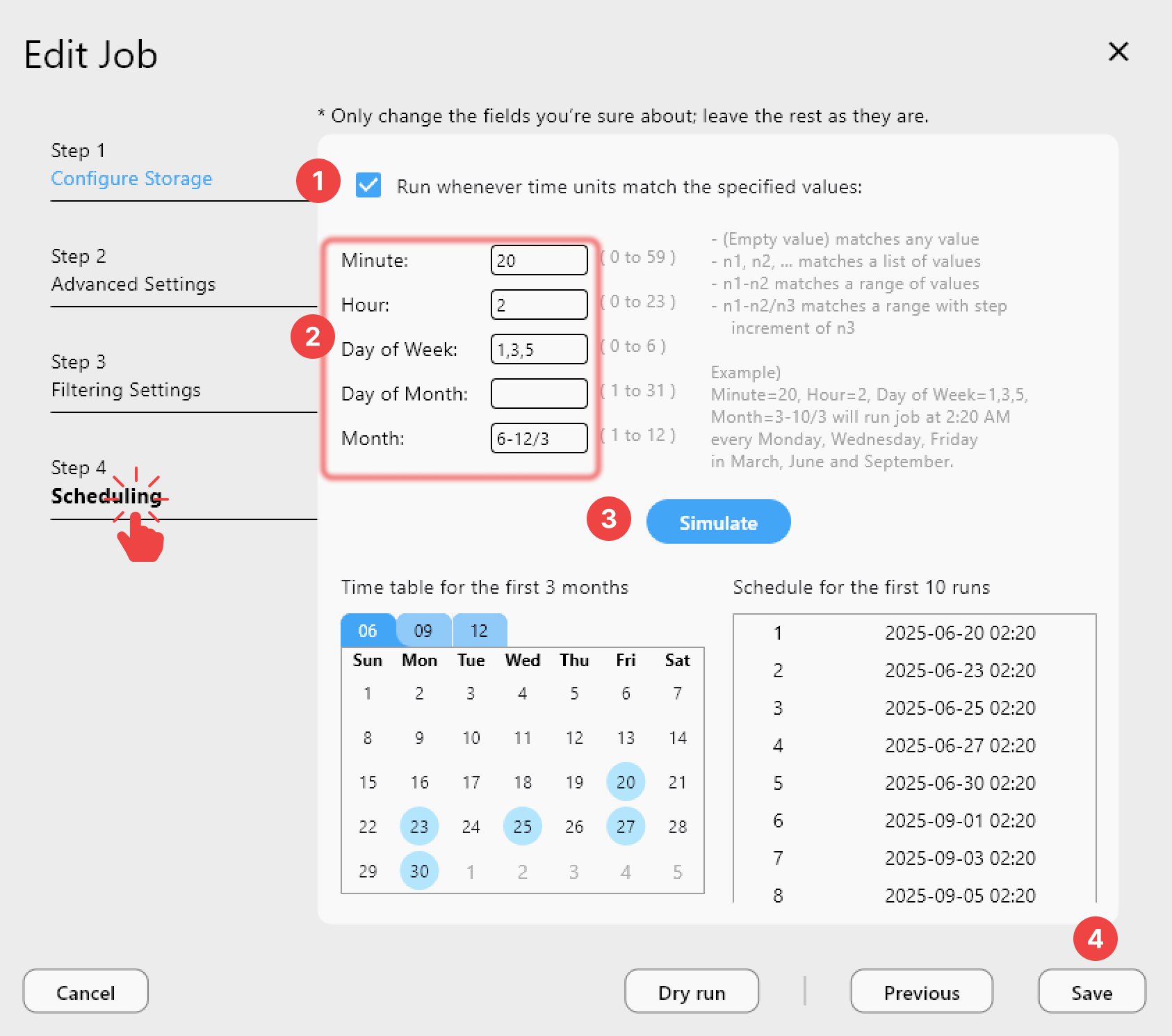
With a RcloneView PLUS license, you can attach a crontab-style schedule to any sync job. A nightly backup from a local folder to an IONOS bucket becomes a fully automated routine — configure it once, and RcloneView runs it in the background at the specified time, even with the main window closed.
The scheduling wizard accepts minute, hour, day-of-week, and month fields, supporting lists (1,3,5), ranges (9-17), and step intervals (*/2). Use the built-in Simulate schedule button to preview the next execution times before saving. After each run, the Job History tab records start time, duration, file count, transfer size, and status — giving you a clean audit trail without any additional monitoring tool.
Getting Started
- Download RcloneView from rcloneview.com.
- Open Remote tab > New Remote, select Amazon S3 as the provider type, and enter your IONOS Access Key ID, Secret Access Key, and endpoint from the IONOS control panel.
- Browse your IONOS buckets in the file explorer and verify access.
- Create a sync or backup job in the Job Manager — optionally enable scheduling (PLUS) for automated nightly runs.
IONOS Object Storage paired with RcloneView gives European teams a GDPR-friendly, S3-compatible storage back end with the usability of a native desktop file manager.
Related Guides:
- Manage Wasabi Object Storage with RcloneView
- Manage IDrive E2 Cloud Storage with RcloneView
- Centralize Amazon S3, Wasabi, and Cloudflare R2 with RcloneView
Supported Cloud Providers