Cloud Storage for Architecture Firms — Manage CAD and BIM Files with RcloneView

Architecture firms deal with project files that can reach hundreds of gigabytes per project — RcloneView makes it practical to back up, sync, and archive CAD and BIM assets across cloud providers without complex scripting.
A mid-sized architecture firm working on a mixed-use development generates enormous amounts of data: Revit models, AutoCAD drawings, point-cloud scans, rendering outputs, and client deliverables that collectively can top 500 GB per project phase. Keeping those files backed up, accessible to distributed teams, and archived at project close is a genuine operational challenge. RcloneView provides a desktop GUI for rclone that lets practices set up reliable cloud workflows through a visual interface — no command line expertise required.
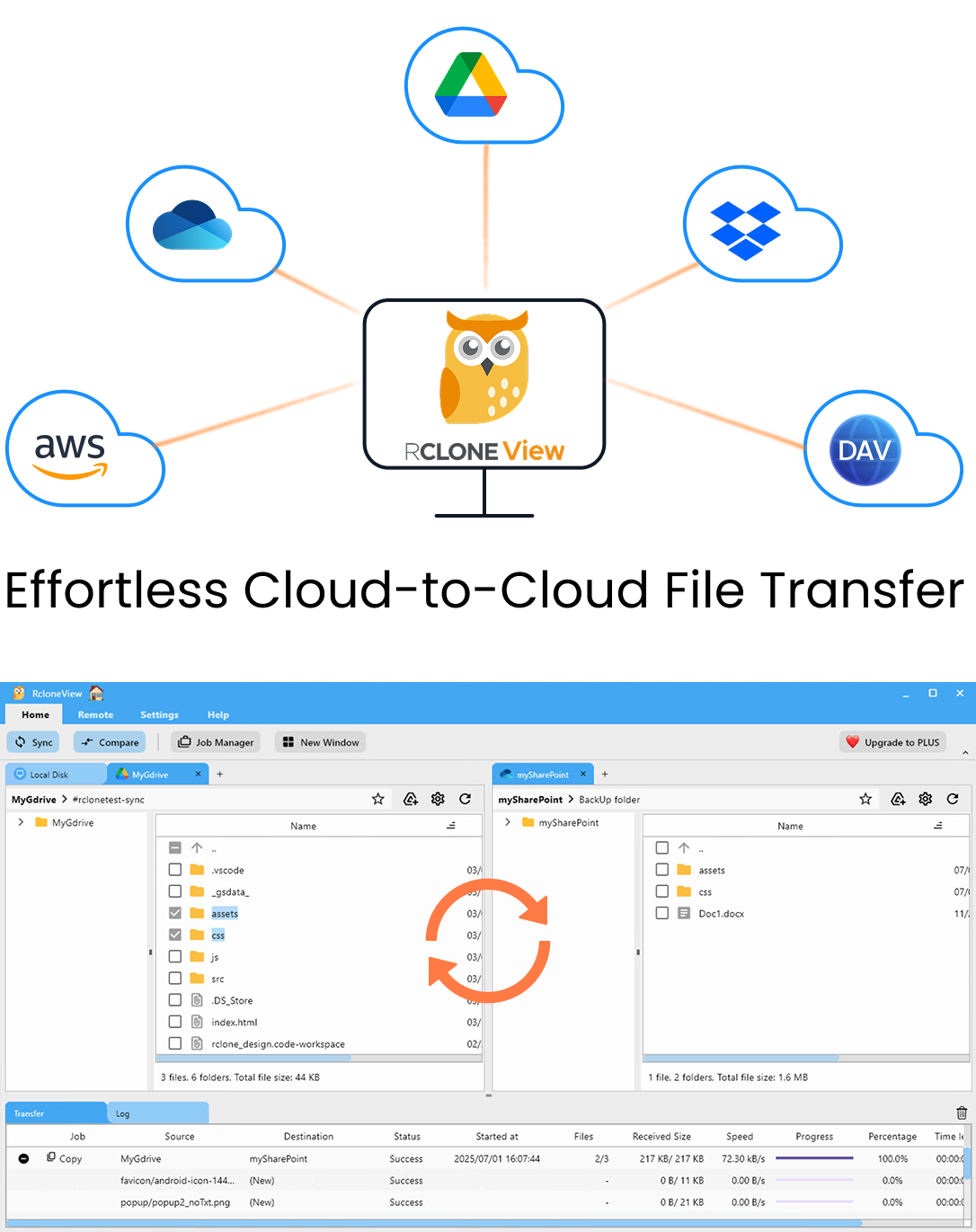
Manage & Sync All Clouds in One Place
RcloneView is a cross-platform GUI for rclone. Compare folders, transfer or sync files, and automate multi-cloud workflows with a clean, visual interface.
- One-click jobs: Copy · Sync · Compare
- Schedulers & history for reliable automation
- Works with Google Drive, OneDrive, Dropbox, S3, WebDAV, SFTP and more
Free core features. Plus automations available.
The File Management Problem Architecture Firms Face
CAD and BIM files share two traits that make standard cloud sync tools struggle: they are large (individual Revit models routinely exceed 1 GB) and they change incrementally as projects evolve. Consumer-grade sync tools often re-upload entire files on every save, burning bandwidth and storage. RcloneView delegates transfers to rclone, which performs size-and-checksum comparisons to transfer only what has genuinely changed — critical when a team member saves a model update over a slow VPN connection from a remote site visit.
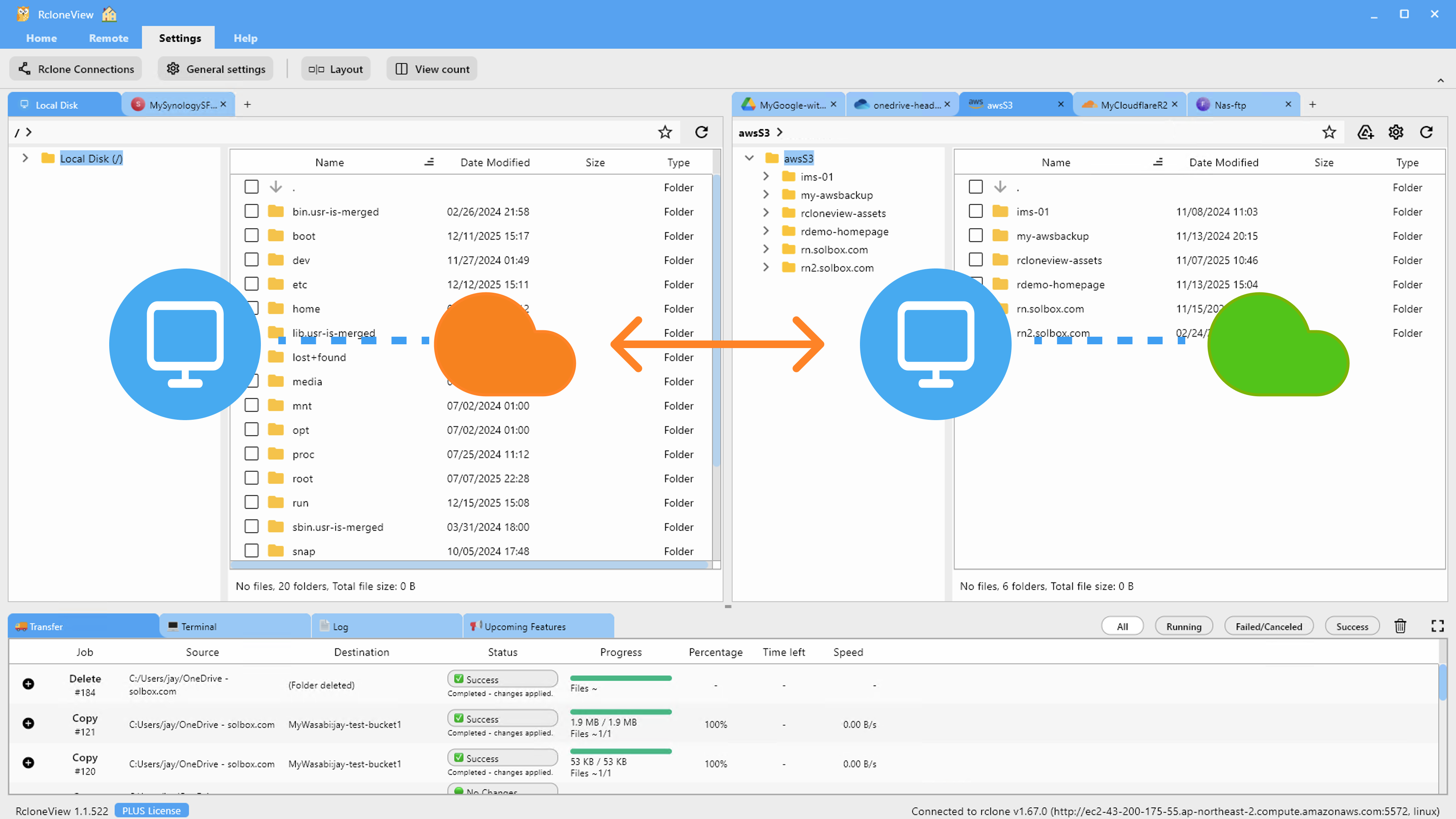
RcloneView supports Amazon S3, Google Drive, SharePoint, OneDrive, Backblaze B2, and dozens more from its 90+ supported providers — all manageable from a single interface. A practice can connect S3 for primary project storage, Google Drive for client-sharing, and Backblaze B2 as a low-cost off-site archive — and manage all three from one application window.
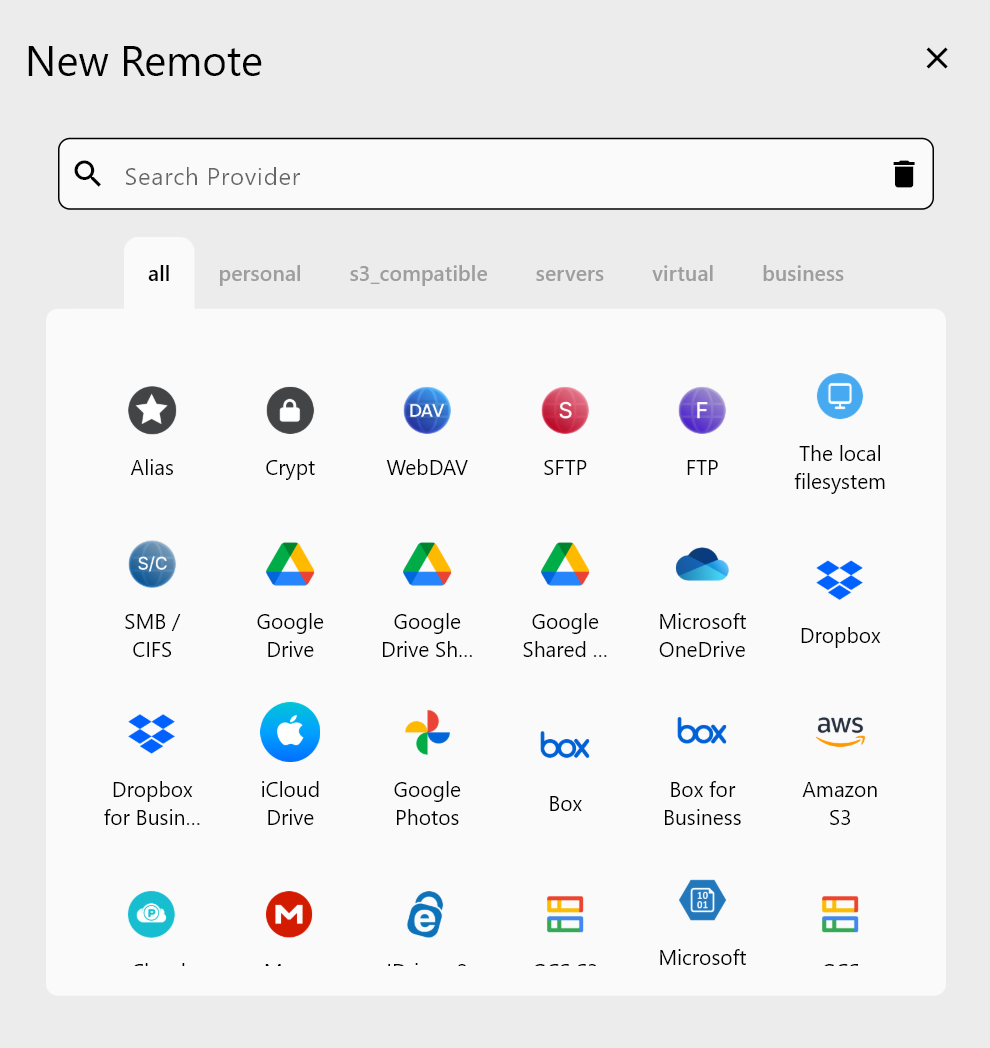
Setting Up Project Backup Workflows
RcloneView's four-step sync wizard is well suited to the directory structure most firms use: a top-level project folder with subdirectories for discipline (structural, MEP, architectural) and phase (schematic design, design development, construction documents). You set the local NAS or network share as the source, the S3 bucket or OneDrive library as the destination, and configure how deep the sync descends.
Filtering rules let you exclude working scratch files (*.bak, *.rvt.backup) and set a maximum file age so that archival renders from closed projects don't get re-synced on every run. The Dry Run mode shows exactly which files would transfer before any data moves — useful when onboarding a new project folder and wanting to confirm the sync logic matches expectations before committing.
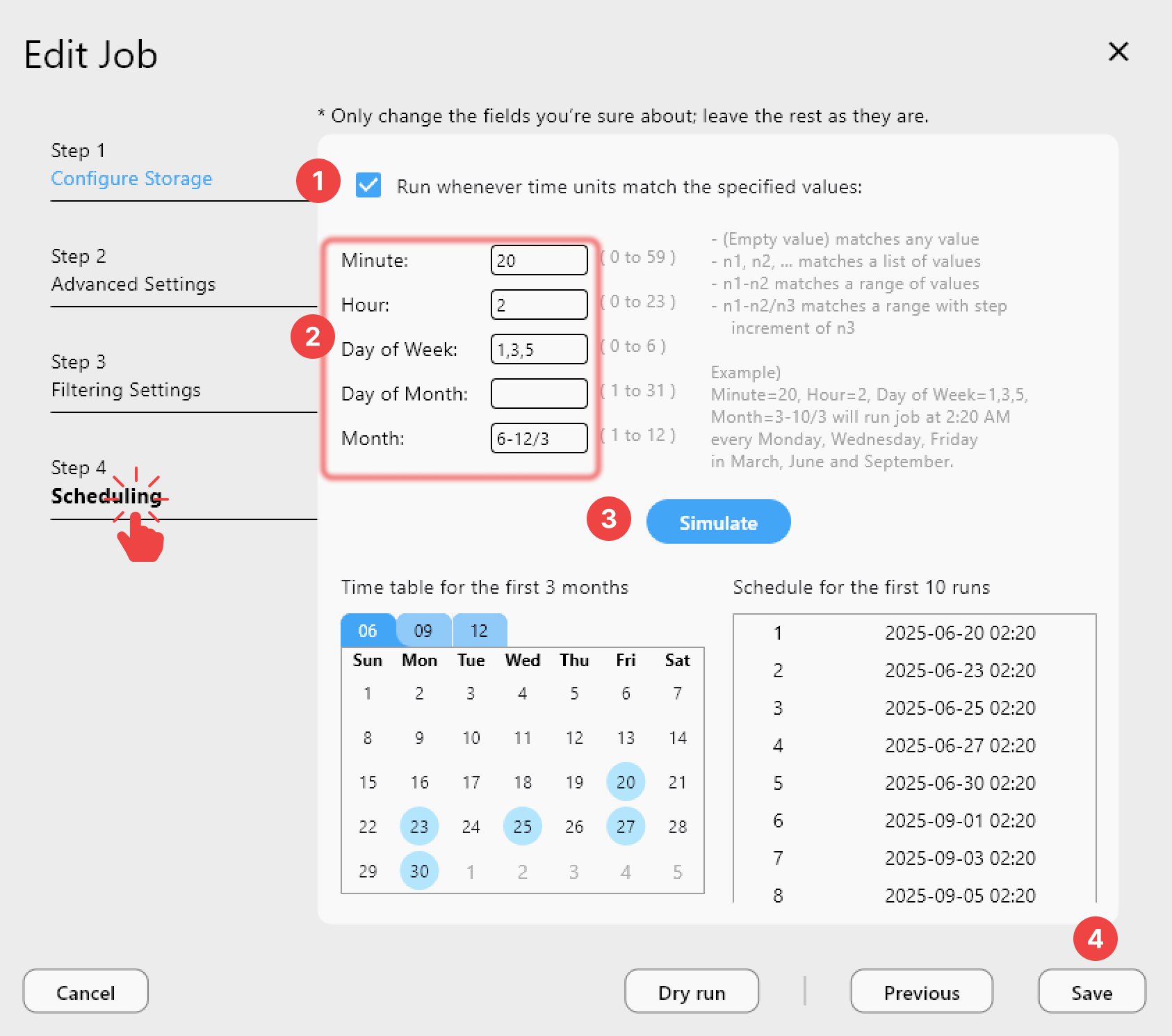
Scheduling Nightly Backups and Project Archives
With a PLUS license, RcloneView's cron-style scheduler runs backup jobs automatically at defined intervals. Firms typically configure nightly syncs during off-hours (2–4 AM) when the office network is quiet and file activity is low. Each run is logged in the Job History panel — file count, total size transferred, duration, and success or error status — giving project managers a clear record of backup health without needing to inspect log files manually.
At project handover, a second archival job can copy the complete project folder from hot storage (S3 Standard) to a long-term bucket (or Backblaze B2) as a permanent record. Because RcloneView supports 1:N synchronization, a single job can simultaneously push the archive to two destinations for redundancy.
Comparing Revisions Across Cloud Storage
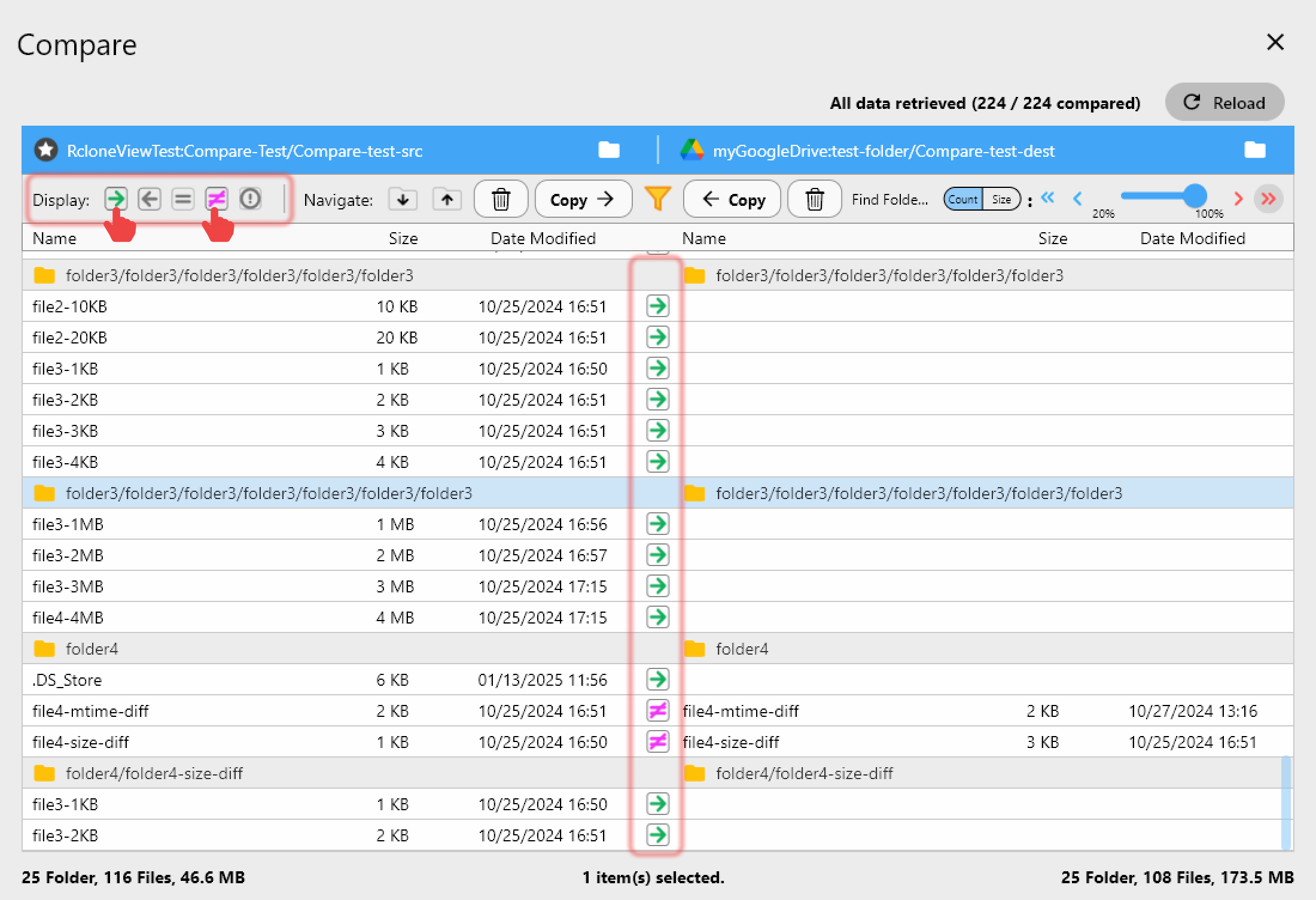
RcloneView's Folder Compare feature visualizes differences between two locations — for example, the local project folder and its cloud backup — showing which files exist only locally, only in the cloud, or differ in size between the two. For firms that track drawing revisions manually, this gives a quick sanity check: comparing the local "Issued for Construction" folder against the client SharePoint library confirms that the latest drawing set was actually delivered before a submission deadline.
Getting Started
- Download RcloneView from rcloneview.com.
- Add your primary project storage as a remote — Amazon S3, OneDrive, or another supported provider.
- Use the sync wizard to map your project folder structure and configure file filters to exclude scratch and backup files.
- Set up a scheduled nightly backup job and verify it using Dry Run before activating the schedule.
For firms tired of ad-hoc manual backups and storage sprawl across disconnected drives, RcloneView brings structure and automation to the entire project lifecycle — from active design through long-term archival.
Related Guides:
- Manage Digital Assets Across Multi-Cloud Storage with RcloneView
- Cloud Storage for Creative Agencies with RcloneView
- Automate Daily Cloud Backups with RcloneView
Supported Cloud Providers