Cloud Storage for Creative Agencies — Asset Management with RcloneView

Creative agencies juggle massive project libraries across multiple platforms. RcloneView unifies your cloud storage into one interface for fast delivery, reliable backups, and smarter cost management.
A mid-size creative agency might have 5TB of active project files split across Dropbox for client sharing, Google Drive for internal collaboration, and Amazon S3 for long-term archiving. Managing those silos manually — downloading, re-uploading, tracking what's where — burns hours that should go toward creative work. RcloneView connects all your cloud accounts in a single GUI and automates the movement of assets between them.
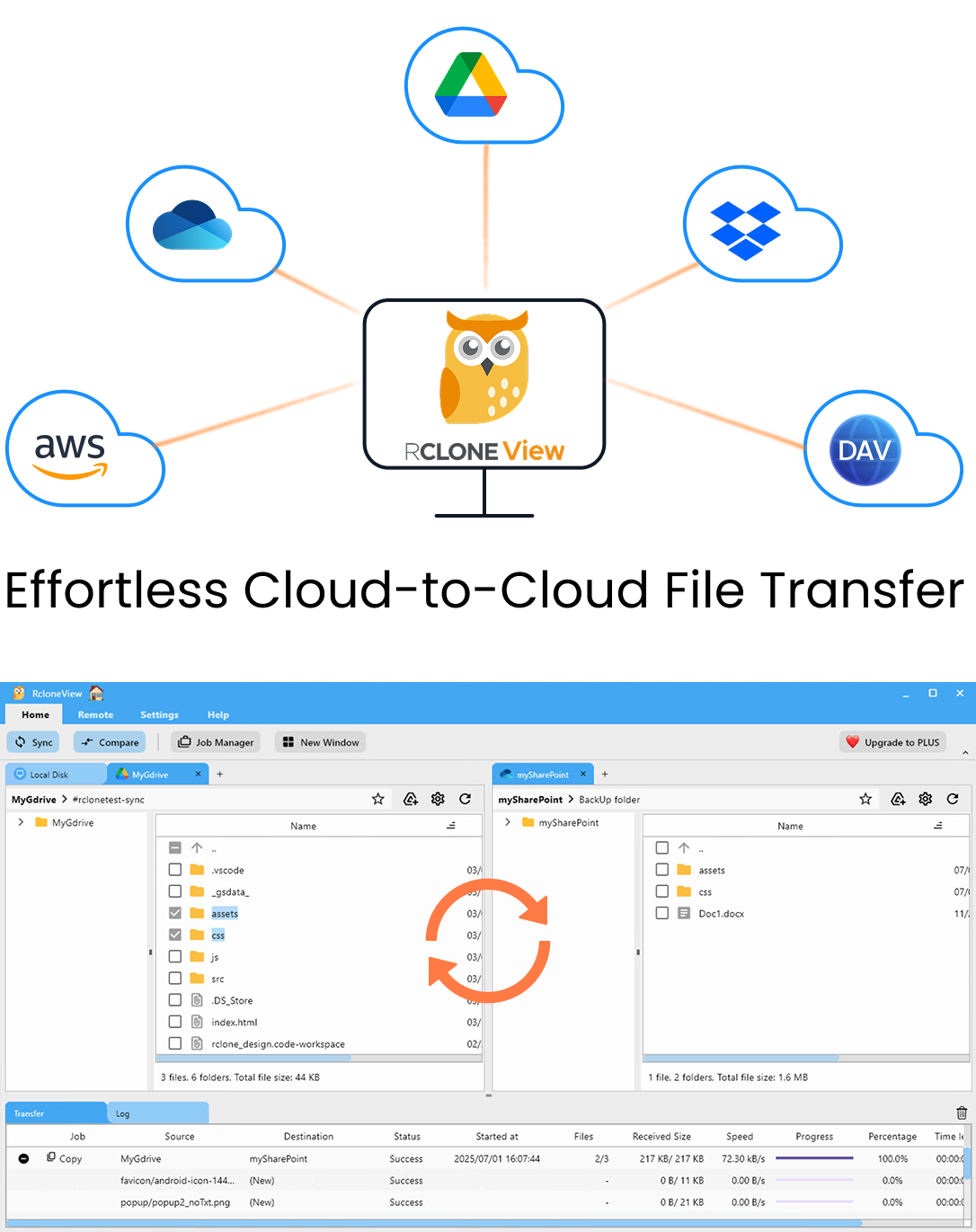
Manage & Sync All Clouds in One Place
RcloneView is a cross-platform GUI for rclone. Compare folders, transfer or sync files, and automate multi-cloud workflows with a clean, visual interface.
- One-click jobs: Copy · Sync · Compare
- Schedulers & history for reliable automation
- Works with Google Drive, OneDrive, Dropbox, S3, WebDAV, SFTP and more
Free core features. Plus automations available.
Centralizing Project File Delivery Across Clouds
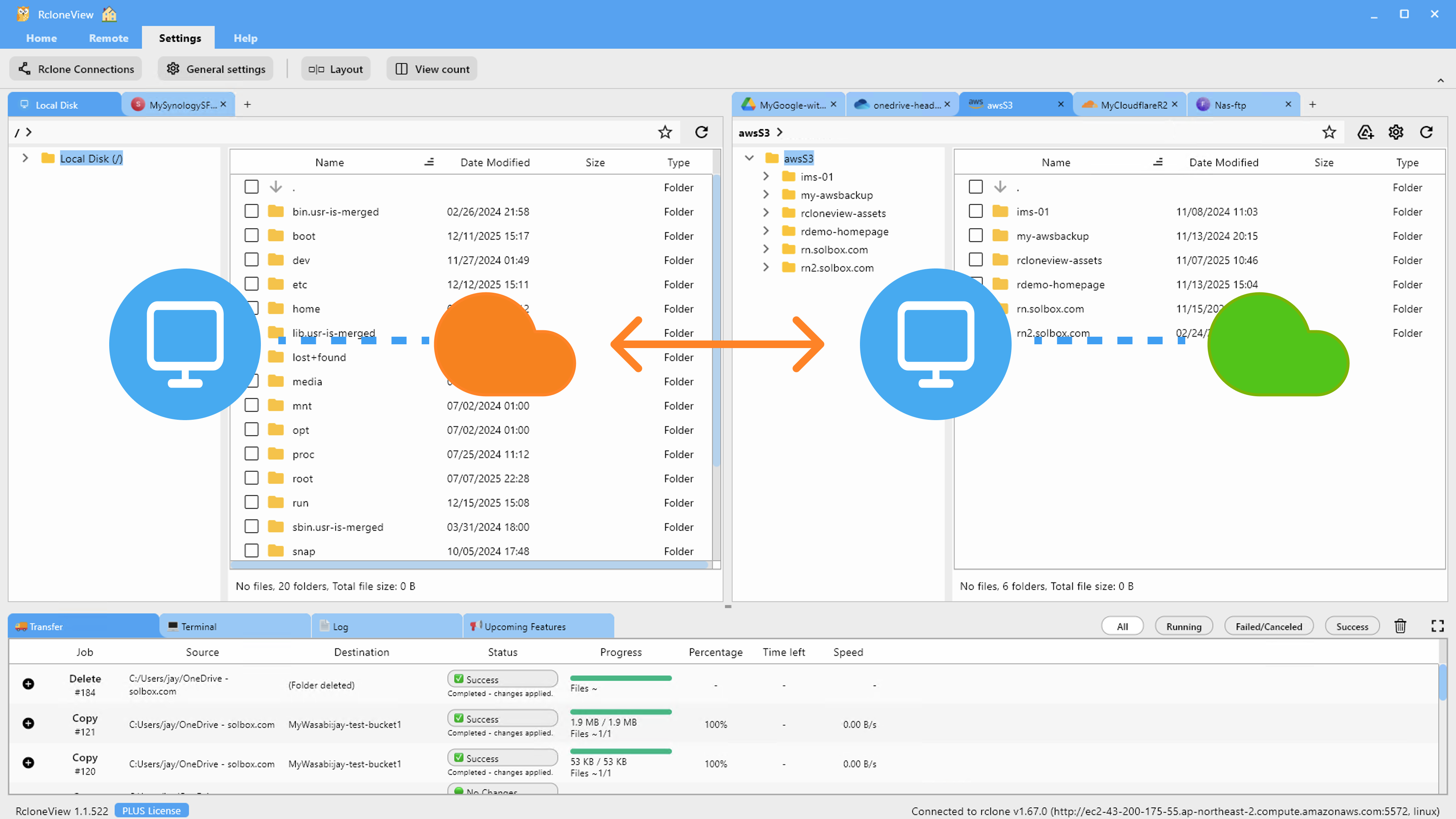
When a project wraps, finished assets need to move from your working cloud (where collaboration happened) to your archive cloud (where long-term storage is cost-effective). With RcloneView, you open both clouds in adjacent panels and drag the completed project folder from one to the other. For bulk migrations between campaigns, create a Copy job in the Job Manager that moves an entire client folder with a single click.
Agencies that deliver large video files to clients often store them in S3 or Cloudflare R2 and generate public share links on demand. RcloneView's Get Public Link feature (right-click any file) generates a shareable link from supported providers without requiring the client to navigate a portal.
Automating Nightly Asset Backups
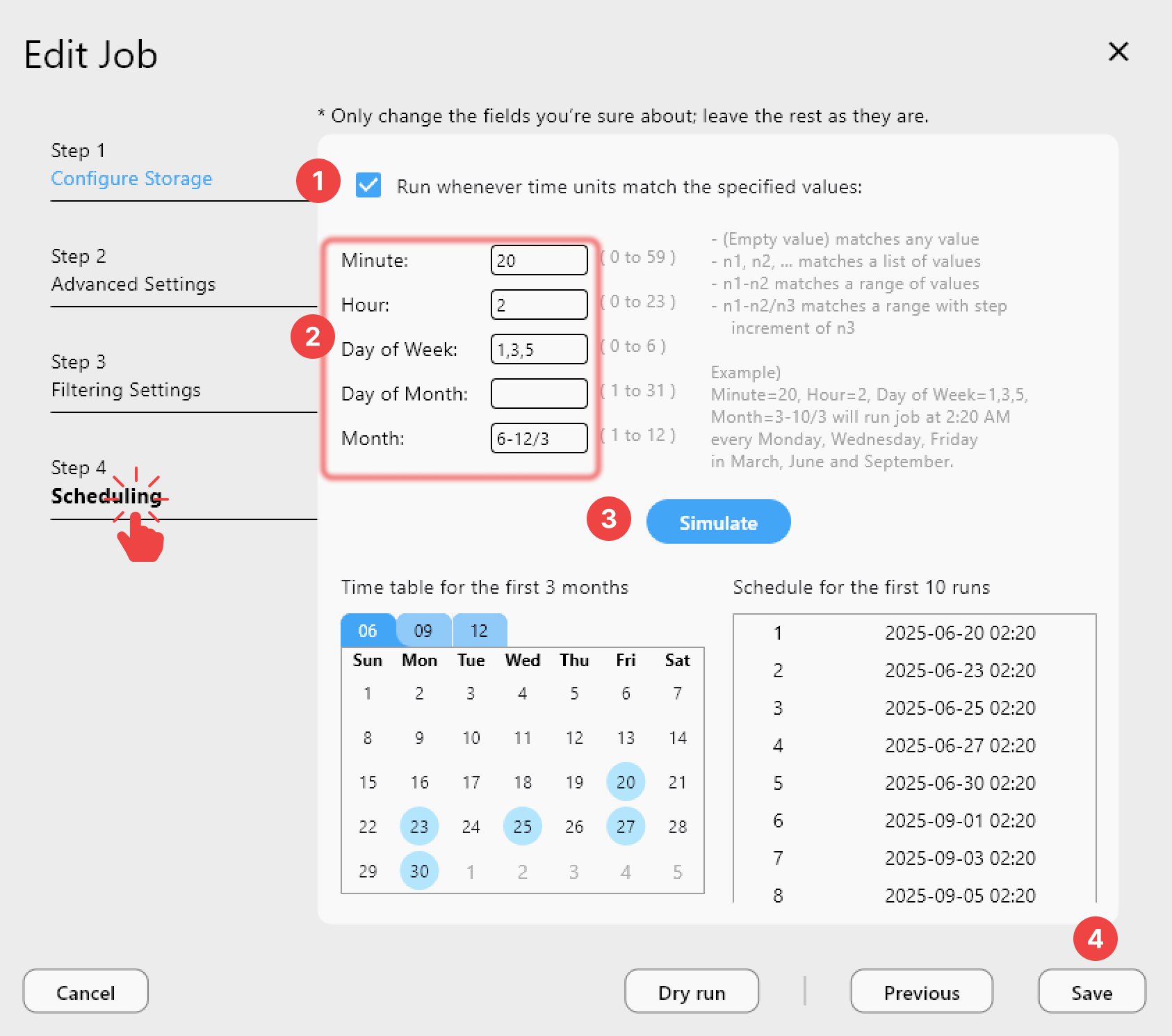
A 30-person agency running active projects can't afford to lose a day of work to an accidental deletion or provider outage. RcloneView's scheduled sync jobs (PLUS license) let you set up automatic nightly backups from your primary working storage to a secondary archive. For example, sync Dropbox Business → Backblaze B2 every night at 2 AM, and Google Drive Shared Drives → Amazon S3 Glacier every Sunday.
The 4-step job wizard lets you configure file filters to exclude temporary files, set maximum file age to avoid re-syncing old archives, and choose transfer concurrency to balance speed against API rate limits. Job completion notifications mean someone gets pinged immediately if a backup fails.
Comparing Active vs. Archive Copies
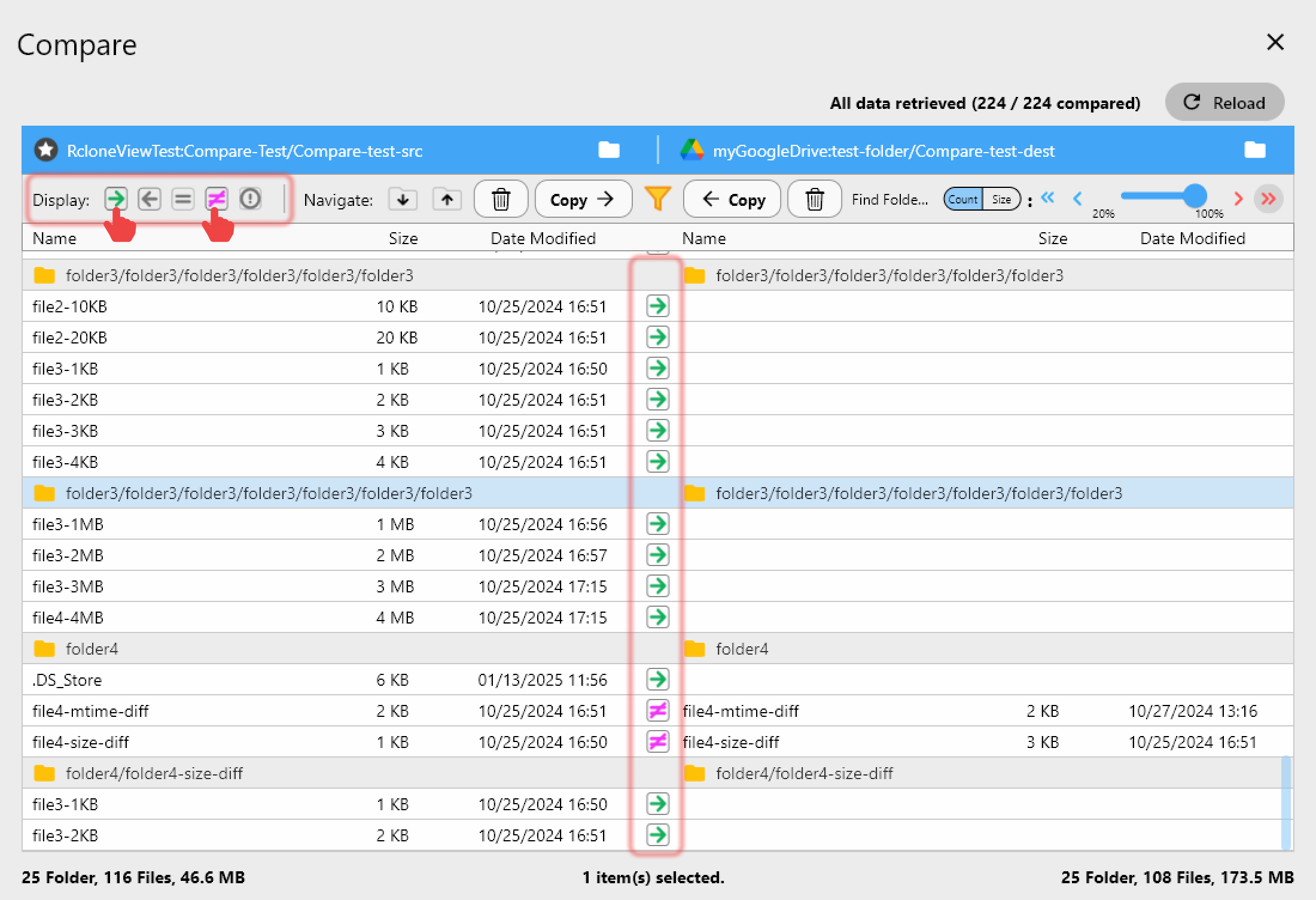
Before a project gets archived, your team should verify the active and archive copies match. RcloneView's Folder Compare feature places both directories side by side and highlights files that exist only on one side, have different sizes, or are missing entirely. For an advertising agency archiving campaign assets worth months of work, this final check is a non-negotiable part of the handoff process.
The compare view can filter by file type, so you can quickly confirm all final renders (.mp4, .mov) made it to the archive while ignoring working files you don't need to keep.
Getting Started
- Download RcloneView from rcloneview.com.
- Add your agency's cloud providers (Dropbox, Google Drive, S3, etc.) as remotes.
- Use dual-pane explorer for fast ad-hoc file delivery to clients or archives.
- Configure scheduled sync jobs (PLUS) for automated nightly backups.
RcloneView turns your multi-cloud asset library from a management headache into a well-organized, automated system.
Related Guides:
- Manage Digital Assets Across Multiple Clouds with RcloneView
- Cloud Storage for Graphic Designers with RcloneView
- Automate Daily Cloud Backups with RcloneView
Supported Cloud Providers