Cloud Storage for Consulting Firms: Organize Client Deliverables with RcloneView
Consulting firms juggle dozens of active engagements, each with its own deliverables, NDA-protected data, and client-specific storage requirements. RcloneView keeps everything organized across clouds without mixing client data.
A mid-size consulting firm might run 30 to 50 concurrent engagements across industries. Each engagement produces strategy decks, research data, interview notes, financial models, and final deliverables — often stored in a mix of Google Workspace, SharePoint, Dropbox, and client-provided storage. The risk of cross-client data leakage, lost deliverables, or missed backups grows with every new engagement. RcloneView provides a single interface to manage files across all these storage providers, keeping client data cleanly separated while automating the repetitive file operations consultants deal with daily.
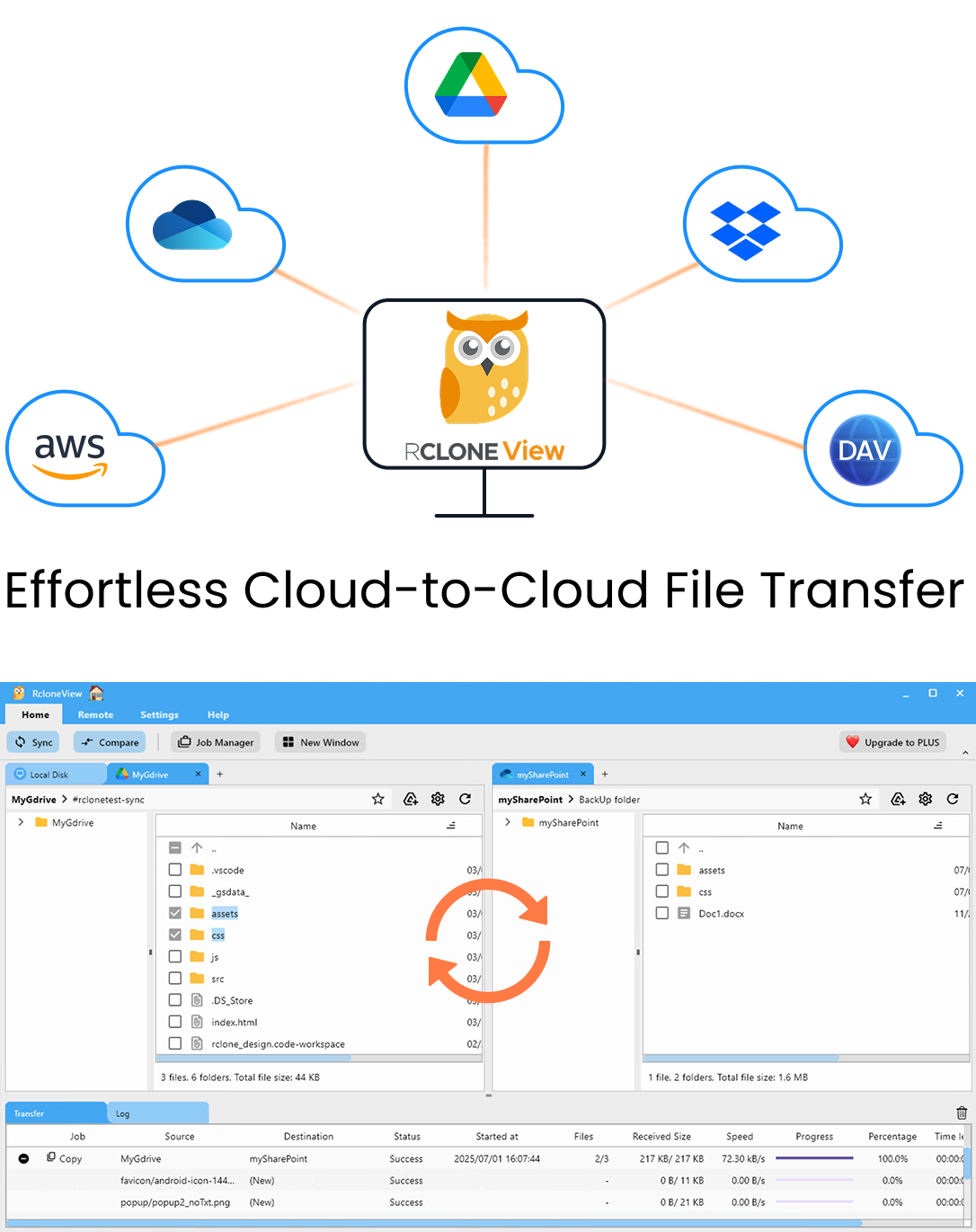
Manage & Sync All Clouds in One Place
RcloneView is a cross-platform GUI for rclone. Compare folders, transfer or sync files, and automate multi-cloud workflows with a clean, visual interface.
- One-click jobs: Copy · Sync · Compare
- Schedulers & history for reliable automation
- Works with Google Drive, OneDrive, Dropbox, S3, WebDAV, SFTP and more
Free core features. Plus automations available.
The Consulting File Challenge
| Asset Type | Sensitivity | Typical Storage |
|---|---|---|
| Proposal documents | Internal | Google Drive / SharePoint |
| Client data extracts | High (NDA) | Client-provided portal / SFTP |
| Interview transcripts | High | Local encrypted drive |
| Financial models | High | OneDrive / Excel Online |
| Research & benchmarking | Medium | Team Drive / Dropbox |
| Draft deliverables | Medium | Google Docs / SharePoint |
| Final deliverables | High | Client portal / email |
| Internal templates | Low | Shared Drive |
The core problem is data isolation. When consultants work across multiple clients, files from different engagements can end up in the same folders, shared drives, or download directories. A single mis-shared file can violate an NDA and damage the firm's reputation.
Organizing by Client and Engagement
Folder structure best practices
Establish a consistent cloud folder hierarchy that every consultant follows:
firm-drive:/clients/[client-name]/[engagement-id]/
  ├── 01-proposal/
  ├── 02-data-collection/
  ├── 03-analysis/
  ├── 04-deliverables/
  ├── 05-final/
  └── 06-archive/
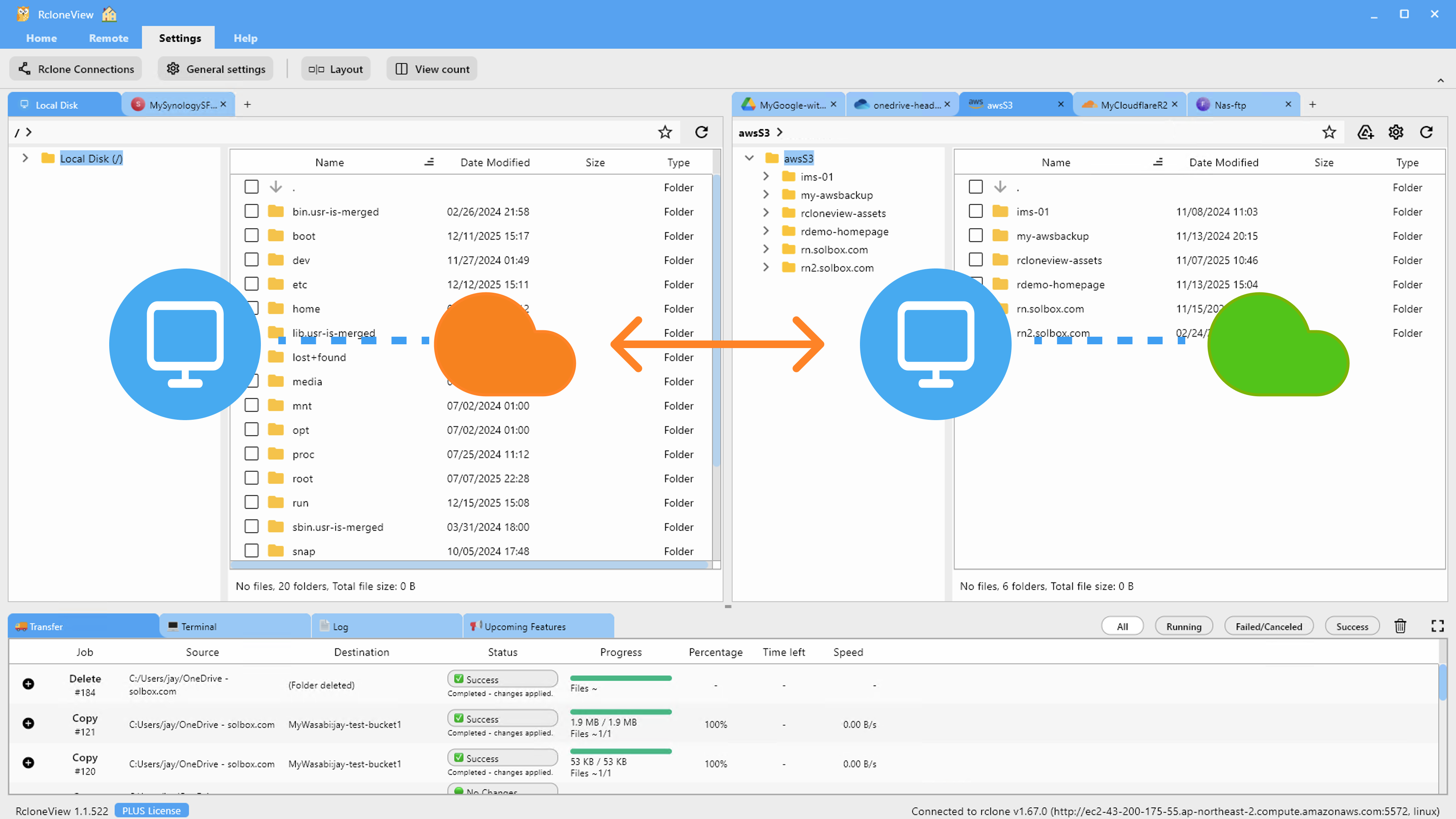
In RcloneView, create a remote for your firm's primary drive and navigate this structure in the two-pane explorer. When starting a new engagement, copy a template folder structure from your templates remote to the new client path.
Client-specific remotes
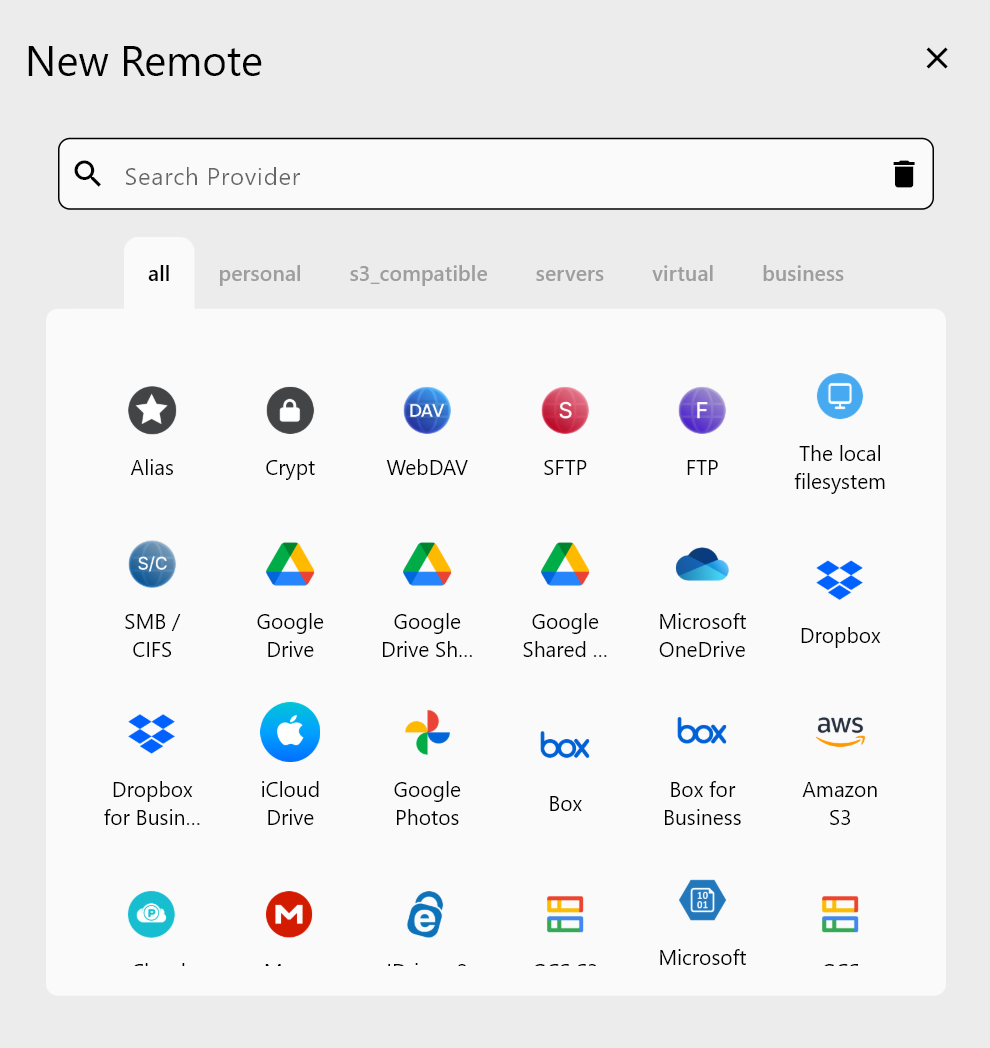
For clients that provide their own storage access (SharePoint, SFTP, or S3 buckets), create a dedicated remote in RcloneView for each client:
client-acme-sftp:— SFTP access to Acme Corp's data roomclient-globex-sharepoint:— SharePoint Online for Globex engagementfirm-gdrive:— Your firm's internal Google Drive
This separation ensures you never accidentally drag files from one client's remote into another.
Syncing Between Team Drives and Client Portals
Delivering final reports
When deliverables are ready, use RcloneView to push them from your internal drive to the client's storage:
- Open the two-pane explorer with your firm drive on the left and the client's remote on the right.
- Navigate to the engagement's
05-final/folder on the left. - Drag and drop the final deliverable files to the client's designated folder on the right.
- RcloneView handles the transfer — no manual download-and-reupload cycle.
Pulling client data
When clients share raw data for analysis, pull it into your working environment the same way:
Source: client-acme-sftp:/data-room/Q2-financials/
Destination: firm-gdrive:/clients/acme/ENG-2026-04/02-data-collection/
Schedule this as a recurring sync if the client updates their data room periodically.
Data Isolation and Security
Preventing cross-client contamination
- Separate remotes per client make it structurally difficult to mix data.
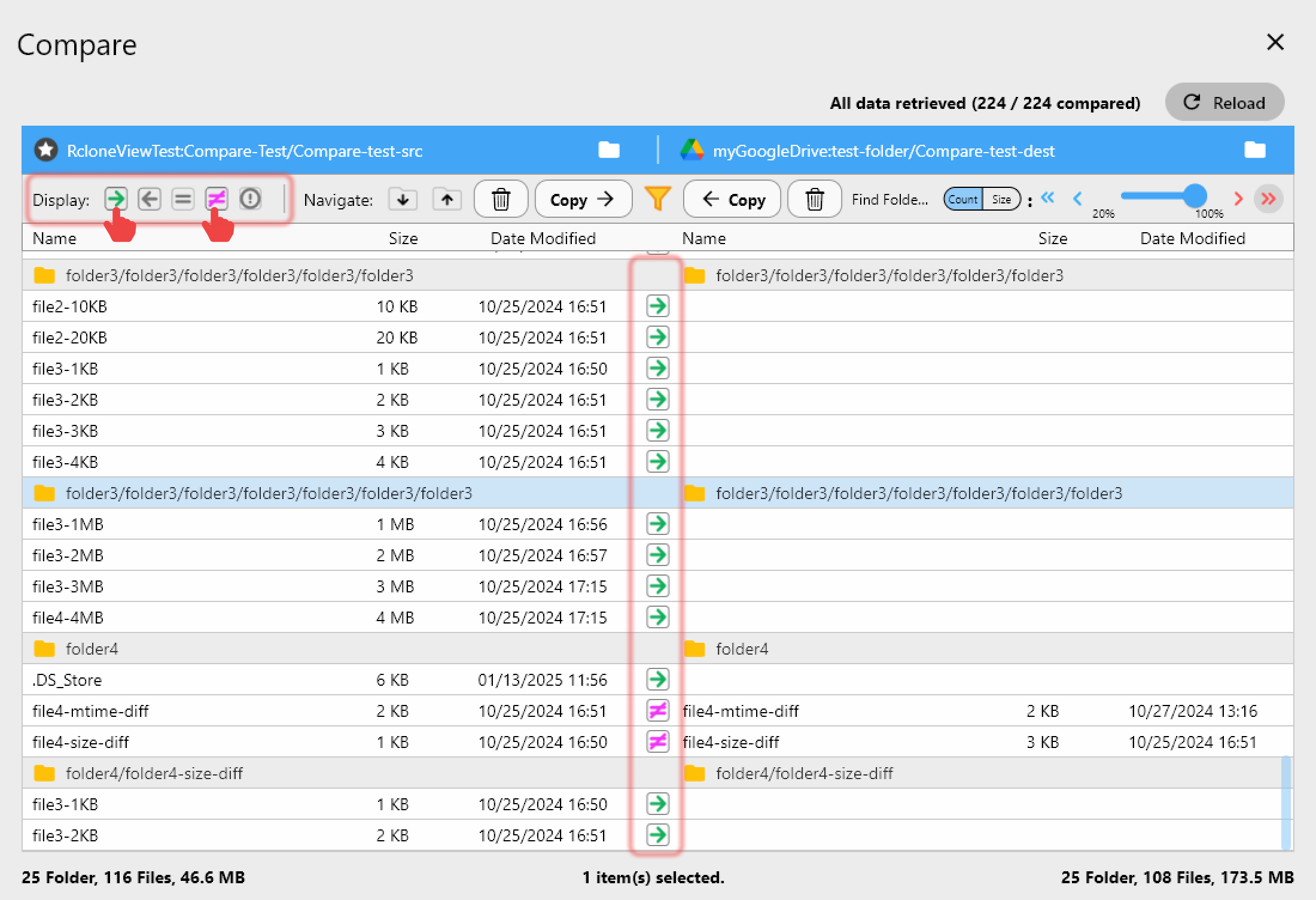
- Use the Compare feature before any sync to verify exactly which files will be transferred — no blind overwrites.
- Review job history after each transfer to confirm only the intended files moved.
Encryption for sensitive engagements
For engagements involving highly sensitive data (M&A, litigation support, regulatory investigations), use an encrypted Crypt remote in RcloneView. This wraps your cloud storage with client-side encryption so that even the storage provider cannot read the files.
Backup Strategies for Consulting Firms
Losing a client deliverable mid-engagement is catastrophic. Protect your work with layered backups:
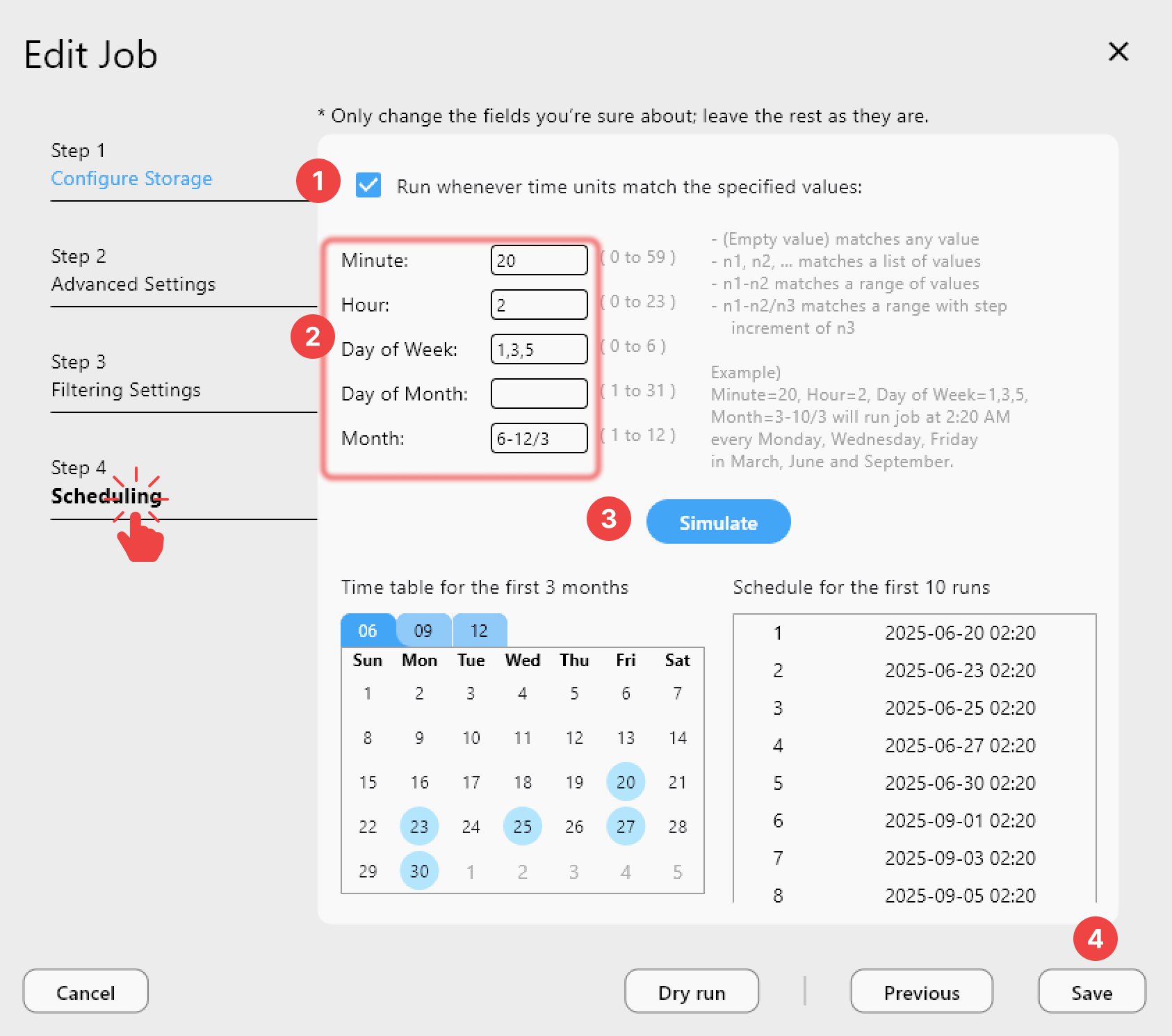
- Daily sync of active engagement folders to a second cloud provider (e.g., Google Drive to S3).
- Weekly full backup of all client folders to low-cost archive storage.
- Post-engagement archive — once an engagement closes, move the folder to cold storage and free up active drive space.
Retention and cleanup
Consulting firms often retain engagement files for 3 to 7 years depending on the industry and contract terms. Use RcloneView to:
- Move closed engagements from active storage to an archive remote on a schedule.
- Tag archive folders by expected destruction date.
- Periodically review and delete expired archives to manage storage costs.
Getting Started
- Download RcloneView from rcloneview.com.
- Set up your firm's primary remote — Google Drive, OneDrive, or SharePoint.
- Create client-specific remotes for each active engagement that requires external storage access.
- Establish folder templates and copy them for each new engagement.
- Schedule daily backups so no deliverable is ever at risk.
Your clients trust you with their most sensitive business data. Return that trust with file management that is organized, backed up, and secure.
Related Guides:
- Cloud Storage for E-commerce Businesses
- Manage Digital Assets with RcloneView
- Automate Daily Cloud Backups
Supported Cloud Providers