Cloud Storage Full? 5 Ways to Free Up Space Across Multiple Clouds with RcloneView
That dreaded "storage full" notification. Before you upgrade your plan, try these five strategies to reclaim space across Google Drive, OneDrive, Dropbox, and beyond.
It always happens at the worst time — you're trying to upload an important file and your cloud says "storage full." The knee-jerk reaction is to buy more storage. But often, the real problem isn't that you need more space — it's that your existing space is being wasted by duplicates, forgotten files, and poor distribution across providers.
RcloneView connects to all your clouds at once, making it easy to see where your storage is going and fix it.
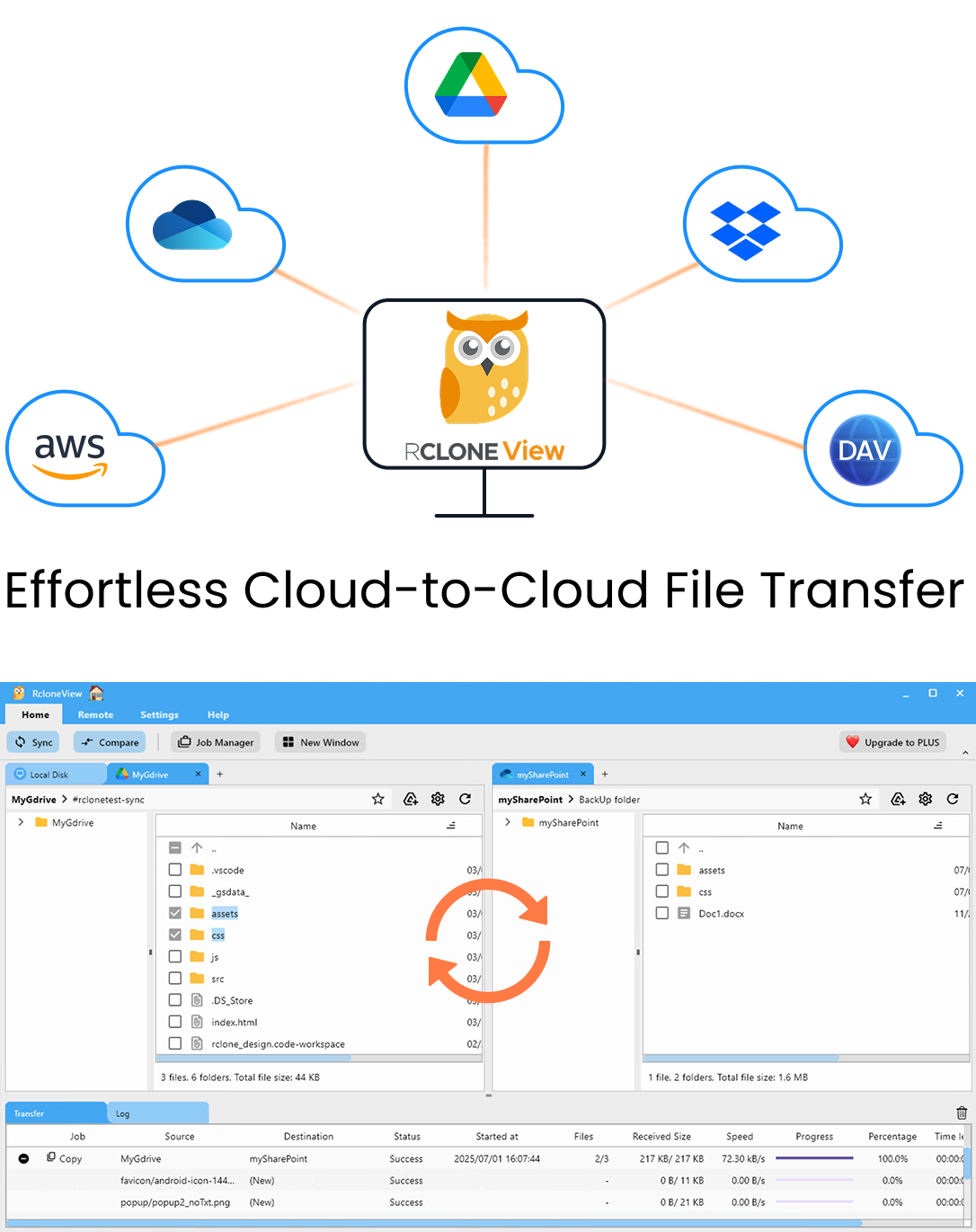
Manage & Sync All Clouds in One Place
RcloneView is a cross-platform GUI for rclone. Compare folders, transfer or sync files, and automate multi-cloud workflows with a clean, visual interface.
- One-click jobs: Copy · Sync · Compare
- Schedulers & history for reliable automation
- Works with Google Drive, OneDrive, Dropbox, S3, WebDAV, SFTP and more
Free core features. Plus automations available.
Strategy 1: Find and Remove Duplicates Across Clouds
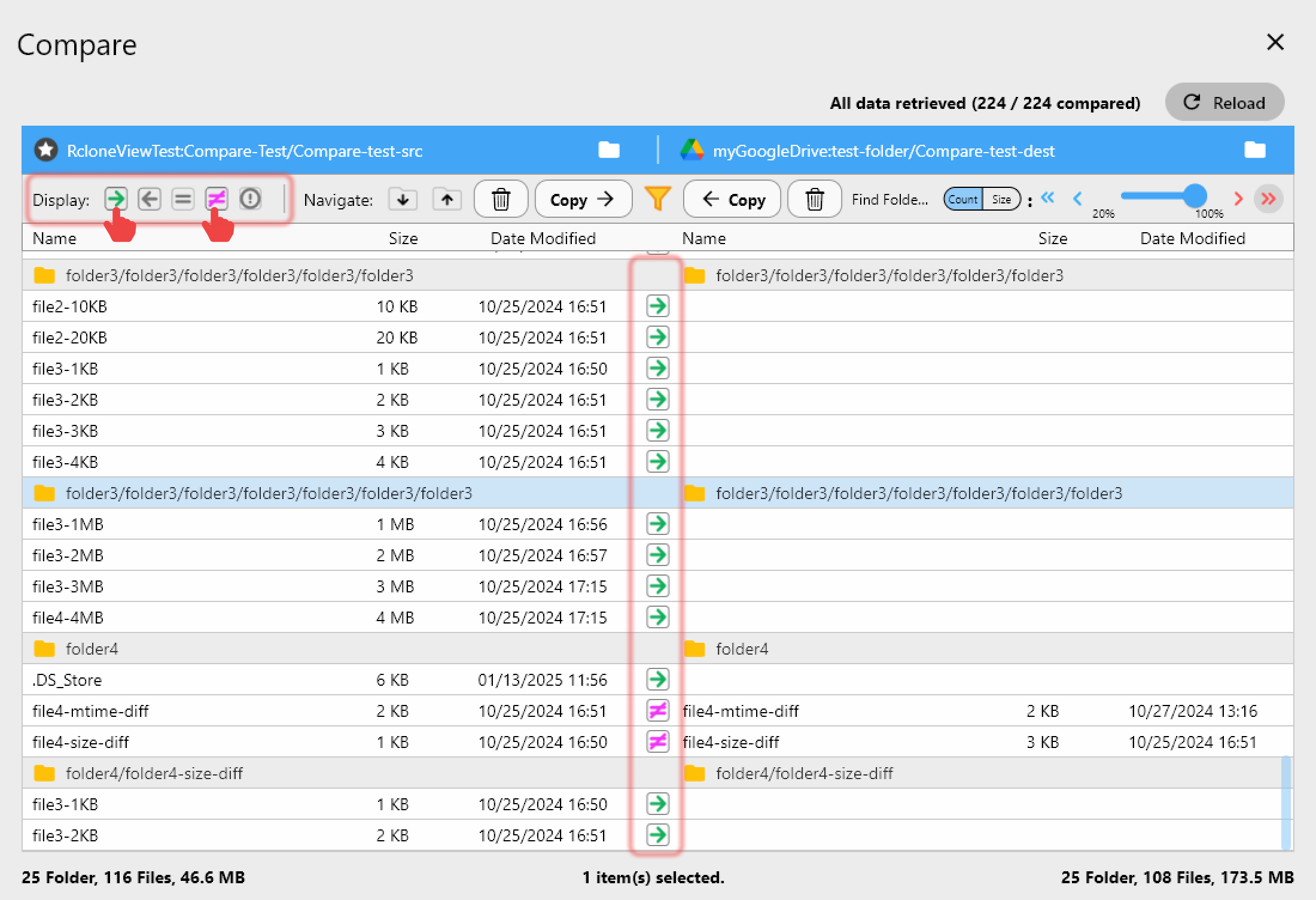
The same files often exist in multiple places — copied to "just be safe" and then forgotten. Use RcloneView's Folder Comparison to find duplicates:
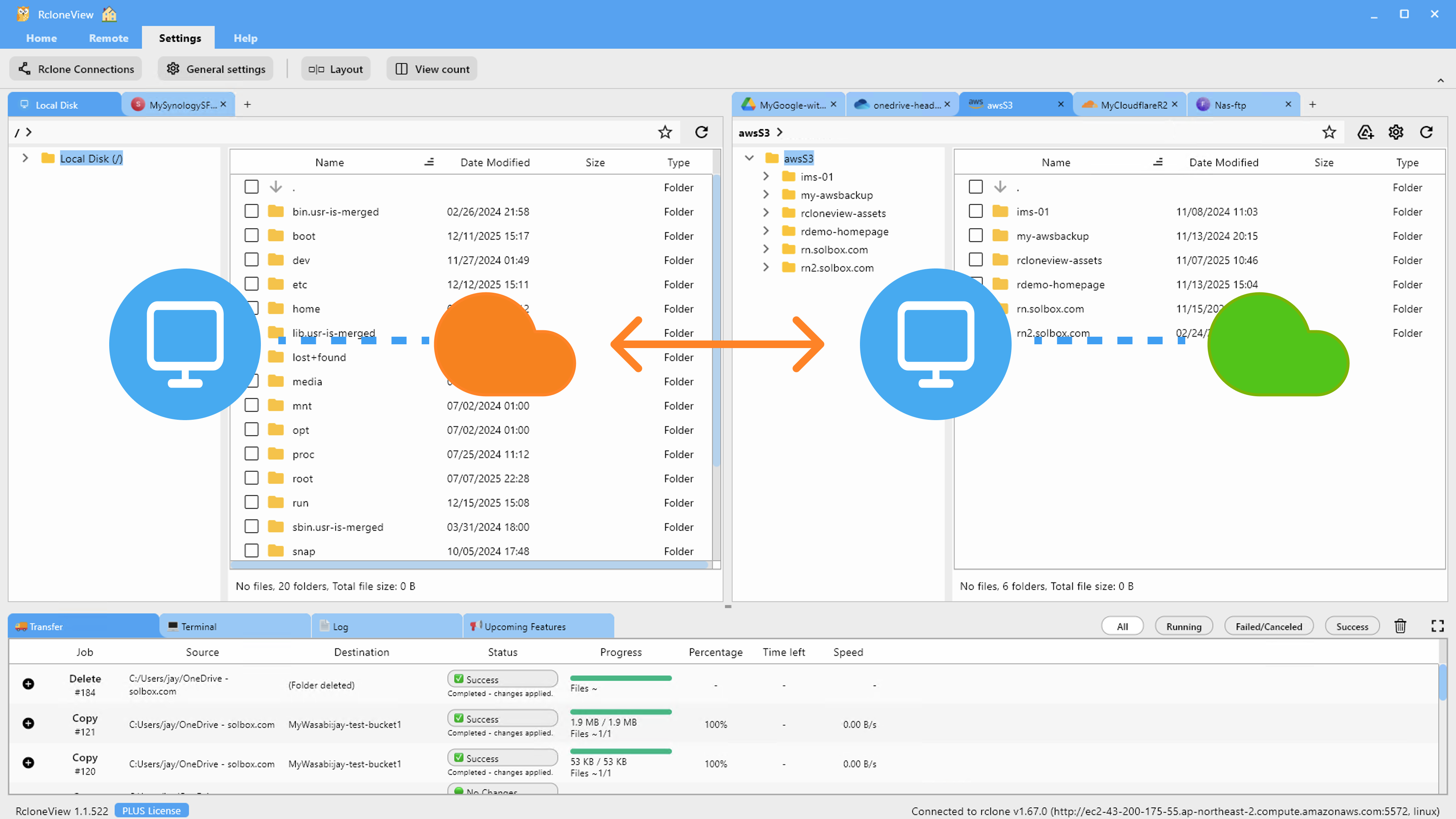
- Open two remotes side by side (e.g., Google Drive and OneDrive).
- Run a comparison on folders you suspect have overlapping content.
- Identical files are highlighted — decide which copy to keep.
- Delete the duplicate from the more expensive provider.
Strategy 2: Move Old Files to Cheaper Storage
Not all data needs to live on premium storage. Move cold data to a cheaper tier:
- Google Drive (full) → Backblaze B2 ($0.006/GB/month)
- OneDrive (full) → Wasabi ($0.0069/GB/month, no egress fees)
- Dropbox (full) → AWS S3 Glacier ($0.004/GB/month)
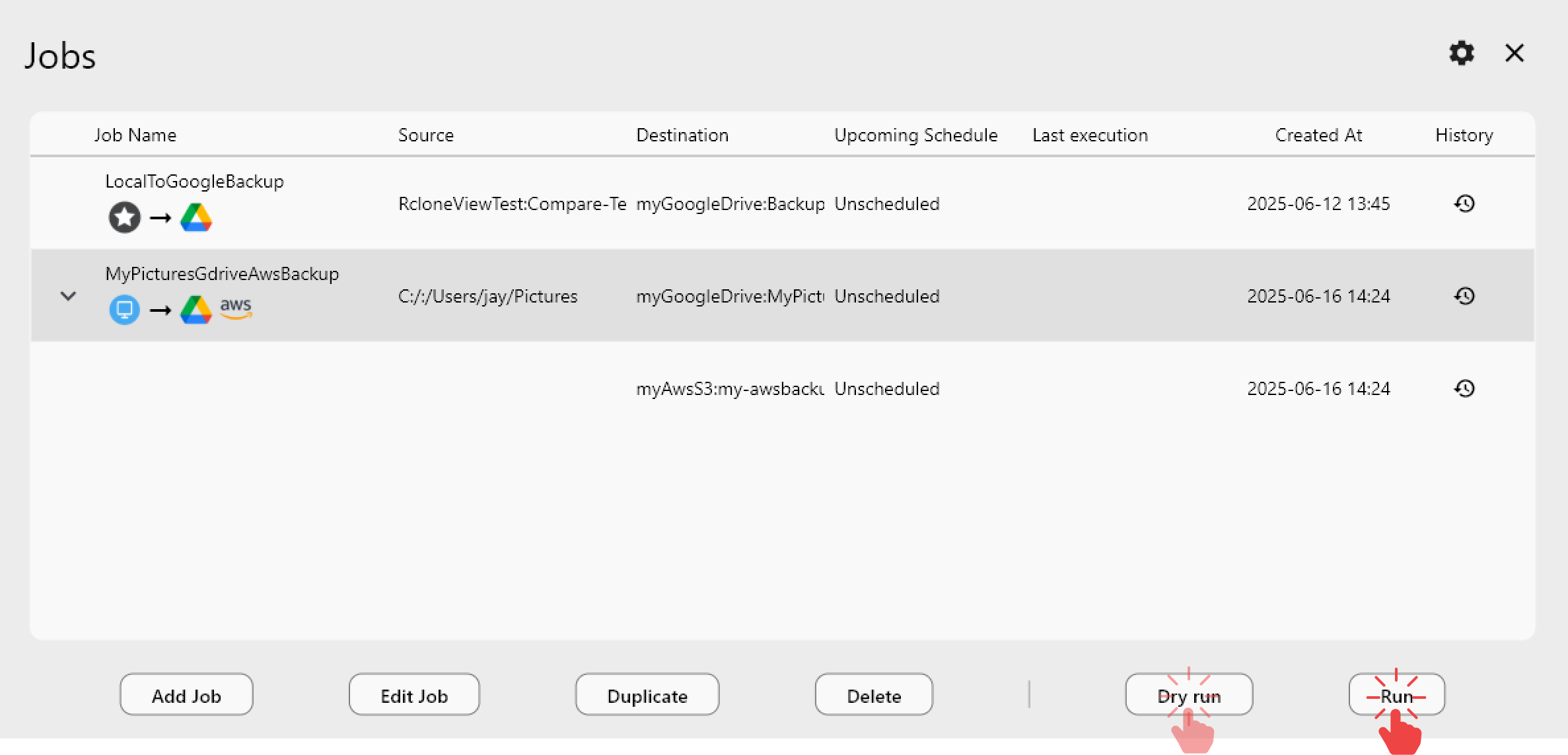
Create a Move job in RcloneView — files transfer to the cheap provider and are deleted from the expensive one.
Strategy 3: Redistribute Data Across Free Tiers
Most people only use one cloud's free tier while ignoring others:
| Provider | Free Tier |
|---|---|
| Google Drive | 15 GB |
| OneDrive | 5 GB |
| Dropbox | 2 GB |
| pCloud | 10 GB |
| MEGA | 20 GB |
That's over 50 GB of free storage combined. Use RcloneView to distribute files across all of them — documents on Google Drive, photos on MEGA, archives on pCloud.
Strategy 4: Archive and Compress Before Upload
Before uploading large folders, consider whether you really need instant access. For archival data:
- Compress folders locally into ZIP archives.
- Upload compressed archives to cheap object storage (S3, B2, Wasabi).
- Free up space on your primary cloud.
RcloneView handles the upload and lets you verify the archive arrived intact.
Strategy 5: Automate Ongoing Cleanup
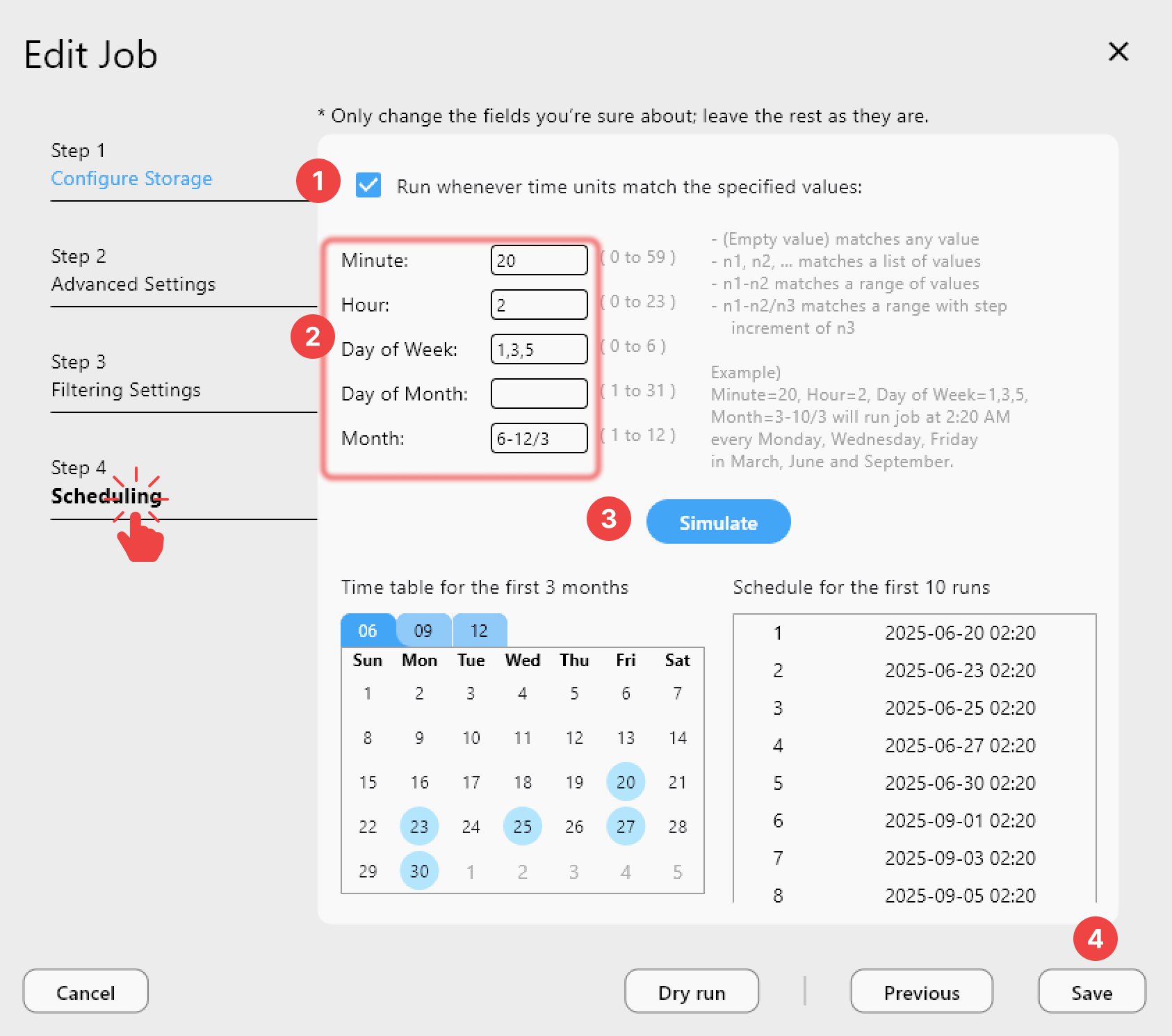
Set up recurring jobs to prevent storage from filling up again:
- Weekly Move job — Automatically move files older than 90 days from Google Drive to B2.
- Monthly Comparison — Compare clouds to catch new duplicates.
- Scheduled reports via Slack — Get notified about job results.
The Bigger Picture: Multi-Cloud Storage Management
Instead of paying one provider for all your storage, think of your clouds as a portfolio:
- Hot data (daily use) → Google Drive / OneDrive (fast, integrated with apps)
- Warm data (occasional access) → Dropbox / pCloud (reliable, shareable)
- Cold data (archive) → B2 / S3 Glacier / Wasabi (cheapest per GB)
RcloneView is the tool that makes this strategy practical — one interface to browse, move, and automate across all of them.
Getting Started
- Download RcloneView from rcloneview.com.
- Connect all your clouds — see where your storage is going.
- Compare to find duplicates.
- Move cold data to cheaper providers.
- Schedule cleanup jobs to stay ahead.
Stop paying for storage you don't need. Use what you already have — smarter.
Related Guides:
- Compare Folder Contents
- Browse & Manage Remotes
- Create Sync Jobs
- Reduce Multi-Cloud Costs
- Job Scheduling
Supported Cloud Providers