Fix Google Drive 403 Errors and Rate Limits: A Practical Guide with RcloneView
"Error 403: Rate Limit Exceeded." If you've seen this while syncing Google Drive, you're not alone. Here's why it happens and how to fix it for good.
Google Drive enforces strict API rate limits that can interrupt large transfers, automated sync jobs, and even basic file browsing. When you hit these limits, you get 403 Forbidden errors that pause your transfers and force retries. RcloneView gives you the tools to configure your transfer settings intelligently so you stay within Google's limits while still moving data as fast as possible.
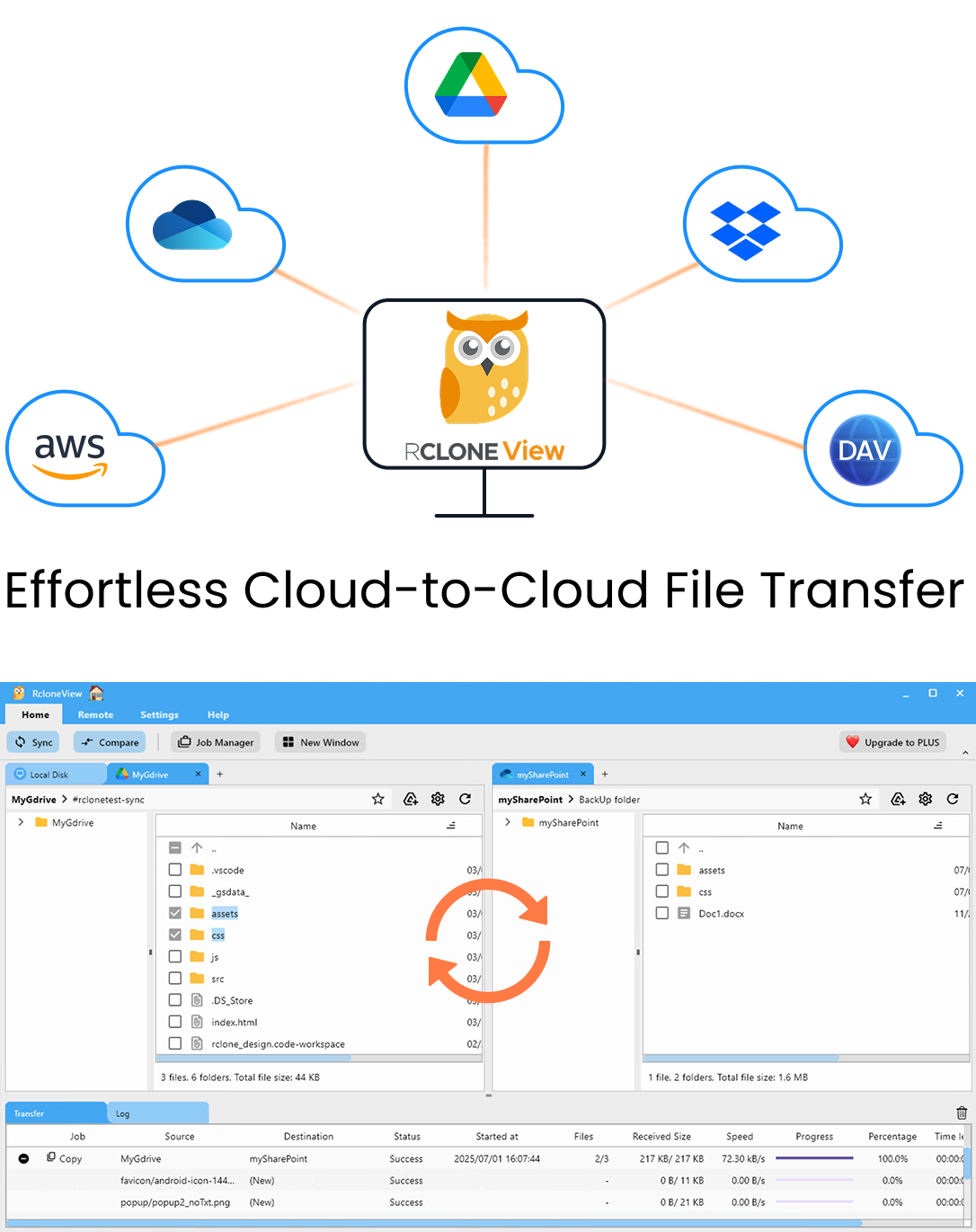
Manage & Sync All Clouds in One Place
RcloneView is a cross-platform GUI for rclone. Compare folders, transfer or sync files, and automate multi-cloud workflows with a clean, visual interface.
- One-click jobs: Copy · Sync · Compare
- Schedulers & history for reliable automation
- Works with Google Drive, OneDrive, Dropbox, S3, WebDAV, SFTP and more
Free core features. Plus automations available.
Why Google Drive Returns 403 Errors
Google Drive imposes several types of limits:
- Per-user rate limit — Too many API requests per second from one account.
- Per-project quota — Too many requests from the same OAuth client ID.
- Daily upload limit — ~750 GB per day per account for uploads.
- Daily download limit — ~10 TB per day (varies).
- File operation limits — Creating, renaming, or deleting too many files too fast.
When any of these are exceeded, Google returns a 403 rateLimitExceeded or 403 userRateLimitExceeded error.
Common Causes
- Too many parallel transfers — Running 8+ simultaneous uploads/downloads overwhelms the API.
- Large directory listings — Browsing folders with thousands of files generates many API calls.
- Frequent small-file operations — Syncing thousands of tiny files creates more API calls than a few large ones.
- Multiple tools accessing the same account — Desktop sync client + RcloneView + another app = combined rate pressure.
How to Fix It in RcloneView
1) Reduce Parallel Transfers
The most impactful fix. In your job settings:
- Recommended: 3–4 parallel transfers for Google Drive
- Safe minimum: 2 for very strict rate limits
- Default (8): Too aggressive for most Google accounts
2) Enable Pacer / Rate Limiting
RcloneView (via rclone) has a built-in pacer that automatically backs off when rate limits are hit. Ensure it's working by keeping default retry settings:
- Low-level retries: 10 (default)
- Retry delay: Exponential backoff
3) Use Your Own Google API Client ID
The default rclone OAuth client ID is shared by thousands of users, which means you're competing for the same quota. Creating your own Google Cloud project and client ID gives you a dedicated quota:
- Go to Google Cloud Console.
- Create a project and enable the Google Drive API.
- Create OAuth credentials.
- Enter your Client ID and Secret when adding the Google Drive remote in RcloneView.
This single change often eliminates 403 errors entirely.
4) Use --fast-list Carefully
--fast-list reduces the number of API calls for directory listing but uses more memory. For large Google Drives, it can actually help avoid rate limits by consolidating list operations.
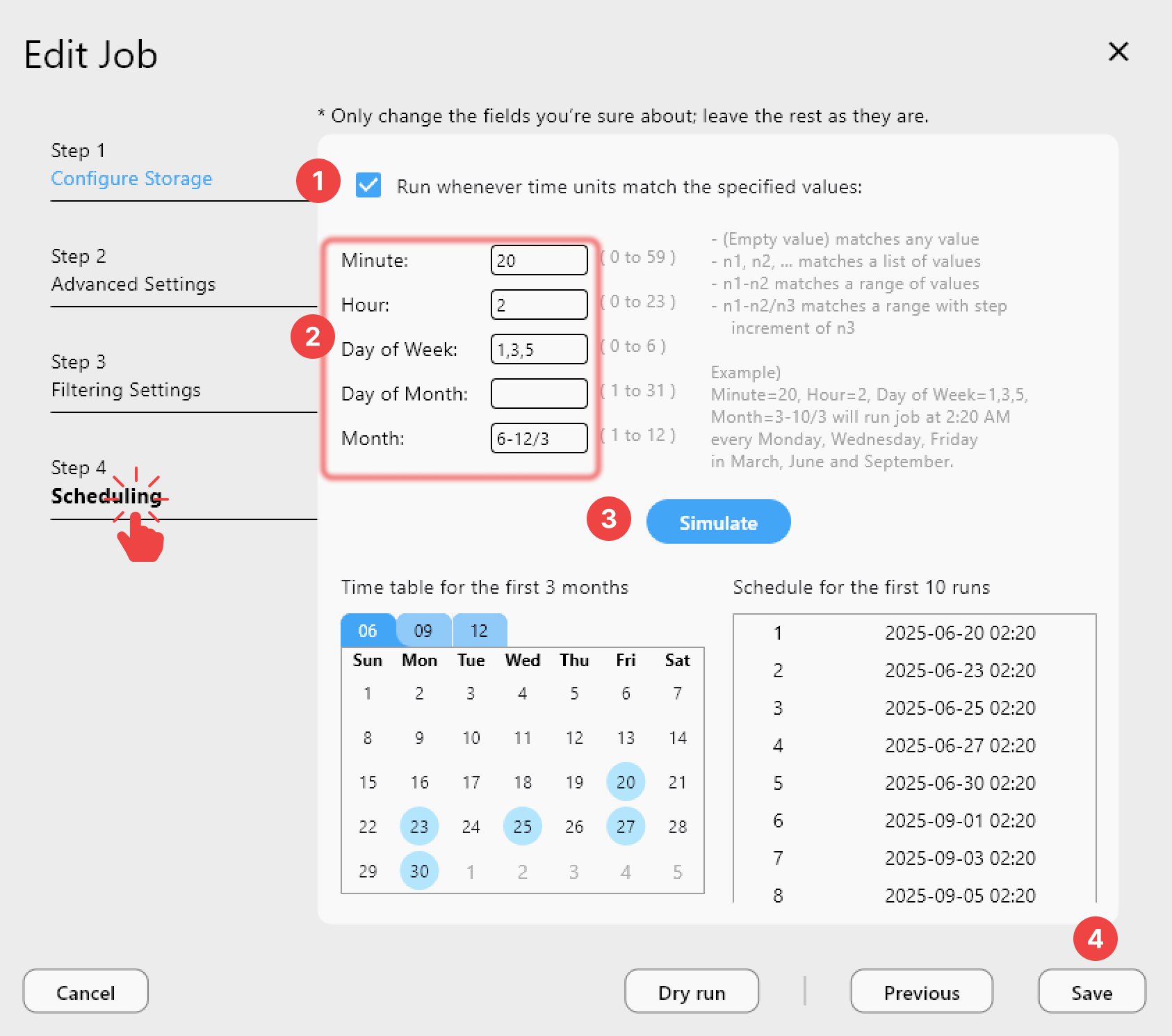
5) Schedule Large Transfers Off-Peak
Google's rate limits reset over time. Scheduling large transfers during off-hours reduces the chance of hitting limits:
Recommended Settings for Google Drive
| Setting | Recommended Value | Why |
|---|---|---|
| Parallel transfers | 3–4 | Stays within API rate limits |
| Checkers | 4–8 | Reduces listing API calls |
| Chunk size | 8–32 MB | Balances speed vs API calls |
| Drive pacer min sleep | 100ms | Minimum delay between API calls |
| Low-level retries | 10 | Enough retries for temporary rate limits |
Monitor and Adjust
Use Job History to track error rates across runs:
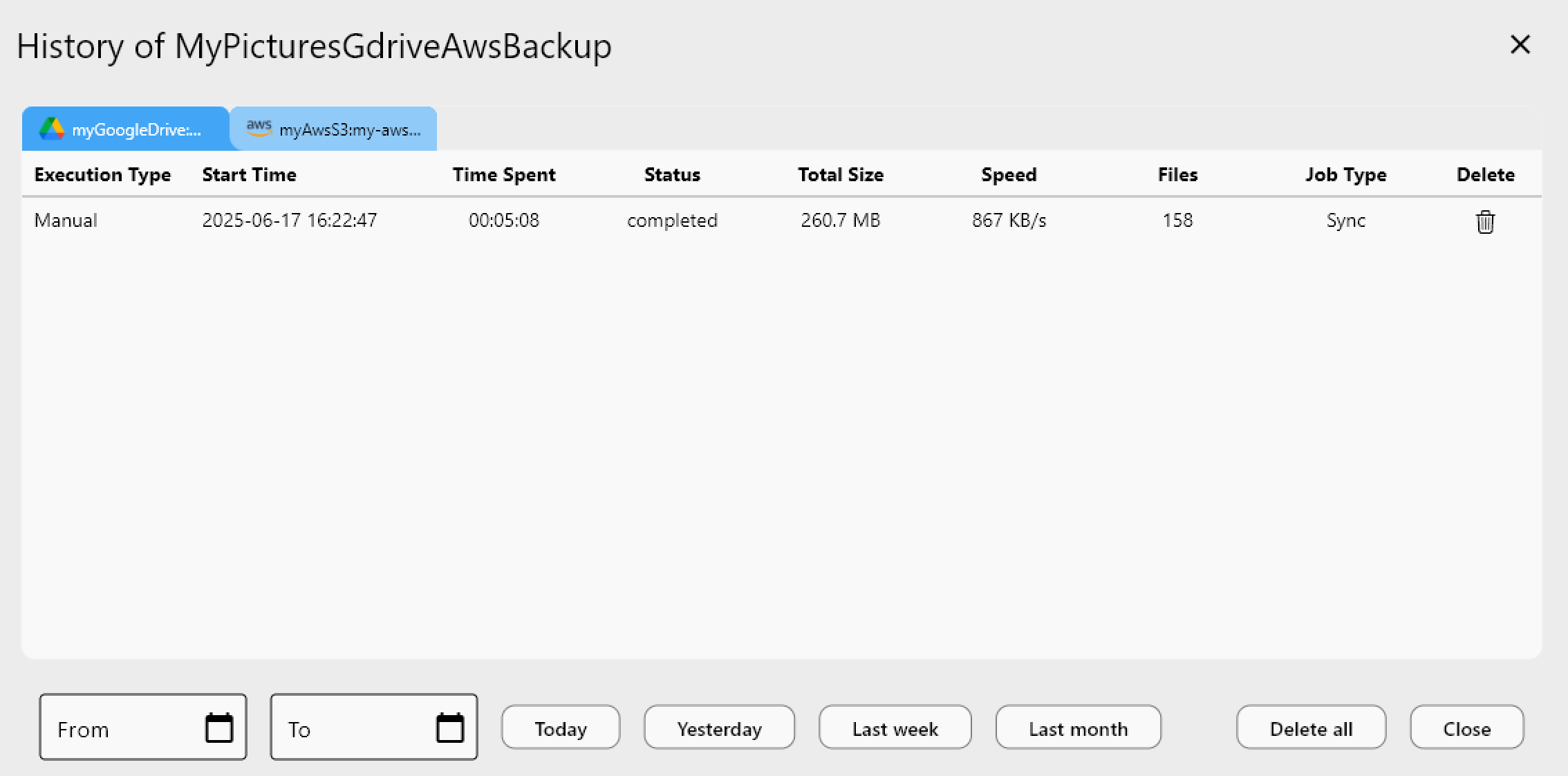
If errors persist, reduce parallel transfers by 1 and try again. If errors disappear, you can cautiously increase.
Getting Started
- Download RcloneView from rcloneview.com.
- Add Google Drive with your own OAuth Client ID if possible.
- Configure conservative transfer settings (3–4 parallel transfers).
- Run and monitor — adjust based on error rates.
- Schedule large transfers for off-peak hours.
403 errors don't mean Google Drive is broken. They mean you need smarter transfer settings. RcloneView gives you the controls to find the sweet spot.
Related Guides:
- Fix Google Drive Quota Rate Limit API Errors
- Add Google Drive
- Real-time Transfer Monitoring
- Job Scheduling
Supported Cloud Providers