Cloud Backup Strategy for Law Firms: Secure Client Files with RcloneView
Client confidentiality isn't optional — it's your ethical duty. Here's how to build a cloud backup system that protects sensitive legal documents with encryption, redundancy, and full audit trails.
Law firms handle some of the most sensitive data in any industry: contracts, litigation files, client communications, intellectual property, and financial records. A data loss incident isn't just inconvenient — it can result in malpractice claims, bar complaints, and destroyed client trust. Yet many firms still rely on a single cloud provider with no independent backup.
RcloneView helps law firms build a multi-cloud backup strategy with encryption, scheduled automation, and verification — all without needing an IT department.
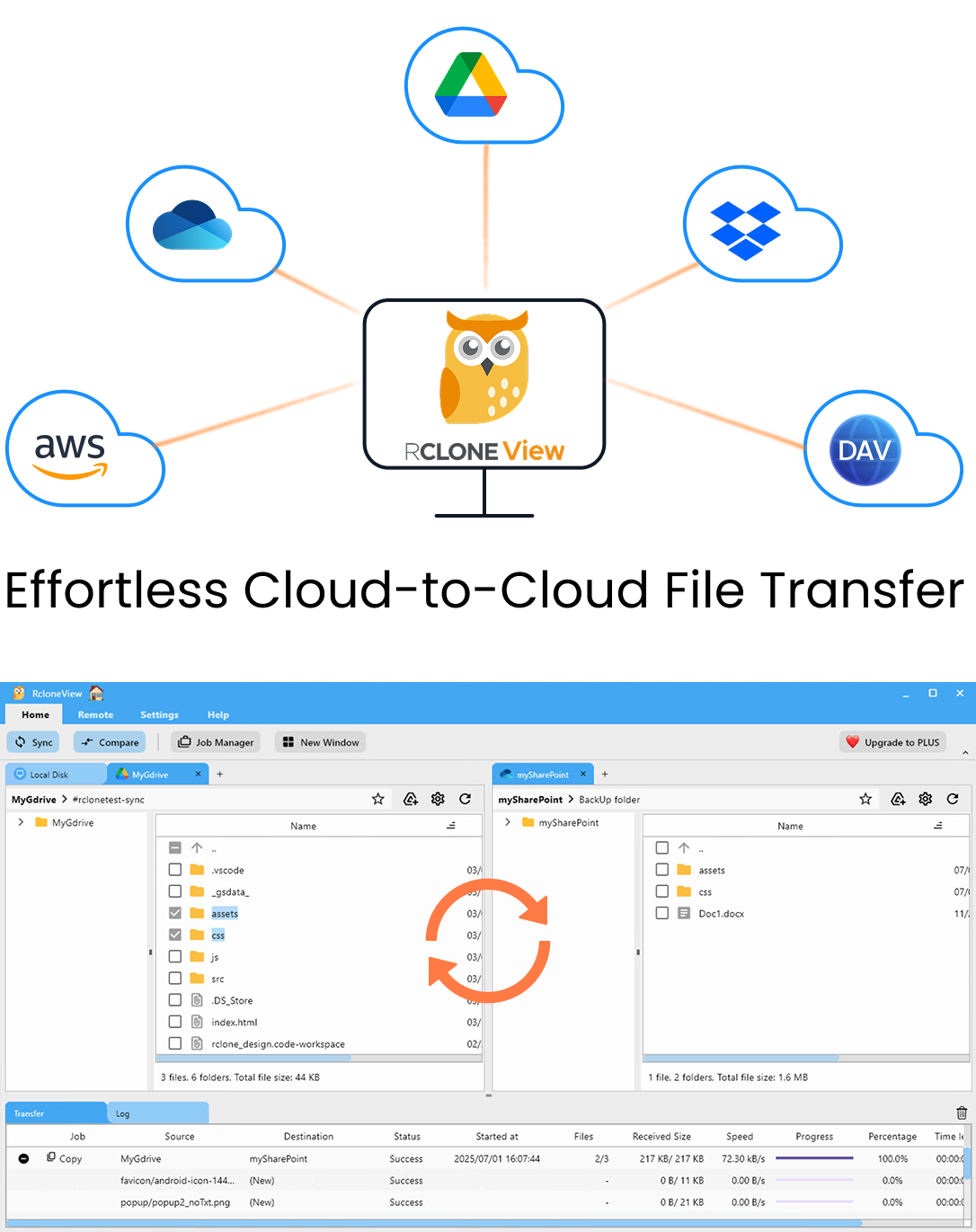
Manage & Sync All Clouds in One Place
RcloneView is a cross-platform GUI for rclone. Compare folders, transfer or sync files, and automate multi-cloud workflows with a clean, visual interface.
- One-click jobs: Copy · Sync · Compare
- Schedulers & history for reliable automation
- Works with Google Drive, OneDrive, Dropbox, S3, WebDAV, SFTP and more
Free core features. Plus automations available.
Why Law Firms Need Independent Cloud Backup
Ethical obligations
Most bar associations require attorneys to take reasonable measures to protect client data. Relying solely on a cloud provider's built-in redundancy may not satisfy this obligation. An independent backup demonstrates due diligence.
Common risks
- Ransomware — Law firms are prime targets. An independent backup is your recovery lifeline.
- Accidental deletion — A paralegal deletes a folder. Cloud recycle bins have time limits.
- Account compromise — If your Microsoft 365 account is breached, your OneDrive data is at risk.
- Provider outages — Even Google and Microsoft have experienced multi-hour outages.
The Recommended Architecture
Primary Cloud (OneDrive/Google Drive)
        │
        ├──► Encrypted Backup (S3 / Backblaze B2)
        │         └── Zero-knowledge encryption via crypt remote
        │
        └──► Local NAS Backup (Synology / QNAP)
                  └── On-premise copy for fastest recovery
This follows the 3-2-1 rule: 3 copies, 2 different media types, 1 offsite.
Setting Up Encrypted Cloud Backup
Step 1: Connect your primary cloud
Add your firm's Google Drive or OneDrive as a remote in RcloneView:
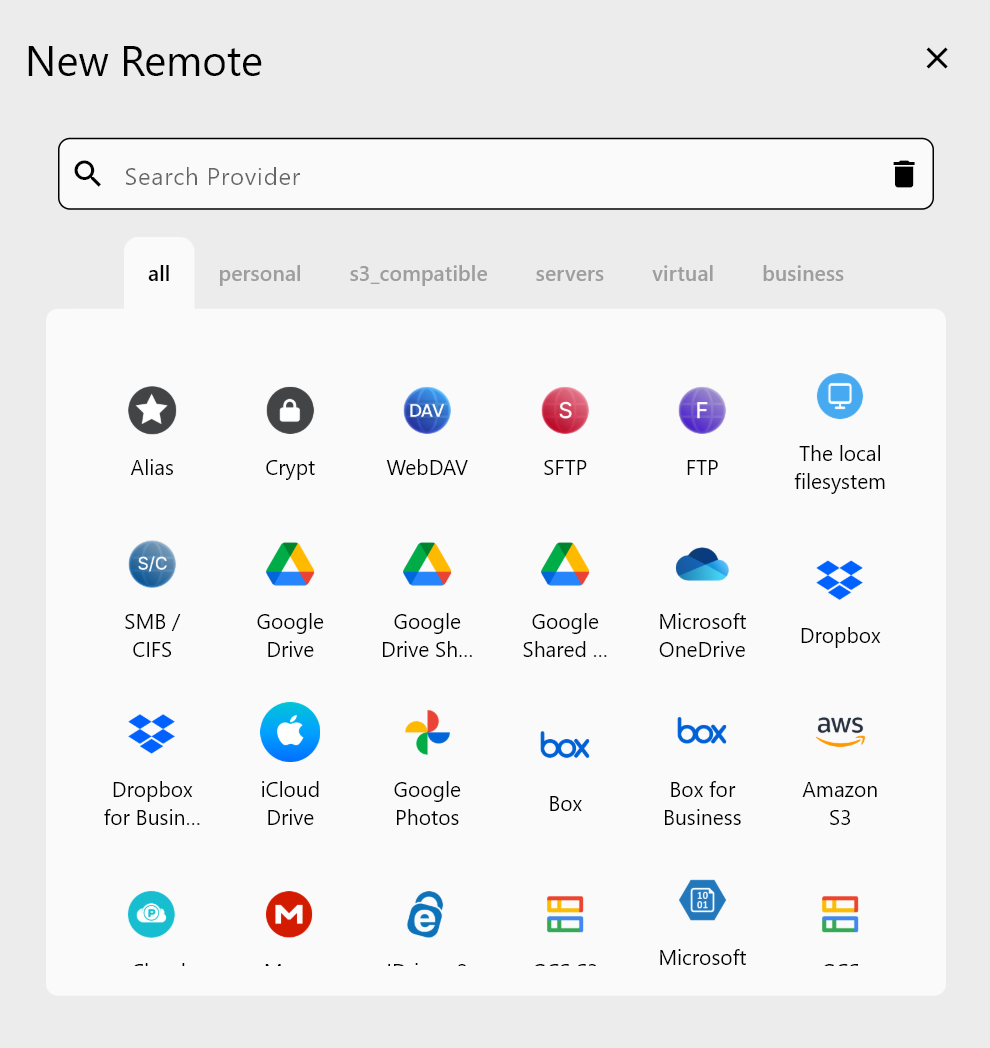
Step 2: Add an encrypted backup destination
Use a crypt remote to encrypt files before they leave your machine:
- Add S3 or Backblaze B2 as a remote.
- Create a crypt remote on top of it — files are encrypted client-side before upload.
- Even the cloud provider cannot read your data. True zero-knowledge encryption.
Step 3: Create a backup job
- Create a Copy job: Primary Cloud → Encrypted Remote.
- Run the initial backup.
- Verify with Folder Comparison.
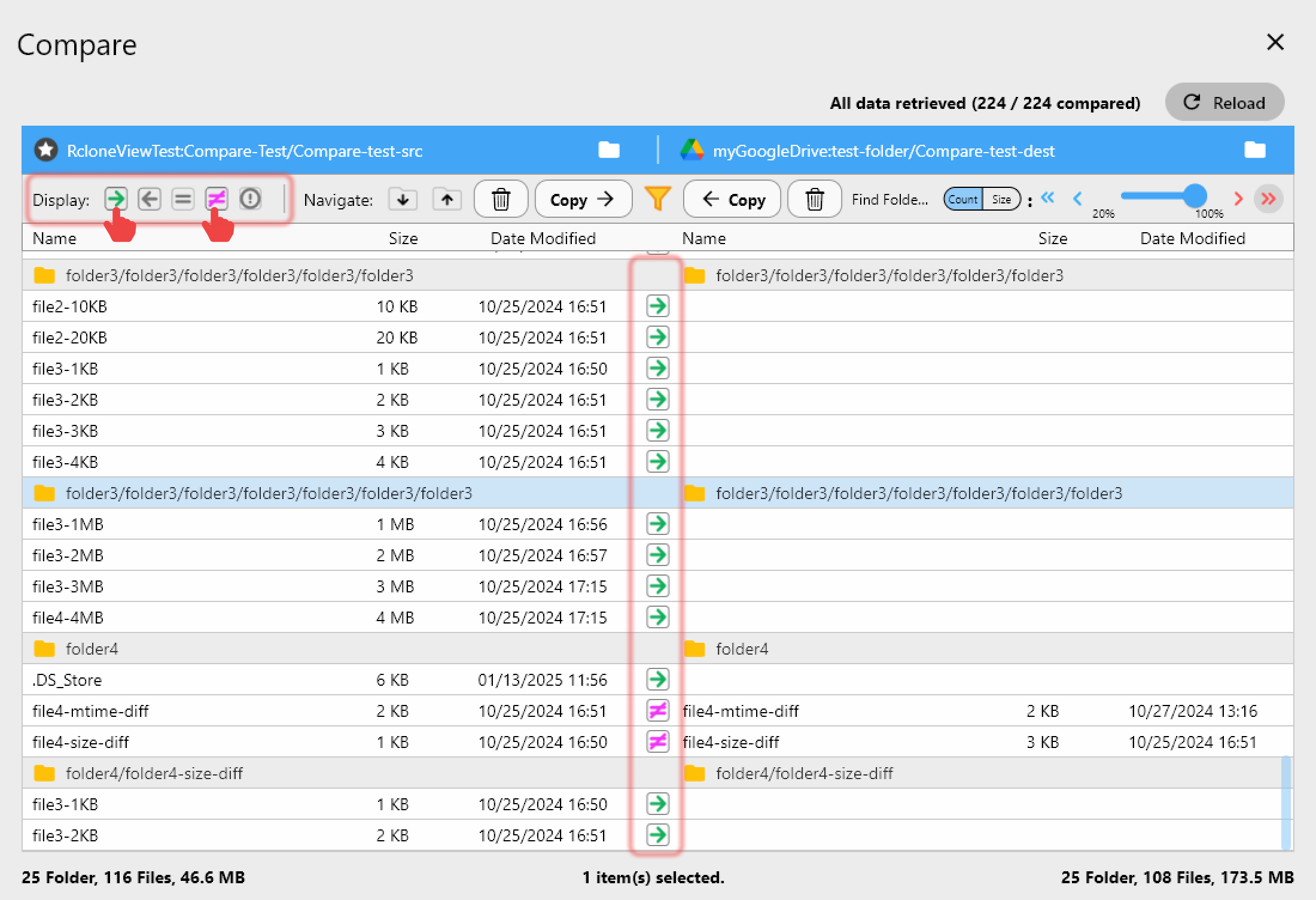
Step 4: Schedule nightly backups
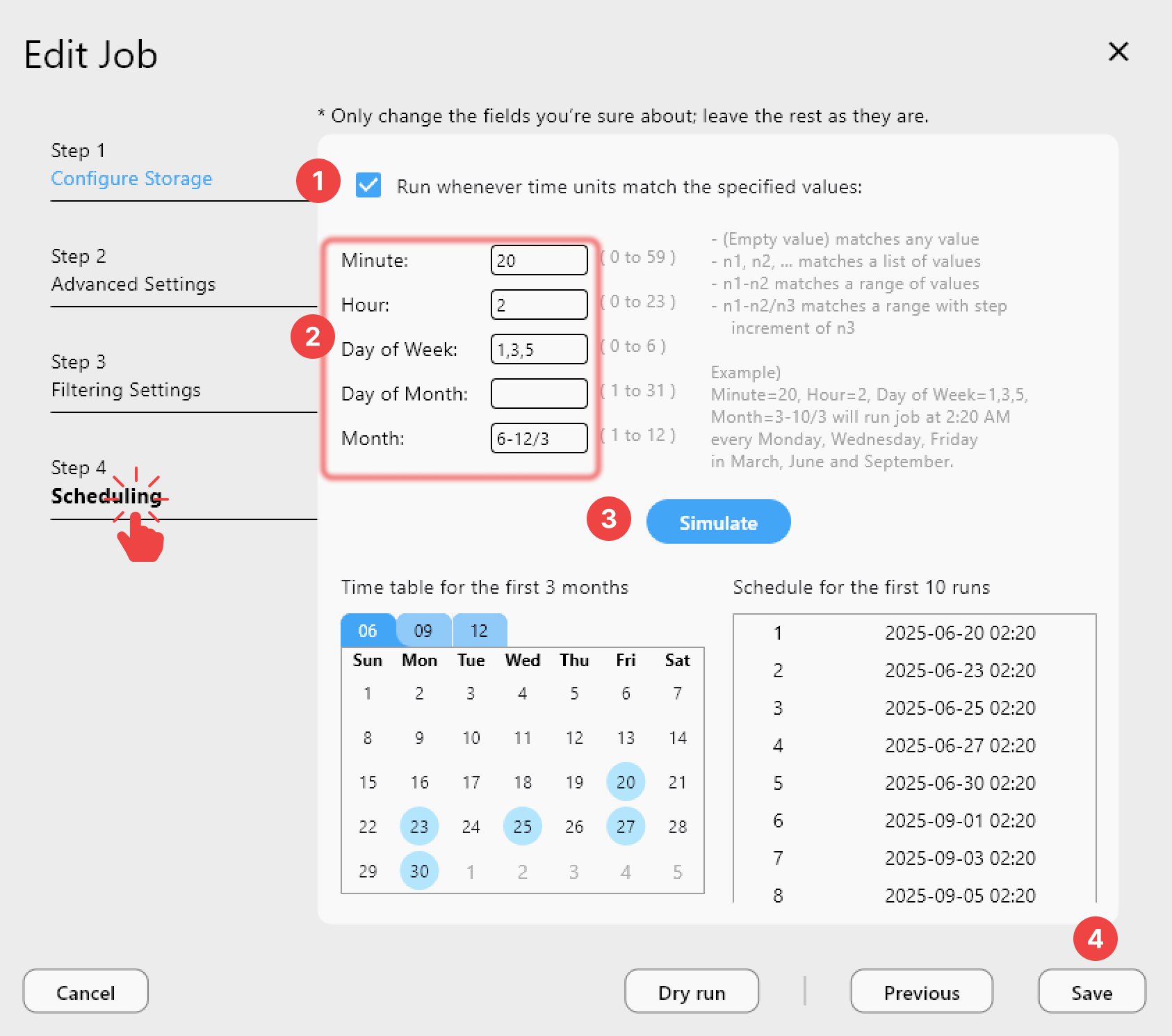
Step 5: Add notifications
Get Slack or email alerts when backups complete or fail. This creates an auditable record.
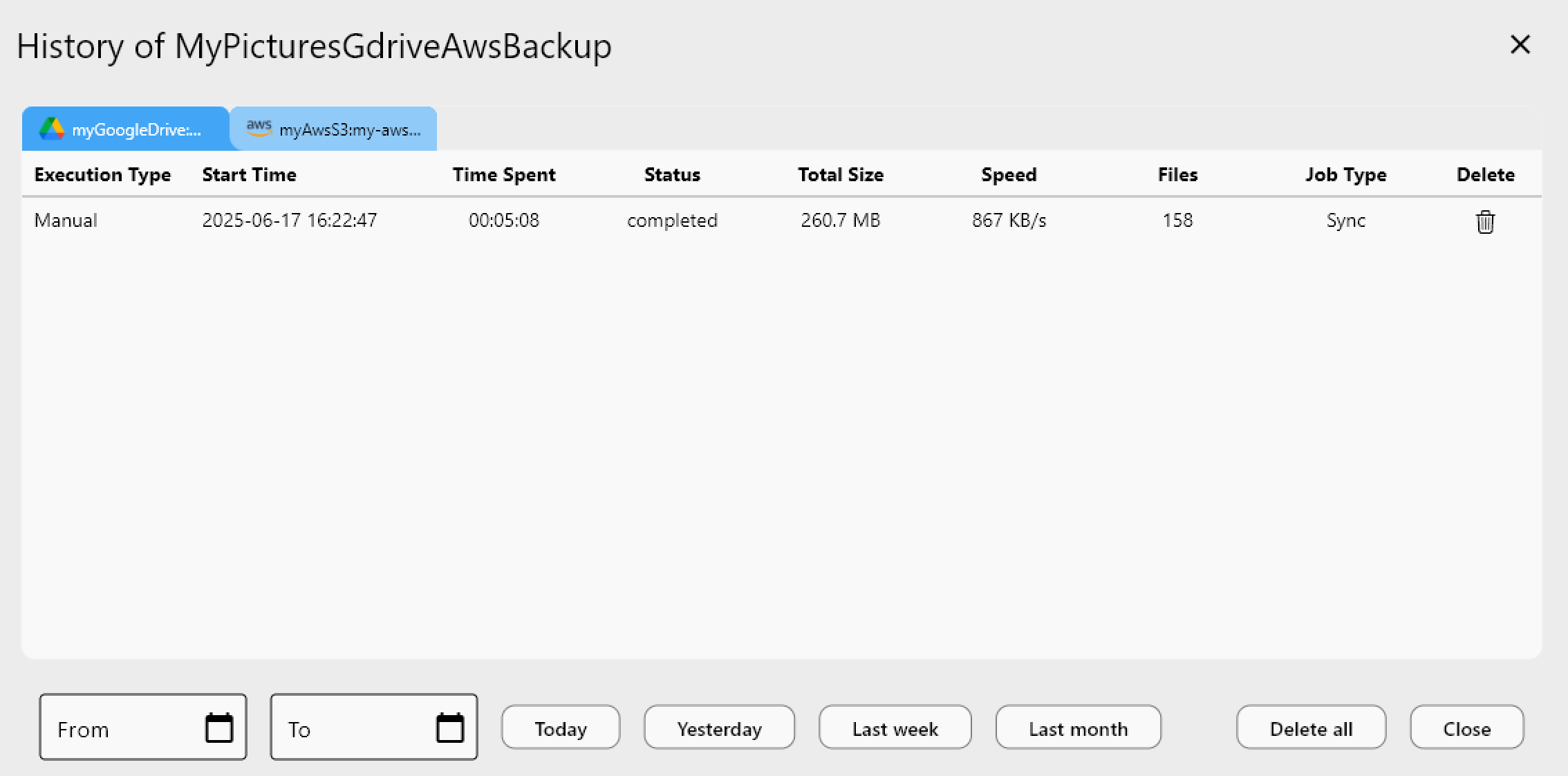
Audit Trail with Job History
Job History logs every backup run with timestamps, file counts, and error reports — useful for compliance documentation.
App Lock for Physical Security
Use RcloneView's App Lock to password-protect access to the application itself — preventing unauthorized users from browsing or modifying backup configurations.
Getting Started
- Download RcloneView from rcloneview.com.
- Connect your firm's primary cloud storage.
- Set up encrypted backup to S3 or B2 using a crypt remote.
- Schedule nightly backups with notifications.
- Document your backup process for compliance.
Client trust is built on data protection. RcloneView gives your firm the tools to back it up — literally.
Related Guides:
- Zero-CLI Crypt Remote
- How to Encrypt Cloud Backups
- Enable App Lock
- Job Scheduling
- Compare Folder Contents
Supported Cloud Providers