Find Unused Files Wasting Cloud Storage — Reduce Costs with a Storage Audit in RcloneView
You're paying for 5 TB across three cloud providers. How much of that is actually needed? For most users, 30-50% of cloud storage is occupied by files they'll never access again.
Cloud storage bills grow gradually. A few extra gigabytes here, a forgotten backup there, and suddenly you're spending hundreds per year on data nobody uses. The problem isn't the price per gigabyte — it's the invisible accumulation. RcloneView helps you see exactly what's in each account and make informed decisions about what stays and what goes.
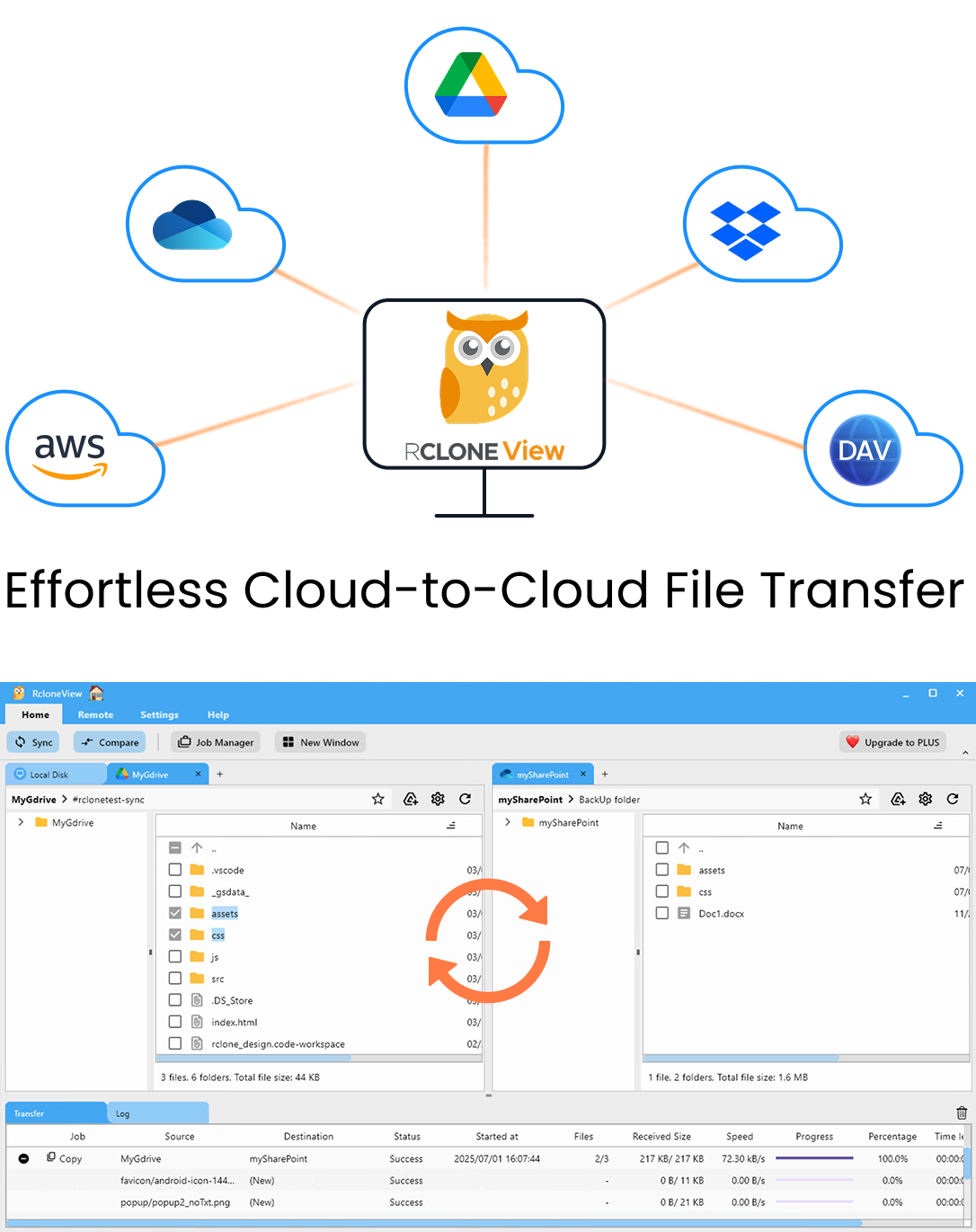
Manage & Sync All Clouds in One Place
RcloneView is a cross-platform GUI for rclone. Compare folders, transfer or sync files, and automate multi-cloud workflows with a clean, visual interface.
- One-click jobs: Copy · Sync · Compare
- Schedulers & history for reliable automation
- Works with Google Drive, OneDrive, Dropbox, S3, WebDAV, SFTP and more
Free core features. Plus automations available.
Common Sources of Waste
Old backup copies
Backup jobs create copies. If you've changed backup destinations over the years, old copies sit on the previous provider consuming paid storage.
Duplicate files across providers
The same files stored on Google Drive, OneDrive, AND Dropbox — because you synced everywhere "just in case."
Stale project files
Projects from 2 years ago still on S3 Standard at $23/TB when they could be on Glacier at $1/TB.
Test and temporary data
Trial uploads, test folders, cached data, .DS_Store files, Thumbs.db — they add up across thousands of folders.
How to Find the Waste
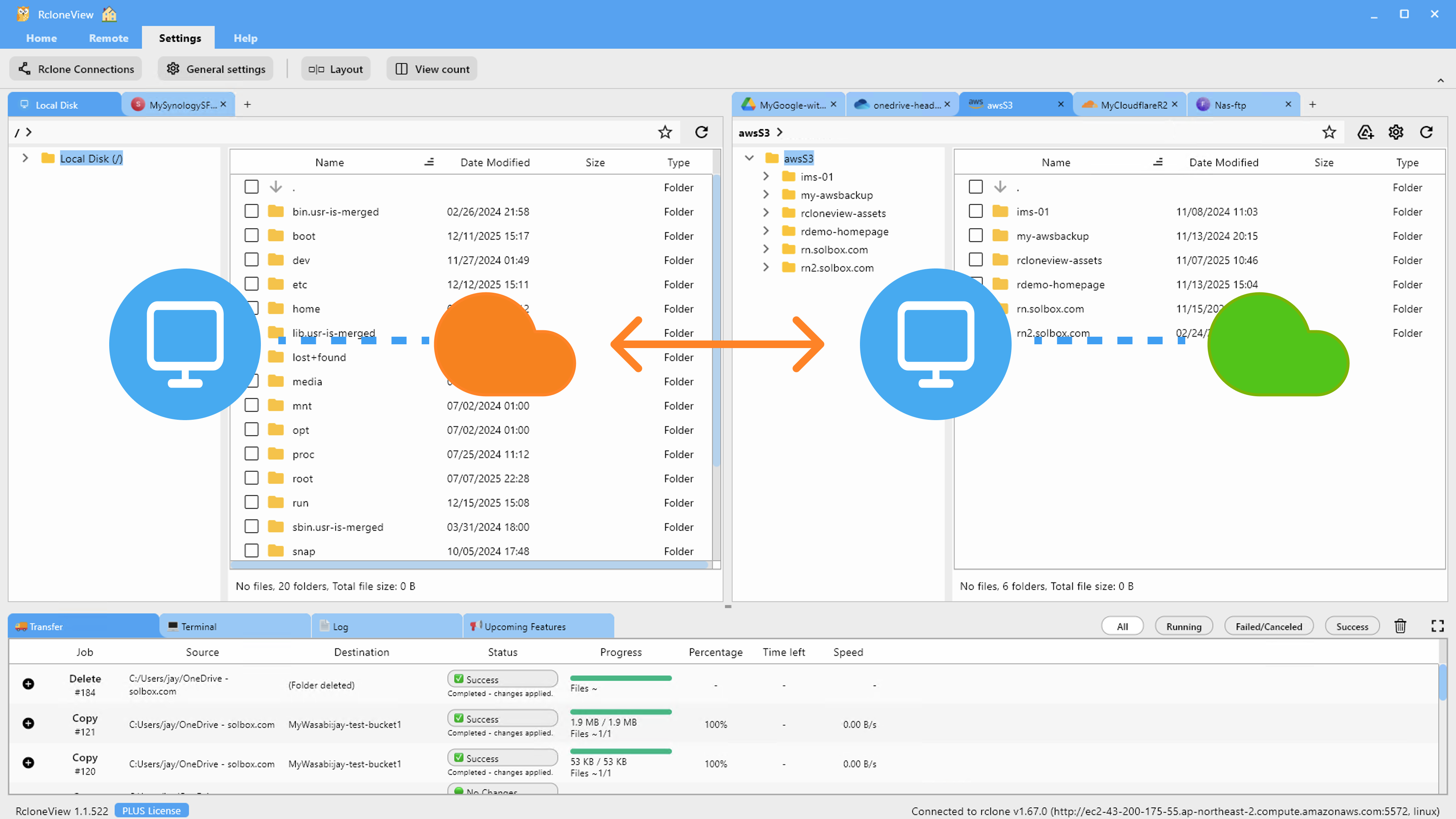
Browse each account
Connect all your cloud accounts and browse through them systematically:
Compare accounts for duplicates
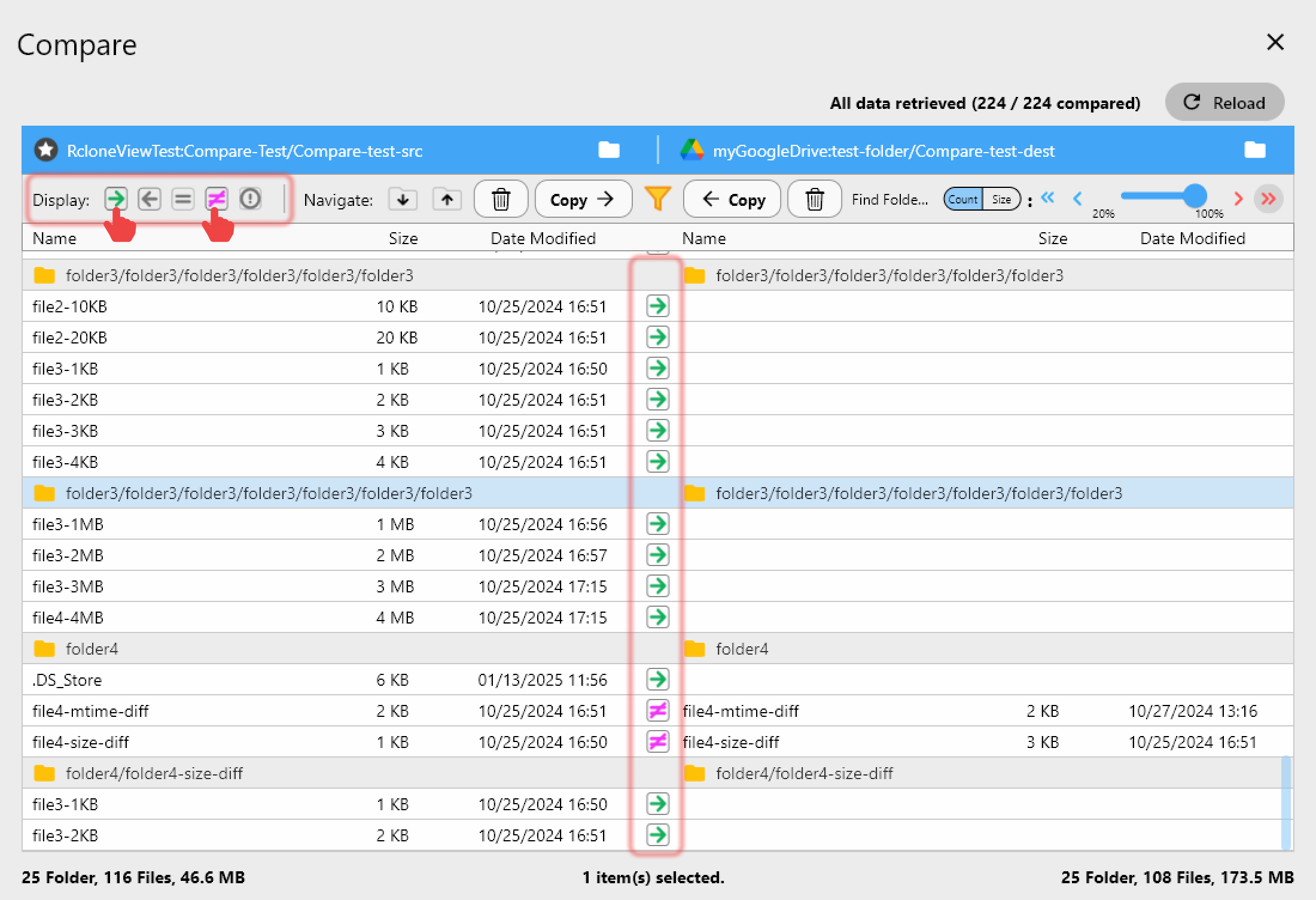
Folder Comparison between two providers highlights identical files — potential duplicates you're paying for twice.
Check backup freshness
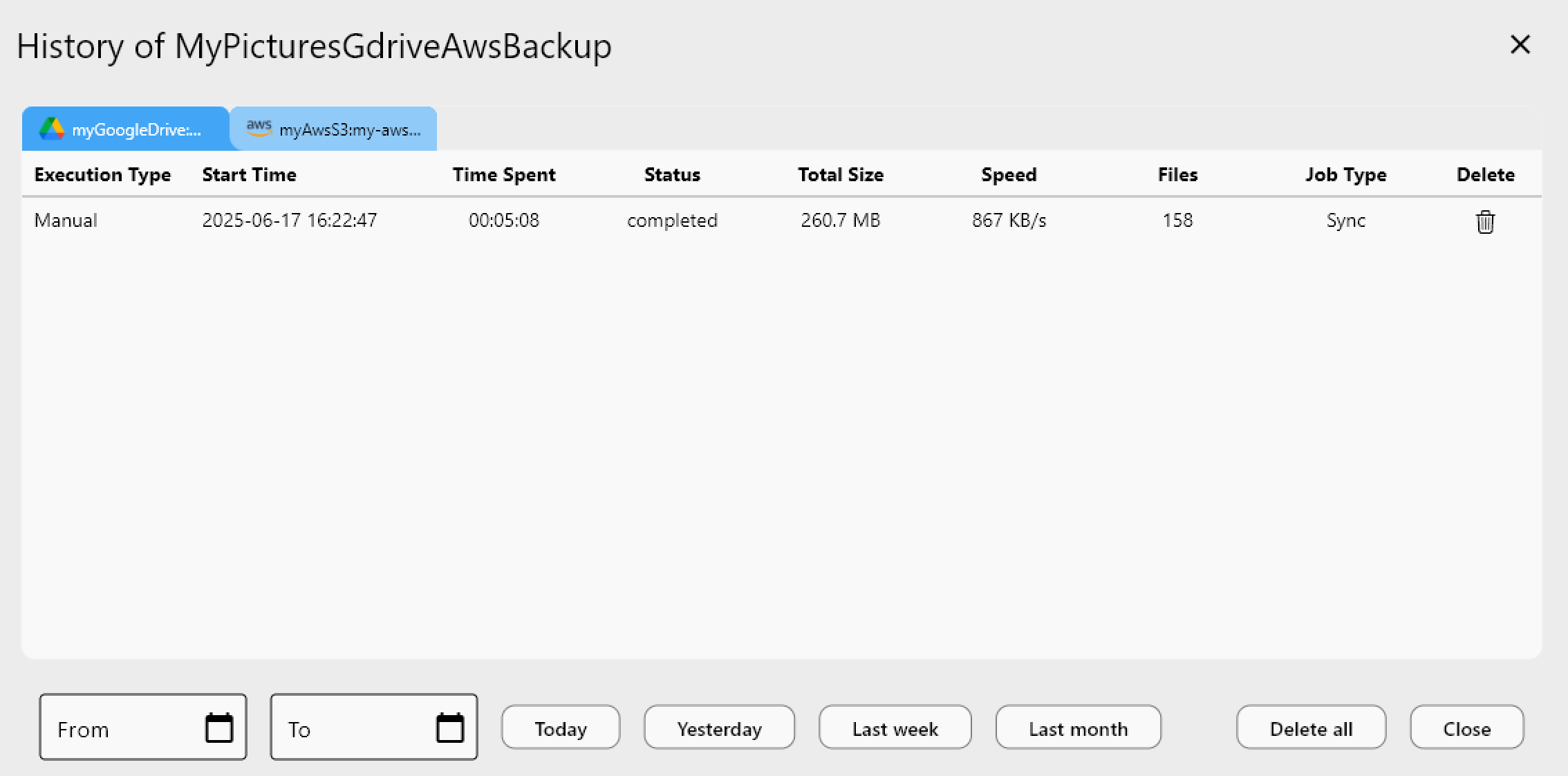
Job history shows when backups last ran. If a backup hasn't run in 6 months, is it still needed?
Action Plan
| Finding | Action | Savings |
|---|---|---|
| Old backups on expensive storage | Delete or move to Glacier | $5-20/TB/month |
| Duplicate files across providers | Keep one copy, delete others | $5-10/TB/month |
| Stale projects on hot storage | Archive to cold storage | $15-20/TB/month |
| Temp files and junk | Delete | Variable |
| Unused provider accounts | Cancel | Subscription cost |
Archive Before Deleting
Don't delete aggressively. Move old files to cold storage first — it's cheap enough to keep "just in case" but costs 90% less than hot storage.
Getting Started
- Download RcloneView from rcloneview.com.
- Connect all cloud accounts.
- Browse and compare systematically.
- Archive unused data to cold storage.
- Delete genuine waste after archiving.
The cheapest storage is the storage you don't need.
Related Guides:
Supported Cloud Providers