Audit Your Cloud Storage — Find Misplaced Files, Wrong Permissions, and Data Sprawl with RcloneView
You have files in Google Drive, OneDrive, Dropbox, S3, and that Backblaze account you set up two years ago. Do you actually know what's in each one? A cloud storage audit reveals surprises — and usually saves money.
Cloud storage accumulates silently. Free tiers fill up, trial accounts get forgotten, shared folders multiply, and before long you're paying for storage across five providers without knowing what's where. A regular audit — browsing each account, comparing contents, cleaning up duplicates — keeps your cloud organized and your costs under control.
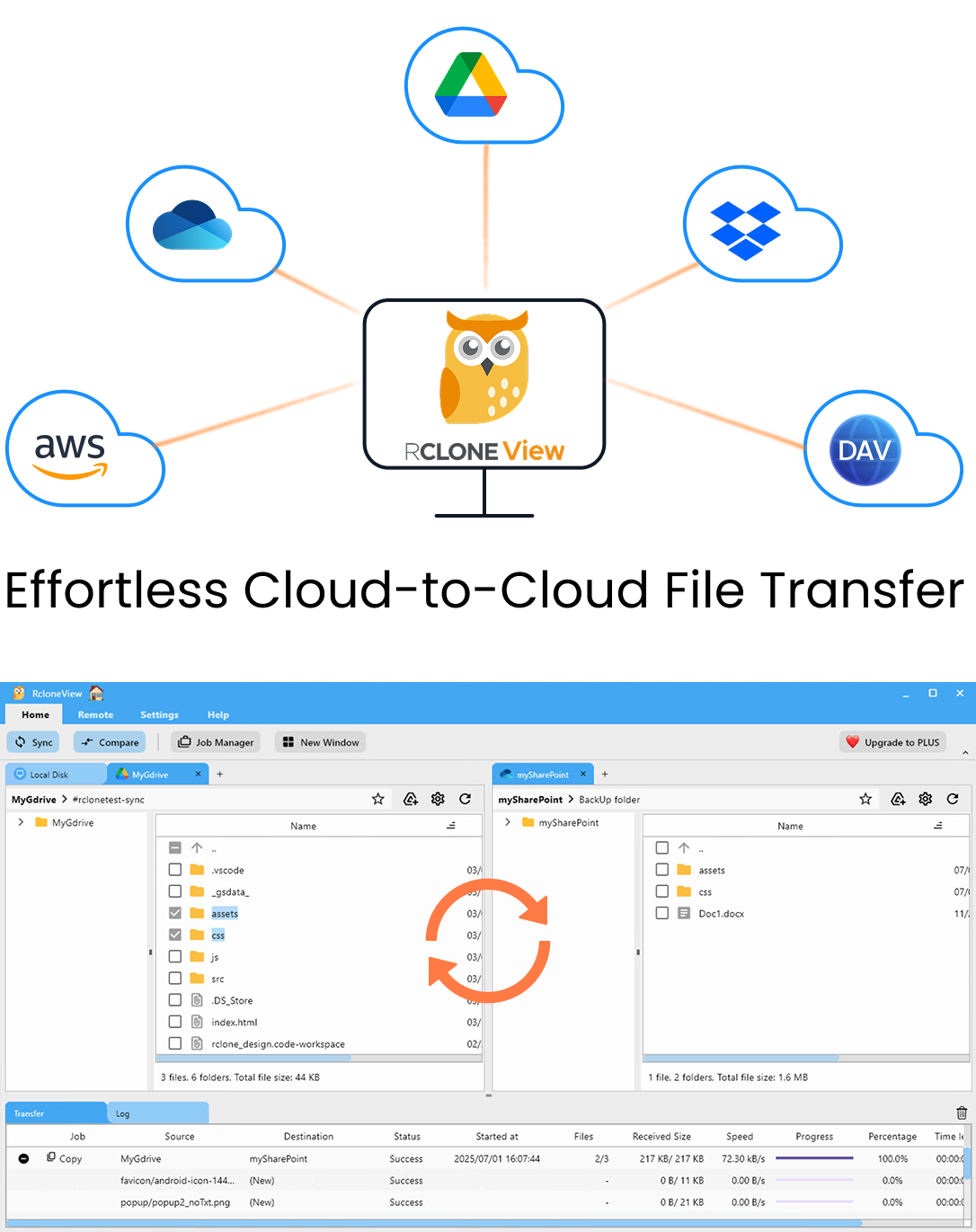
Manage & Sync All Clouds in One Place
RcloneView is a cross-platform GUI for rclone. Compare folders, transfer or sync files, and automate multi-cloud workflows with a clean, visual interface.
- One-click jobs: Copy · Sync · Compare
- Schedulers & history for reliable automation
- Works with Google Drive, OneDrive, Dropbox, S3, WebDAV, SFTP and more
Free core features. Plus automations available.
What to Look For
Orphaned data
Files that exist on a backup provider but were deleted from the primary. Are they intentional archives or forgotten leftovers?
Duplicate copies
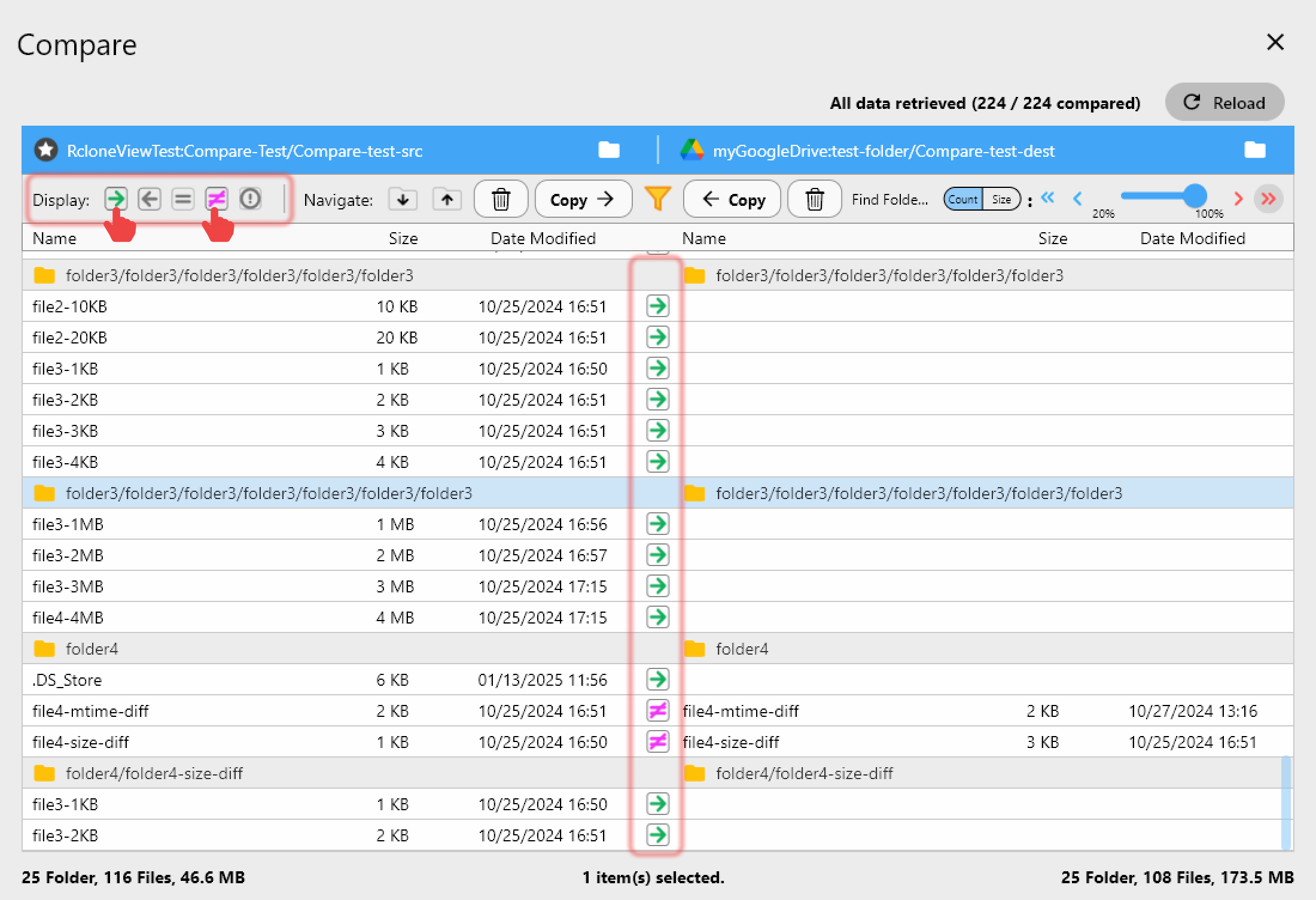
The same files stored on multiple providers unintentionally. Folder Comparison catches these:
Forgotten accounts
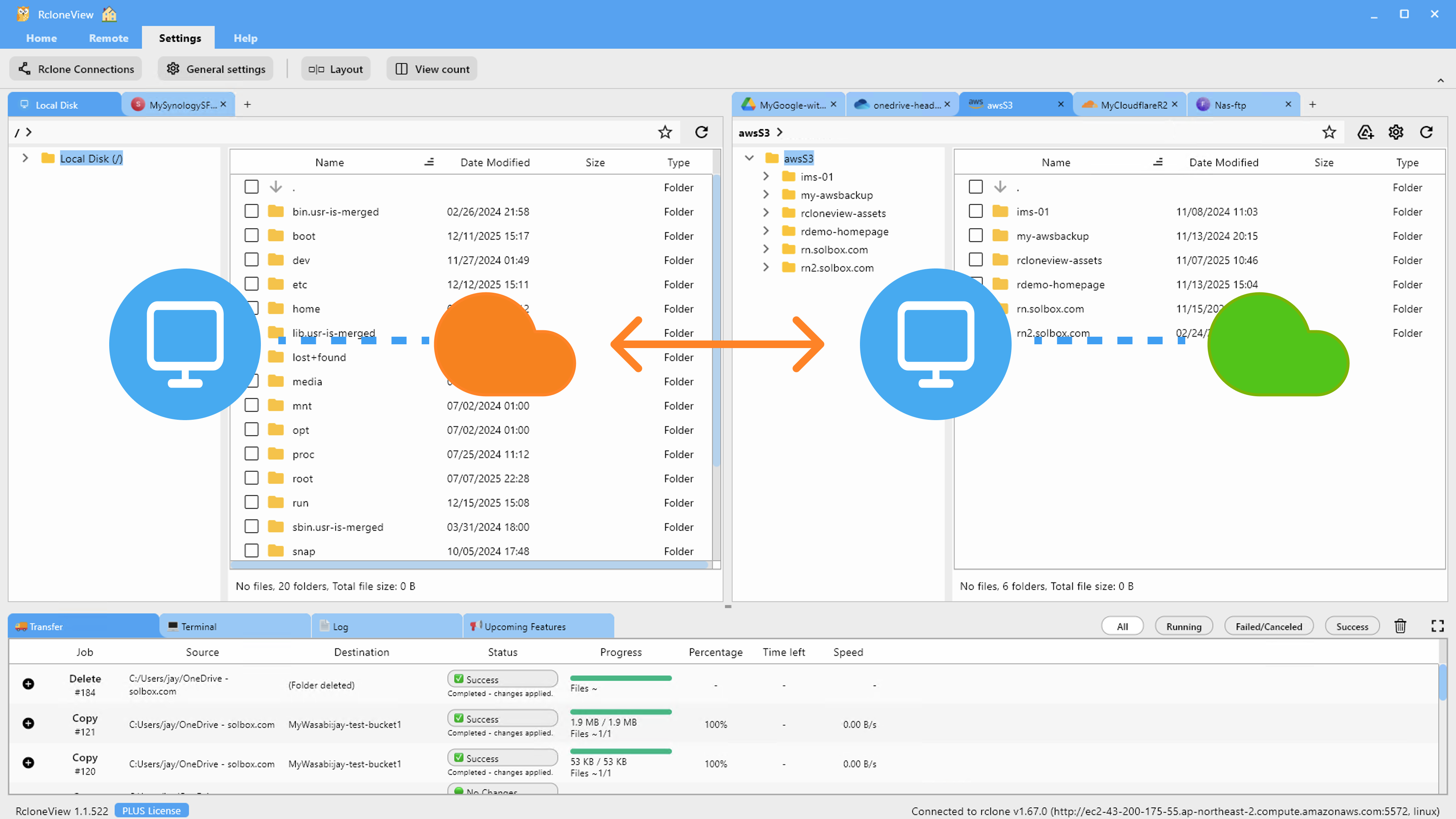
That Wasabi trial with 200 GB of test data? That Dropbox account from a previous job? Connect them all in RcloneView and see what's there:
Stale backups
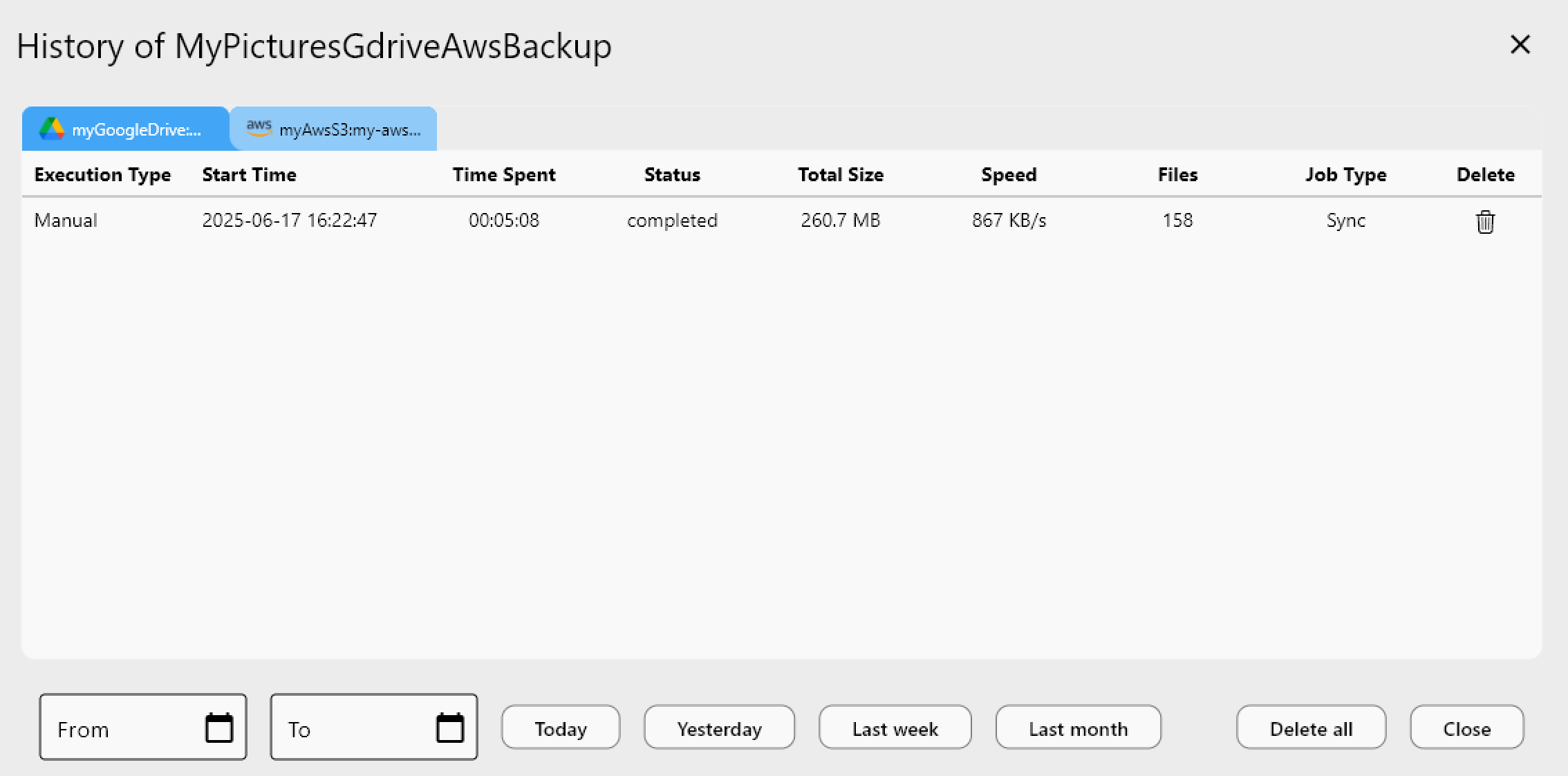
Backup jobs that stopped running months ago but nobody noticed. Check job history for gaps:
Unnecessary storage costs
Files on expensive hot storage (S3 Standard) that should be on cold storage (Glacier). Large files on premium providers that could move to cheaper ones.
How to Run an Audit
Step 1: Connect everything
Add every cloud account you have to RcloneView. Every one — including accounts you forgot about.
Step 2: Browse each account
Use the two-pane explorer to review contents. Note what's in each account and whether it still needs to be there.
Step 3: Compare across accounts
Use Folder Comparison between your primary storage and each backup location. Identify duplicates, missing files, and stale data.
Step 4: Clean up
- Move misplaced files to their correct location
- Delete genuine duplicates (after verifying the primary copy)
- Archive old data to cold storage
- Cancel unused accounts
Step 5: Document and schedule
Set a quarterly reminder to repeat the audit.
Getting Started
- Download RcloneView from rcloneview.com.
- Add all your cloud accounts — every single one.
- Browse and compare systematically.
- Clean up duplicates and stale data.
- Repeat quarterly.
You can't manage what you can't see.
Related Guides:
Supported Cloud Providers