Fix Crypt Remote Decryption Errors — Password and Config Issues with RcloneView

A crypt remote that suddenly throws "bad decrypt" or refuses to list files usually means one thing: the password used to read the data doesn't match the password used to encrypt it.
Rclone's crypt virtual remote wraps an existing remote and encrypts file names, folder names, and file contents before anything leaves your machine. That protection is powerful, but it also means a single mismatched password or a corrupted config entry can lock you out of files that are otherwise sitting untouched in the cloud. RcloneView surfaces these errors directly in the Log tab and Terminal, which makes it possible to diagnose exactly what went wrong instead of guessing.
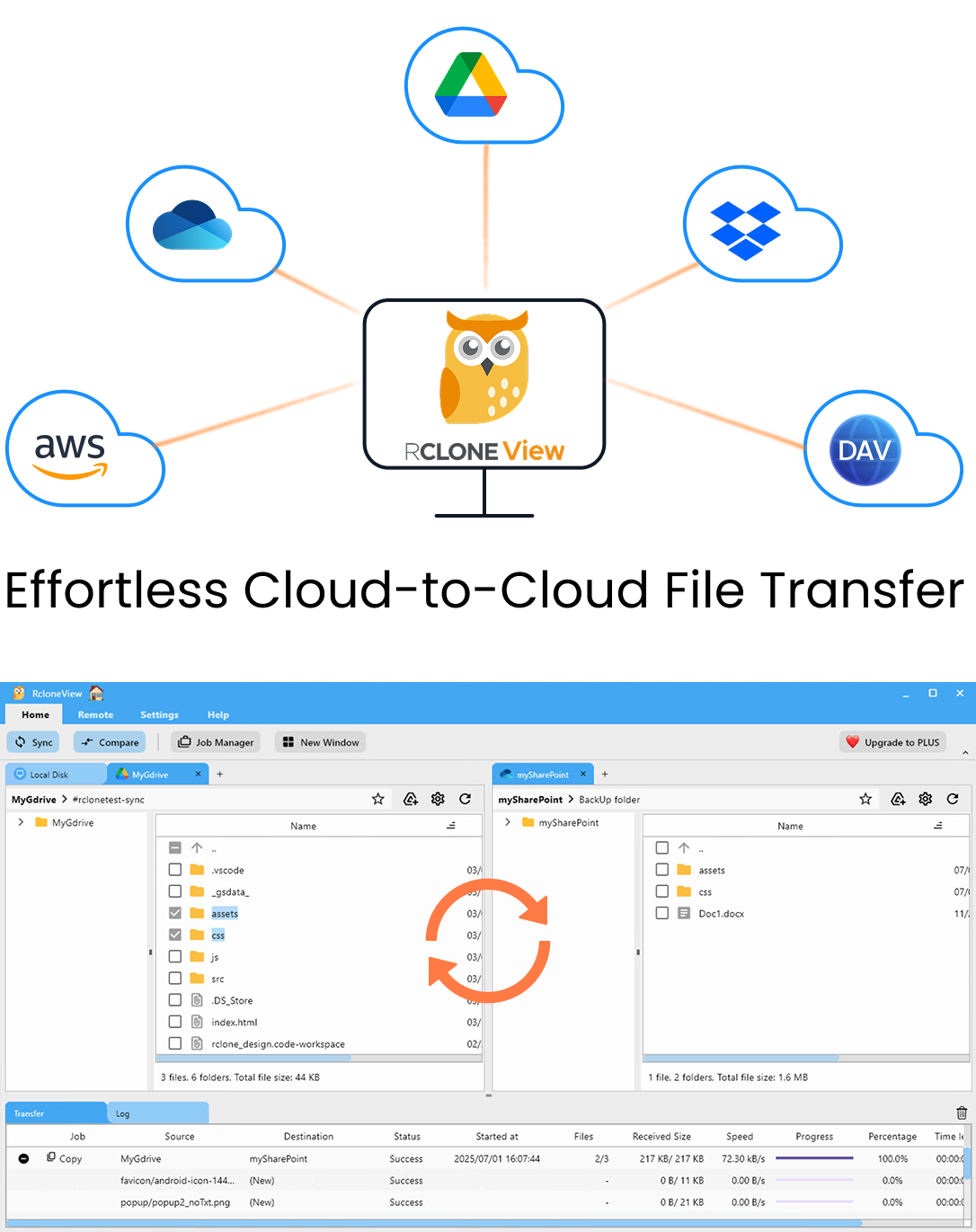
Manage & Sync All Clouds in One Place
RcloneView is a cross-platform GUI for rclone. Compare folders, transfer or sync files, and automate multi-cloud workflows with a clean, visual interface.
- One-click jobs: Copy · Sync · Compare
- Schedulers & history for reliable automation
- Works with Google Drive, OneDrive, Dropbox, S3, WebDAV, SFTP and more
Free core features. Plus automations available.
Why Crypt Decryption Fails
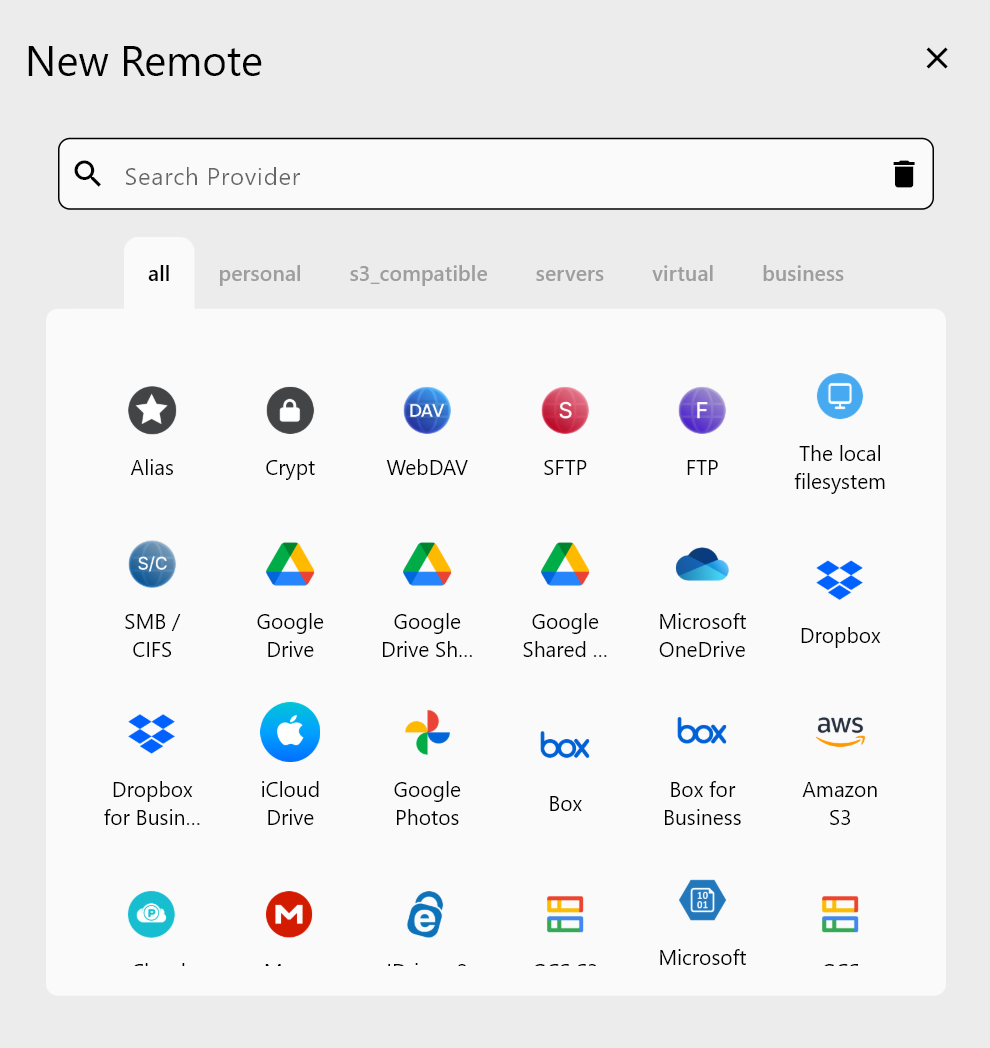
A crypt remote stores two secrets: the main password and an optional second password (the "salt"). Both are obscured and saved in your rclone config when you set up the remote through RcloneView's New Remote wizard. Decryption fails when either value doesn't match what was used originally — a common cause is recreating the crypt remote from memory after a config reset, or copying a rclone.conf file between machines without copying the exact obscured password strings.
Another frequent trigger is applying the wrong crypt "filename encryption" mode. If the original remote used standard filename encryption and a rebuilt remote uses "off" or "obfuscate" instead, RcloneView will list garbled names or fail outright when it tries to read directory structure it can't interpret.
Fixing Bad Decrypt and Garbled Filename Errors
Start in Remote Manager and open the crypt remote's settings to compare its configuration against the underlying remote it wraps. Confirm the password and password2 fields, the filename encryption mode, and the target path all match what was originally used. If you're unsure of the exact settings, check the Log tab after enabling rclone logging at DEBUG level in Settings — the error text usually names the specific field rclone rejected.
If the crypt remote was rebuilt after a config wipe and you still have the original rclone.conf, don't retype the password by hand. Passwords stored in rclone config files are obscured, not plaintext, so pasting the exact obscured string back in preserves it precisely — retyping introduces the risk of a subtly different password that looks identical but decrypts nothing.
Recovering When the Password Is Genuinely Lost
There is no backdoor: rclone's crypt encryption is designed so that without the correct password, the data is unrecoverable — not by RcloneView, not by rclone, not by the cloud provider. If a password is truly lost, the practical path forward is prevention rather than recovery. Export your rclone config regularly through Settings, and store the exported file (or at minimum the crypt password) somewhere secure and separate from the machine running RcloneView.
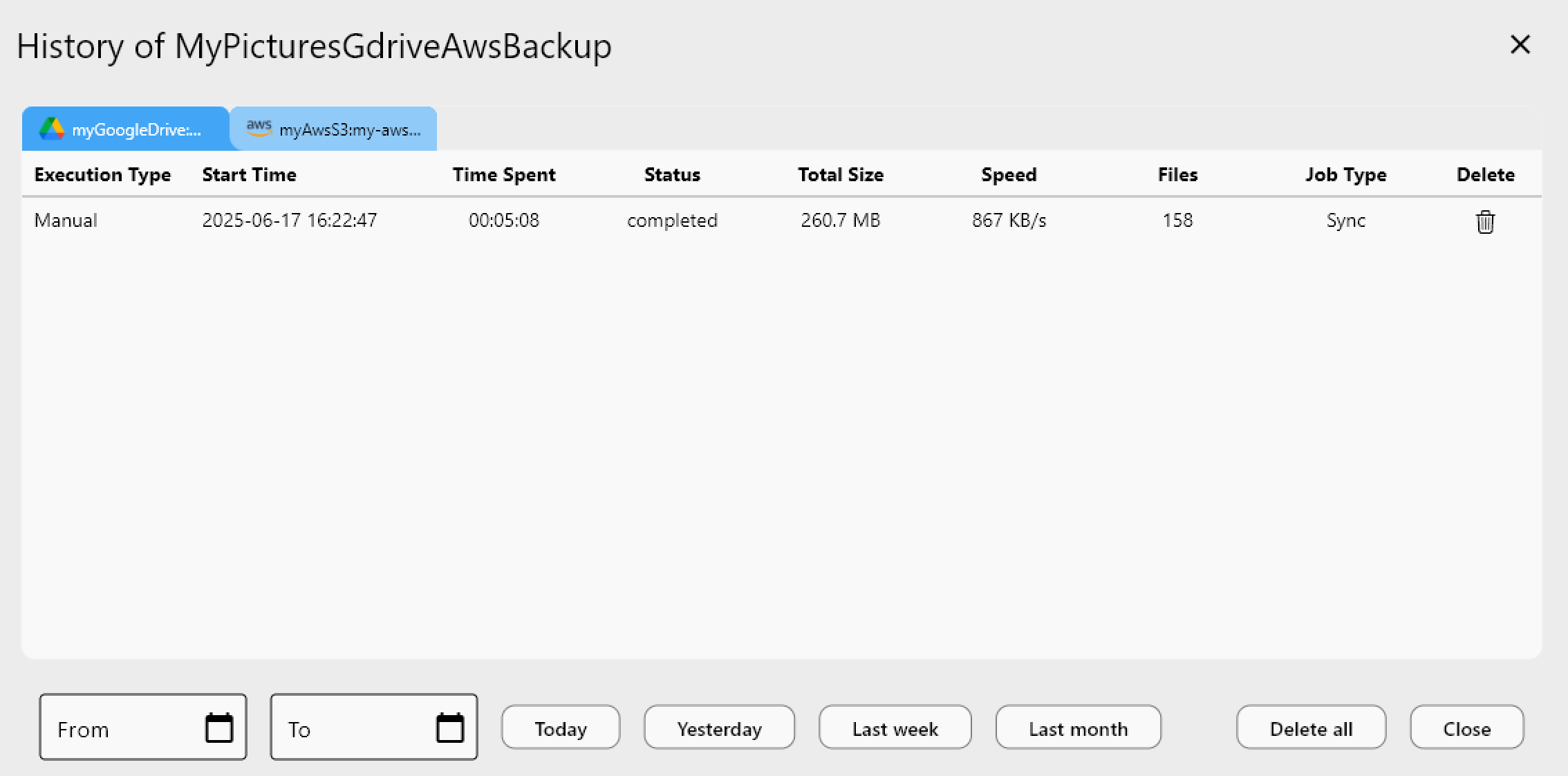
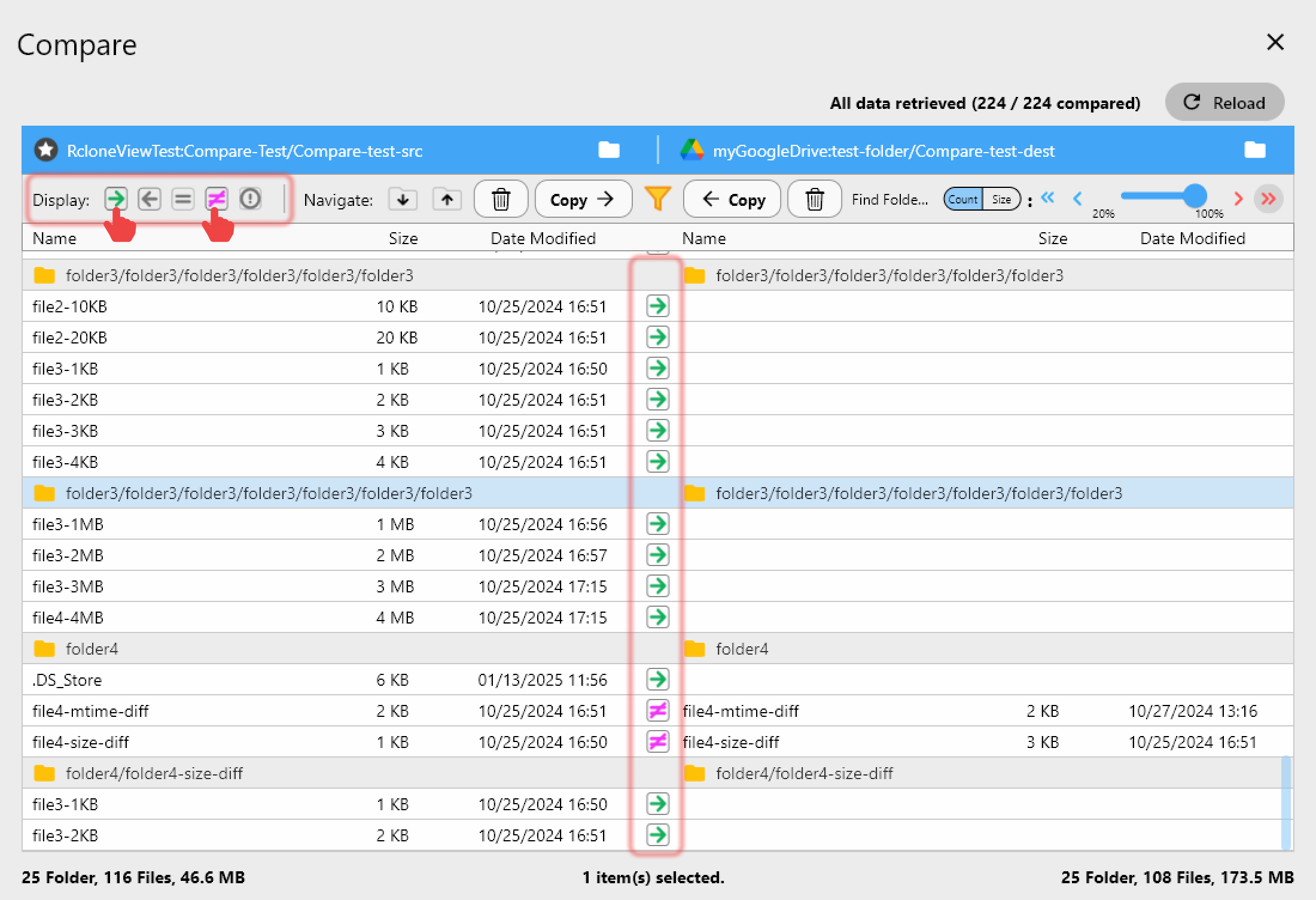
RcloneView also syncs and compares folders on the FREE license, so once a crypt remote is working correctly, you can run a Dry Run sync against it to confirm decryption succeeds before trusting it with new data. This catches password mismatches before they cause a failed backup job.
Getting Started
- Download RcloneView from rcloneview.com.
- Open Remote Manager and locate the crypt remote throwing the error.
- Enable rclone Logging at DEBUG level in Settings, then reproduce the error to capture the exact failure message.
- Compare the crypt remote's password, password2, and filename encryption mode against your original setup notes or exported config.
Getting crypt remote errors resolved quickly means the difference between a minor config check and a genuinely unrecoverable backup — treat your encryption password with the same care as the data it protects.
Related Guides:
- Zero-CLI Encryption with RcloneView Crypt Remote: Protect Any Cloud Folder
- How to Backup, Migrate, and Manage Your Rclone Config with RcloneView
- Fix Rclone Config Corruption and Recovery Issues in RcloneView
Supported Cloud Providers