Fix SFTP Connection Errors — Resolve SSH File Transfer Issues with RcloneView

SFTP errors in RcloneView almost always trace back to a handful of root causes — authentication misconfiguration, firewall rules, or host key verification failures — and each one has a direct fix.
SFTP (SSH File Transfer Protocol, port 22) is a staple for transferring files between local machines and servers: web hosts, on-premises NAS devices, and cloud VMs all commonly expose an SFTP interface. When RcloneView cannot reach an SFTP remote, the error message in the Log tab points toward the cause, but the range of possible issues — wrong credentials, blocked ports, mismatched host keys, restricted paths — can make diagnosis feel like guesswork. This guide walks through the most common SFTP errors and how to resolve each one systematically.
Manage & Sync All Clouds in One Place
RcloneView is a cross-platform GUI for rclone. Compare folders, transfer or sync files, and automate multi-cloud workflows with a clean, visual interface.
- One-click jobs: Copy · Sync · Compare
- Schedulers & history for reliable automation
- Works with Google Drive, OneDrive, Dropbox, S3, WebDAV, SFTP and more
Free core features. Plus automations available.
Setting Up the SFTP Remote Correctly
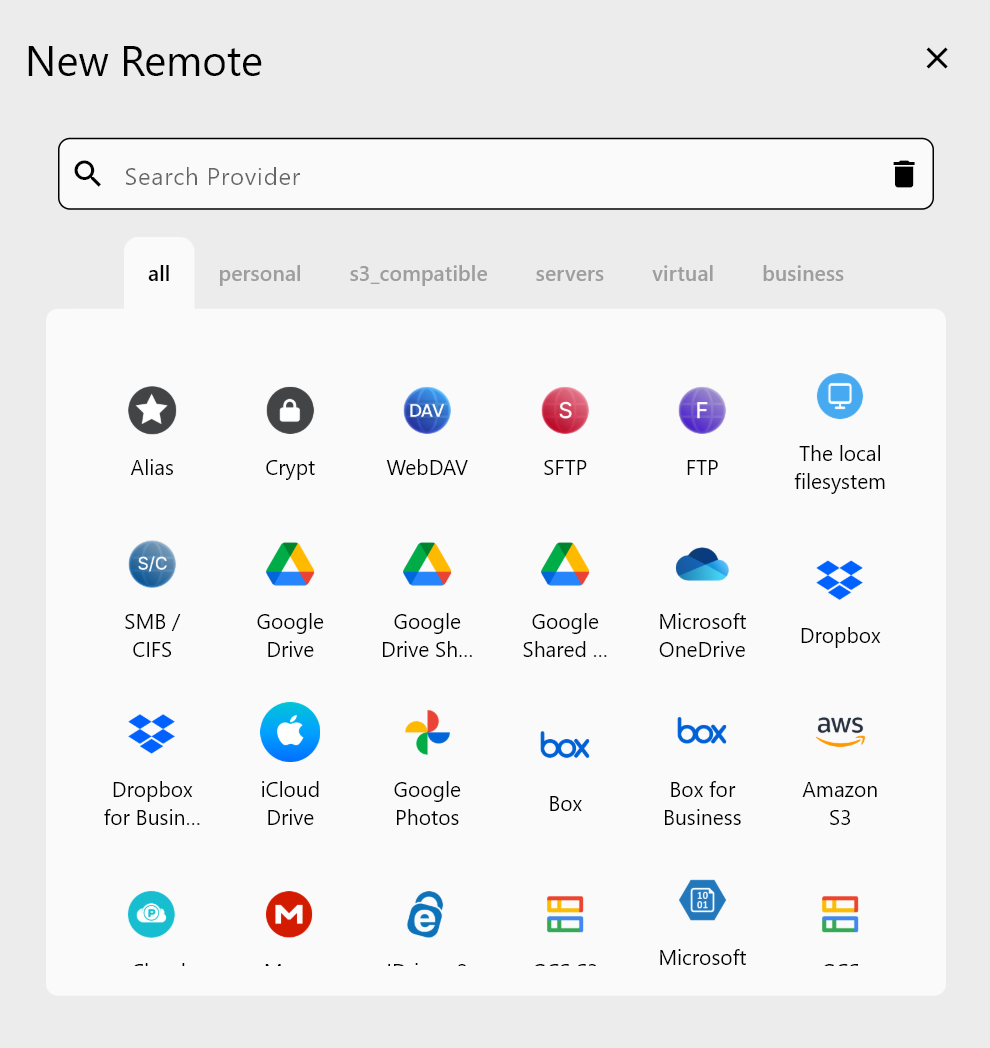
Most connection errors start at remote setup. In RcloneView, open Remote tab > New Remote and select SFTP from the provider list. The required fields are the Host (bare hostname or IP address — omit sftp://), the Port (defaults to 22), a Username, and your Authentication method, which is either a password or an SSH private key file path.
A frequent mistake is entering sftp://hostname in the Host field. RcloneView (via rclone) expects just the bare hostname or IP, and the sftp:// prefix causes an immediate connection refusal. If your server uses key-based authentication, ensure the private key file path points to the correct file on your local machine. On Linux and macOS, the key file permissions must be 600 or stricter — the SSH client refuses to use world-readable keys.
Diagnosing Authentication Failures
Authentication failures surface in the RcloneView Log tab with messages like ssh: handshake failed or Permission denied (publickey,password). Work through these checks in order:
- Verify the username — connect once with a terminal SSH client to confirm the exact account name. RcloneView uses the same credentials, and case sensitivity matters.
- Check key versus password mode — if the server enforces key-based login, a password entry in RcloneView will fail. Leave the password blank and provide the private key path instead.
- Enable DEBUG logging — go to Settings > Embedded Rclone > Enable rclone Logging, set the level to DEBUG, and reproduce the failure. The log file captures the full SSH handshake and pinpoints the exact rejection step.
Resolving Host Key Mismatch Errors
The first time rclone connects to an SFTP server, it records the server's host key. If that key changes later — due to a server rebuild, OS reinstall, or certificate rotation — rclone raises a host key mismatch error and refuses the connection to prevent man-in-the-middle attacks. To resolve this, open the Rclone Terminal tab in RcloneView and run:
rclone config show <remote-name>
Identify the known_hosts_file path shown in the output, open that file in a text editor, and delete the stale entry for the affected host. The next connection attempt will prompt you to trust the new key and store it cleanly.
Fixing Firewall and Timeout Issues
If the connection attempt hangs without an error — or produces dial tcp: connection timed out — the problem is likely a firewall blocking port 22 on either the server or the client network. Use the Terminal tab to test whether rclone can reach the server with rclone about <remote-name>: and compare the result to a direct terminal SSH connection. If the SSH client succeeds but rclone times out, check whether your machine or corporate network applies outbound firewall rules that affect non-browser connections. For networks that block outbound port 22, ask the server administrator to expose SFTP on an alternate port — a common workaround is port 443 — and update the Port field in your RcloneView remote settings accordingly.
Reviewing Job History After Failed Transfers
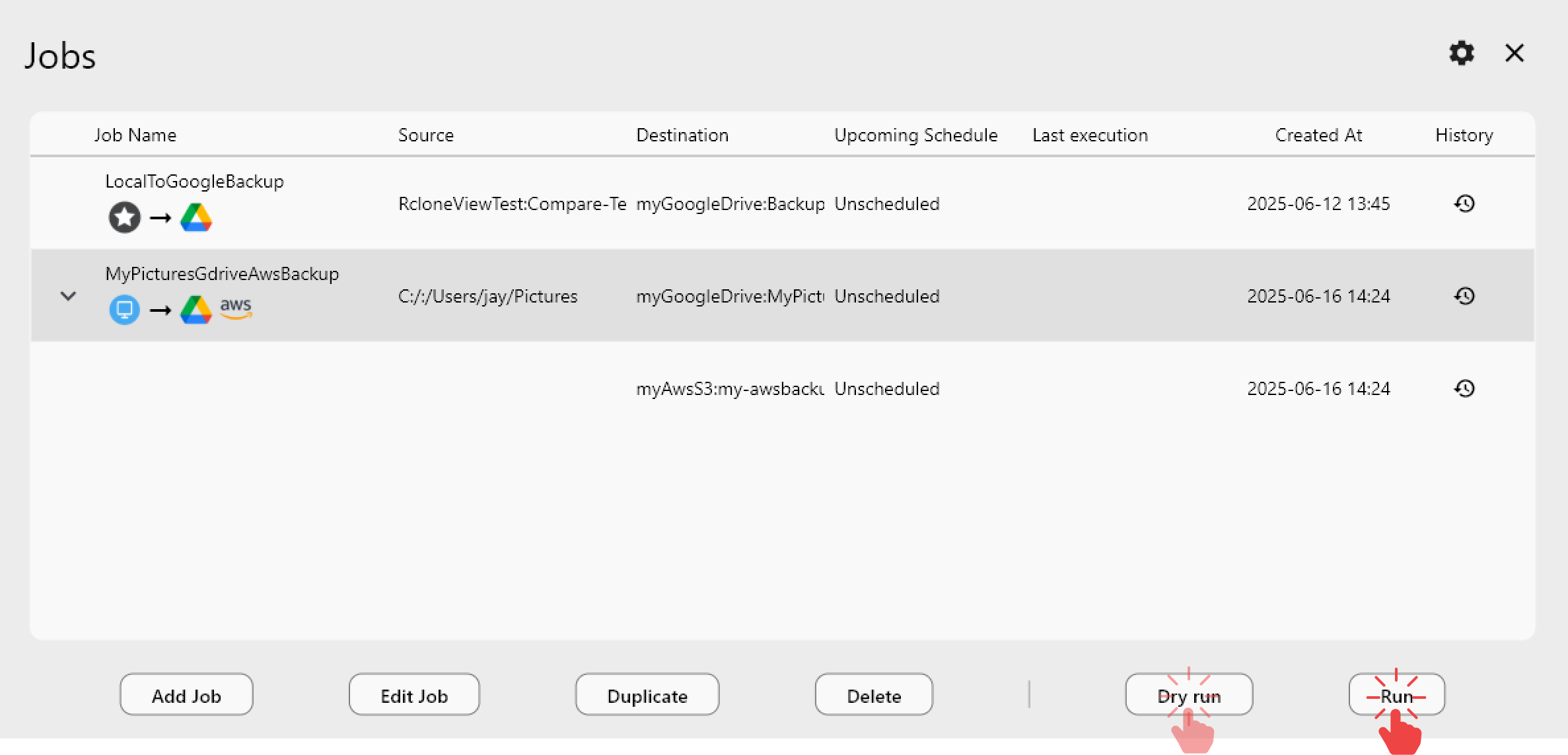
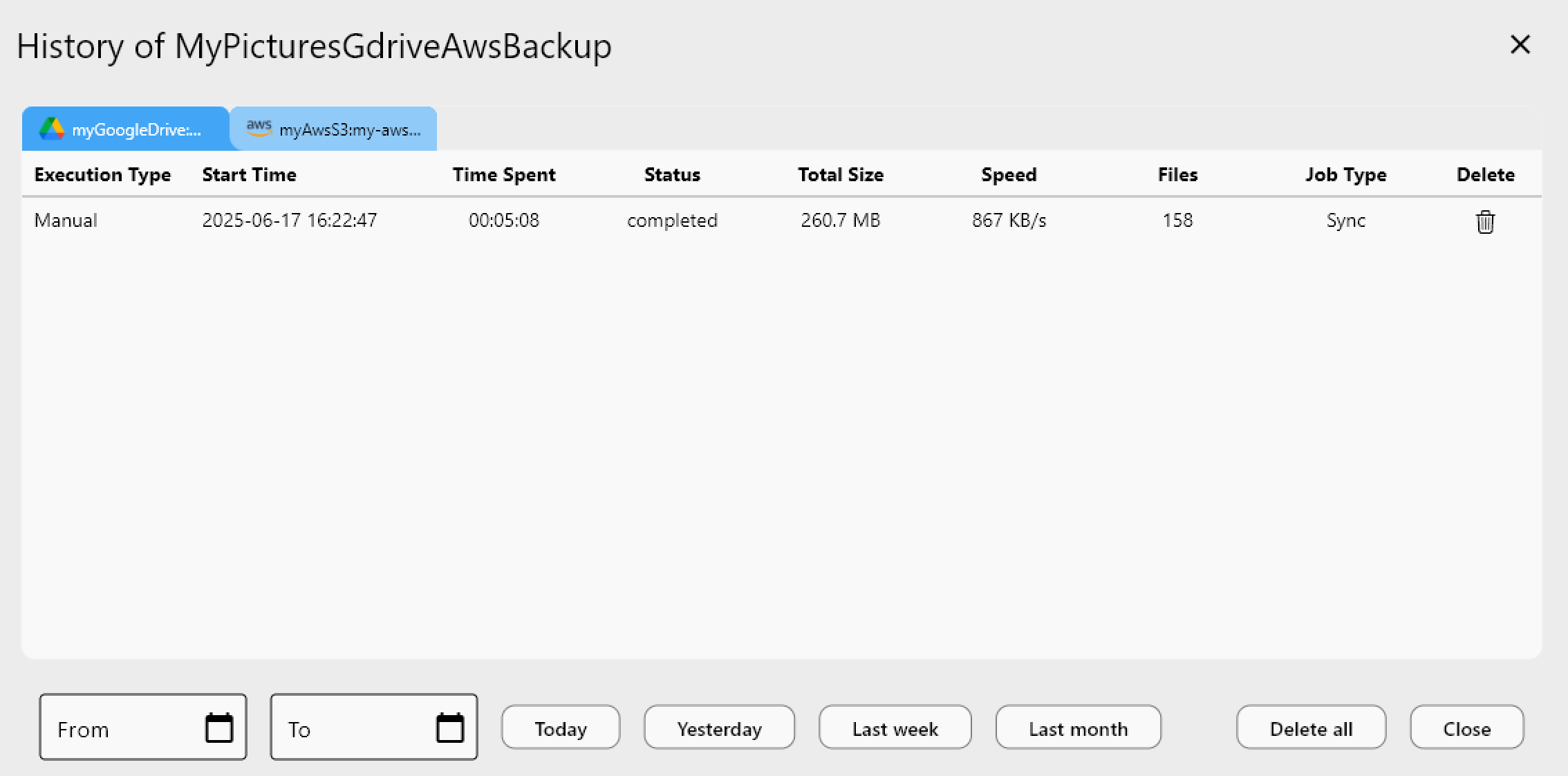
Once the connection is stable, review the Job History view to confirm that previous failed runs did not leave partial files at the destination. RcloneView records each job's status, transfer count, speed, and error codes. A quick scan identifies incomplete syncs that need to be re-run, and the Dry Run option lets you preview exactly which files will be copied or deleted before committing the operation.
Getting Started
- Download RcloneView from rcloneview.com.
- Open Remote tab > New Remote > SFTP and enter the bare hostname (no
sftp://prefix), port, username, and authentication credentials. - Enable DEBUG logging in Settings to capture the full SSH handshake when errors occur.
- Check Job History after any failed transfer to identify partial syncs that need to be re-run.
With the right credentials and a clear view into rclone's log output, most SFTP errors resolve quickly — and RcloneView makes it straightforward to verify results and get back to productive file transfers.
Related Guides:
- Manage FTP Server Files — Cloud Sync and Backup with RcloneView
- Mount SFTP and SMB as Local Drives with RcloneView
- Troubleshoot Rclone Errors with RcloneView
Supported Cloud Providers