Migrate Dropbox to Proton Drive — Transfer Files with RcloneView

RcloneView lets you transfer your entire Dropbox library to Proton Drive directly cloud-to-cloud — no local downloads, no manual re-uploading, and no command line required.
For many teams, the decision to leave Dropbox comes down to data privacy. Dropbox stores files in plaintext on its servers, meaning Dropbox employees and legal authorities can access your data with a warrant. Proton Drive, built by the team behind ProtonMail, encrypts files client-side before they reach Proton's servers — not even Proton can read your content. RcloneView simplifies this migration by connecting to both services simultaneously and moving data directly cloud-to-cloud, preserving folder structure and file integrity throughout.
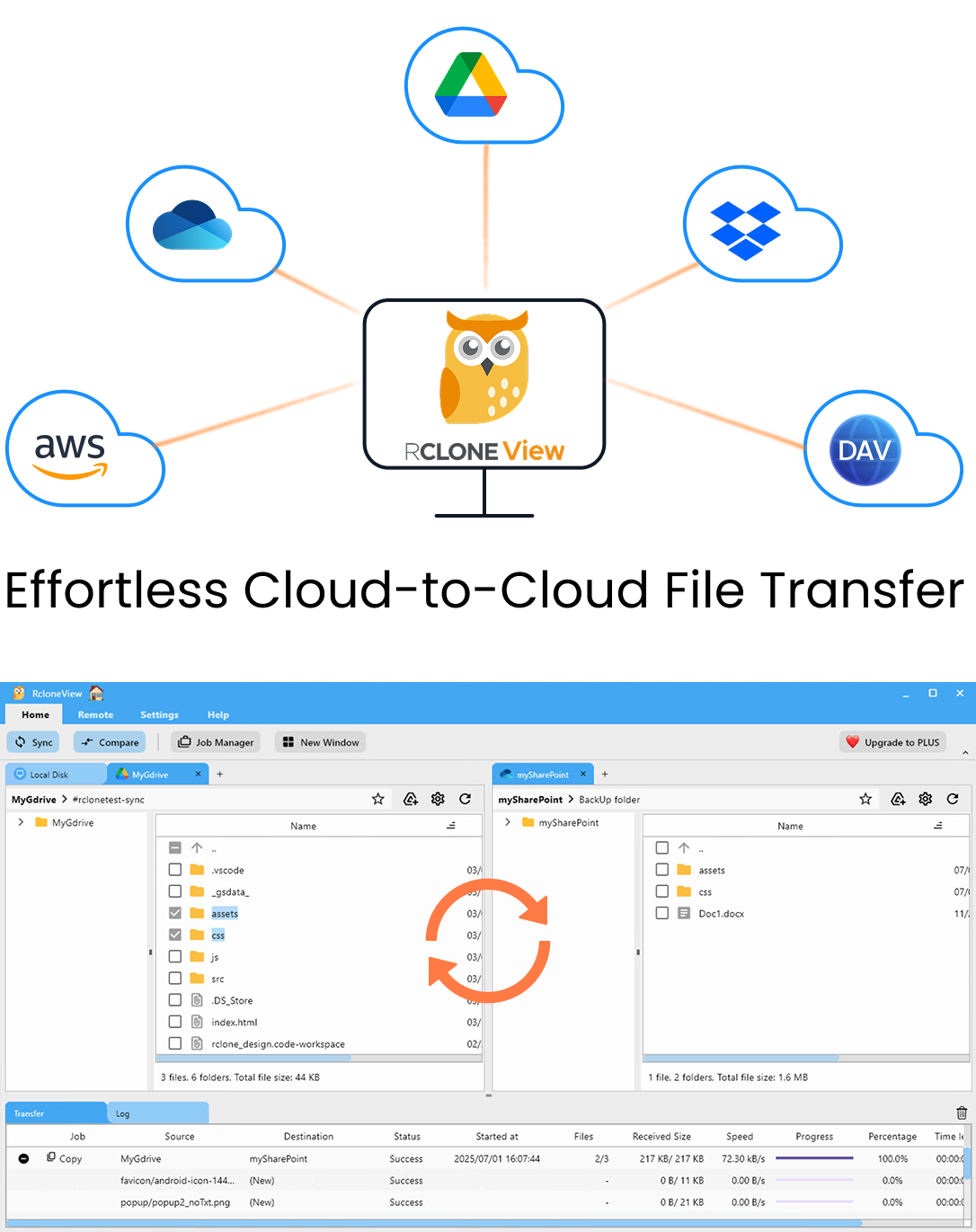
Manage & Sync All Clouds in One Place
RcloneView is a cross-platform GUI for rclone. Compare folders, transfer or sync files, and automate multi-cloud workflows with a clean, visual interface.
- One-click jobs: Copy · Sync · Compare
- Schedulers & history for reliable automation
- Works with Google Drive, OneDrive, Dropbox, S3, WebDAV, SFTP and more
Free core features. Plus automations available.
Adding Dropbox and Proton Drive as Remotes
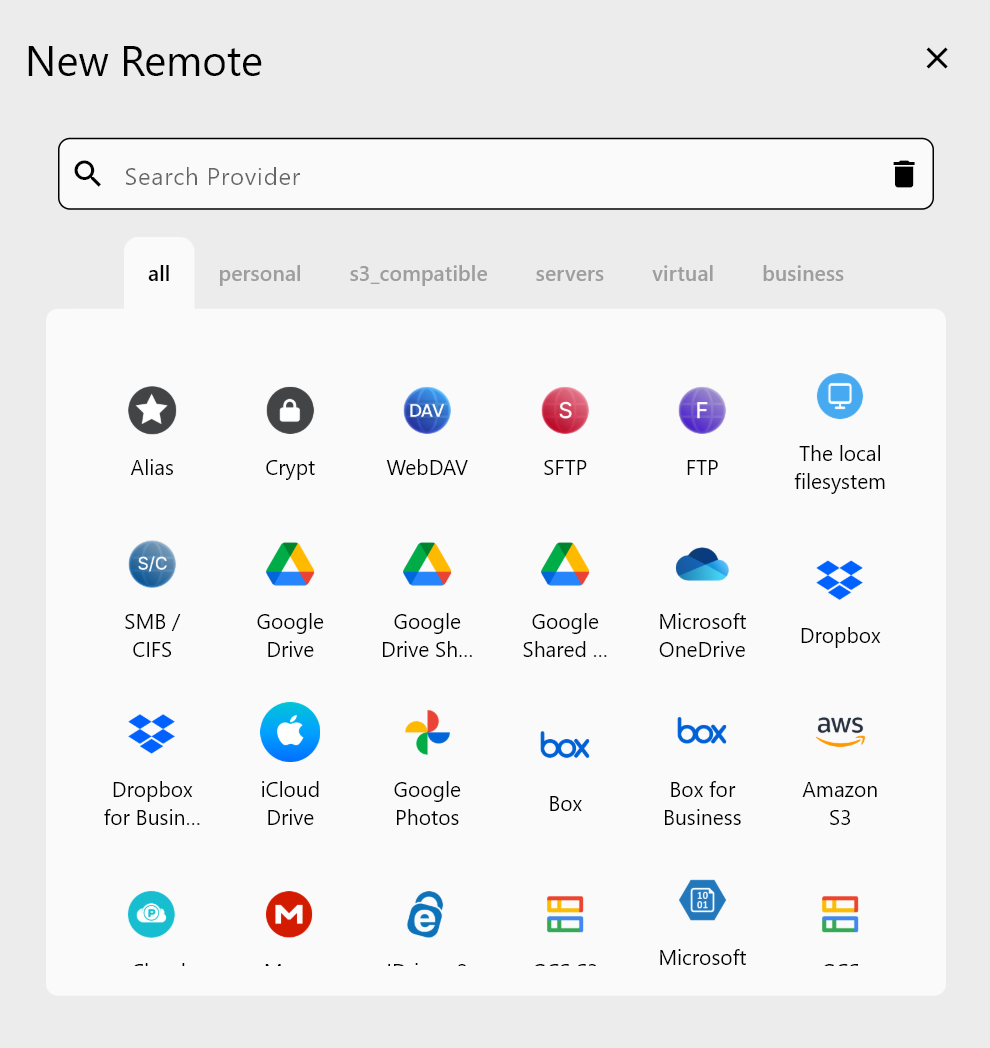
Before transferring files, add both cloud accounts to RcloneView. Go to Remote tab > New Remote and select Dropbox. RcloneView opens a browser window for OAuth authentication — log in to Dropbox and grant access. The remote saves automatically once you authorize.
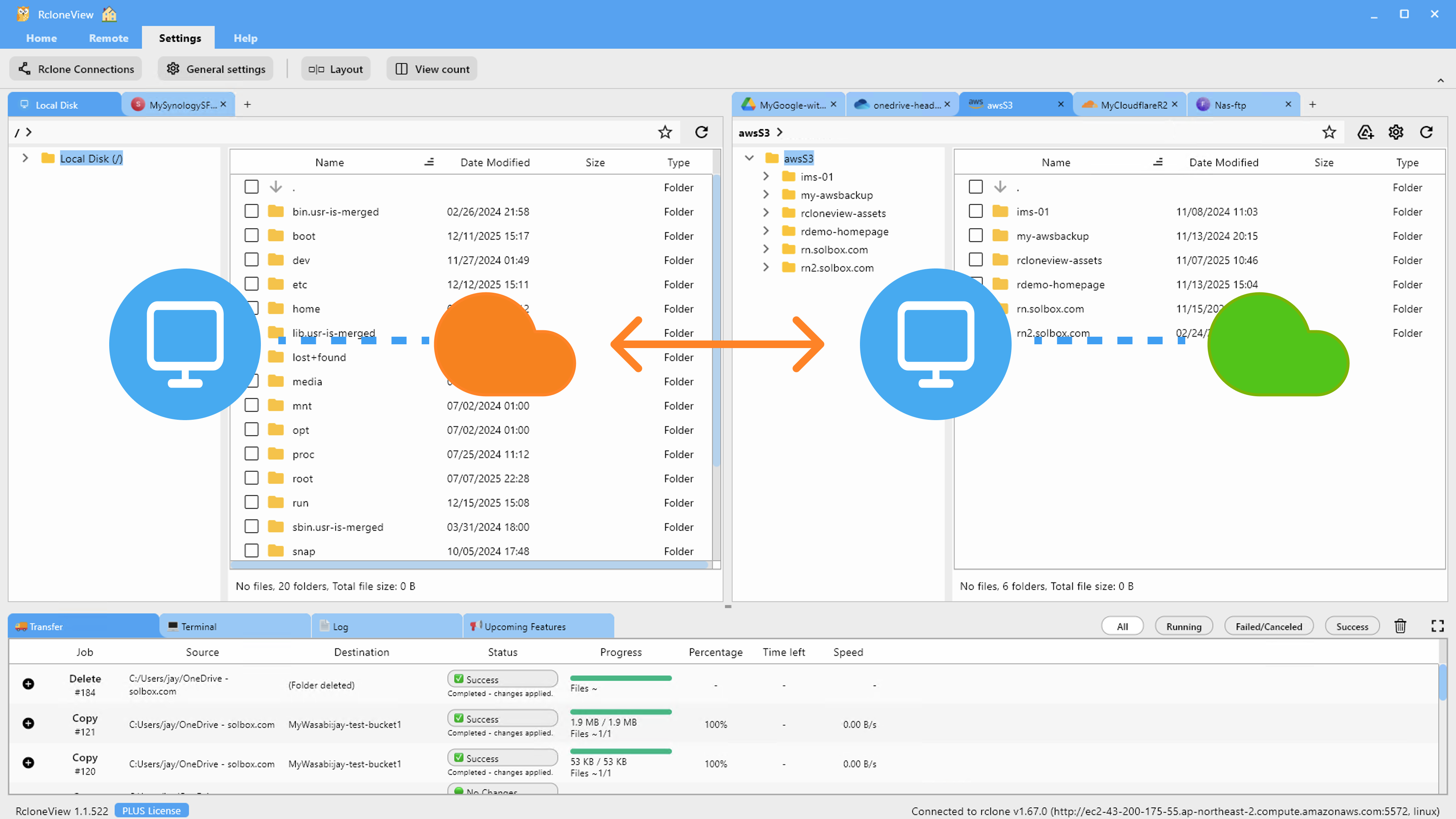
Repeat the process for Proton Drive: select Proton Drive from the remote list, enter your Proton email address and password. If you have two-factor authentication enabled, enter the code when prompted. RcloneView's embedded rclone binary supports Proton Drive natively (requires rclone v1.69+, which is bundled). Once both remotes are added, they appear as tabs in the dual-pane file explorer.
Planning the Migration with Folder Compare
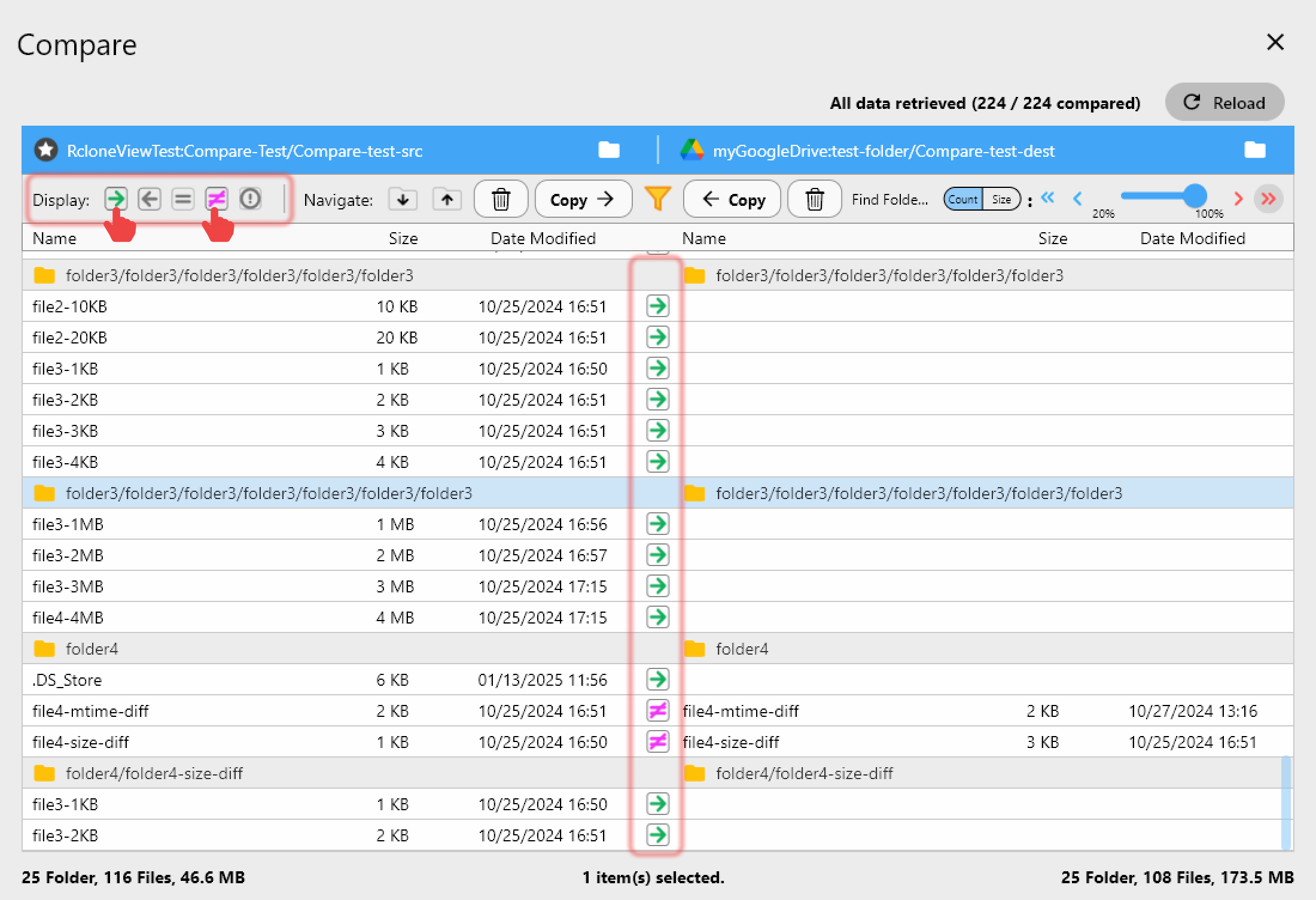
Before transferring anything, use RcloneView's Folder Compare tool to assess what's in Dropbox and what's already in Proton Drive. Click the Compare button in the Home tab, set Dropbox as the left source and Proton Drive as the right. The comparison view highlights files that exist only in Dropbox (left-only), files that match on both sides, and size differences — giving you a clear picture of what actually needs to move.
This step is especially useful if you have already manually copied some files to Proton Drive and want to avoid duplicating work. Filter by "left-only" to see only what's missing from Proton Drive, then copy those specific items.
Running the Cloud-to-Cloud Transfer
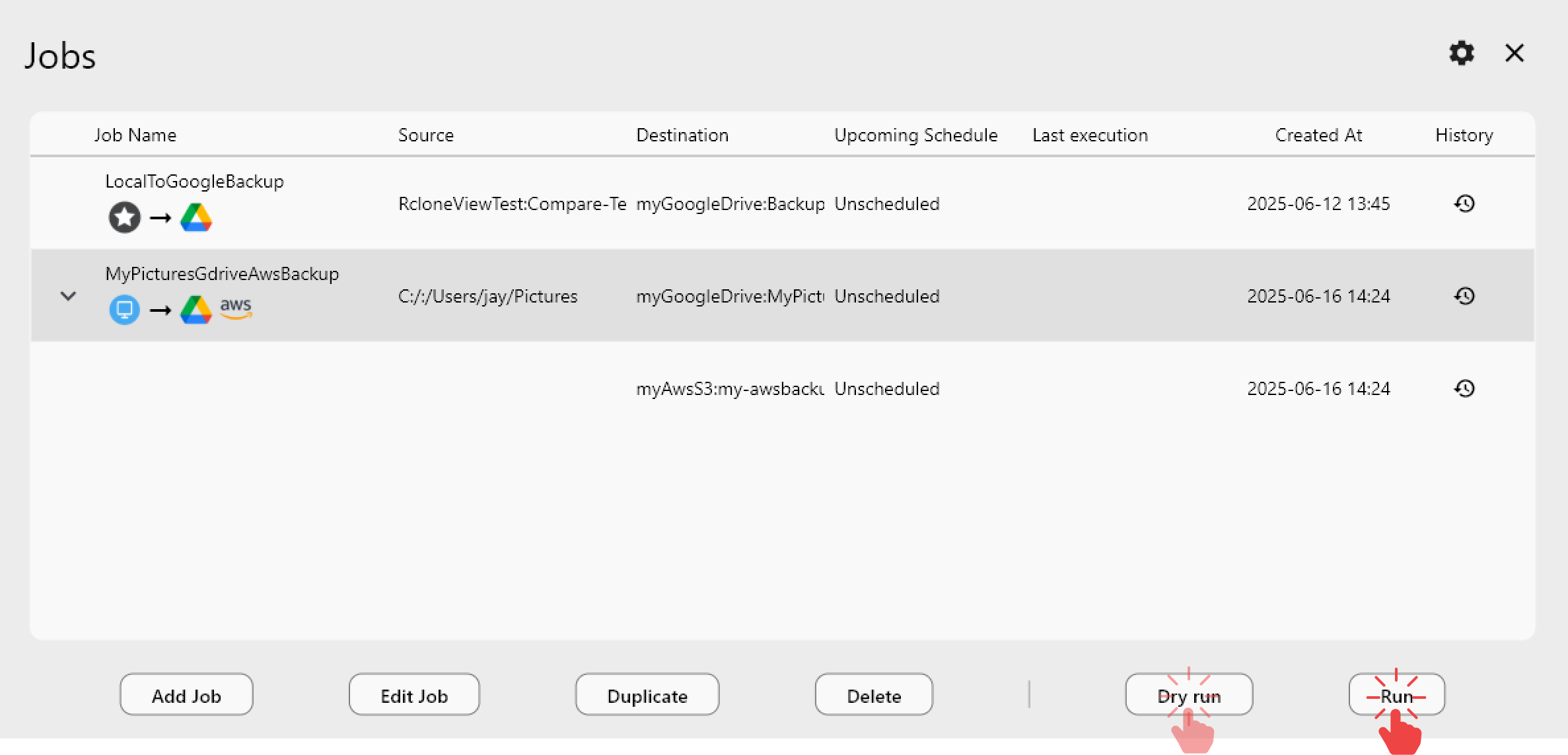
For a full migration, use the Sync wizard. Click Sync in the Home tab, set Dropbox as the source and Proton Drive as the destination, and name the job (e.g., dropbox-proton-migration). Choose Copy as the job type to preserve the originals in Dropbox while building the Proton Drive copy — this keeps your Dropbox intact until you've verified the migration.
In Step 2 of the wizard, enable checksum verification to confirm every file arrives without corruption. This is critical for sensitive documents where data integrity must be guaranteed. Run a Dry Run first to preview which files will be transferred before committing, then execute the actual job.
Monitoring Progress and Verifying Completion
While the transfer runs, the Transferring tab at the bottom of RcloneView displays live transfer speed, file count, and percentage complete. Large Dropbox libraries — a law firm's 50,000 client documents, for example — may take several hours; the job continues in the background while RcloneView minimizes to the system tray.
Once the job finishes, re-run the Folder Compare to confirm zero left-only files. Any item still marked as "left-only" in Dropbox signals a failed transfer that can be re-run selectively. RcloneView's Job History logs the full run with start time, total bytes, speed, and status — a permanent record suitable for compliance or IT audits.
Getting Started
- Download RcloneView from rcloneview.com.
- Add Dropbox via OAuth and Proton Drive via email/password in Remote tab > New Remote.
- Use Folder Compare to audit differences between the two accounts before transferring.
- Create a Copy sync job with checksum verification and run it to complete the migration.
With both remotes connected in RcloneView, moving your data from Dropbox to Proton Drive becomes a visual, manageable operation — no scripts, no intermediary downloads, and a clear audit trail throughout.
Related Guides:
- Manage Dropbox Cloud Storage with RcloneView
- Manage Proton Drive Cloud Sync with RcloneView
- Migrate Dropbox to Wasabi with RcloneView
Supported Cloud Providers