Fix Storj Upload Errors — Resolve Transfer Failures with RcloneView
Storj upload errors in RcloneView are often caused by node availability, credential issues, or transfer timeouts — this guide covers the most common failures and their fixes.
Storj's decentralized architecture distributes data across thousands of independent storage nodes worldwide. While this redundancy makes Storj resilient, it also means upload errors can stem from different causes than traditional cloud providers. When Storj transfers in RcloneView fail, the log output provides crucial diagnostic clues — here's how to interpret them and get your uploads back on track.
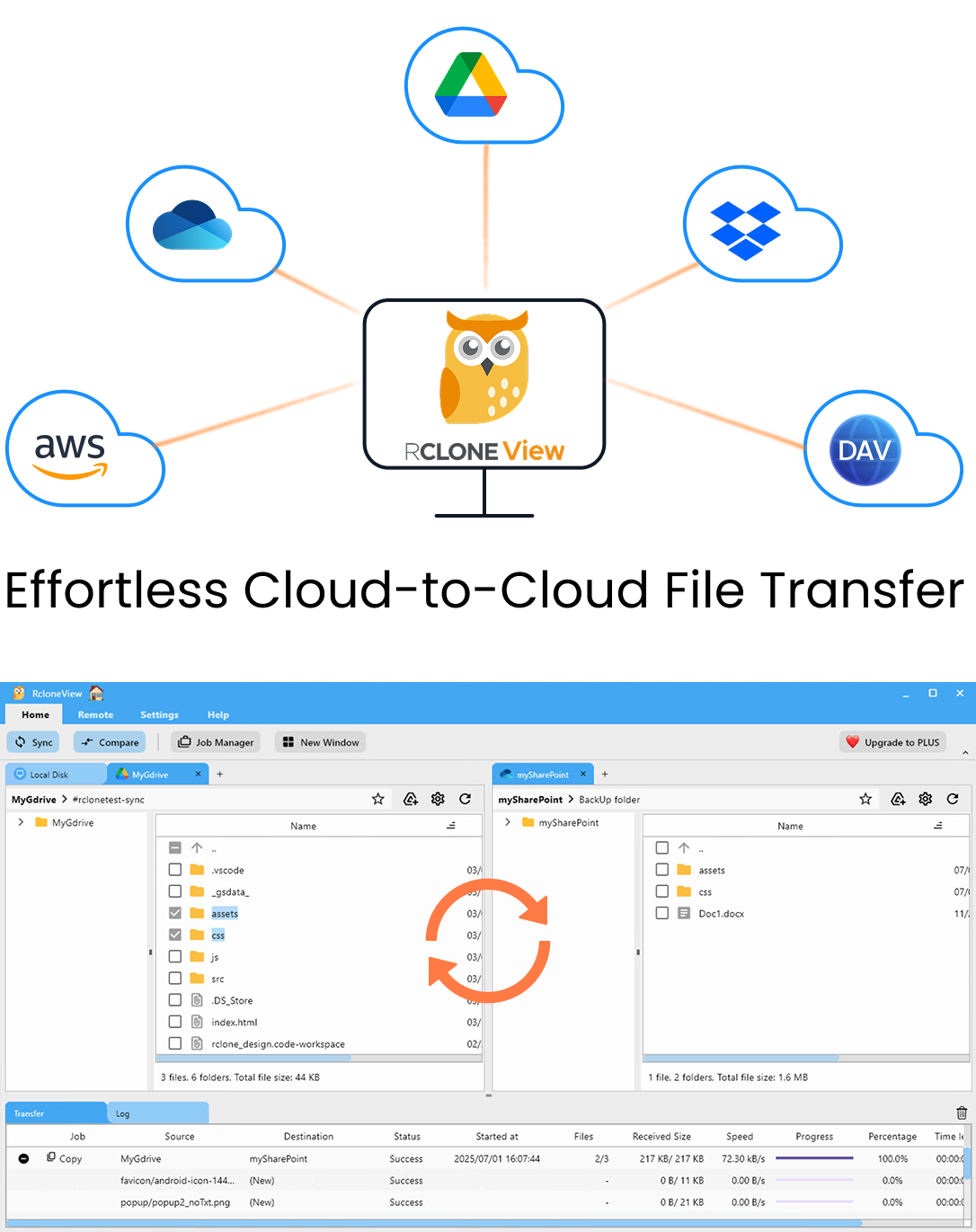
Manage & Sync All Clouds in One Place
RcloneView is a cross-platform GUI for rclone. Compare folders, transfer or sync files, and automate multi-cloud workflows with a clean, visual interface.
- One-click jobs: Copy · Sync · Compare
- Schedulers & history for reliable automation
- Works with Google Drive, OneDrive, Dropbox, S3, WebDAV, SFTP and more
Free core features. Plus automations available.
Diagnose Upload Errors from RcloneView Logs
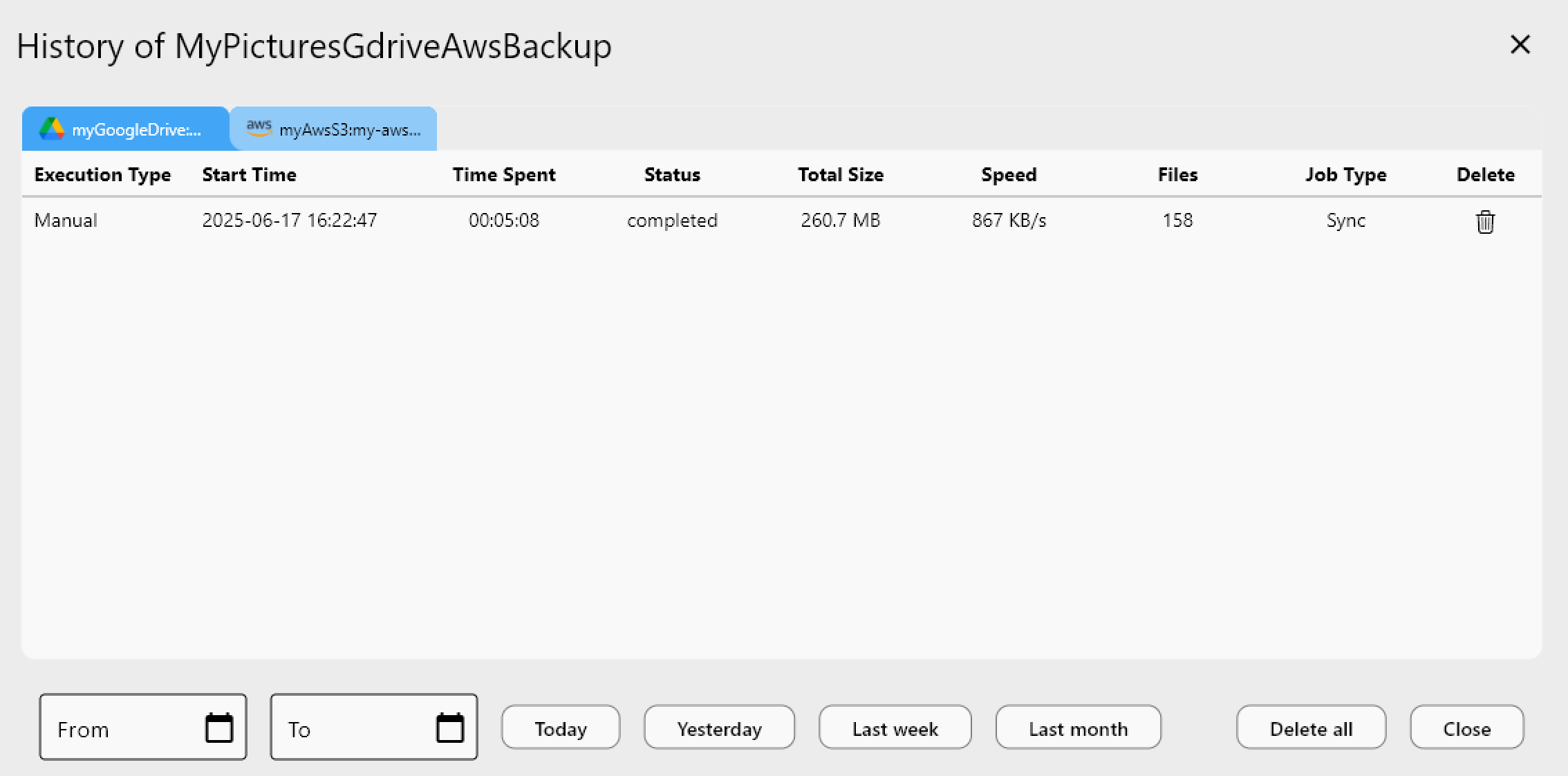
When a Storj upload fails, RcloneView's Log tab and Job History provide the error details. Common Storj error patterns include:
upload failed: storage node not responding— a specific storage node is unavailable; rclone typically retries automaticallyauth error: access token invalid or expired— your Storj Access Grant has expired or been revokedsegment upload incomplete— a file's erasure-coded segments didn't reach enough nodes to commit
Check the Log tab immediately after a failed job. The error message points directly to the category of fix needed.
Fix Credential and Access Grant Issues
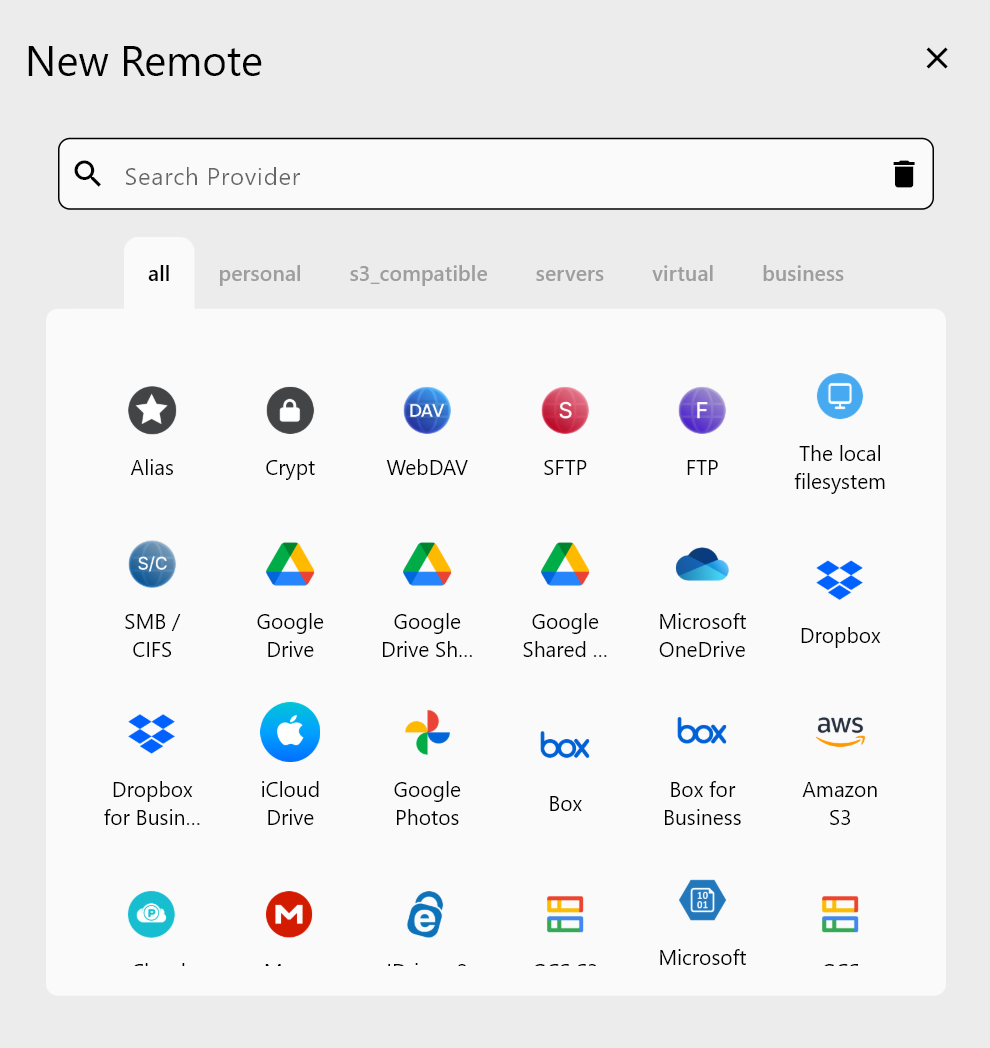
If the error indicates an authentication failure, the fix is refreshing your Storj credentials. In the Storj console, generate a new Access Grant with the required permissions (read, write, list, delete for the relevant bucket). In RcloneView, go to Remote tab > Remote Manager, find your Storj remote, click Edit, and update the Access Grant field.
If you're using the S3-compatible endpoint, verify your Access Key ID and Secret Access Key are correct and haven't been revoked. Storj S3 credentials can be regenerated in the Storj console under Access Keys.
Handle Node Unavailability with Retry Settings
Storj's decentralized network means individual storage nodes can become temporarily unavailable. Rclone handles this gracefully by retrying uploads to alternative nodes, but if too many nodes are simultaneously unavailable in a region, uploads may fail repeatedly.
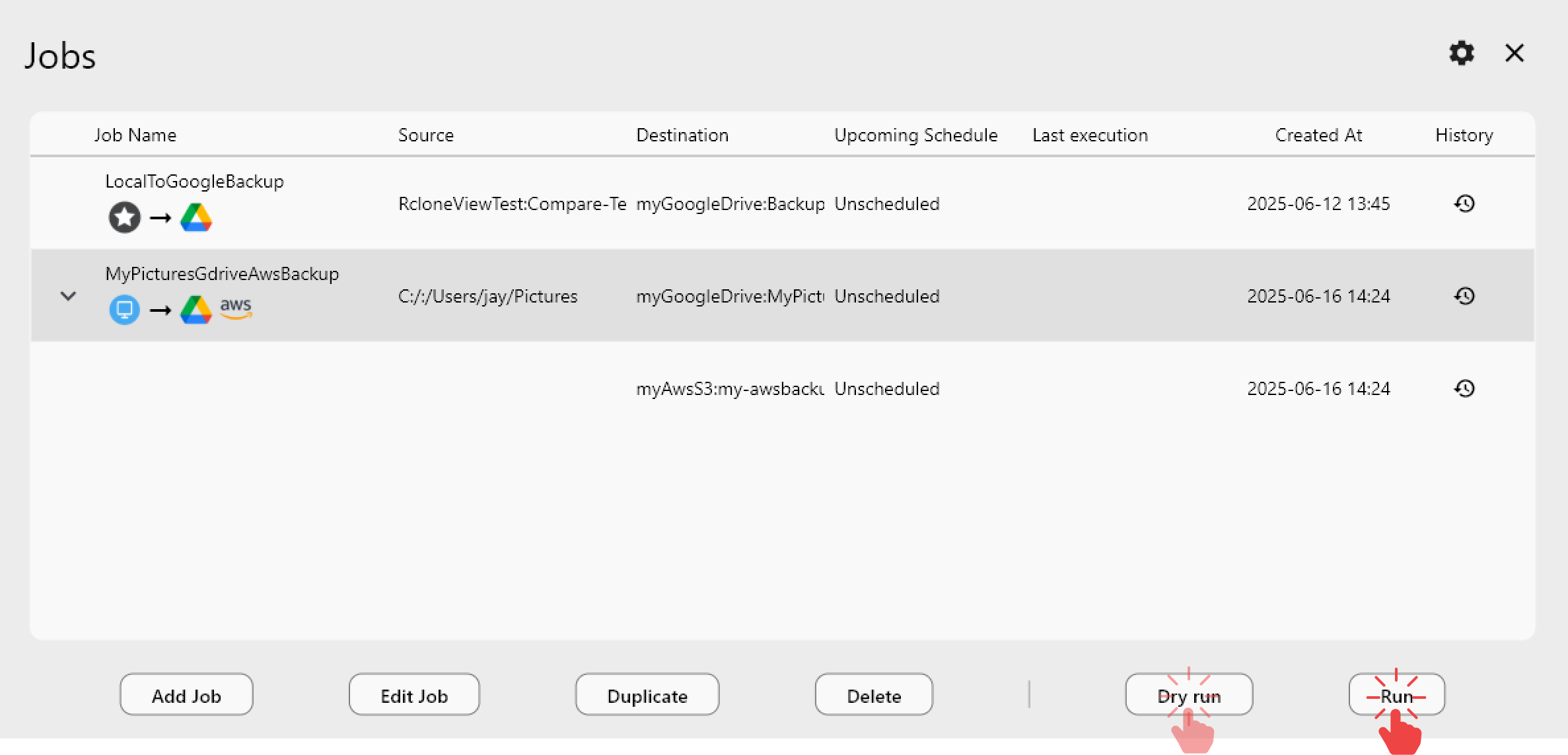
In RcloneView's sync job advanced settings, increase the Retry entire sync if fails count from the default 3 to 5 or higher. This gives Storj's network more time to route around unavailable nodes. Also, reduce the concurrent transfer count to 4 — lower concurrency reduces simultaneous API load on the Storj network and can improve success rates during periods of high network congestion.
Verify Transfers with Checksum After Success
After resolving upload errors and completing a Storj transfer, run a verification sync with checksum enabled. This confirms that all uploaded objects are intact and readable on the Storj network — not just that the upload appeared to succeed. In RcloneView's sync configuration (Step 2), enable the Enable checksum option, then run the job again. Any objects that didn't upload correctly will be re-transferred.
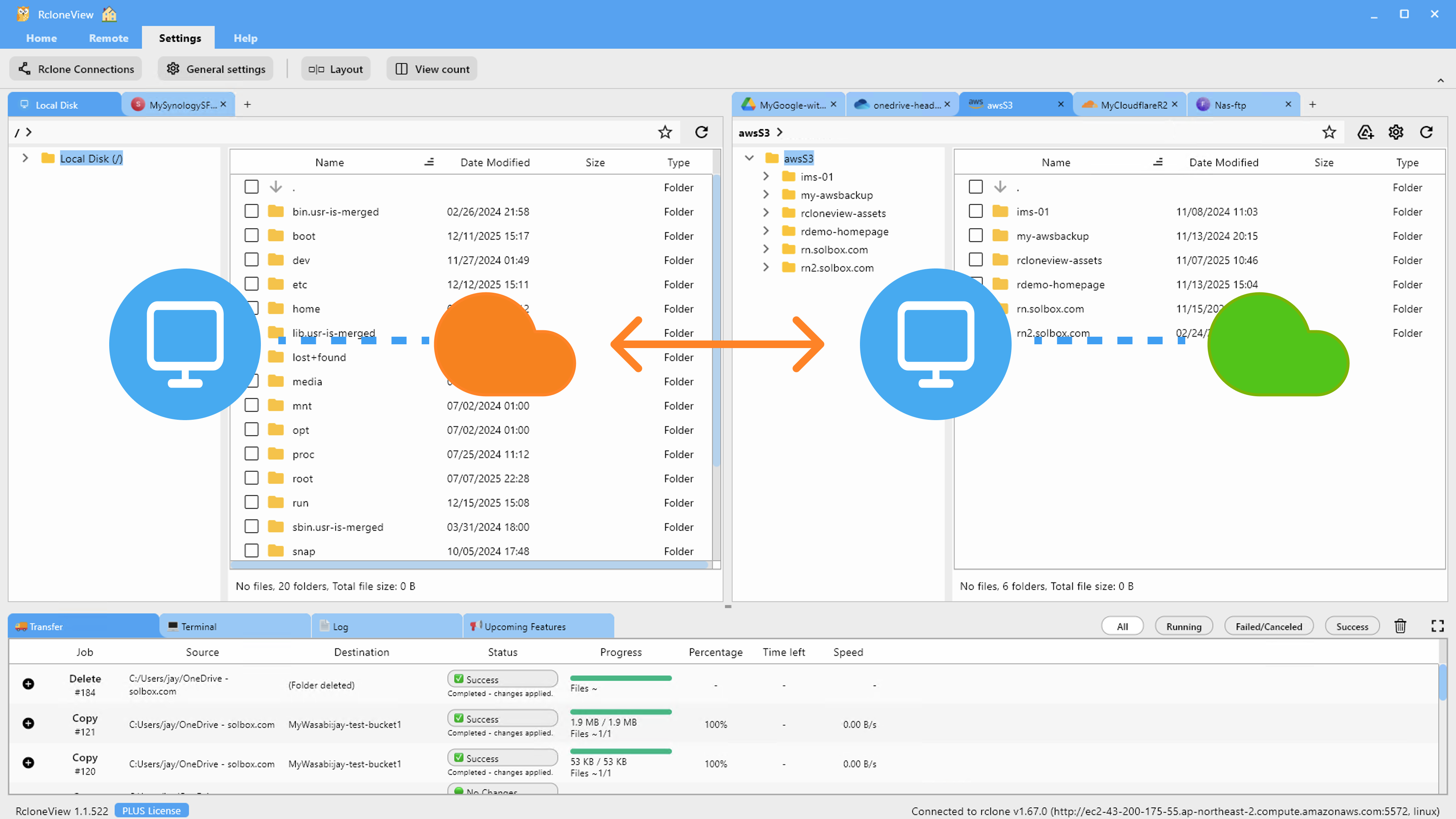
Getting Started
- Download RcloneView from rcloneview.com.
- Check the Log tab after a failed job to identify the specific error type.
- If credentials are expired, regenerate your Storj Access Grant or S3 credentials.
- Increase retry count and reduce concurrency for resilience against node unavailability.
Storj upload errors in RcloneView are consistently traceable to credentials, retry configuration, or transient network conditions — following this guide will get your Storj backups running reliably.
Related Guides:
- Manage Storj Decentralized Storage — Sync and Backup Files with RcloneView
- Recover Interrupted or Failed Transfers with RcloneView
- Fix Cloud Sync Timeout Errors with RcloneView
Supported Cloud Providers