Fix Files Modified During Transfer — Resolve Cloud Sync Conflicts with RcloneView
When files change while RcloneView is syncing them, transfers can fail, produce partial uploads, or create inconsistent cloud copies — here's how to detect and resolve each scenario.
A common source of cloud sync errors is files being modified, locked, or written to while a sync job is in progress. Database files being written by an application, documents open in Office, or log files actively appended by a running service can all cause partial uploads or transfer failures. RcloneView exposes these errors clearly in its logs, and rclone provides several flags to handle them gracefully.
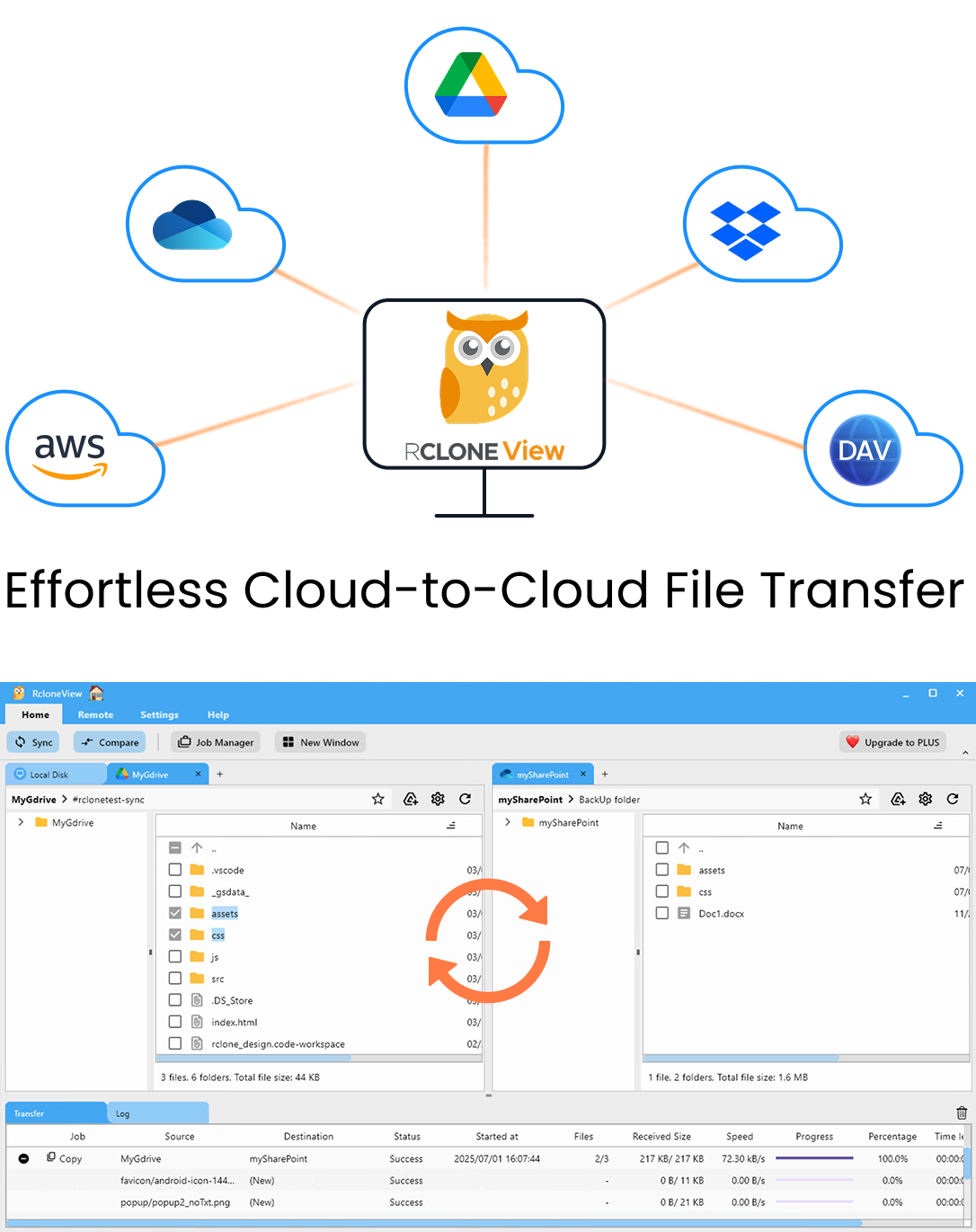
Manage & Sync All Clouds in One Place
RcloneView is a cross-platform GUI for rclone. Compare folders, transfer or sync files, and automate multi-cloud workflows with a clean, visual interface.
- One-click jobs: Copy · Sync · Compare
- Schedulers & history for reliable automation
- Works with Google Drive, OneDrive, Dropbox, S3, WebDAV, SFTP and more
Free core features. Plus automations available.
Identify File-In-Use Errors in RcloneView Logs
When a file is locked or modified during a sync, rclone typically reports an error like:
Failed to copy: file changed under us - trying againsource file is being written topartial read detected
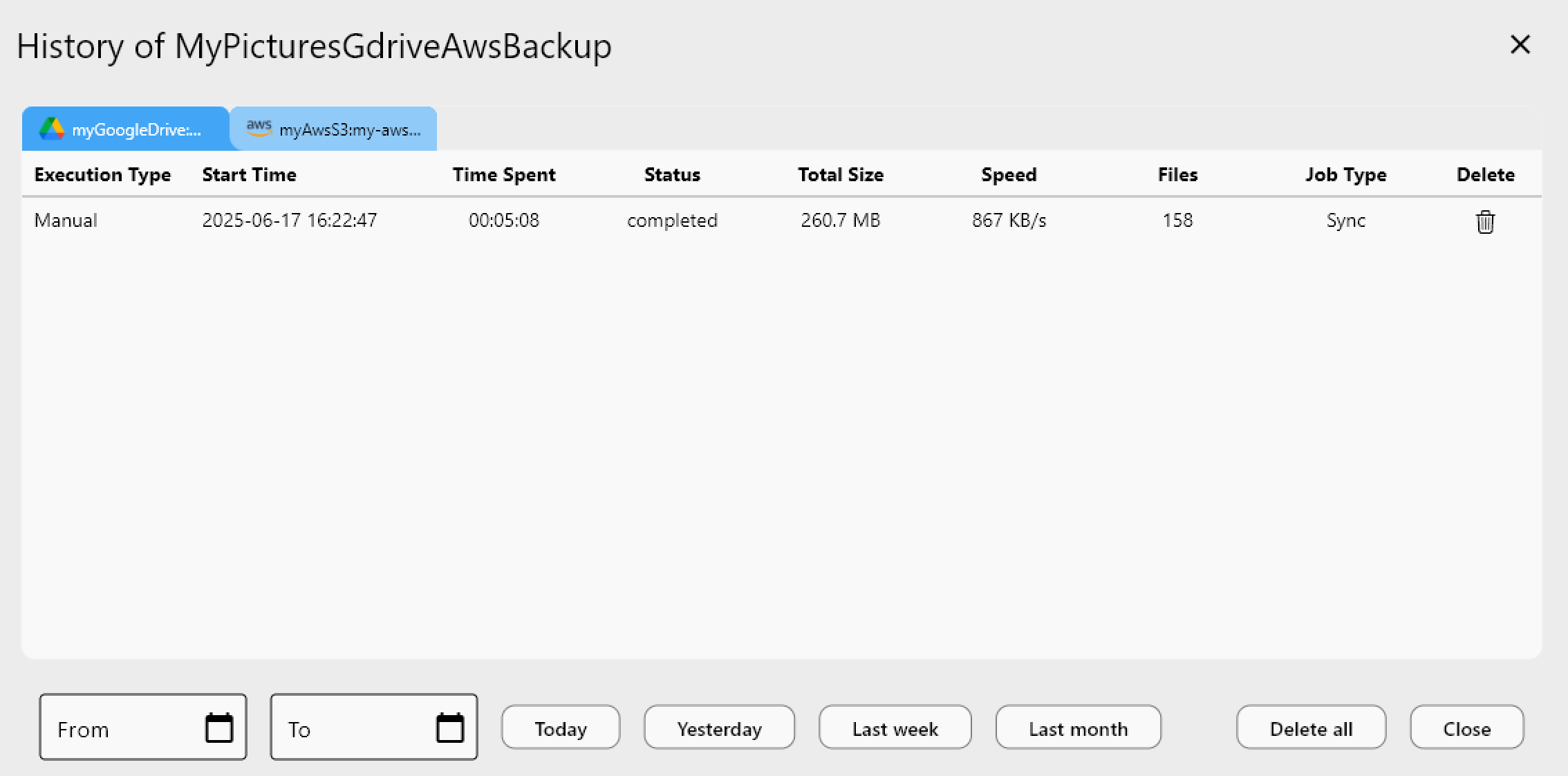
In RcloneView, these errors appear in the Log tab at the bottom of the interface. After a sync job completes, check the log for ERROR entries indicating file modification conflicts. The Job History view also shows Errored status for jobs where any files failed to transfer.
Use --ignore-errors and Retry Logic
By default, RcloneView's sync jobs are configured with a retry count (default: 3) that automatically re-attempts failed transfers. For files that are transiently locked (e.g., a file briefly opened and closed by an application), retries often succeed on subsequent attempts.
For sync jobs where some files are consistently locked (e.g., active database files), add --ignore-errors to the custom rclone flags in your sync job configuration. This tells rclone to continue syncing other files even when some fail, completing as much of the sync as possible and logging the failures for review.
Exclude Active Application Files from Sync
The best long-term fix for file-in-use conflicts is to exclude files that are always in active use from the sync job's scope. RcloneView's filtering settings (Step 3 in the sync wizard) support custom exclusion rules:
- Exclude SQLite databases: add
*.db-journaland*.db-walto exclude active write-ahead logs - Exclude Office temp files: add
~$*to exclude Word/Excel lock files - Exclude log files being written: add
*.logor specific patterns
These filters prevent RcloneView from attempting to sync files that are guaranteed to be in use during the job, eliminating the error category entirely.
Run Dry Run to Verify Filter Effectiveness
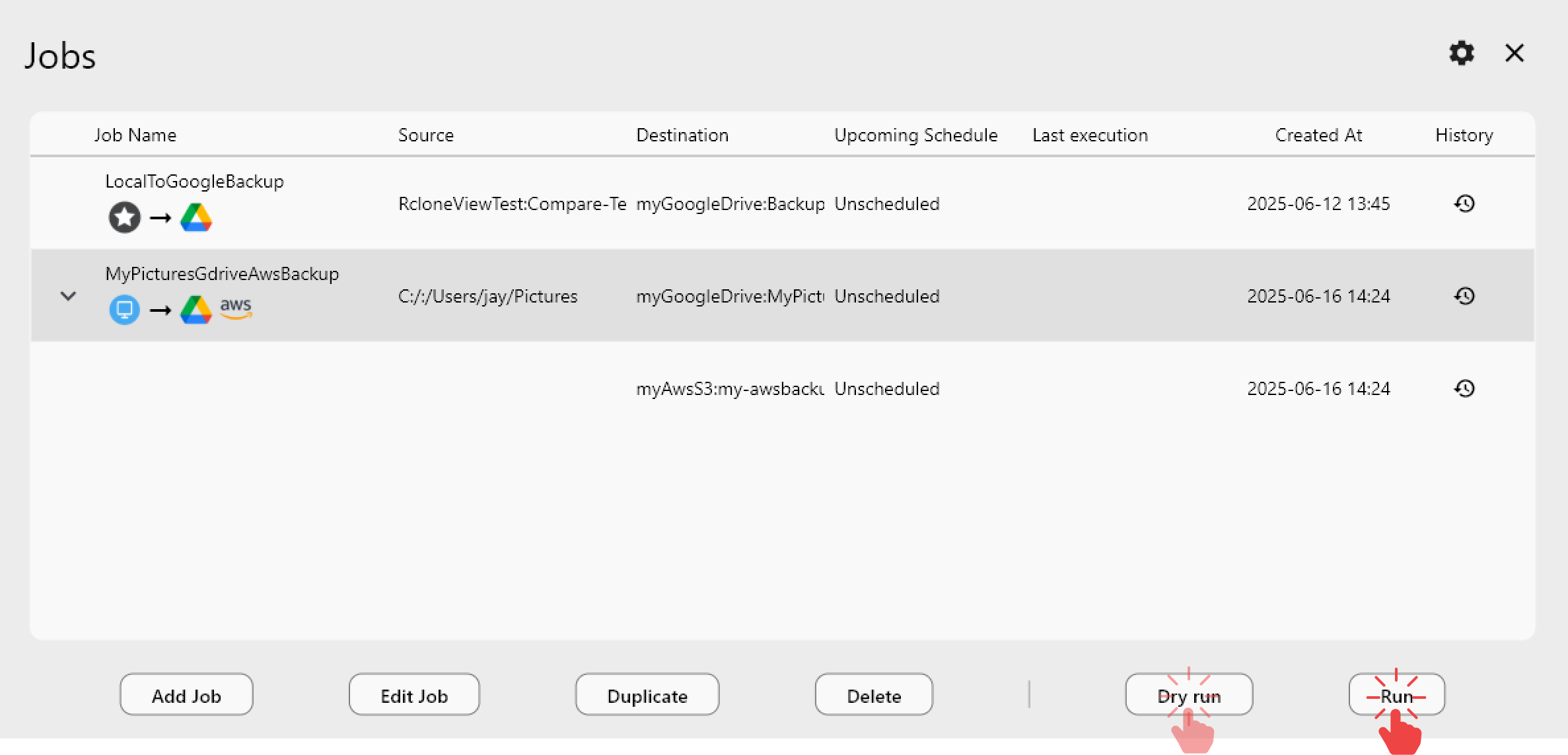
After adding exclusion filters, run a dry run of the sync job to confirm that the filtered files no longer appear in the transfer list. The dry run output shows every file that would be copied — verify that your active database files, lock files, and open documents are absent from the list before running the actual sync.
Getting Started
- Download RcloneView from rcloneview.com.
- After a failed sync, check the Log tab and Job History for file modification errors.
- Add custom exclusion filters in the sync wizard for files that are always in use.
- Run a dry run to confirm your filters are working, then re-execute the sync job.
Handling file-in-use conflicts in RcloneView is about understanding which files to exclude and how to configure retries — once configured correctly, your sync jobs run cleanly every time.
Related Guides:
- Fix Cloud Sync Missing Files After Transfer — Resolve with RcloneView
- Filter Rules and Selective Sync in RcloneView
- Recover Interrupted or Failed Transfers with RcloneView
Supported Cloud Providers