Fix Yandex Disk Quota Full Errors — Resolve Storage Limit Issues with RcloneView
When Yandex Disk quota errors block your sync jobs in RcloneView, the solution is finding what's consuming space, cleaning up, or migrating data to another provider — all manageable from the GUI.
A Yandex Disk quota exceeded error stops sync and backup jobs cold. RcloneView surfaces this clearly in the log: NOTICE: Yandex Disk quota exceeded or a generic 507 Insufficient Storage error. The cause is always the same — your Yandex Disk account has reached its storage limit. Here's how to diagnose and resolve it without leaving RcloneView.
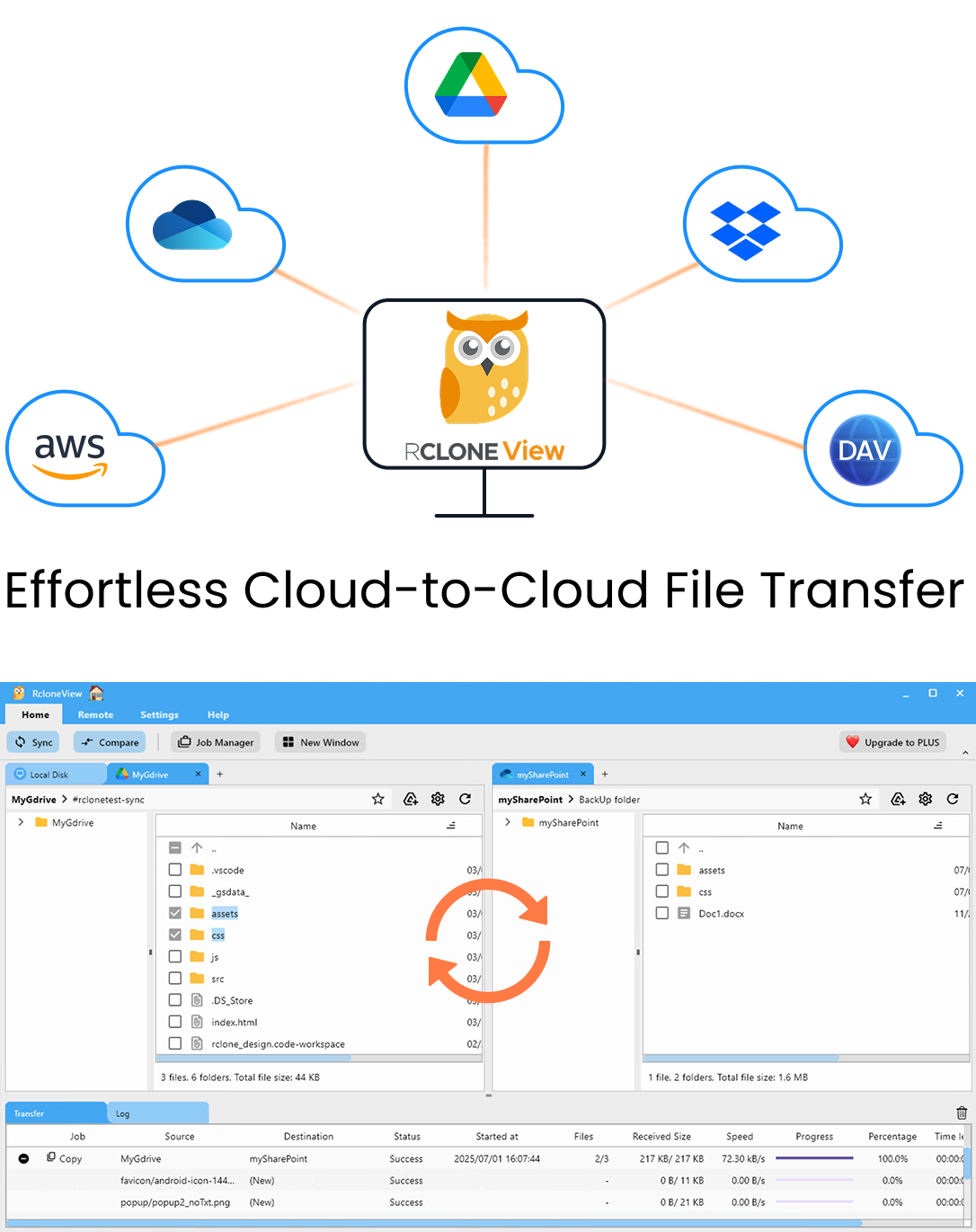
Manage & Sync All Clouds in One Place
RcloneView is a cross-platform GUI for rclone. Compare folders, transfer or sync files, and automate multi-cloud workflows with a clean, visual interface.
- One-click jobs: Copy · Sync · Compare
- Schedulers & history for reliable automation
- Works with Google Drive, OneDrive, Dropbox, S3, WebDAV, SFTP and more
Free core features. Plus automations available.
Identify What's Consuming Yandex Disk Space
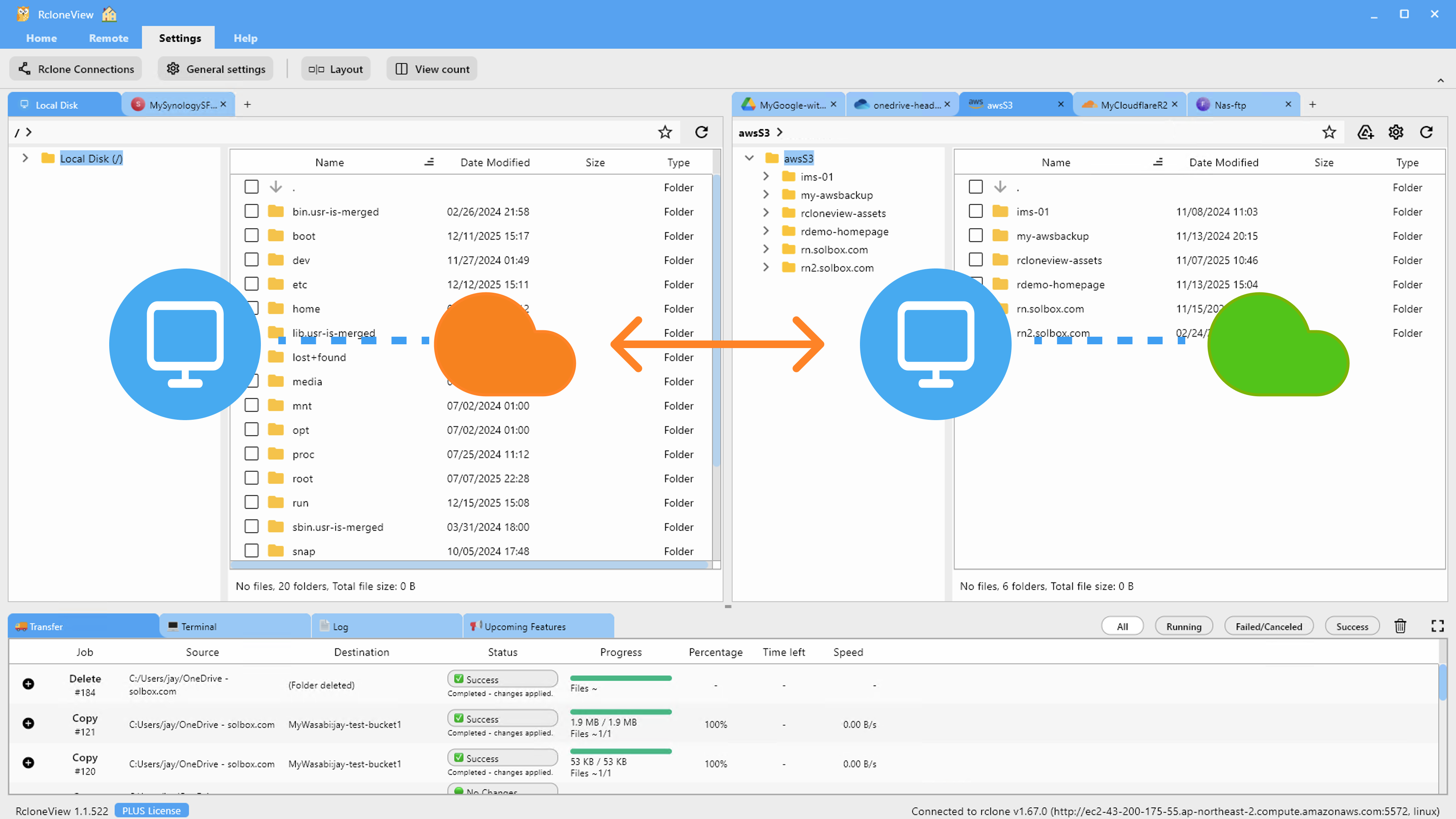
The first step is understanding where your storage is being used. Open your Yandex Disk remote in RcloneView's file explorer, navigate to the root, and right-click on top-level folders to Get Size. This calculates each folder's total size, helping you identify the largest consumers — often old video backups, duplicate photo collections, or large archive files that have accumulated over time.
For a more systematic analysis, use RcloneView's built-in terminal and run rclone ncdu "your-yandex-remote:" — this launches an interactive disk usage viewer that lets you drill down into nested folders to find oversized items.
Delete or Move Large Files to Free Space
Once you've identified oversized folders, you have two options: delete files you no longer need, or migrate them to a different cloud provider to free up Yandex Disk space.
For deletion: select files or folders in RcloneView's file explorer and use the right-click Delete option. RcloneView prompts for confirmation before deleting, preventing accidental data loss.
For migration: configure a sync job to copy large Yandex Disk folders to a secondary provider (Google Drive, Backblaze B2, or an S3-compatible bucket). Once the transfer completes and you've verified the destination, delete the Yandex originals to reclaim space.
Adjust Sync Jobs to Avoid Future Quota Issues
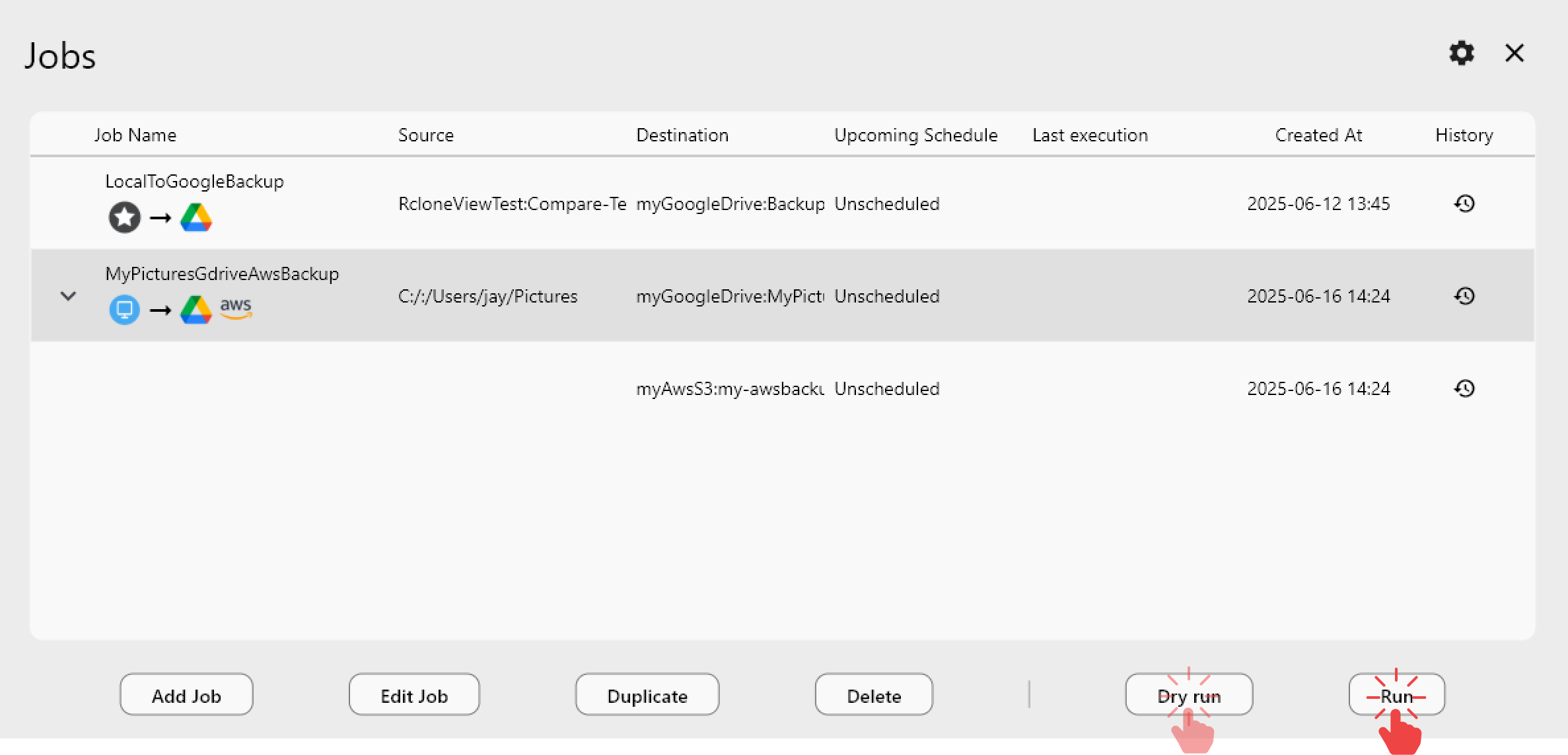
Once space is freed, prevent future quota issues by adding a Max file size filter to your Yandex Disk sync jobs. In RcloneView's sync wizard (Step 3: Filtering), set a maximum file size in MB to exclude large files from being synced to Yandex Disk. Instead, route large files directly to a cost-effective object storage provider like Backblaze B2 or Wasabi.
The predefined Video filter can exclude video files specifically — often the largest storage consumers — keeping Yandex Disk reserved for documents and images.
Monitor Storage Usage Over Time
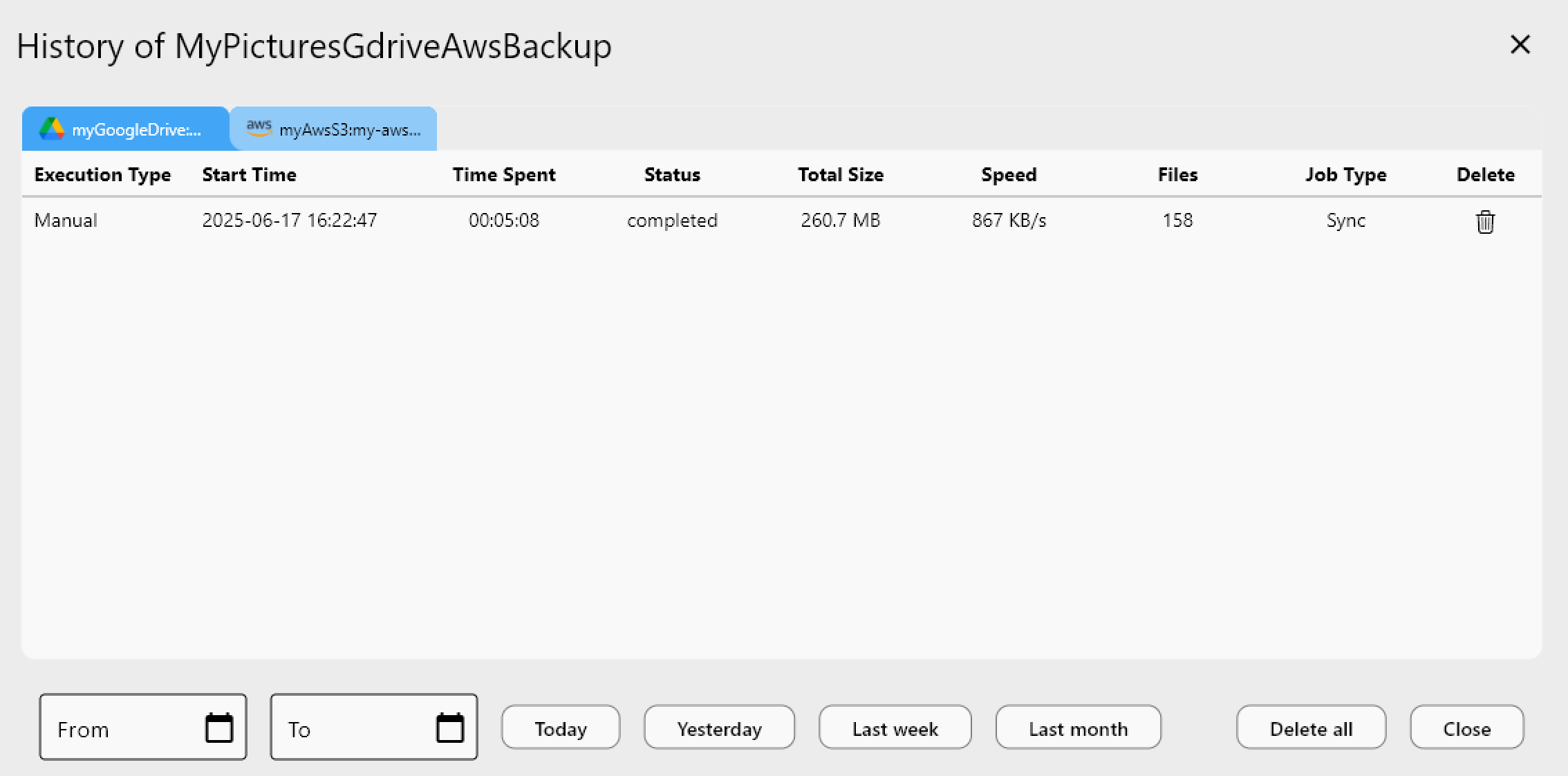
After resolving the quota issue, add storage monitoring to your workflow. RcloneView's terminal supports the rclone about "your-yandex-remote:" command, which reports current usage, total quota, and free space. Schedule a weekly check to stay ahead of storage limits before they impact your sync jobs.
Getting Started
- Download RcloneView from rcloneview.com.
- Use RcloneView's file explorer Get Size feature to identify large Yandex Disk folders.
- Delete unnecessary files or migrate large content to a secondary provider.
- Add Max file size filters to future Yandex Disk sync jobs to prevent recurrence.
Managing Yandex Disk storage quota is straightforward in RcloneView — the combination of visual browsing, cloud-to-cloud migration, and sync filtering gives you complete control over your storage limits.
Related Guides:
- Manage Yandex Disk Storage — Sync and Backup Files with RcloneView
- Fix Google Drive Storage Quota Exceeded with RcloneView
- Rclone About — Storage Usage Analysis in RcloneView
Supported Cloud Providers