Fix Google Drive Storage Quota Exceeded — Transfer Files Out with RcloneView
A full Google Drive quota blocks uploads and disrupts workflows — RcloneView identifies the largest consumers and moves them to cost-efficient archive storage, freeing your quota immediately.
When Google Drive shows "Storage is full" or uploads start failing with quota errors, you face a familiar choice: pay for more storage, or move content out. RcloneView provides a third path — efficiently identifying large or stale files and moving them from Google Drive to a cheaper storage tier, freeing quota without losing data.
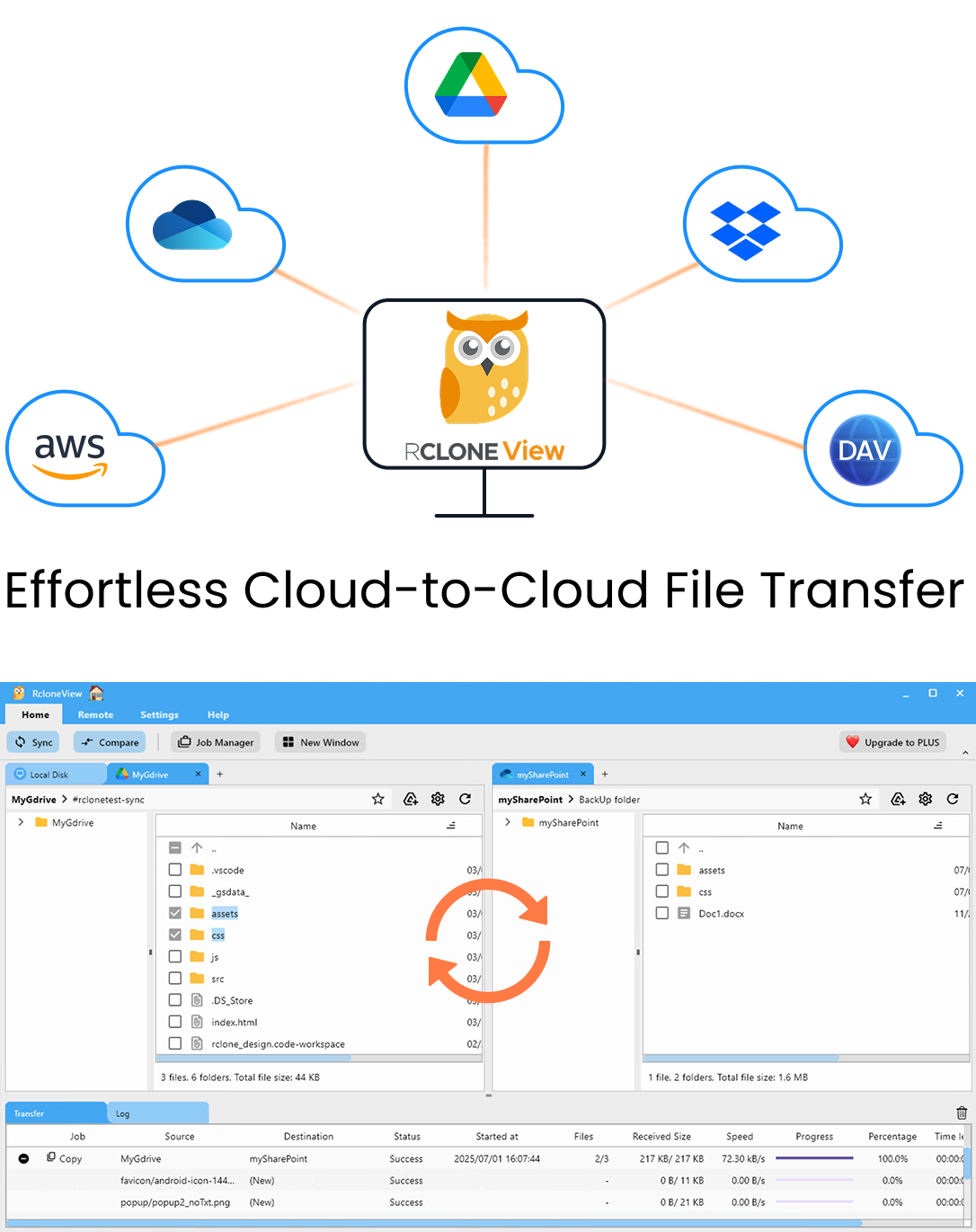
Manage & Sync All Clouds in One Place
RcloneView is a cross-platform GUI for rclone. Compare folders, transfer or sync files, and automate multi-cloud workflows with a clean, visual interface.
- One-click jobs: Copy · Sync · Compare
- Schedulers & history for reliable automation
- Works with Google Drive, OneDrive, Dropbox, S3, WebDAV, SFTP and more
Free core features. Plus automations available.
Identifying What's Using Your Quota
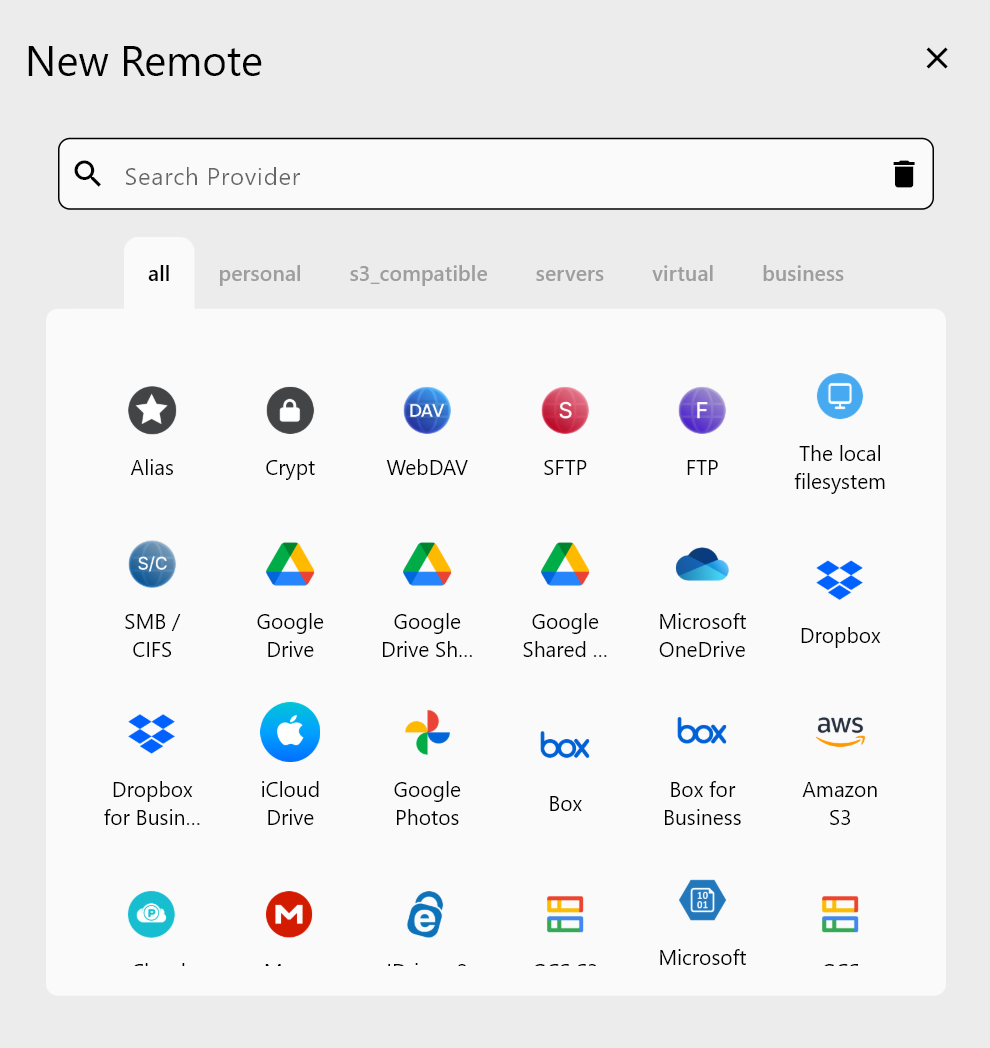
Connect your Google Drive in RcloneView (Remote tab > New Remote > Google Drive, OAuth login). Once connected, right-click any folder in the explorer and select Get Size to see how much storage it consumes. Navigate through your top-level folders systematically — video exports, uncompressed project files, and duplicated datasets are the most common culprits in full Drive accounts.
RcloneView's Folder Compare feature helps identify duplicate content: compare two similarly named folders to find files existing in both locations (same content backed up twice), letting you delete one copy safely. The comparison result's "same files" filter pinpoints exact matches between two locations.
Moving Files to Archive Storage
Once you've identified the largest folders to clear, configure an archive remote in RcloneView — Amazon S3, Backblaze B2, or Wasabi work well as cost-efficient cold storage tiers. Create a Move job in Job Manager: source is the Google Drive folder containing large or old files, destination is your archive bucket.
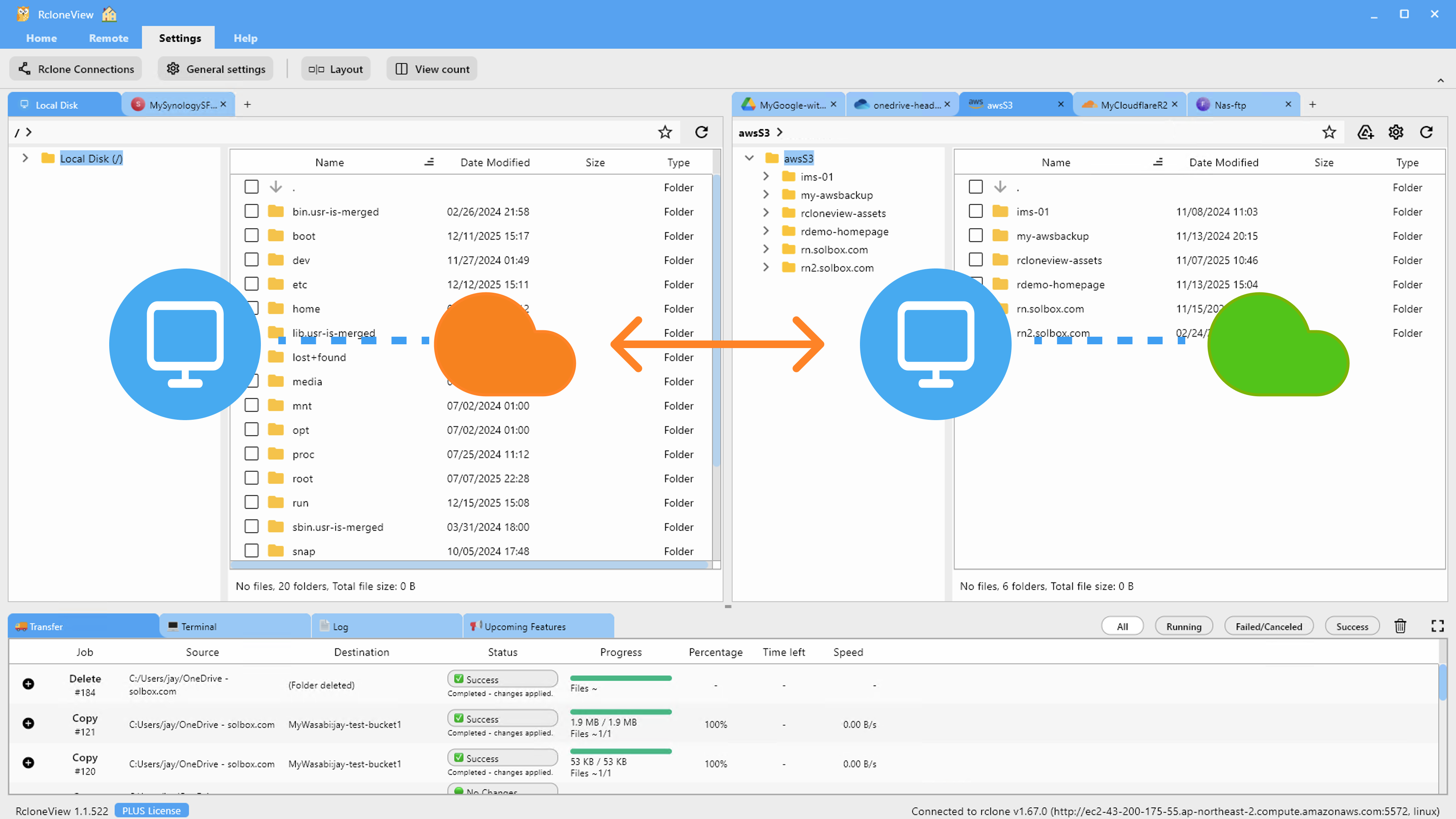
Move operations copy the file to the destination and then delete it from the source — freeing your Drive quota immediately while preserving the data. A video editor with 200 GB of completed projects in Drive that no longer need collaborative access frees their entire quota in one Move job to B2. RcloneView's Transferring tab shows progress in real time.
Preventing Future Quota Issues
After resolving the immediate overflow, set up a recurring archive policy using RcloneView's scheduling feature (PLUS license). A Sync job configured with Max File Age filtering (for example, files older than 180 days) automatically archives aging content from Drive to cold storage on a monthly schedule — keeping Drive as an active working tier rather than an accumulation pool.
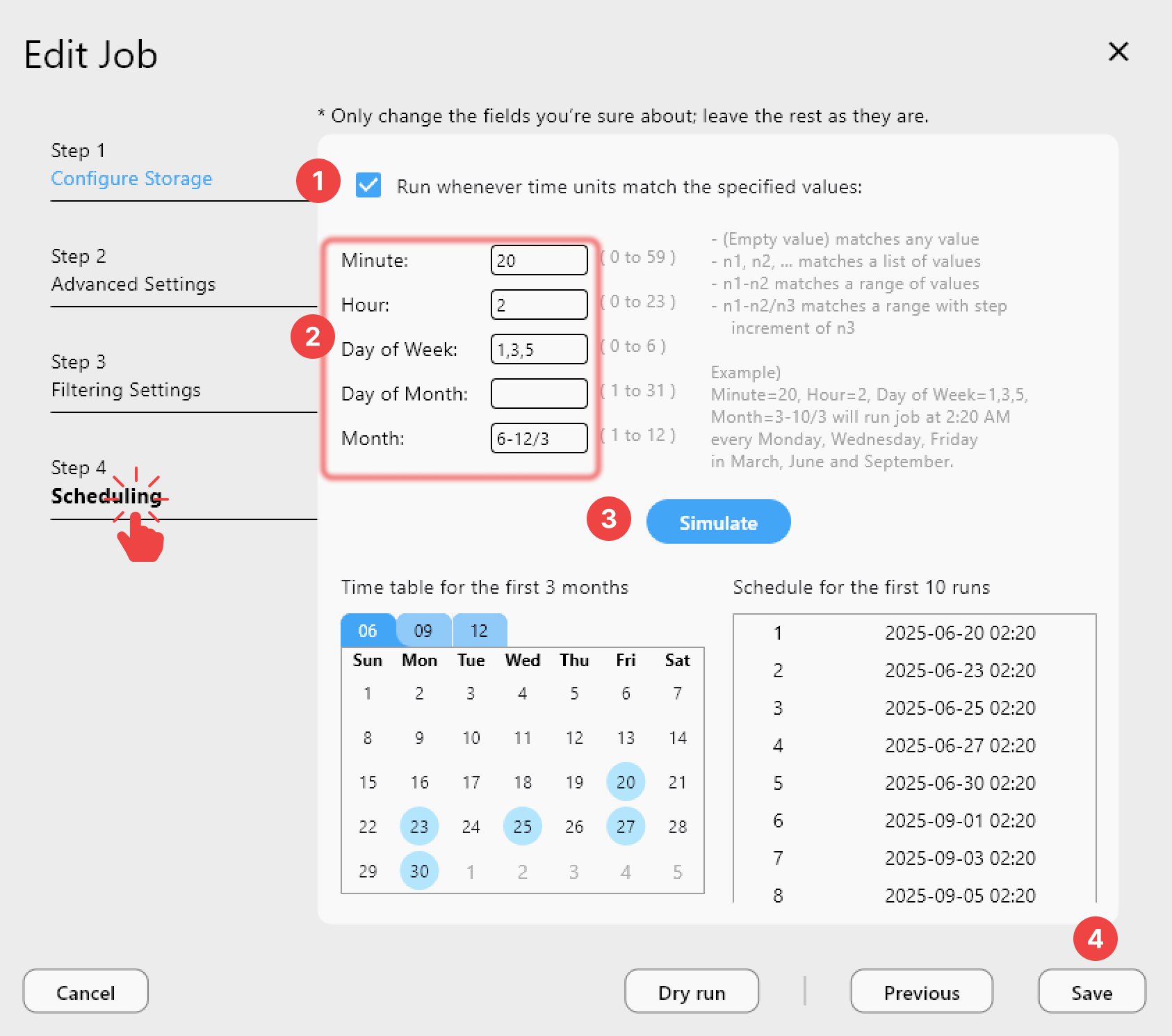
The Job History tab tracks each archiving run, giving you a clear record of what moved out of Drive and when — useful for retrieval when you need to access older archived files.
Getting Started
- Download RcloneView from rcloneview.com.
- Connect your Google Drive in RcloneView and use Get Size to identify the largest folders.
- Add your archive storage (S3, B2, Wasabi) as a second remote.
- Create a Move job in Job Manager from the heavy folders to your archive remote.
A full Google Drive is a management problem, not a storage limit — RcloneView gives you the tools to route content to the right tier and keep Drive functional.
Related Guides:
- Fix Google Drive Quota and Rate Limit API Errors with RcloneView
- Manage Google Drive Cloud Storage — Sync and Backup with RcloneView
- Manage Backblaze B2 Cloud Storage — Sync and Backup with RcloneView
Supported Cloud Providers