Mount Azure Files as a Local Drive and Sync with Other Clouds Using RcloneView
Azure Files gives you fully managed SMB file shares in the cloud. But accessing them from your desktop or syncing with non-Azure storage still requires workarounds. RcloneView simplifies both.
Azure Files is Microsoft's managed file share service — perfect for lift-and-shift migrations, shared application storage, and replacing on-prem file servers. But when you need to access these shares from your desktop without a VPN, or sync them with AWS S3 or Google Drive, Azure's native tools fall short. RcloneView connects to Azure Files natively, letting you mount shares as local drives and sync with any of 70+ cloud providers.
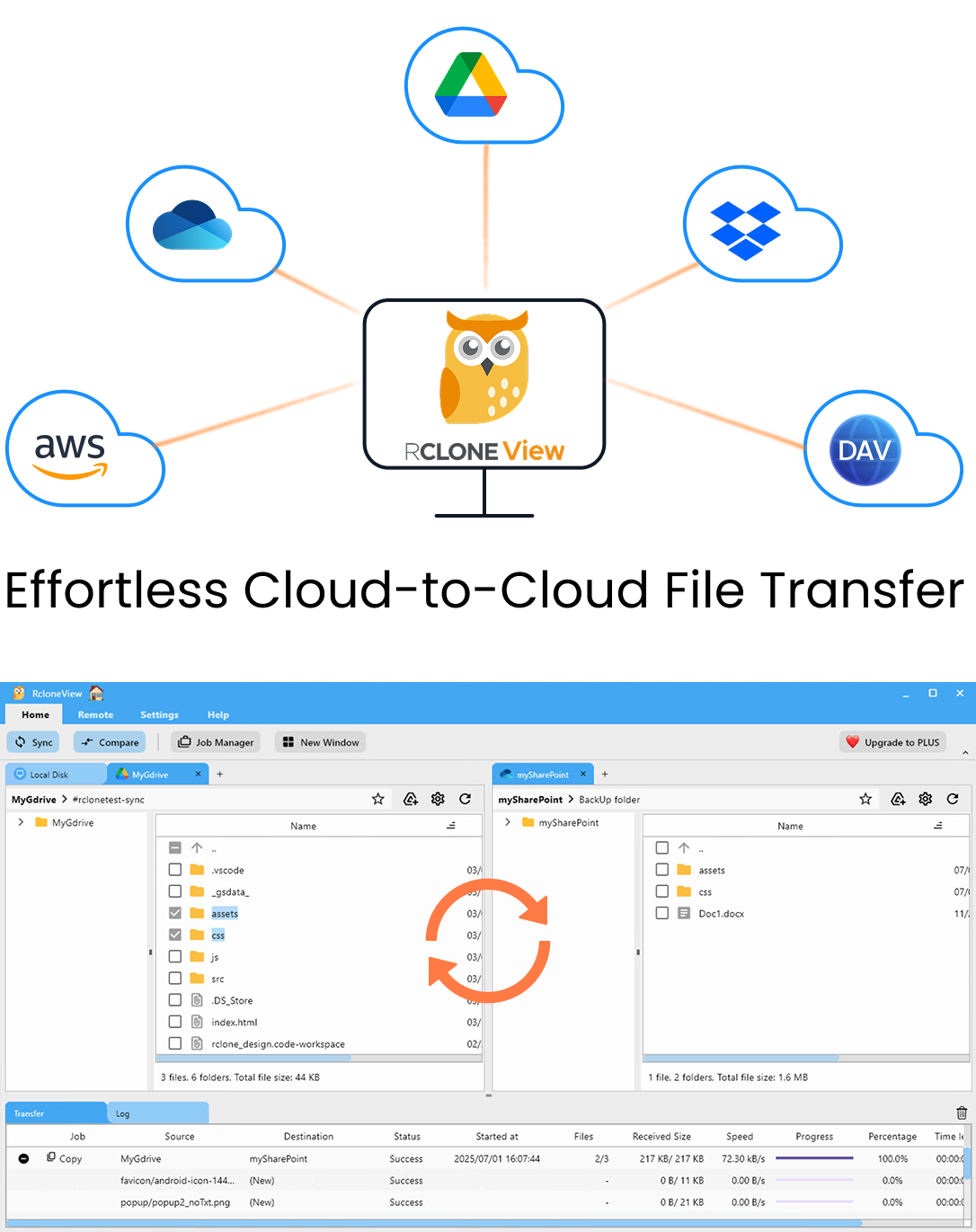
Manage & Sync All Clouds in One Place
RcloneView is a cross-platform GUI for rclone. Compare folders, transfer or sync files, and automate multi-cloud workflows with a clean, visual interface.
- One-click jobs: Copy · Sync · Compare
- Schedulers & history for reliable automation
- Works with Google Drive, OneDrive, Dropbox, S3, WebDAV, SFTP and more
Free core features. Plus automations available.
Azure Files vs Azure Blob — What's the Difference?
Azure offers two main storage services, and they serve different purposes:
- Azure Blob Storage — Object storage for unstructured data (images, videos, backups). Accessed via REST API. Already covered in a previous guide.
- Azure Files — Managed SMB/NFS file shares. Behaves like a traditional network drive. Supports directory structures, file locking, and POSIX permissions.
If your data is in Azure Files (SMB shares), this guide is for you.
Connecting Azure Files
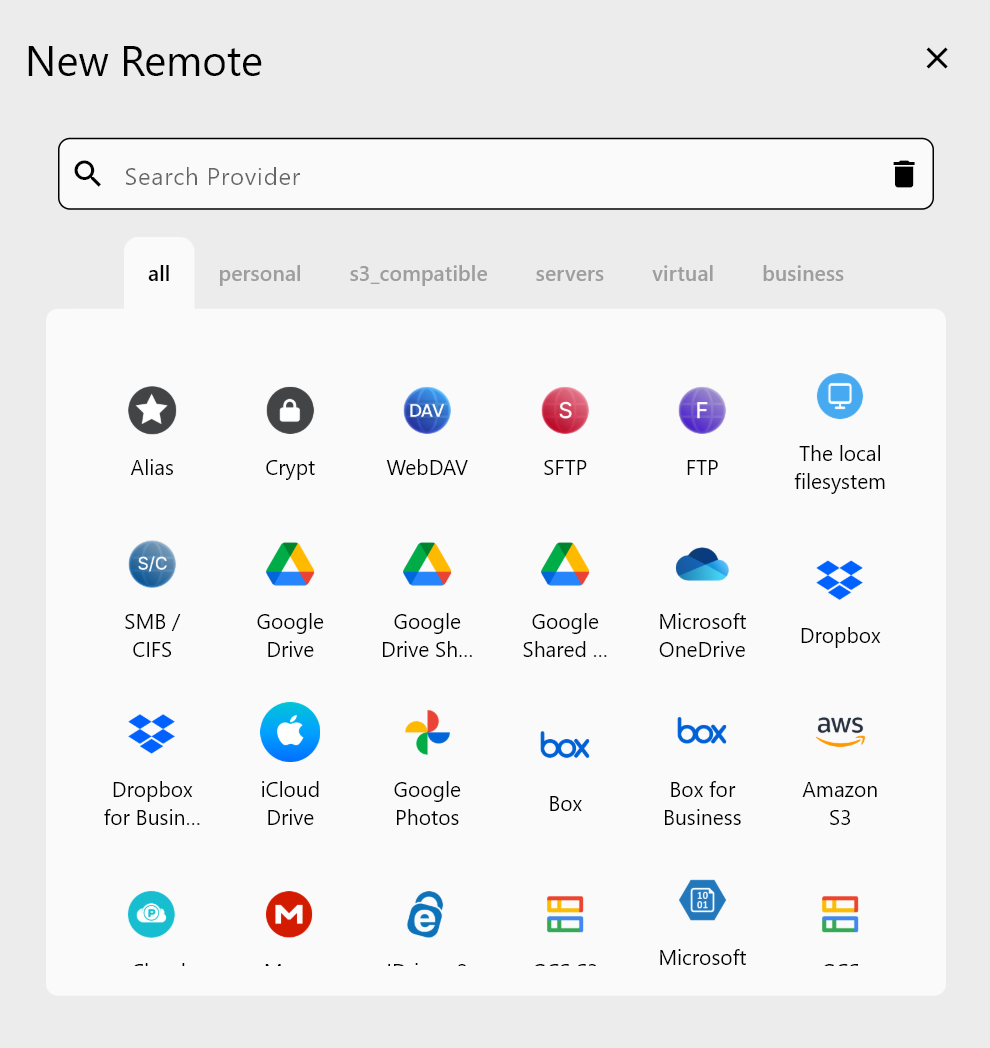
- Open RcloneView and click Add Remote.
- Select Azure Files (or SMB depending on your access method) from the provider list.
- Enter your connection details:
- Storage Account Name: Your Azure storage account.
- Share Name: The specific file share.
- Account Key or SAS Token: Authentication credentials from Azure Portal.
- Save — your Azure file share is now browsable.
Mounting as a Local Drive
Access your Azure Files share like a regular folder:
- Browse to your Azure Files remote in the Explorer.
- Select the share or subfolder to mount.
- Right-click → Mount (or use the Mount Manager for advanced options).
- Choose a local mount point.
- Your Azure file share appears as a drive on your desktop.
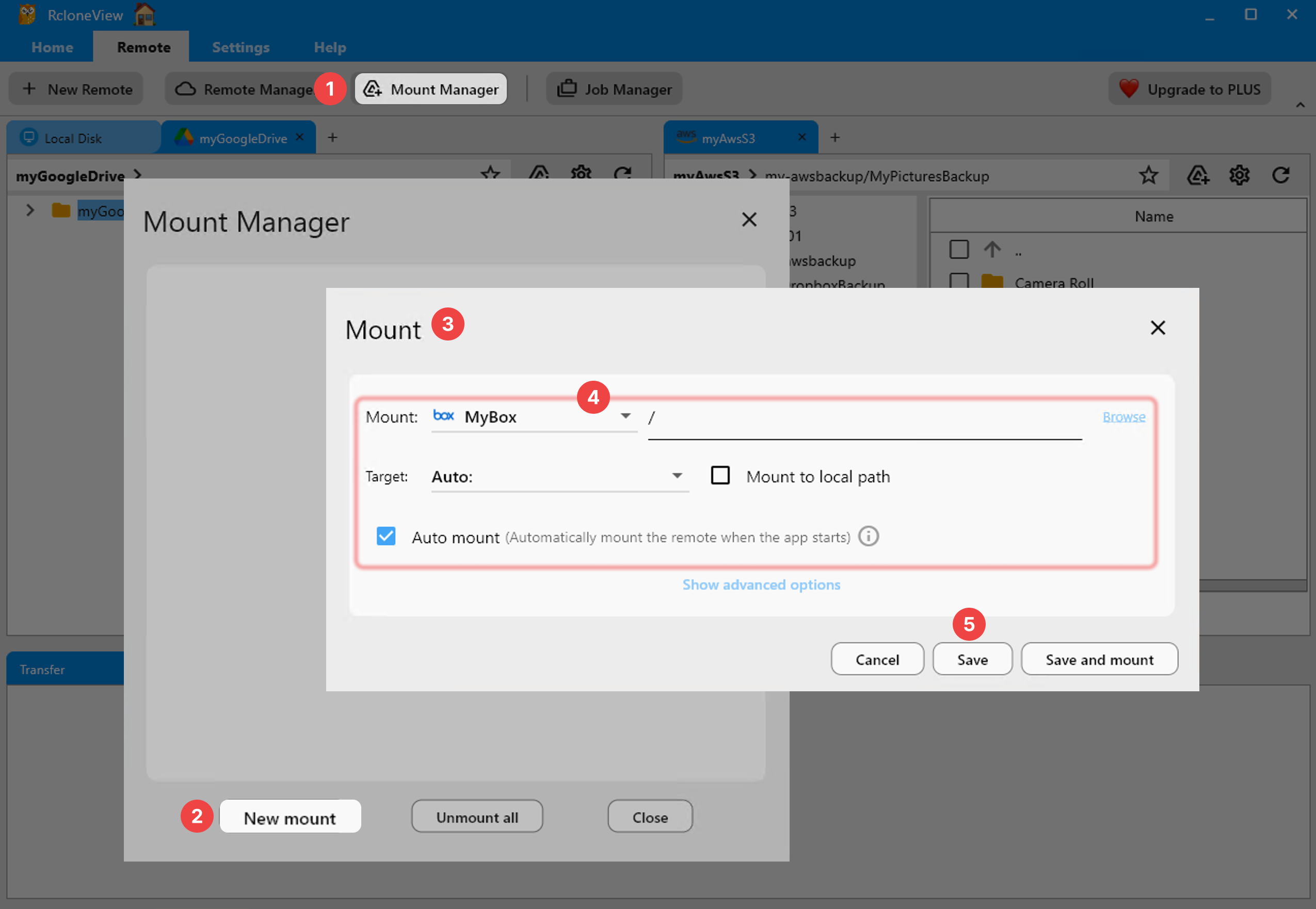
Use cases for mounted Azure Files
- Edit documents directly — Open Word, Excel, and PowerPoint files on the mounted drive.
- Development workflows — Point your IDE at Azure Files for shared codebases.
- Media access — Browse and preview images, videos, and audio without downloading.
- Application config — Let applications read configuration from Azure Files without custom code.
Syncing Azure Files with Other Clouds
Azure Files → AWS S3
Multi-cloud redundancy — keep a copy of Azure Files data in S3:
- Create a Sync job: Azure Files → S3 bucket.
- Schedule daily or weekly.
- Verify with Folder Comparison.
Azure Files → Google Drive
Share Azure Files content with Google Workspace users:
- Create a Copy job: Azure Files → Google Drive folder.
- Use filters to sync only relevant folders.
- Schedule for regular updates.
Azure Files → Local NAS
Keep a local cached copy for faster access:
- Create a Sync job: Azure Files → NAS shared folder.
- Provides fast LAN access while Azure Files remains the source of truth.
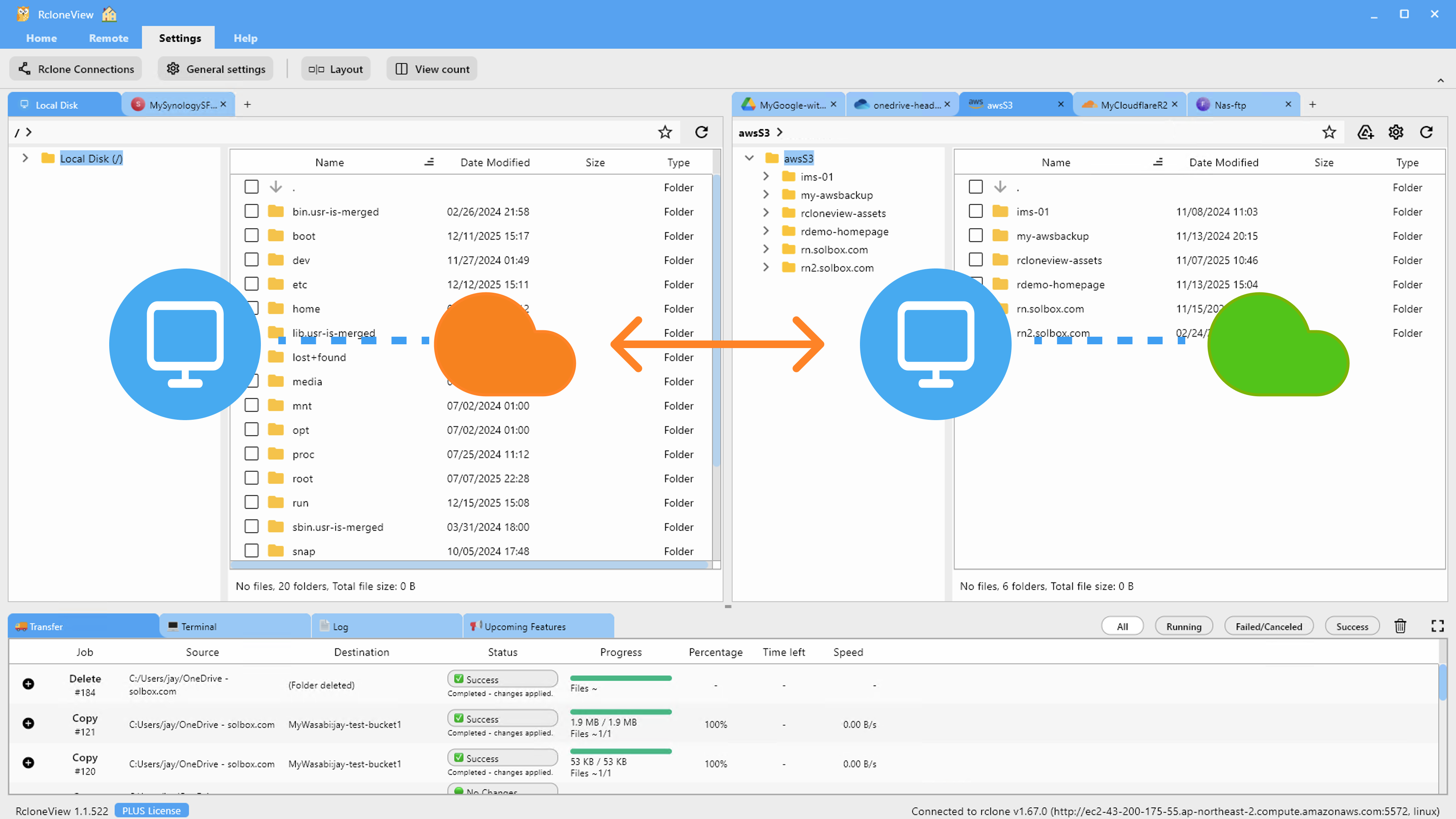
Browsing and Managing Files
RcloneView's two-pane Explorer gives you a proper file manager for Azure Files:
- Navigate directory hierarchies.
- Drag and drop between Azure Files and any other remote.
- Create, rename, delete files and folders.
- View sizes and modification dates.
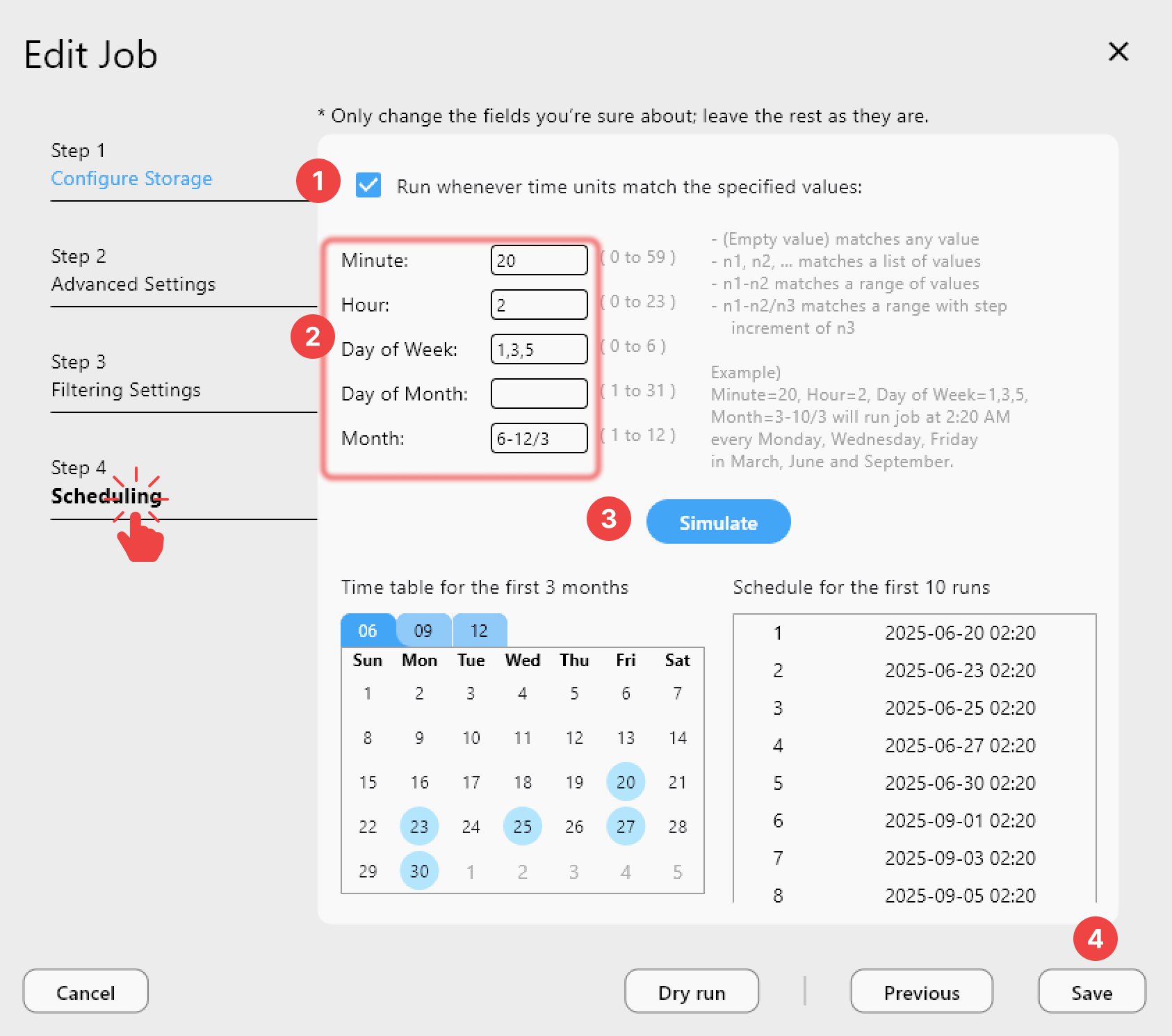
Automation and Monitoring
Scheduled backups
Automate Azure Files backup to another cloud:
- Create your Copy or Sync job.
- Schedule with Job Scheduling.
- Get alerts via Slack when jobs complete or fail.
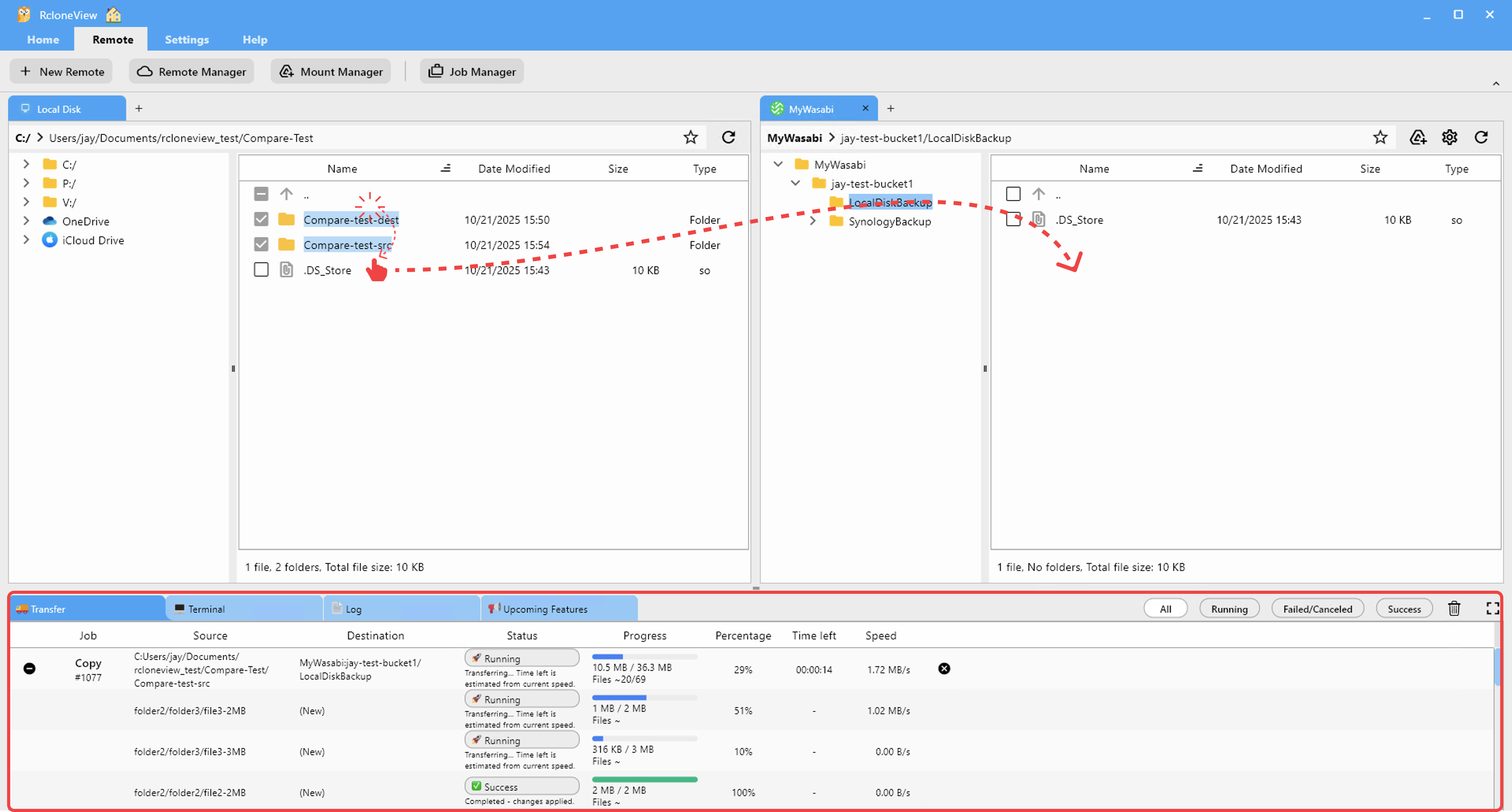
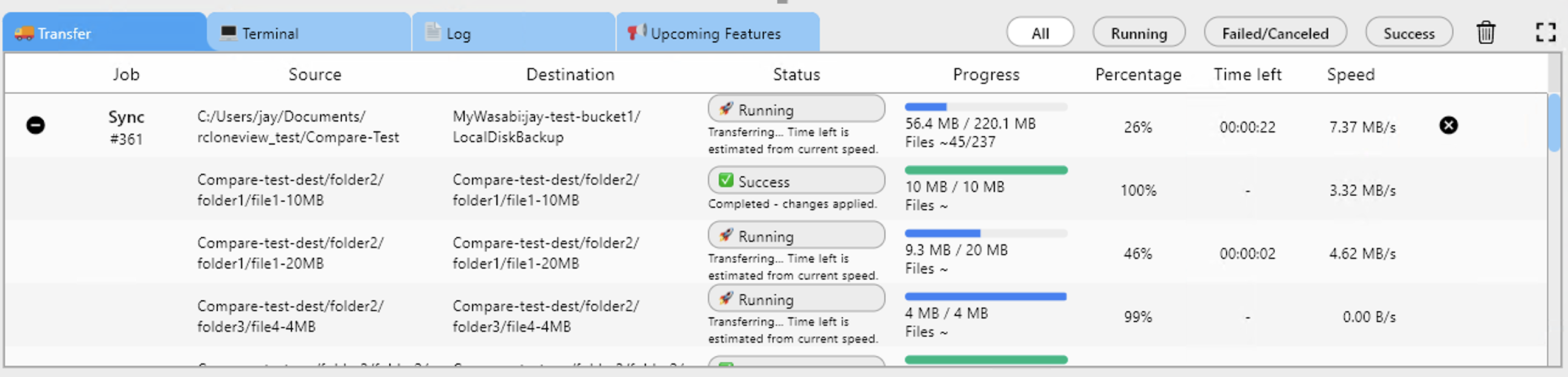
Transfer monitoring
Track real-time progress for large Azure Files transfers:
Getting Started
- Download RcloneView from rcloneview.com.
- Add Azure Files as a remote with your storage account credentials.
- Mount the share as a local drive or browse in the Explorer.
- Sync to S3, Google Drive, or NAS for multi-cloud redundancy.
- Schedule for automated, hands-free backup.
Azure Files is great for managed file shares. RcloneView makes it great for everything else — local access, multi-cloud sync, and automated backup.
Related Guides:
- Mount Azure Blob Storage as Local Drive
- Mount Cloud Storage as a Local Drive
- Browse & Manage Remotes
- Compare Folder Contents
- Job Scheduling
Supported Cloud Providers