Manage Azure Blob Storage — Sync and Backup Files with RcloneView
Azure Blob Storage powers cloud-native applications and enterprise data lakes — RcloneView brings its containers into a visual file management interface for efficient sync, backup, and cross-cloud migration.
Azure Blob Storage is Microsoft's object storage backbone for cloud-native applications, data lakes, and enterprise archives. While the Azure portal works for occasional browsing, bulk transfers, cross-cloud migration, and backup automation require a more flexible approach. RcloneView connects to Azure Blob Storage and brings your containers directly into a multi-panel file manager alongside all your other cloud remotes.
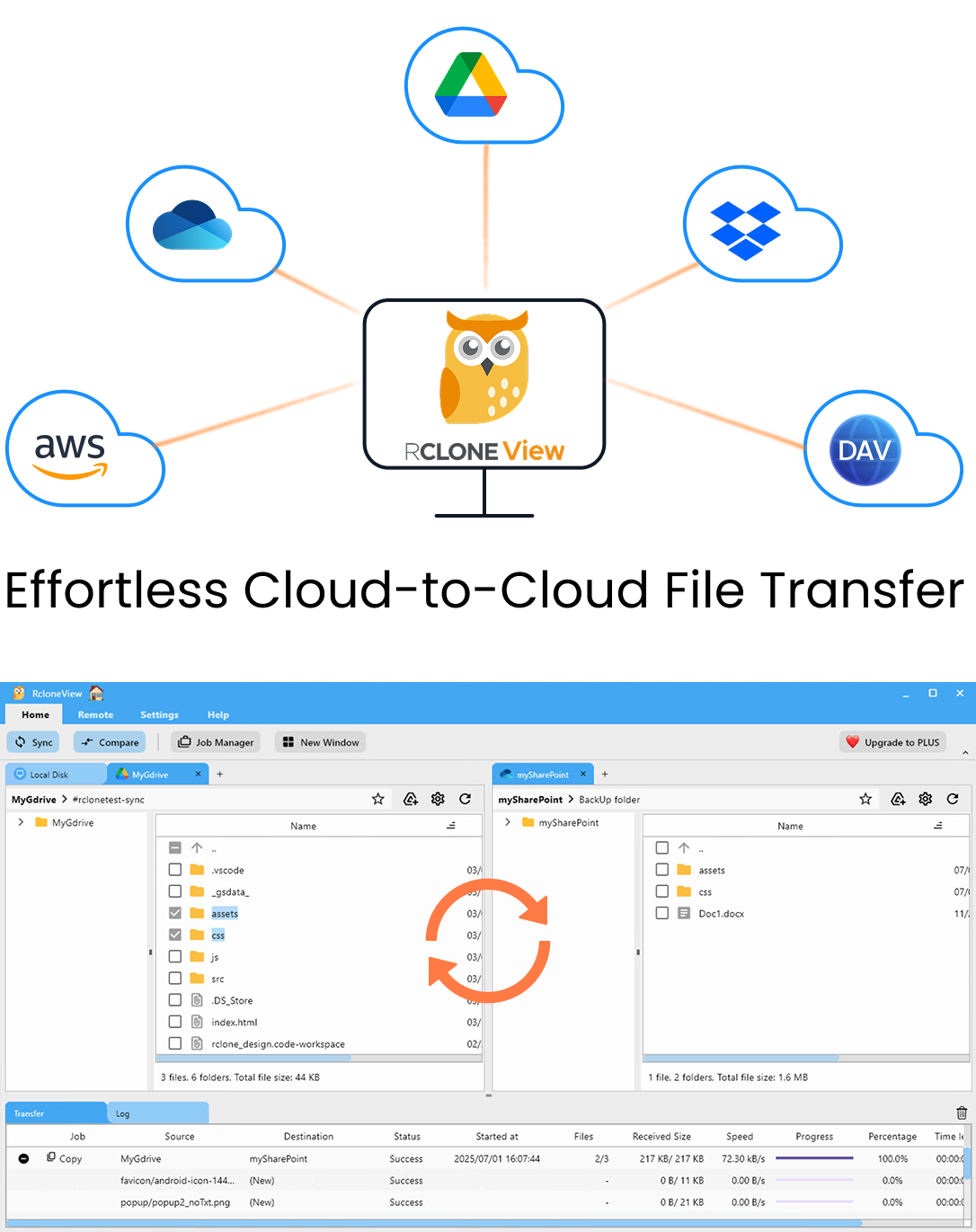
Manage & Sync All Clouds in One Place
RcloneView is a cross-platform GUI for rclone. Compare folders, transfer or sync files, and automate multi-cloud workflows with a clean, visual interface.
- One-click jobs: Copy · Sync · Compare
- Schedulers & history for reliable automation
- Works with Google Drive, OneDrive, Dropbox, S3, WebDAV, SFTP and more
Free core features. Plus automations available.
Connecting Azure Blob Storage to RcloneView
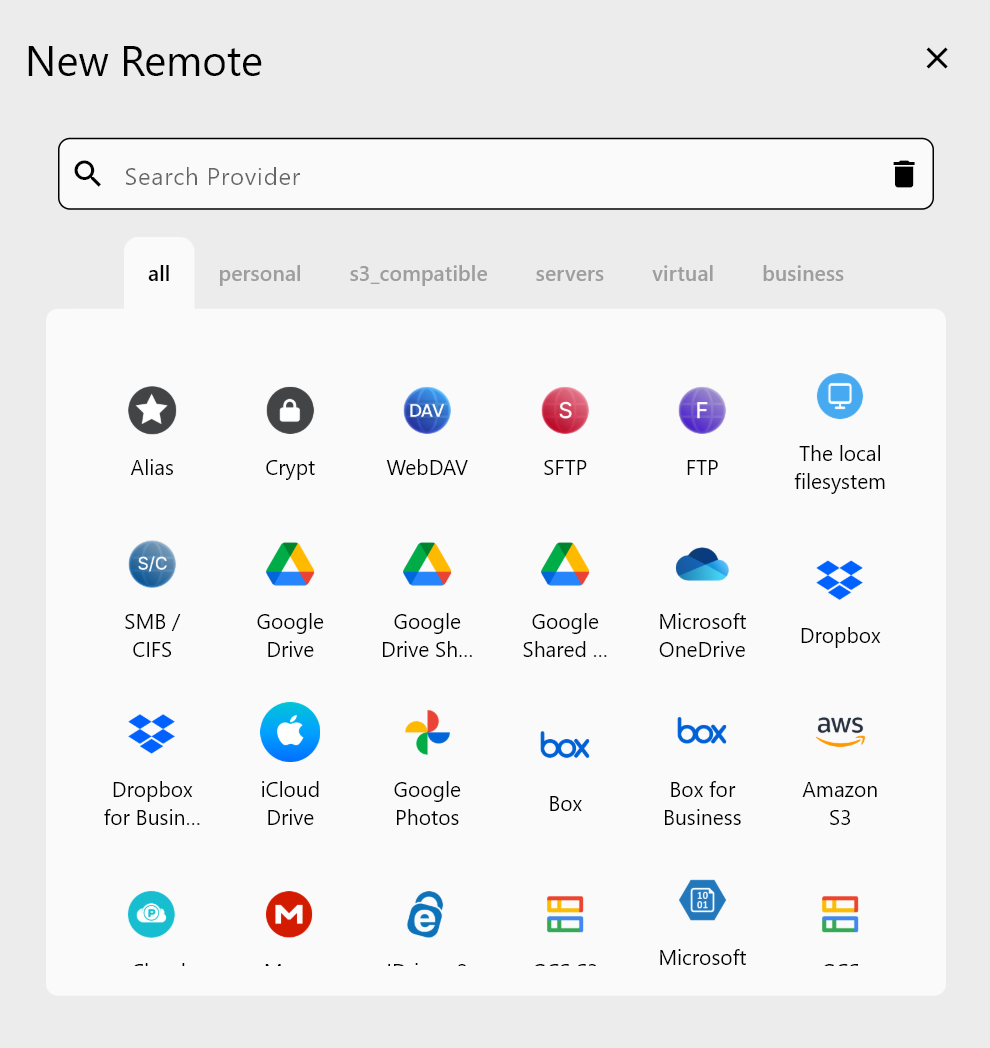
In RcloneView, open Remote tab > New Remote and select Microsoft Azure Blob Storage from the provider list. You'll need your Storage Account Name and either an Account Key or a SAS (Shared Access Signature) token. After entering these credentials and saving the remote, your blob containers appear as top-level folders in the explorer panel.
Navigation is straightforward — containers expand to show their blob paths, and you can filter by name, check sizes, and view modification timestamps. Unlike the Azure portal's flat blob list, RcloneView's folder tree view makes hierarchical prefix structures intuitive to browse. You can also right-click any item to see its size, copy its path, or initiate a transfer.
Syncing Azure Blob with Other Clouds
Azure Blob Storage is frequently used for archiving data from other platforms. A media company migrating video assets from an on-premises NAS to Azure Blob can configure a sync job in RcloneView's Job Manager: source is the NAS SFTP remote, destination is the target Azure container. Concurrent transfers and multi-thread upload settings maximize throughput for large migration batches.
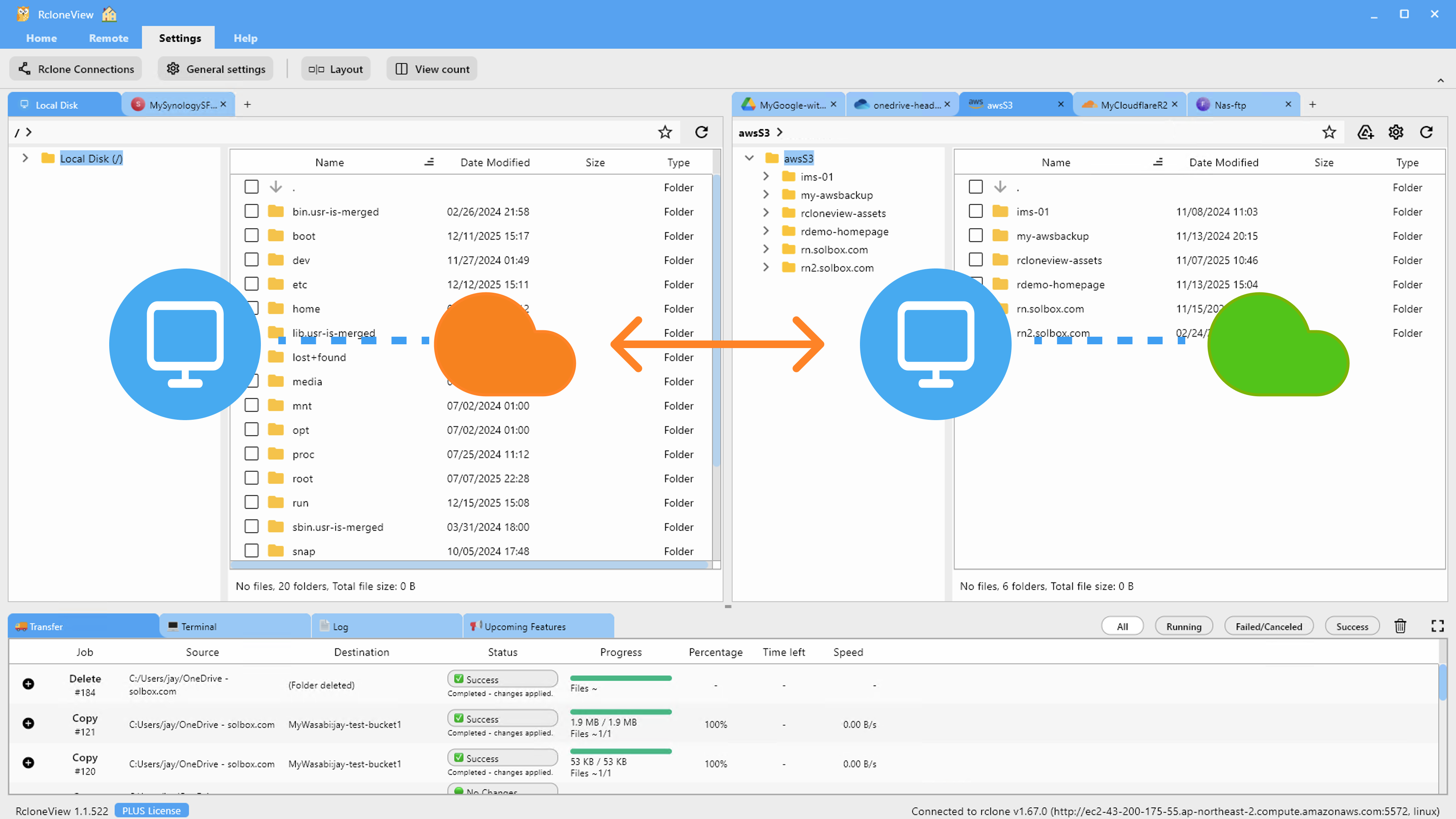
For hybrid cloud architectures, syncing containers between Azure Blob and Amazon S3 or Cloudflare R2 creates redundancy without vendor lock-in. Two Azure Blob remotes — configured with different storage accounts — can even be synchronized directly within RcloneView, making inter-account migrations straightforward.
Scheduled Backup Automation
Organizations running scheduled backups to Azure Blob can use RcloneView's cron-based scheduling feature (PLUS license) to configure fully automated jobs. A legal firm archiving case documents to Azure Blob nightly sets the schedule once — daily at 2 AM, Monday through Friday — and RcloneView handles execution automatically.
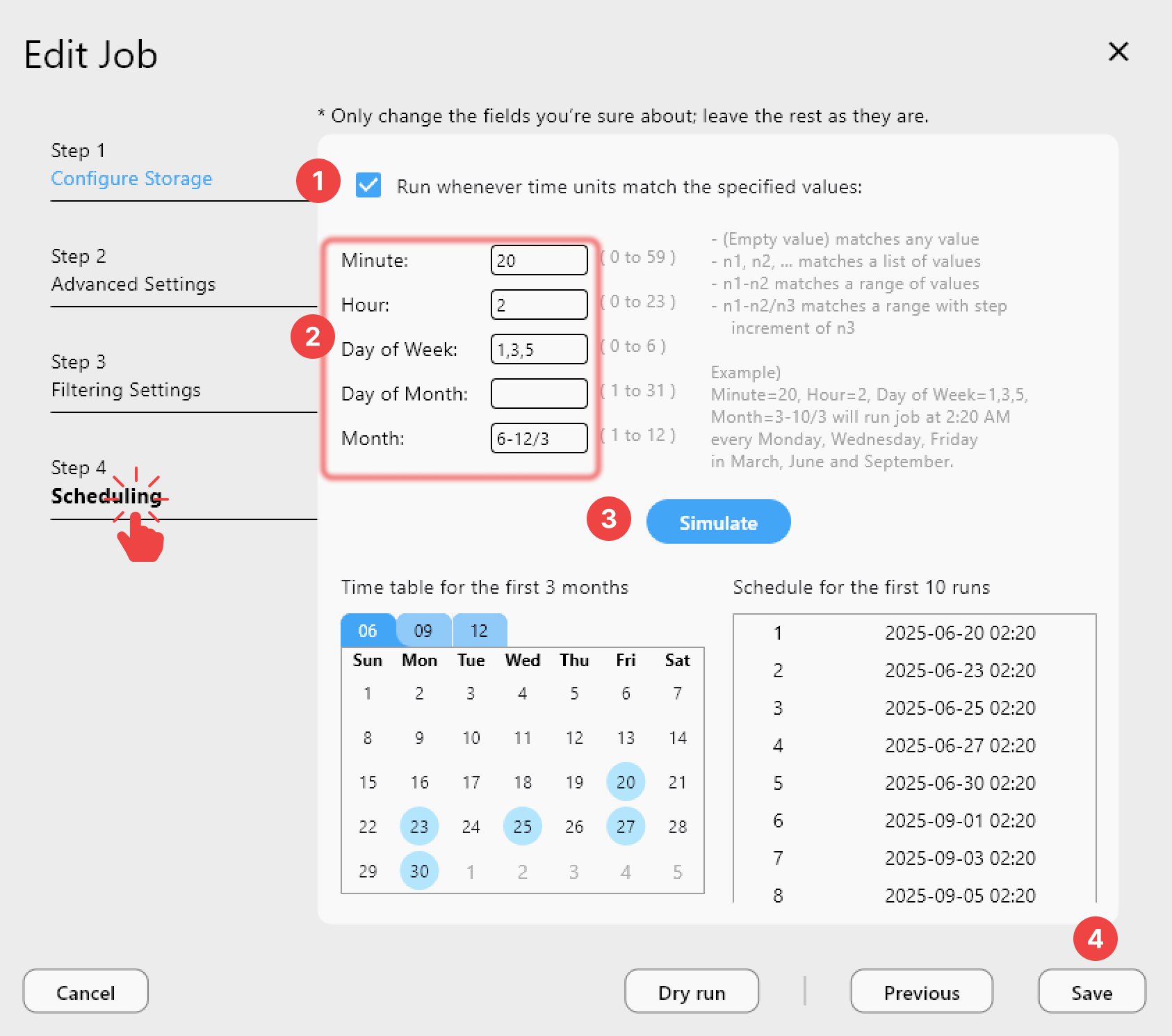
The Job History tab provides a complete audit trail: each run's start time, duration, bytes transferred, files moved, and status. For compliance-sensitive workflows, this log answers exactly when data was last backed up and whether the job completed successfully.
Getting Started
- Download RcloneView from rcloneview.com.
- Go to Remote tab > New Remote, select Microsoft Azure Blob Storage, and enter your Account Name and Key.
- Browse your containers in the explorer panel — navigate prefixes, check file sizes.
- Set up sync or backup jobs in Job Manager between Azure Blob and your other storage.
With RcloneView, Azure Blob Storage becomes as easy to manage as a local drive — with full visibility into stored content, transfer history, and scheduled execution.
Related Guides:
- Mount Azure Blob Storage as a Local Drive with RcloneView
- Migrate Azure Blob to Cloudflare R2 with RcloneView
- Manage Azure Files Cloud Sync with RcloneView
Supported Cloud Providers