Sync Nextcloud to Google Drive — Migrate and Back Up Files with RcloneView
Nextcloud gives you full control over your data — RcloneView adds the bridge to Google Drive for redundancy, migration, or team access.
Nextcloud gives organizations ownership of their storage infrastructure, but self-hosted data still needs an offsite copy. Syncing Nextcloud to Google Drive with RcloneView creates a second copy on a major cloud platform without scripting or manual file transfers. Whether you're moving away from self-hosted infrastructure entirely or maintaining Nextcloud as a primary store with Google Drive as a secondary backup, RcloneView handles the transfer through a visual sync interface with scheduling support included.
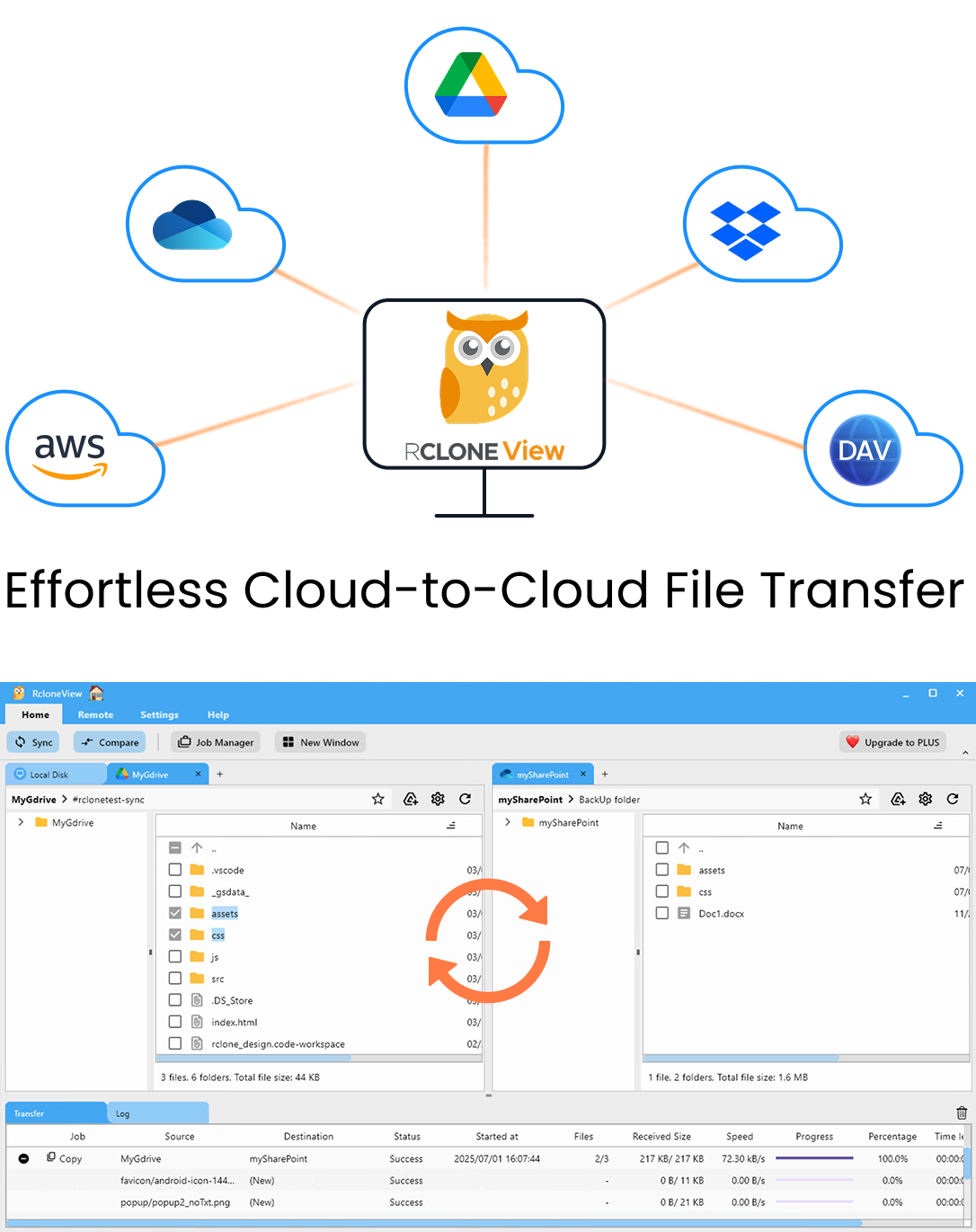
Manage & Sync All Clouds in One Place
RcloneView is a cross-platform GUI for rclone. Compare folders, transfer or sync files, and automate multi-cloud workflows with a clean, visual interface.
- One-click jobs: Copy · Sync · Compare
- Schedulers & history for reliable automation
- Works with Google Drive, OneDrive, Dropbox, S3, WebDAV, SFTP and more
Free core features. Plus automations available.
Setting Up Both Remotes in RcloneView
You need two remotes configured before creating the sync job. For Google Drive, go to the Remote tab, click New Remote, and select Google Drive — a browser window opens for OAuth authentication, so no API keys or credentials to manage manually. For Nextcloud, select WebDAV as the remote type. Enter your Nextcloud server URL in the format https://your-nextcloud.example.com/remote.php/dav/files/username/, along with your Nextcloud username and password (or an app password if two-factor authentication is active on your account).
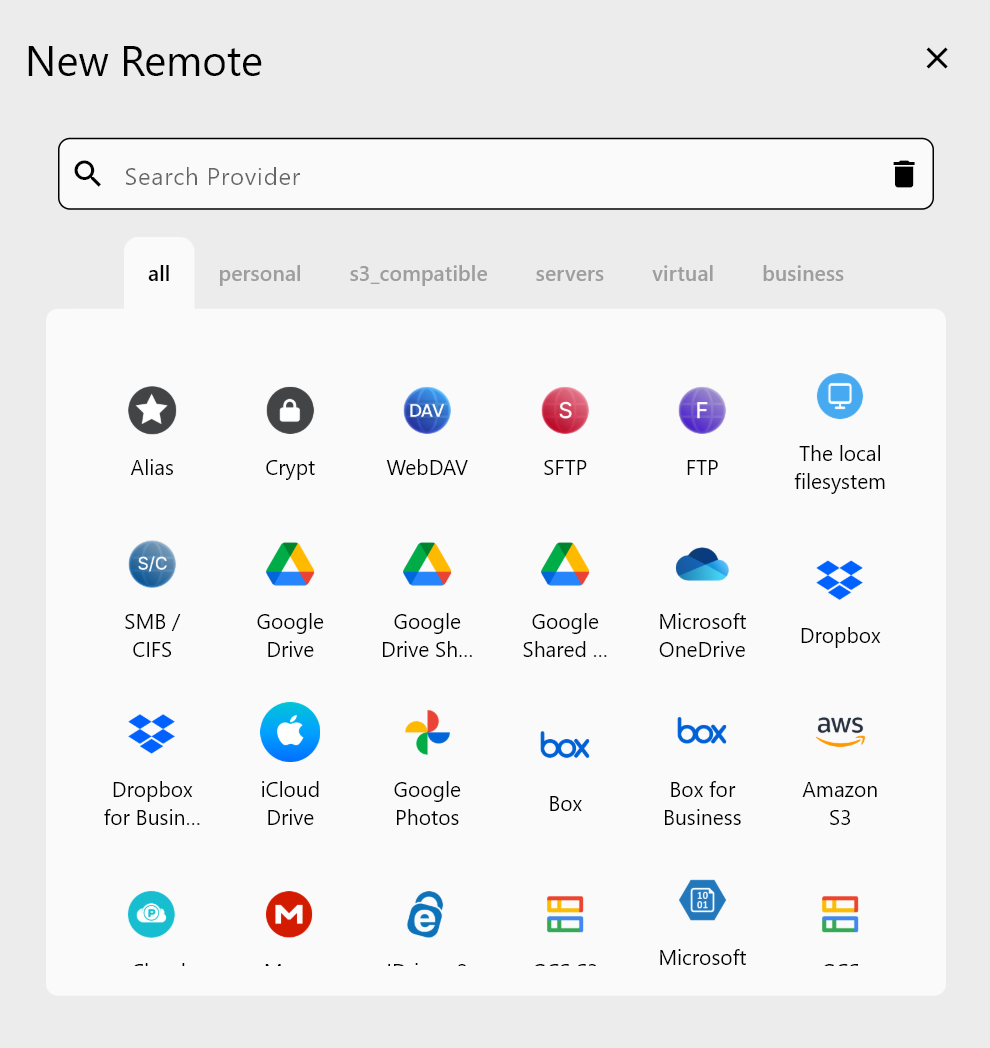
Once both remotes are saved, click into each from the explorer panel to verify the connection. A successful Nextcloud connection shows your home directory's folder structure; Google Drive shows your Drive root. If Nextcloud returns an authentication error, confirm the URL includes the full WebDAV path — omitting /remote.php/dav/files/username/ is the most common setup mistake.
Creating the Nextcloud-to-Google Drive Sync Job
With both remotes verified, open Job Manager from the Home tab and create a new Sync job. In Step 1, set your Nextcloud path as the source and your Google Drive folder as the destination. Confirm the sync direction is set to one-way (source modifies destination only) — this mirrors Nextcloud content to Google Drive without altering your Nextcloud files.
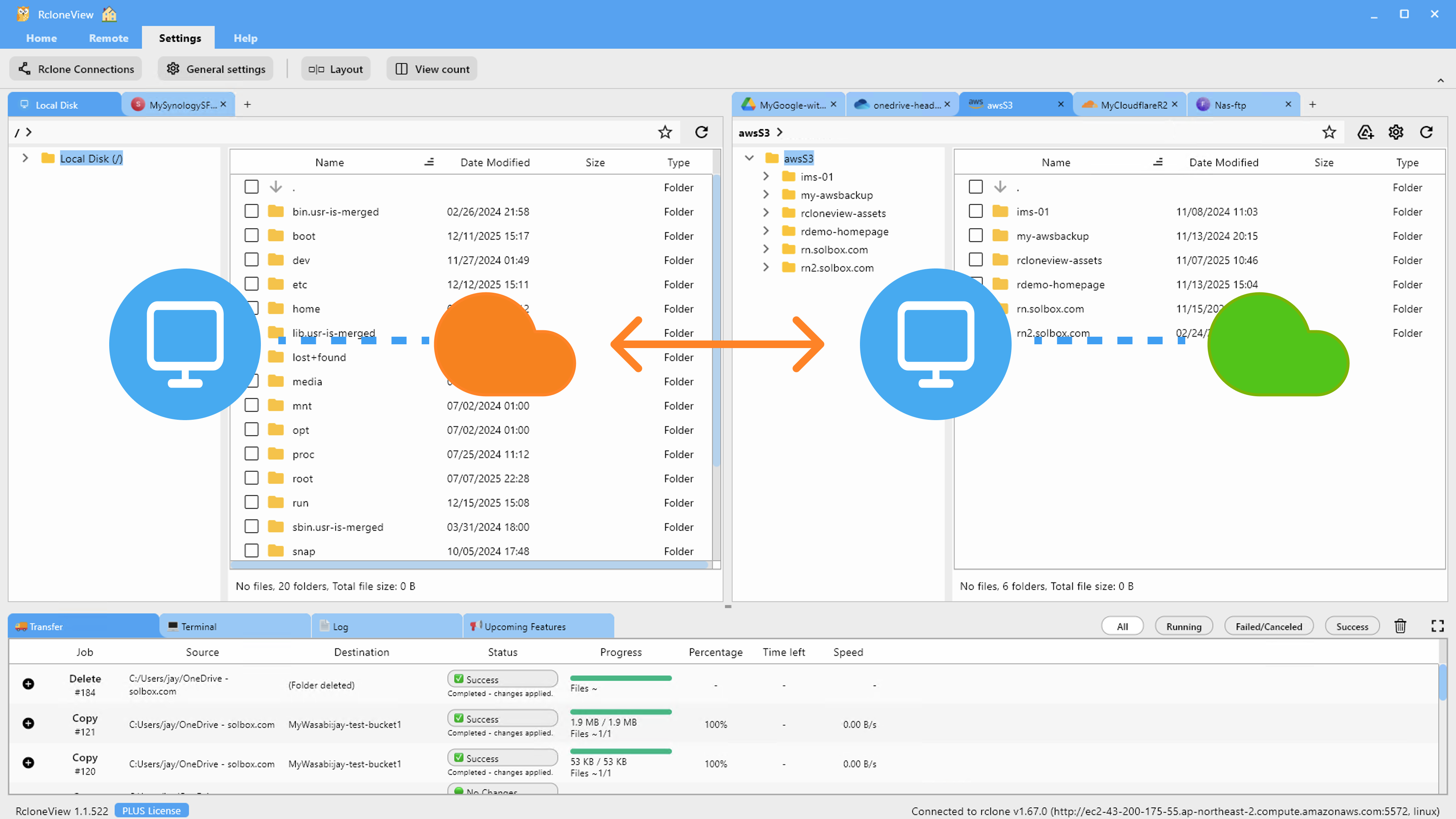
In Step 2, configure concurrent transfers based on your server's upload capacity. For large Nextcloud libraries — a design team's shared project folder with 200 GB of assets, for example — increasing concurrent transfers accelerates the initial population of the Google Drive destination. Enable checksum verification when data integrity is critical; this confirms each transferred file matches the source by content hash, not just file size.
Filtering System Folders and Metadata
Nextcloud servers accumulate system folders, thumbnail caches, and temporary files that don't belong in a Google Drive mirror. In Step 3 of the job wizard, add filter rules to exclude these paths. Patterns like .nextcloud/ or .thumbs/ skip metadata directories that add noise to your destination without adding value. RcloneView's predefined filter presets for Images, Documents, and Videos let you scope the sync to just the file types your team cares about.
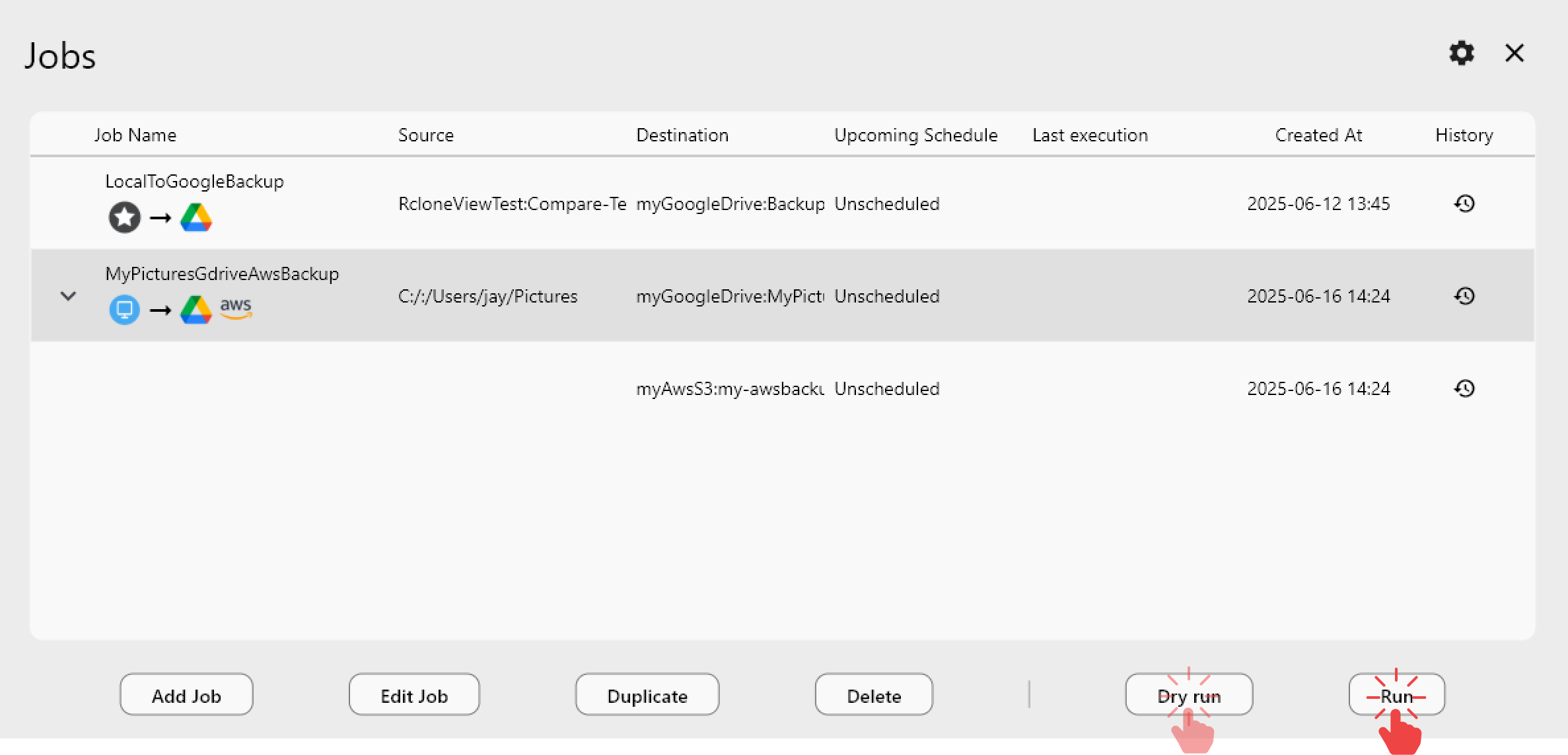
Before running the job live, use the Dry Run option from the Job Manager to preview all planned operations. The dry run lists every file to be copied without making any changes — a useful sanity check before committing to a large initial transfer.
Automating the Sync on a Schedule
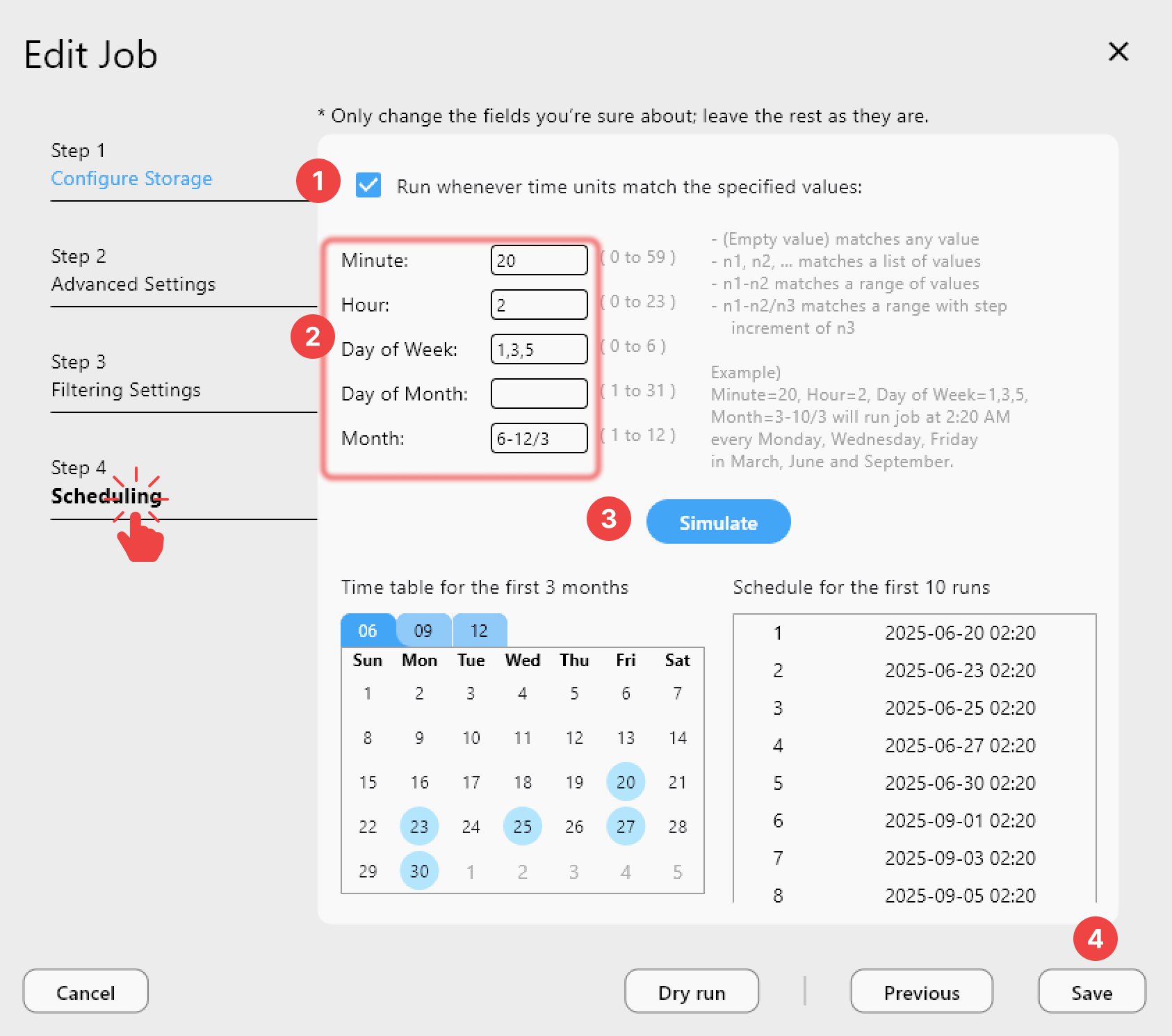
Once you've validated the dry run, save the job and — with a PLUS license — attach a schedule in Step 4. A nightly cron-style schedule keeps your Google Drive copy current with each day's changes on Nextcloud without manual intervention. Sync completion notifications alert you when each scheduled run succeeds.
Getting Started
- Download RcloneView from rcloneview.com.
- Add a Google Drive remote (OAuth browser login) and a Nextcloud remote (WebDAV URL + credentials) via New Remote.
- Create a Sync job with your Nextcloud path as source and a Google Drive folder as destination.
- Run a Dry Run to verify scope, then save with a schedule for automated ongoing sync.
Keeping a synchronized Google Drive copy of your Nextcloud data ensures that a server outage or accidental deletion never means permanent data loss.
Related Guides:
- Sync Nextcloud to Backblaze B2 with RcloneView
- Manage Nextcloud Cloud Sync and Backup with RcloneView
- Migrate Seafile to Google Drive with RcloneView
Supported Cloud Providers