Migrate Seafile to Google Drive — Transfer Files with RcloneView
Moving away from a self-hosted Seafile server to Google Drive is easier than it sounds — RcloneView lets you connect both as remotes and transfer your libraries directly without any intermediate download.
Seafile is a popular self-hosted collaboration platform, but many teams eventually migrate to managed cloud services like Google Drive for reduced maintenance overhead and better integration with productivity tools. RcloneView treats Seafile as a first-class remote alongside Google Drive, enabling you to browse your Seafile libraries and copy them directly to Google Drive in a clean graphical workflow. No command-line knowledge is required, and the embedded rclone binary handles all the heavy lifting.
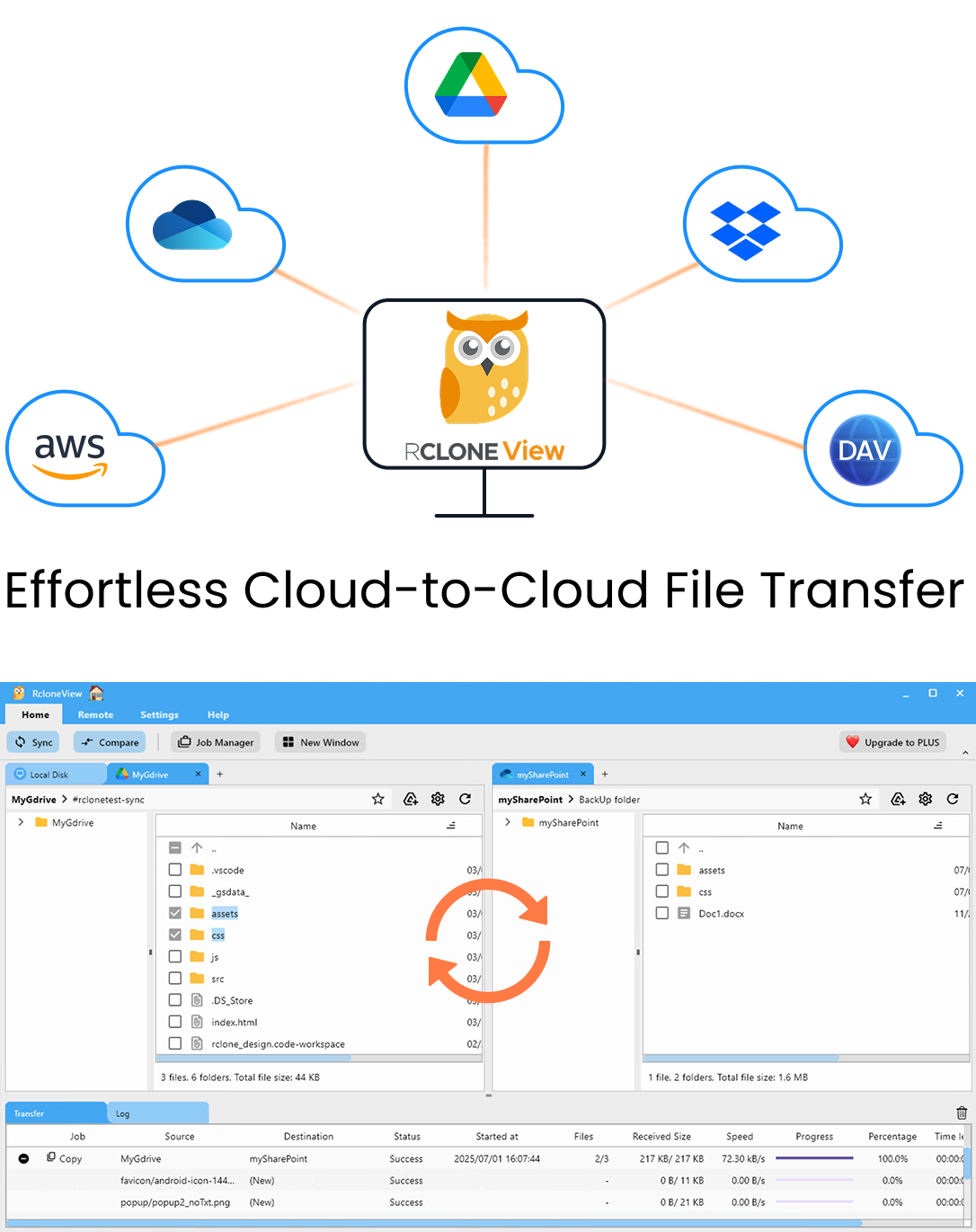
Manage & Sync All Clouds in One Place
RcloneView is a cross-platform GUI for rclone. Compare folders, transfer or sync files, and automate multi-cloud workflows with a clean, visual interface.
- One-click jobs: Copy · Sync · Compare
- Schedulers & history for reliable automation
- Works with Google Drive, OneDrive, Dropbox, S3, WebDAV, SFTP and more
Free core features. Plus automations available.
Connecting Your Seafile Server
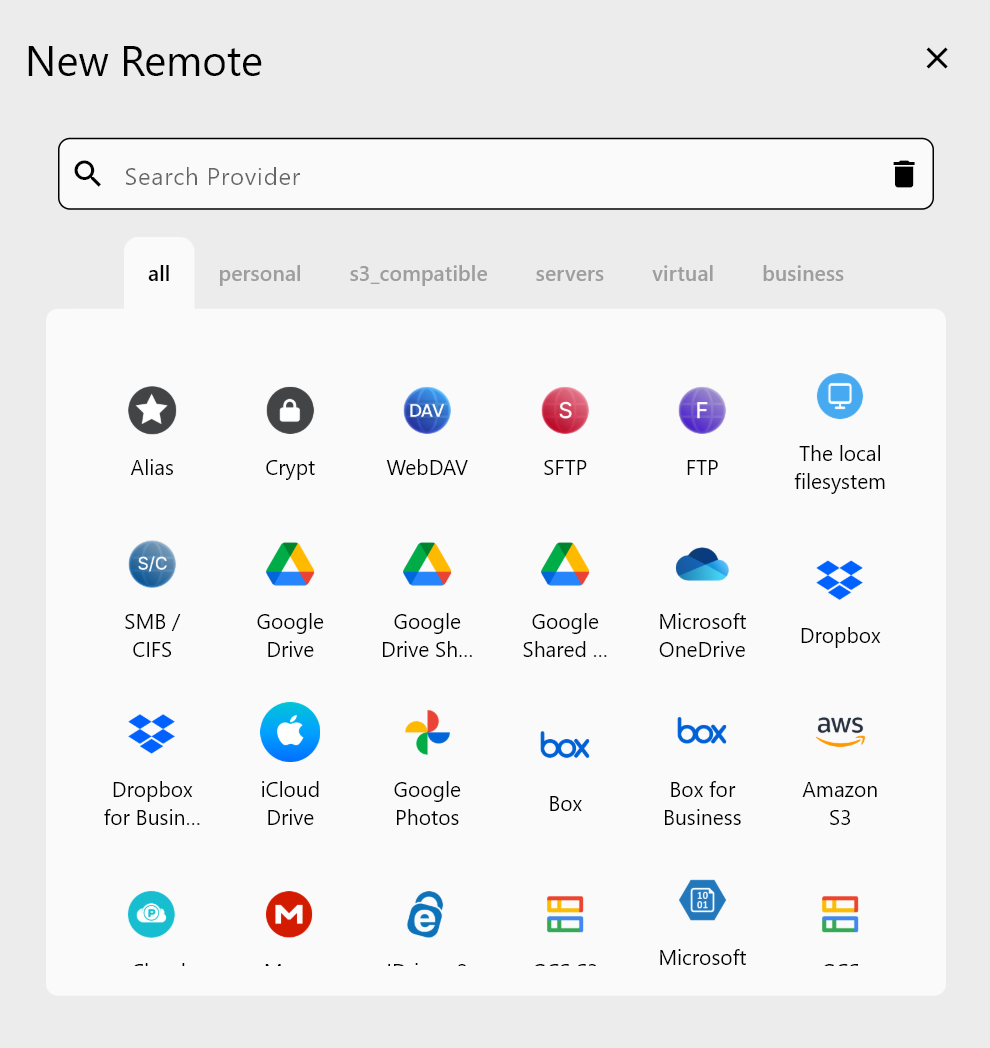
Click New Remote in RcloneView and select Seafile from the provider list. Enter your Seafile server URL, username, and password. If your server uses 2FA, you will also need to supply a one-time token during setup. RcloneView will then list all your Seafile libraries — both personal and shared — in the dual-pane file explorer.
If your Seafile libraries are encrypted, you will need the library password for RcloneView to decrypt and read the files. It is worth testing access to a small encrypted library before attempting a full migration to verify your credentials work correctly.
Adding Google Drive
Add a second remote for Google Drive via New Remote > Google Drive. RcloneView will open a browser window for OAuth authorization — sign in with your Google account and grant the requested permissions. After authorization, the Google Drive remote appears in the explorer. You can navigate to any folder in My Drive or a Shared Drive to use as the migration destination.
Consider creating a dedicated folder in Google Drive — for example, Seafile Migration/ — before starting the transfer. This keeps migrated content organized and separate from existing files during the transition period.
Running the Migration
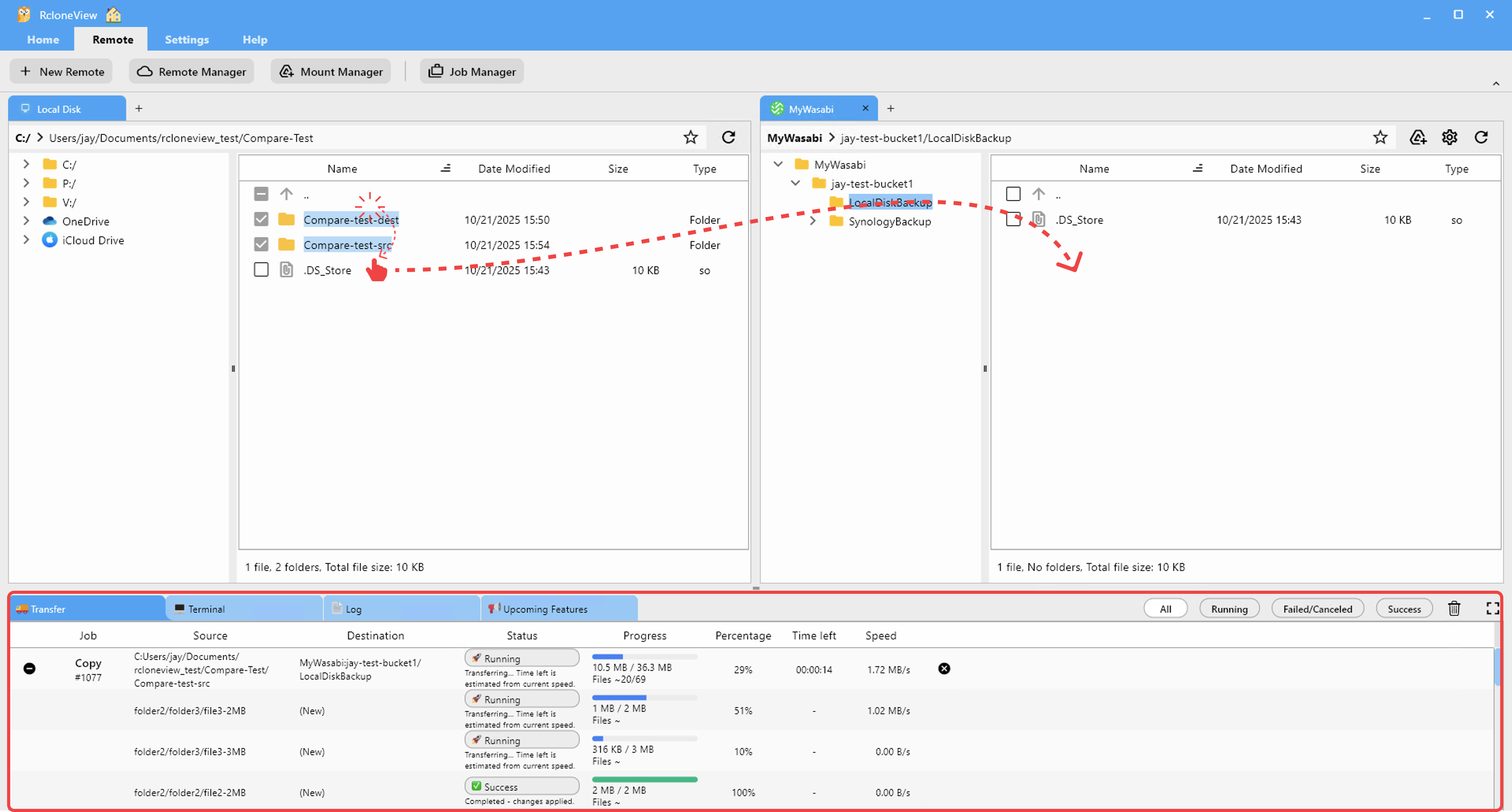
With both remotes open in the dual-pane view, you can drag individual Seafile libraries across to Google Drive for small migrations. For full server migrations, use the Job Wizard to create a sync job: set Seafile as the source and your target Google Drive folder as the destination. The four-step wizard lets you configure transfer options, including whether to preserve modification times.
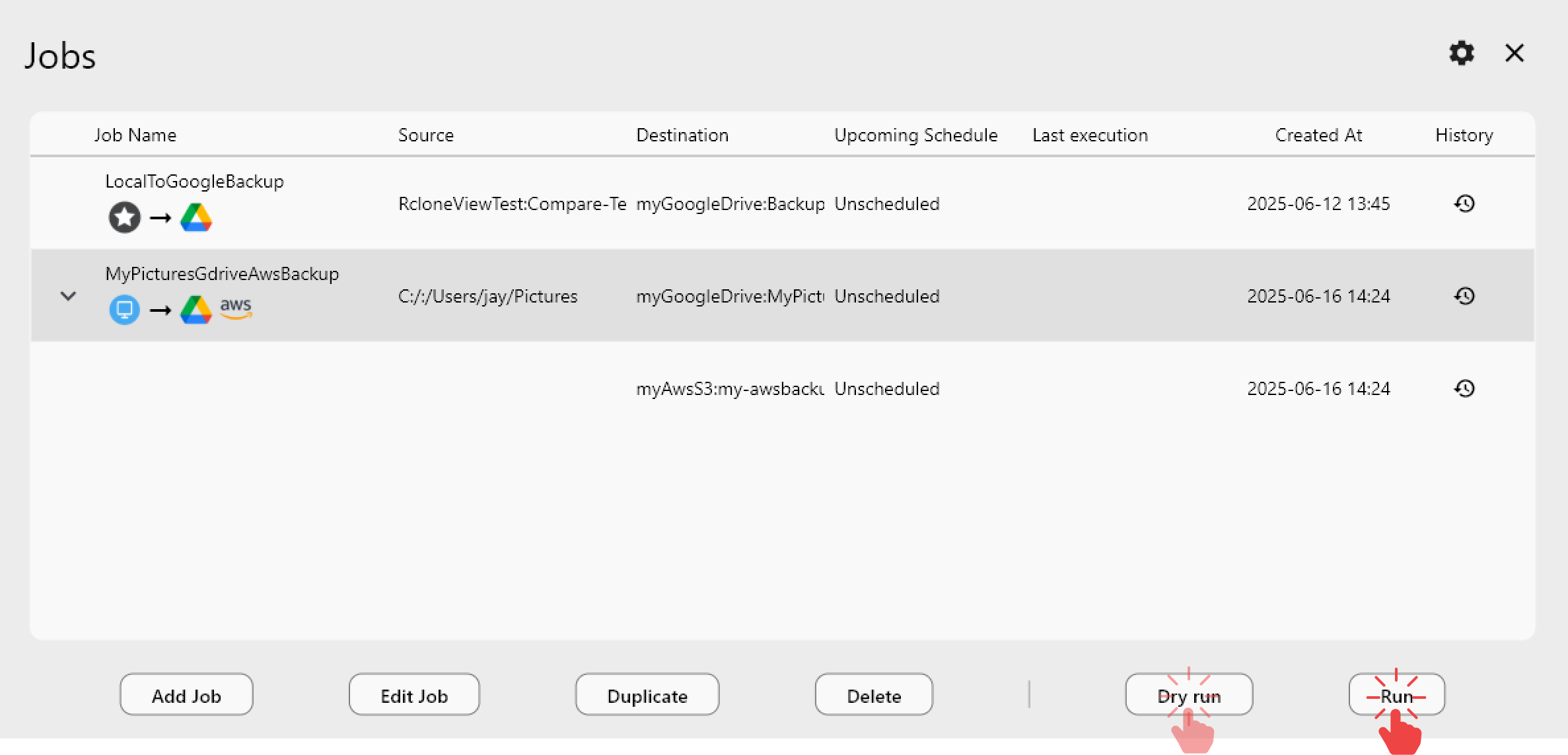
Run a dry run first to preview what will be transferred — this is especially useful for large Seafile instances with thousands of files. After confirming the preview looks correct, start the live transfer. RcloneView's Job Manager shows live progress, and Job History records the outcome for your migration audit trail.
Getting Started
- Download RcloneView from rcloneview.com.
- Click New Remote > Seafile and enter your server URL, username, and password.
- Click New Remote > Google Drive and complete the OAuth authorization flow.
- Open both remotes side by side in the dual-pane explorer.
- Use the Job Wizard to create a sync job, run a dry run, then execute the full migration.
With RcloneView, migrating from Seafile to Google Drive becomes a structured, auditable process rather than a manual file-by-file effort.
Related Guides:
- Manage Seafile — Cloud Sync and Backup with RcloneView
- Manage Google Drive — Cloud Sync and Backup with RcloneView
- Sync Seafile to AWS S3 with RcloneView
Supported Cloud Providers