Cloud Storage for Remote Teams — Keep Distributed Teams in Sync Across Multiple Clouds
Your designer in Berlin uses Dropbox. Your developer in Tokyo uses Google Drive. Your client in New York wants files on OneDrive. Your CTO insists on S3 backups. Welcome to remote team cloud storage.
Distributed teams rarely agree on one cloud platform. Different regions, different organizational habits, and different client requirements mean files end up scattered across multiple clouds. RcloneView keeps them all in sync so everyone has access to the latest files, regardless of which platform they prefer.
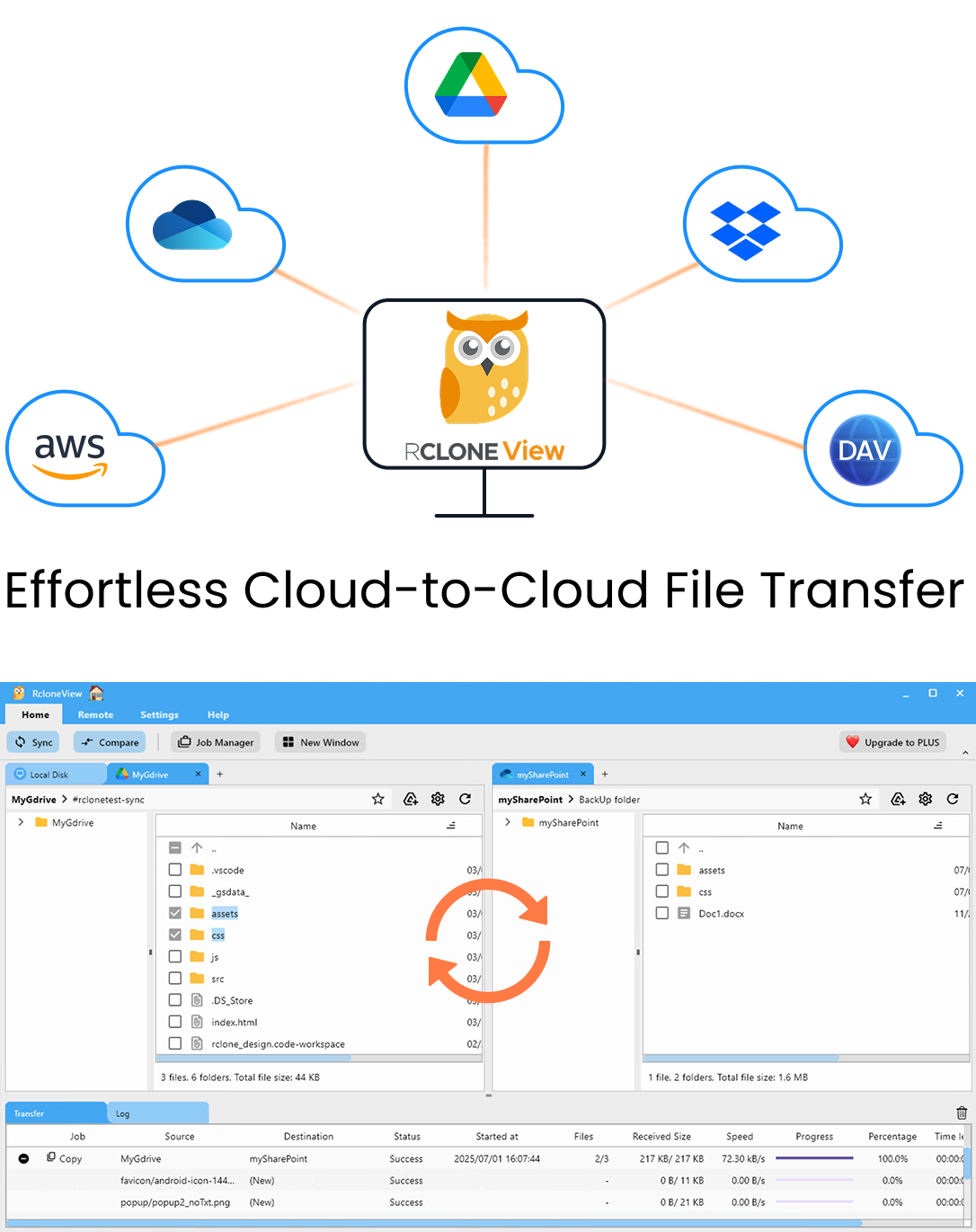
Manage & Sync All Clouds in One Place
RcloneView is a cross-platform GUI for rclone. Compare folders, transfer or sync files, and automate multi-cloud workflows with a clean, visual interface.
- One-click jobs: Copy · Sync · Compare
- Schedulers & history for reliable automation
- Works with Google Drive, OneDrive, Dropbox, S3, WebDAV, SFTP and more
Free core features. Plus automations available.
The Multi-Cloud Remote Team Challenge
Why teams use different clouds
- Regional preferences — Google Workspace dominates in some regions, Microsoft 365 in others.
- Client requirements — "Send deliverables to our SharePoint."
- Personal preferences — Team members bring their own cloud habits.
- Departmental decisions — Engineering uses S3, marketing uses Dropbox.
- Legacy systems — "We've always used Box."
What breaks
- Version confusion — Which copy is the latest?
- Manual copying — Someone emails files or shares download links.
- Access delays — "Can you re-share that file? I can't access your Dropbox."
- No backup — Files exist on one person's cloud with no redundancy.
Solution: Hub-and-Spoke Sync
Designate one cloud as the central hub. Sync satellite clouds to and from it:
Hub: Google Drive (team shared folder)
  ↔ Dropbox (designer)
  ↔ OneDrive (client delivery)
  ↔ S3 (backup/archive)
RcloneView manages all the sync connections:
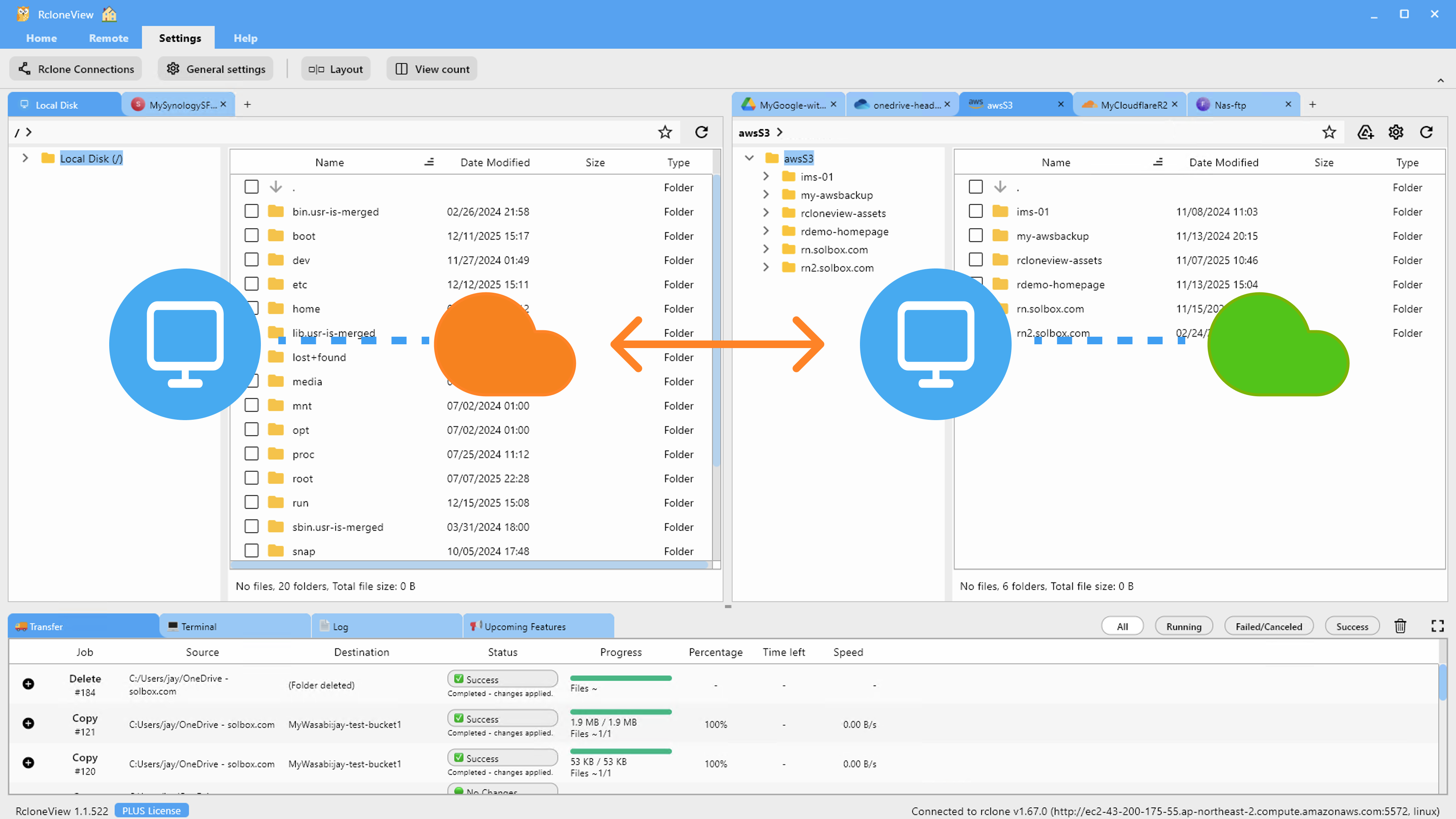
Implementation
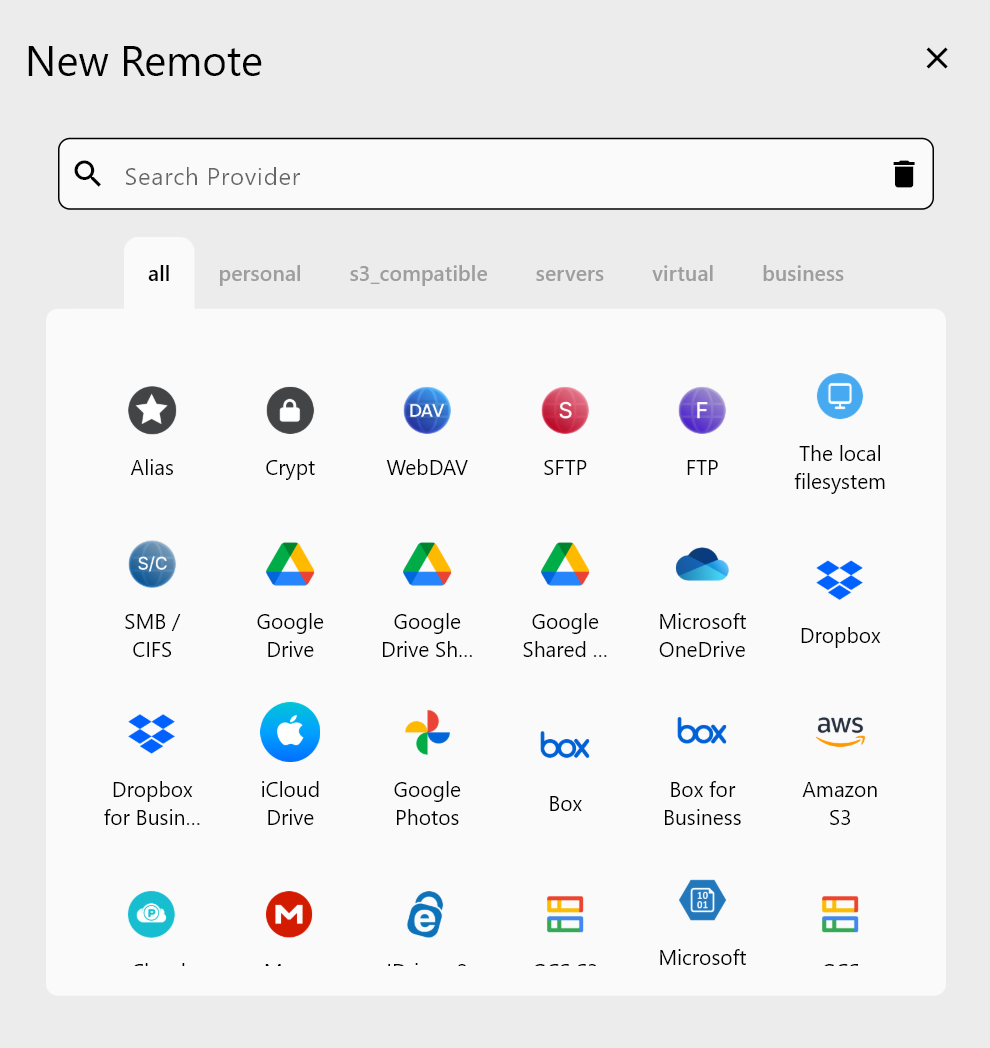
1) Connect all team clouds
Add every cloud platform your team uses:
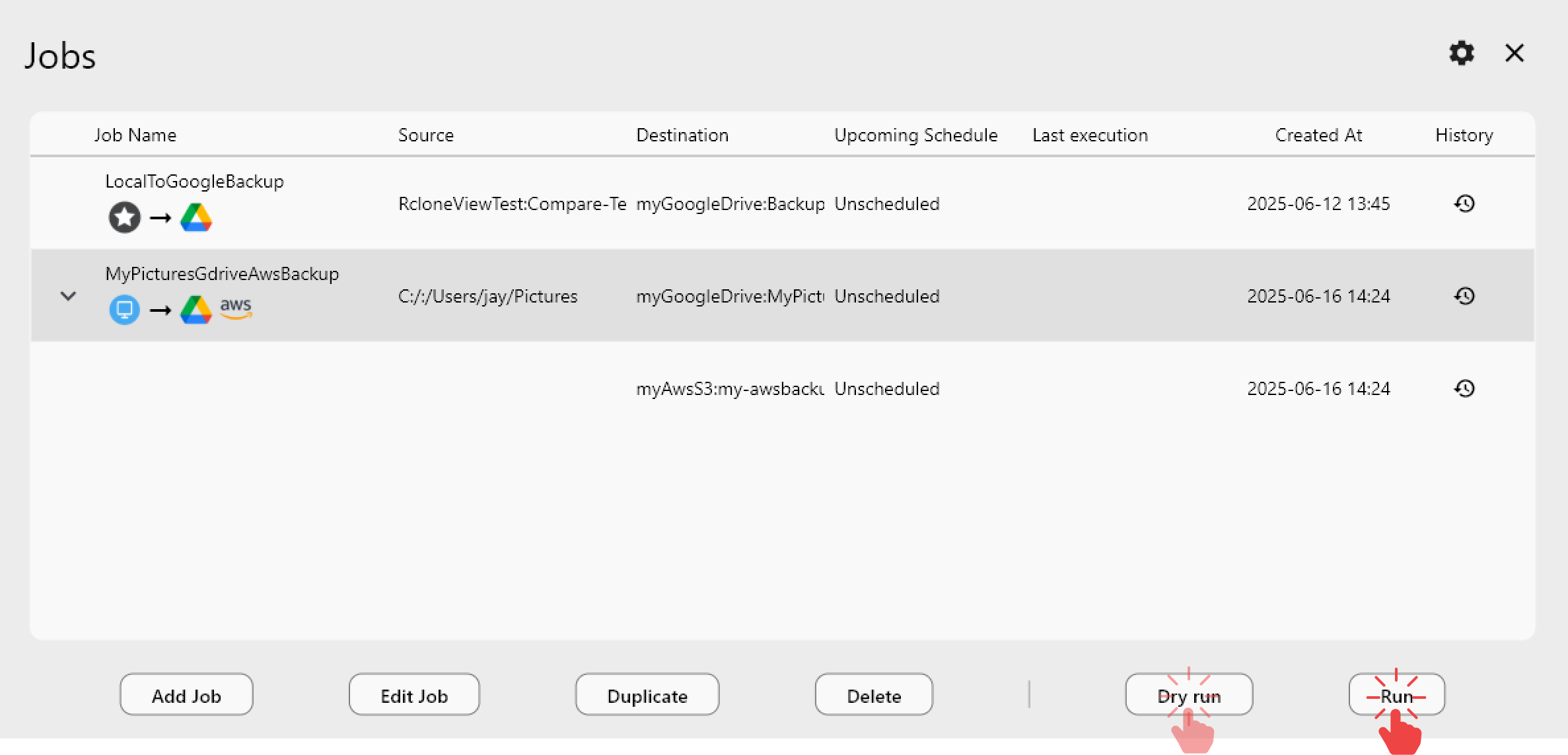
2) Create sync jobs for each spoke
Set up bidirectional sync between the hub and each satellite:
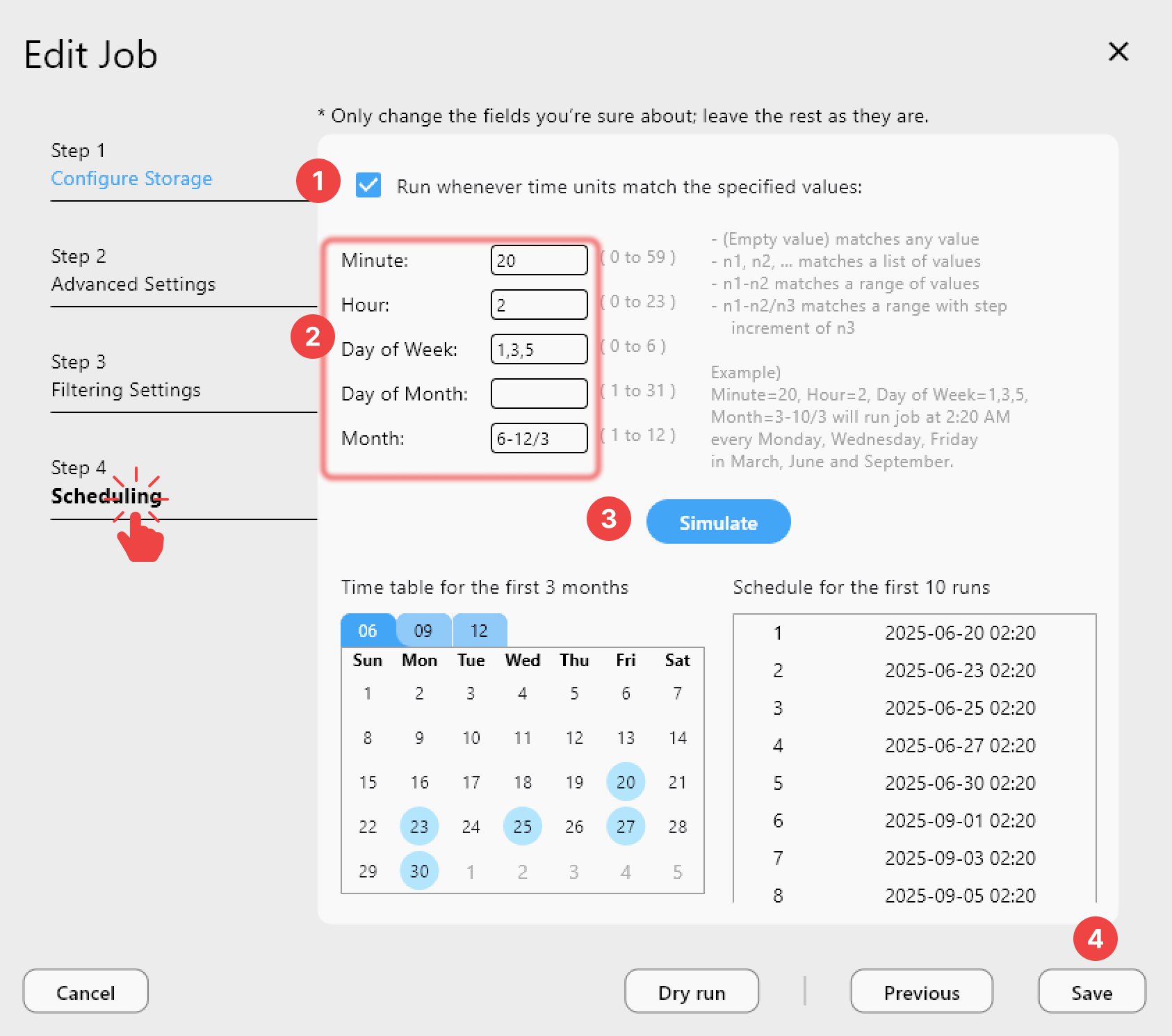
3) Schedule regular syncs
Sync every hour during business hours, or trigger manually when files change:
4) Notify the team
Use Slack or Discord notifications (v1.3) to alert the team when syncs complete or fail.
Folder Comparison for Conflict Detection
Before syncing, compare folders to detect changes on both sides:
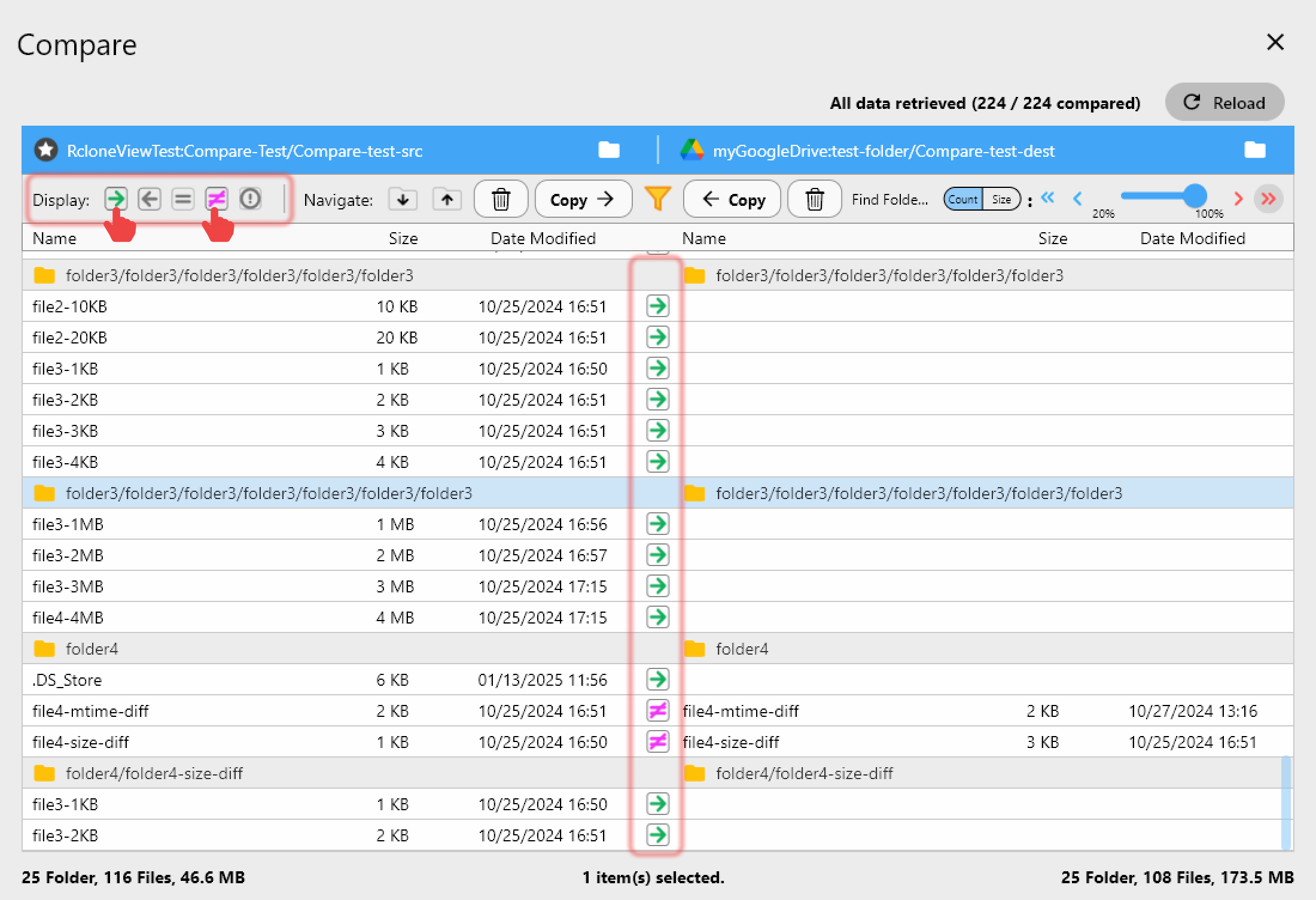
This helps prevent sync conflicts where different team members edited the same file on different clouds.
Practical Patterns
Pattern 1: Client delivery pipeline
Internal (Google Drive) → Client (OneDrive/SharePoint)
One-way sync. Internal changes push to client. Client-facing folder only.
Pattern 2: Regional mirrors
US team (Google Drive US) ↔ Asia team (Google Drive Asia)
Bidirectional sync. Both teams work on local copies with low latency.
Pattern 3: Project-based sync
Create sync jobs per project:
Project Alpha: Google Drive/Alpha/ ↔ Dropbox/Alpha/ ↔ S3/alpha-backup/
Project Beta: Google Drive/Beta/ ↔ OneDrive/Beta/
Deactivate sync jobs when projects complete.
Bandwidth Considerations
Remote teams often have varying internet speeds. Use bandwidth limits to prevent sync from saturating anyone's connection:
- Limit to 50% of available bandwidth during work hours.
- Full speed during off-hours.
Getting Started
- Download RcloneView from rcloneview.com.
- Add all team cloud accounts.
- Create hub-and-spoke sync jobs.
- Schedule regular syncs.
- Set up notifications for sync status.
Your team shouldn't have to think about which cloud has the latest file.
Related Guides:
Supported Cloud Providers