Cloud Storage for Startups and Small Businesses — File Management with RcloneView
Startups and small teams often end up with files scattered across Google Drive, Dropbox, and a NAS. RcloneView unifies your cloud storage into a single GUI for organized backups, cross-cloud transfers, and automated routines.
A 10-person startup might be using Google Workspace for documents, Dropbox for client deliverables, and a local server for code archives. Without a centralized management tool, someone eventually loses track of what's where — or worse, loses data entirely when a provider account lapses. RcloneView connects all your cloud accounts in one interface and gives small teams a way to manage, migrate, and automate their storage without IT overhead.
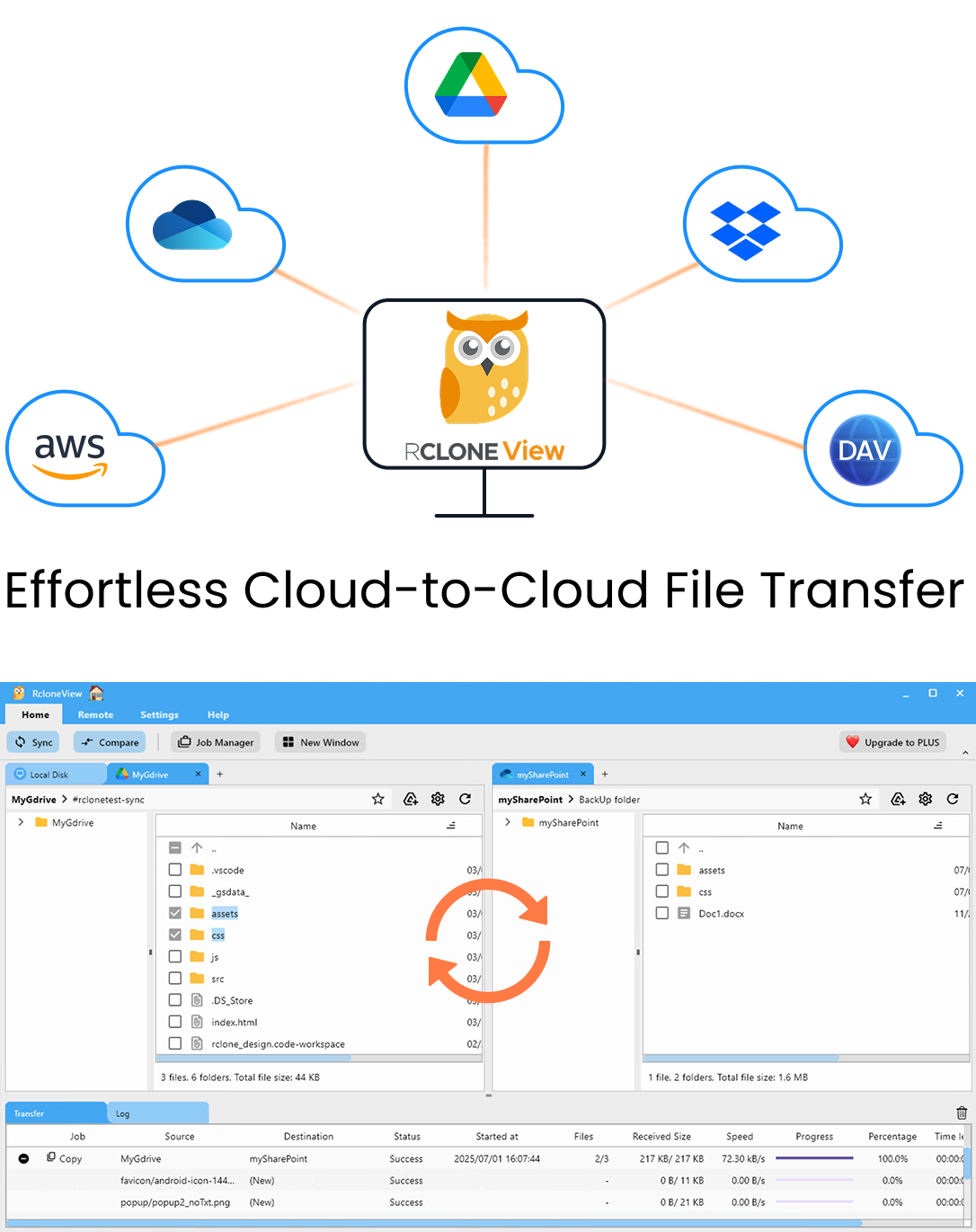
Manage & Sync All Clouds in One Place
RcloneView is a cross-platform GUI for rclone. Compare folders, transfer or sync files, and automate multi-cloud workflows with a clean, visual interface.
- One-click jobs: Copy · Sync · Compare
- Schedulers & history for reliable automation
- Works with Google Drive, OneDrive, Dropbox, S3, WebDAV, SFTP and more
Free core features. Plus automations available.
Managing Multiple Cloud Accounts in One Interface
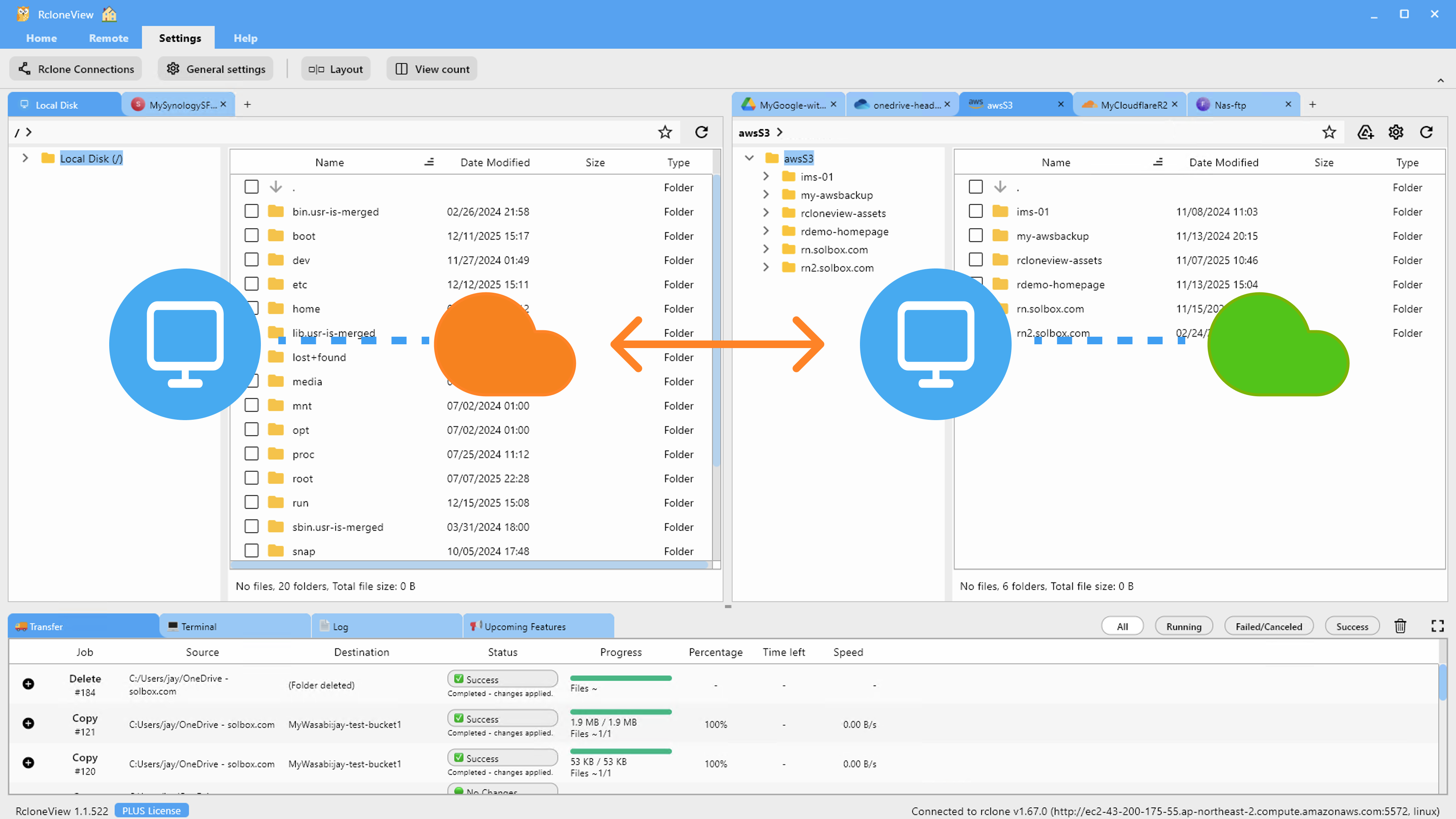
RcloneView's multi-panel explorer lets you browse up to four cloud providers simultaneously. For a startup that uses Google Drive as its primary workspace and Backblaze B2 for archive, you can keep both open side by side — dragging completed project files from Drive to B2 without downloading them locally first.
The Remote Manager lists all your configured providers, and you can add as many remotes as you need: Google Drive (personal and shared drives), Dropbox for Business, Amazon S3, and any other providers your team uses. Each remote has its own tab in the explorer, and switching between them is instant.
Automating Backups Without IT Resources
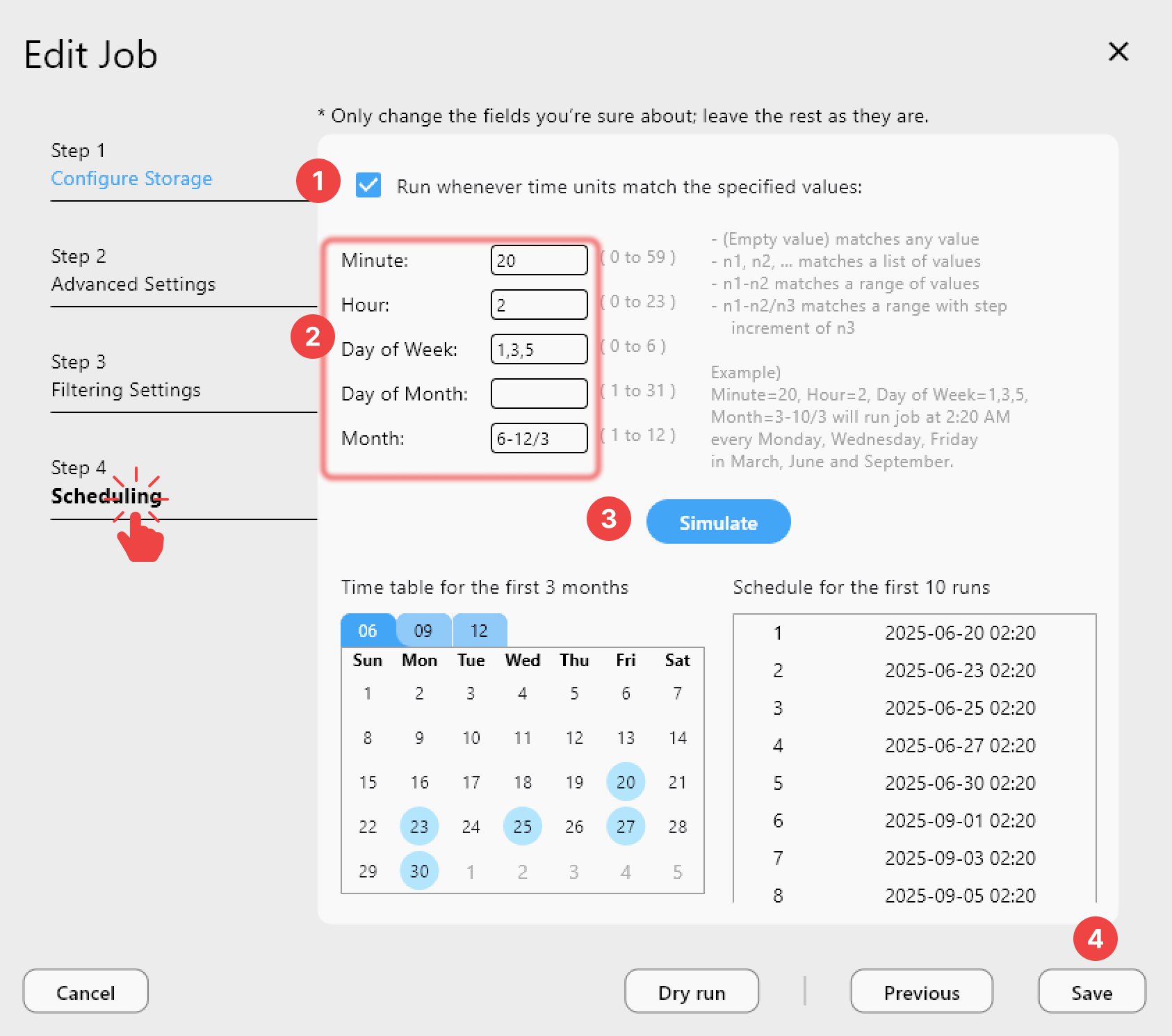
Many small businesses skip regular cloud backups because setting up automation feels complex. RcloneView's Job Manager makes it accessible: a 4-step wizard guides you through picking source and destination, configuring transfer settings, and — with a PLUS license — scheduling the job on a crontab timer.
A SaaS startup with a 5TB Google Drive Shared Drive, for example, can configure a nightly Sync job to Backblaze B2 in about 10 minutes. The first run does a full copy; subsequent runs are incremental, transferring only changed files. Job completion notifications alert the team if a backup fails, so nothing slips through unnoticed.
Reducing Cloud Storage Costs Through Tiering
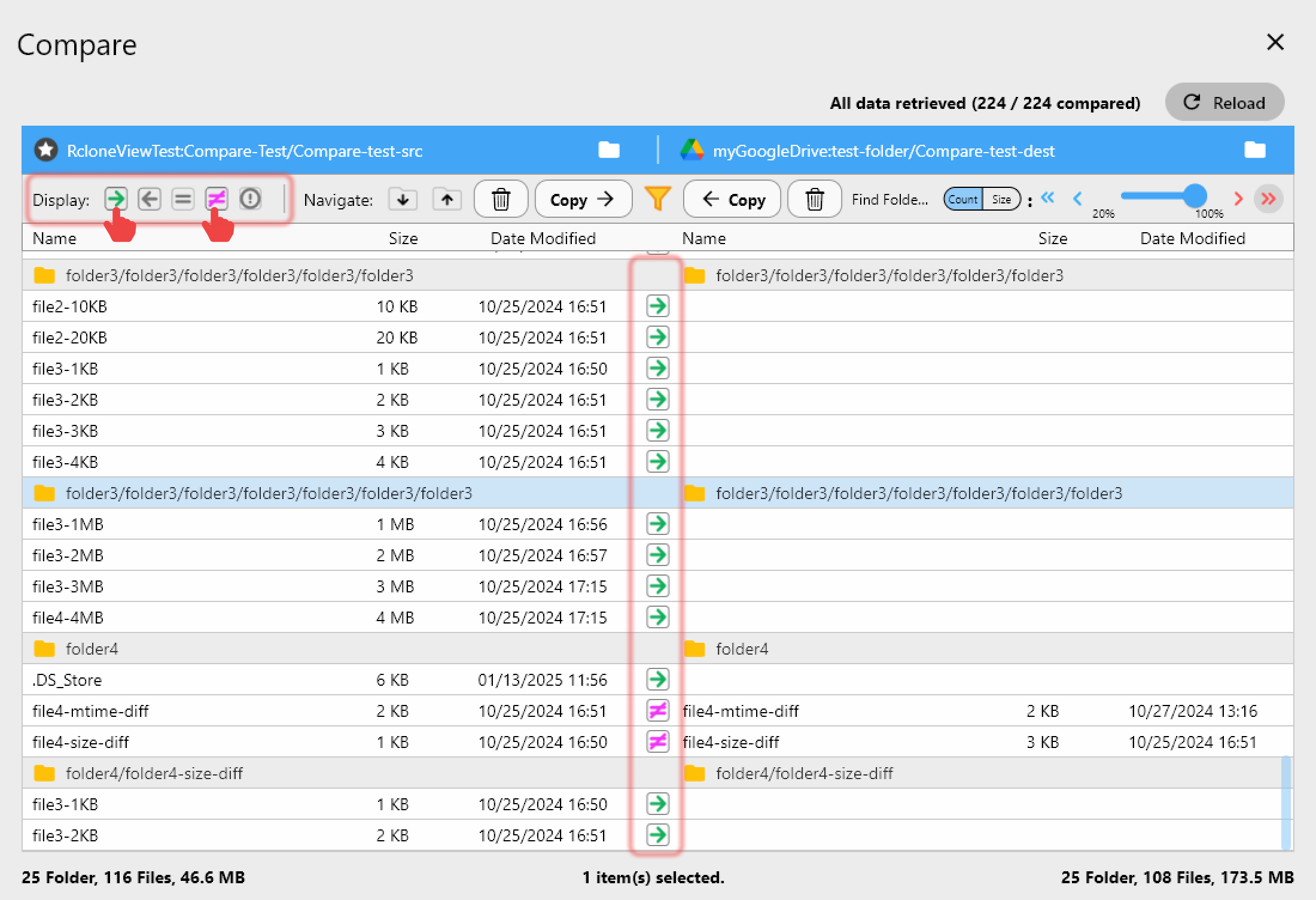
Small businesses often overpay for cloud storage by keeping everything on premium platforms (Google Drive, Dropbox) even when older files don't need to be immediately accessible. RcloneView makes storage tiering practical: move files older than 90 days from Dropbox to a cost-effective S3 or Backblaze B2 archive using a filter-based Copy job.
Use the Max file age filter in the job wizard to automatically capture and move only files meeting the age criteria. The Folder Compare feature lets you verify the archived files match the originals before deleting them from the premium storage tier.
Getting Started
- Download RcloneView from rcloneview.com.
- Add all your cloud accounts as remotes (Google Drive, Dropbox, S3, etc.).
- Create a scheduled backup job from your primary storage to an archive destination.
- Use filter rules and Folder Compare to implement a cost-effective storage tiering strategy.
RcloneView gives small businesses enterprise-grade cloud storage management without the enterprise complexity or cost.
Related Guides:
- Cloud Storage for Freelancers and Independent Contractors
- Multi-Cloud Backup Strategy with RcloneView
- Reduce Multi-Cloud Costs and Ghost Files with RcloneView
Supported Cloud Providers