Manage Petabox Storage — Sync and Backup Files with RcloneView

Browse, sync, and back up Petabox buckets alongside every other cloud you use — from one desktop window.
Petabox is an S3-compatible object storage service, which means RcloneView can connect to it the same way it connects to Amazon S3, Wasabi, or any other S3-protocol provider: with an Access Key ID, a Secret Access Key, and an endpoint. Once connected, Petabox buckets show up as a regular remote in the file explorer, ready to browse, transfer, and schedule like any local folder.
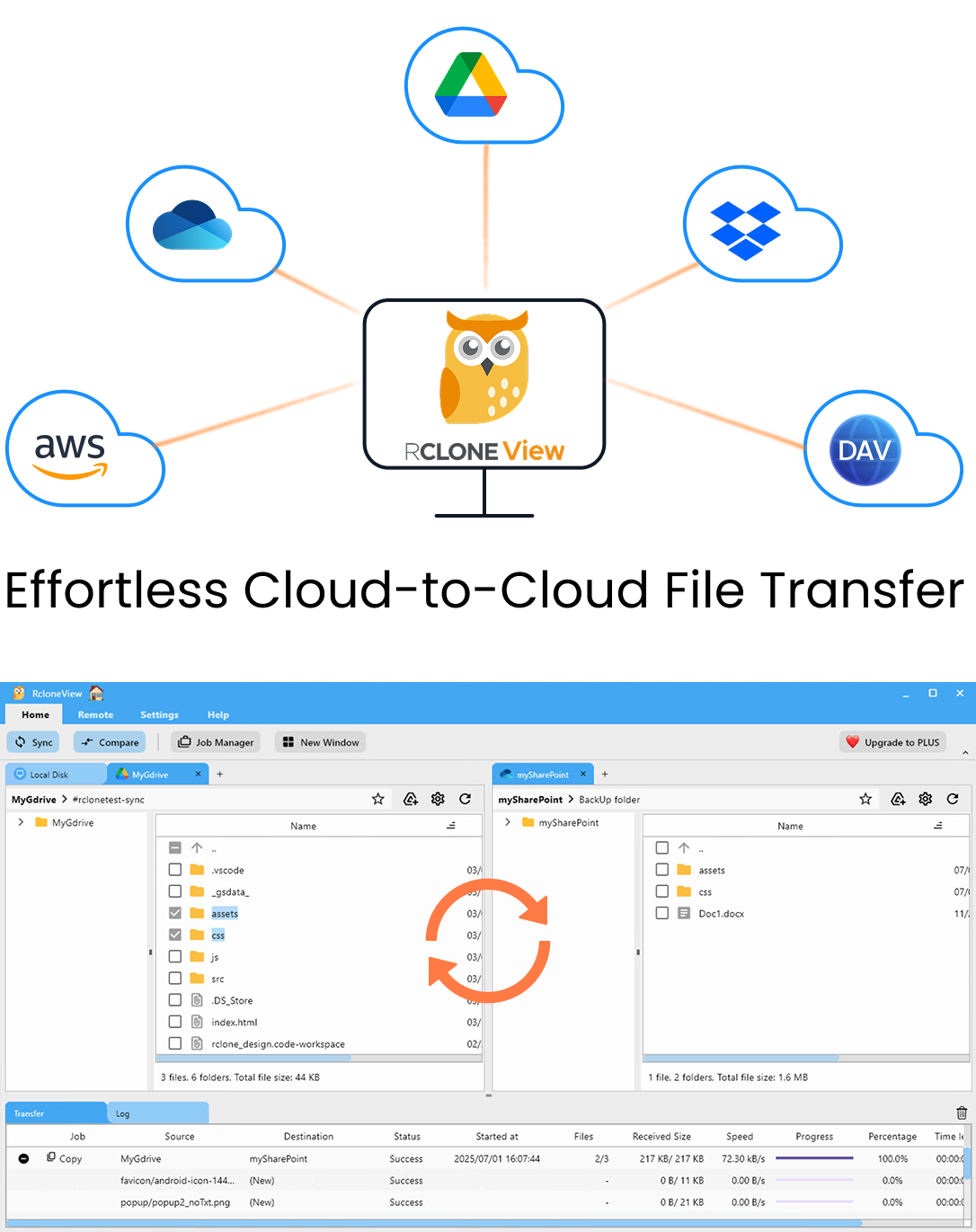
Manage & Sync All Clouds in One Place
RcloneView is a cross-platform GUI for rclone. Compare folders, transfer or sync files, and automate multi-cloud workflows with a clean, visual interface.
- One-click jobs: Copy · Sync · Compare
- Schedulers & history for reliable automation
- Works with Google Drive, OneDrive, Dropbox, S3, WebDAV, SFTP and more
Free core features. Plus automations available.
Connecting Petabox as a New Remote
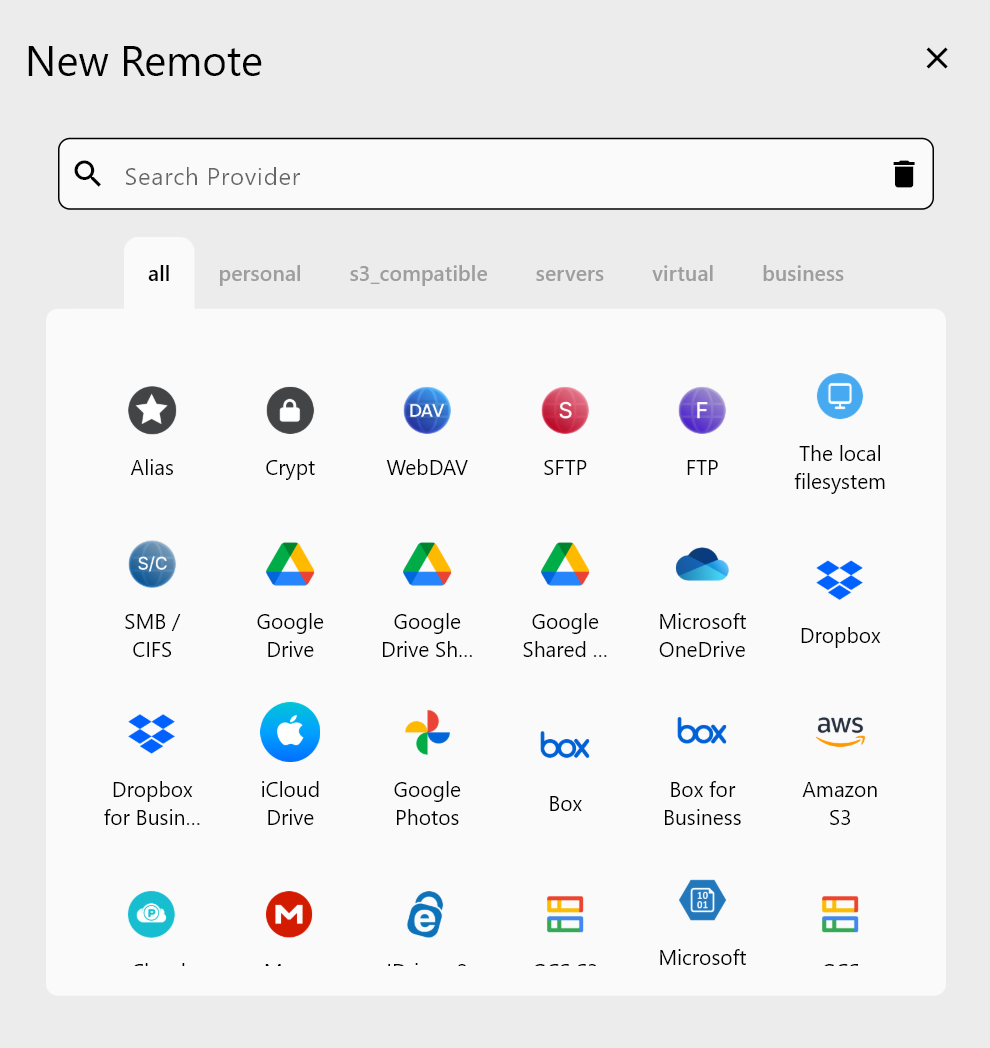
Open Remote Manager from the Remote tab and choose New Remote. Since Petabox is accessed through rclone's S3 protocol, select the S3-compatible option and enter your Access Key ID, Secret Access Key, and the Petabox endpoint URL provided by your account. There's no OAuth browser flow to complete — the credentials alone authenticate the connection, and the remote appears in your tab bar as soon as the test connection succeeds.
Unlike mount-only tools, RcloneView also syncs and compares folders on the FREE license — Petabox buckets get the same sync, compare, and job-history features as every other supported provider, no upgrade required to get started.
Browsing, Transferring, and Syncing Buckets
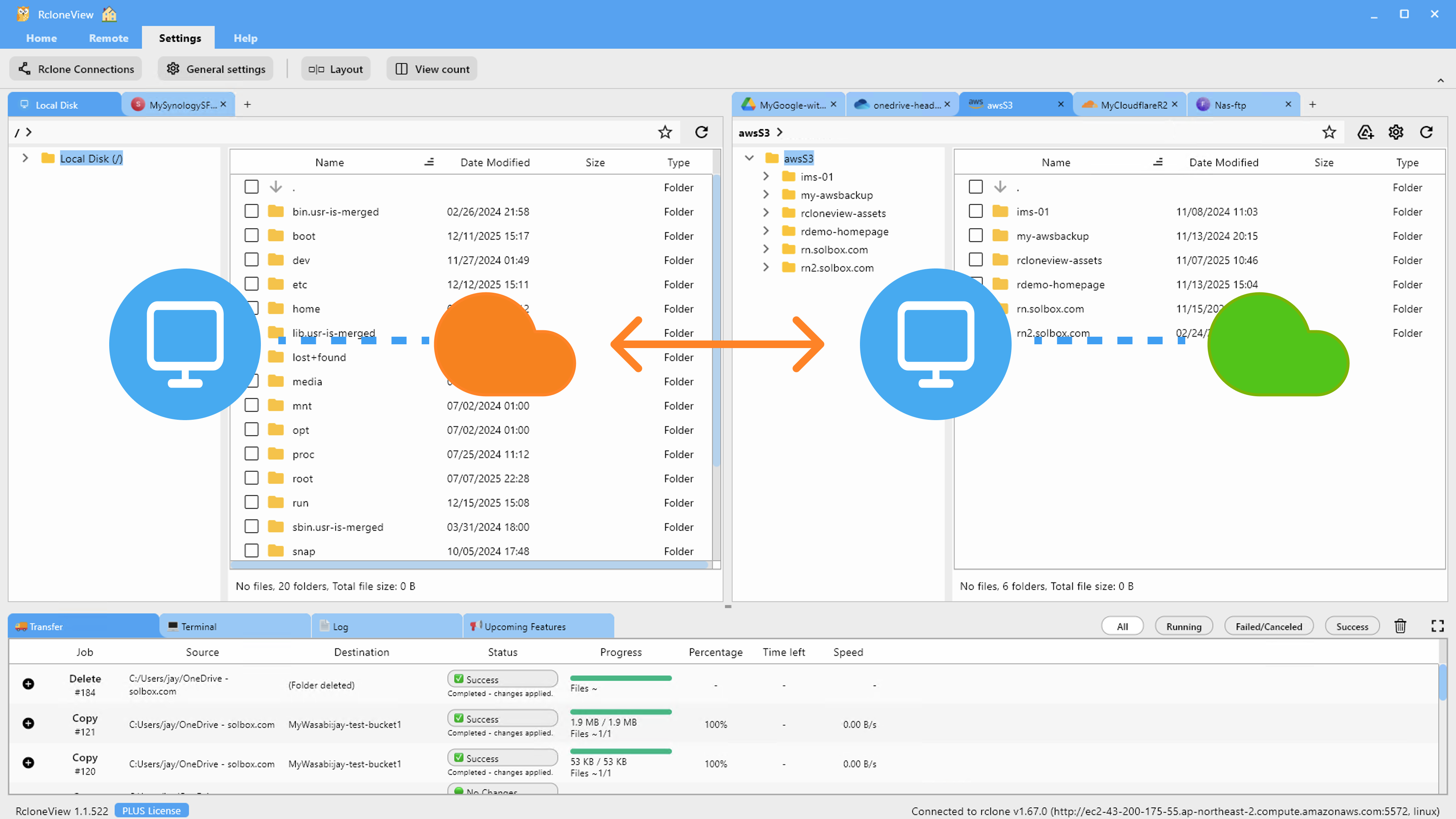
With Petabox added, split your explorer into two panels — one showing local folders or another cloud, the other showing your Petabox bucket — and drag files between them. Moving files within the same remote performs a move; dragging between different remotes performs a copy, so you can stage a Petabox backup without touching the source files.
For recurring transfers, use the 4-step Sync wizard: pick source and destination, set concurrent transfer counts and equality checkers under Advanced Settings, then apply filters for file type, size, or age before saving the job. Run a Dry Run first to preview exactly what will copy or delete before committing to a live transfer.
Scheduling Backups and Monitoring Jobs
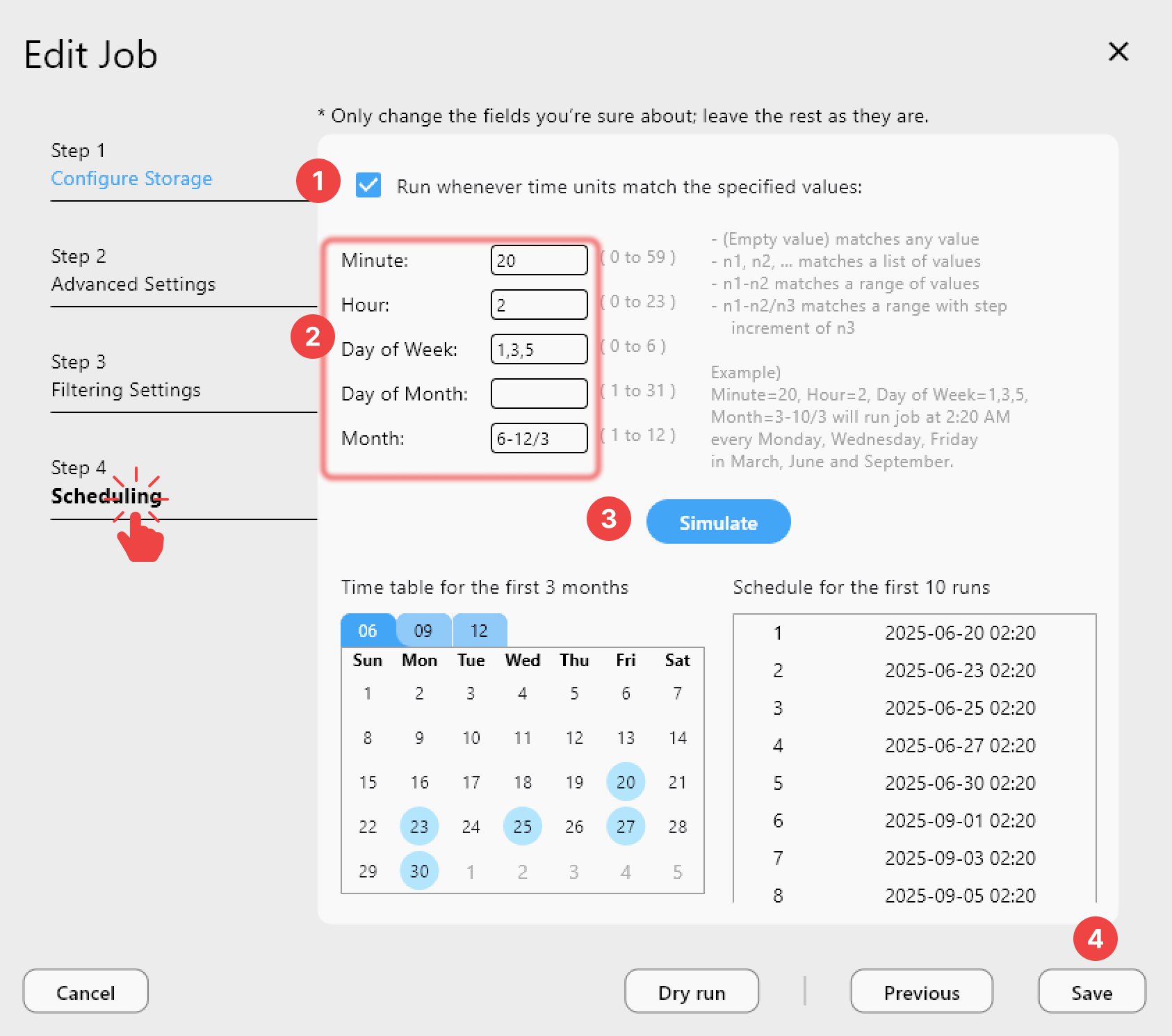
Once a sync job is saved in Job Manager, PLUS-license users can attach a crontab-style schedule so Petabox backups run automatically on their own cadence, with a preview of upcoming execution times before you save.
Every run — scheduled or manual — is logged in Job History with status, transfer speed, file count, and total size, so you can confirm a Petabox backup completed cleanly or spot a failed run to retry.
Getting Started
- Download RcloneView from rcloneview.com.
- Generate an Access Key ID and Secret Access Key from your Petabox account and note the endpoint URL.
- Add Petabox as a new S3-compatible remote in Remote Manager and test the connection.
- Run a Dry Run sync before scheduling recurring backups to your Petabox bucket.
With Petabox connected, your object storage sits right next to every other cloud you manage — no separate client, no switching windows.
Related Guides:
- Manage Storj Storage — Sync and Backup Files with RcloneView
- Manage IDrive E2 Storage — Sync and Backup Files with RcloneView
- Manage Wasabi Storage — Sync and Backup Files with RcloneView
Supported Cloud Providers