Run RcloneView on Fedora and RHEL — Enterprise Linux Cloud Sync
RcloneView on Fedora and RHEL gives enterprise teams reliable, policy-compliant cloud storage management on their preferred Linux platform.
Many organizations run Fedora, RHEL, CentOS, or Rocky Linux as their standard workstation or server OS. Installing RcloneView on these Red Hat-based systems is straightforward—and opens up cloud sync capabilities aligned with enterprise requirements.
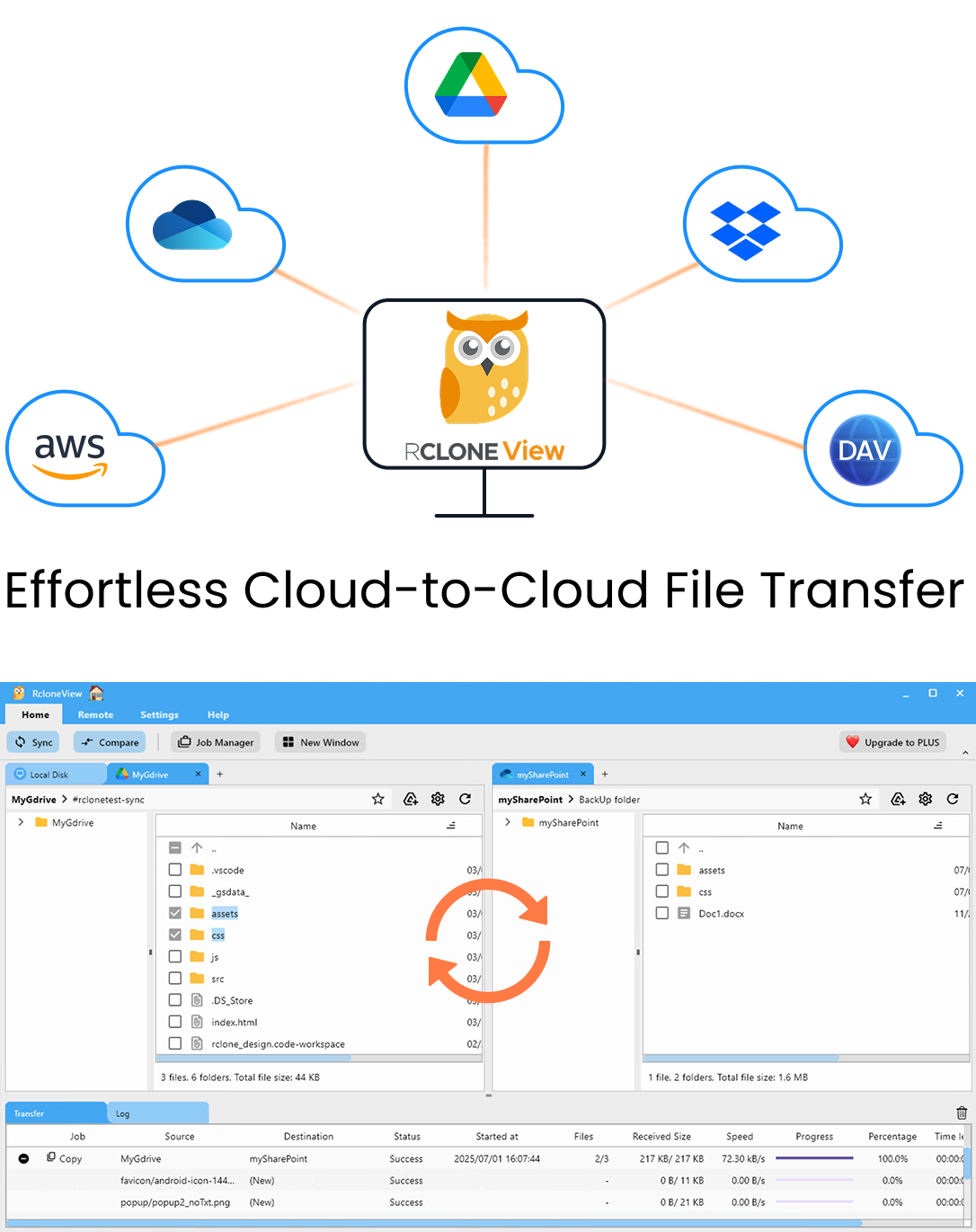
Manage & Sync All Clouds in One Place
RcloneView is a cross-platform GUI for rclone. Compare folders, transfer or sync files, and automate multi-cloud workflows with a clean, visual interface.
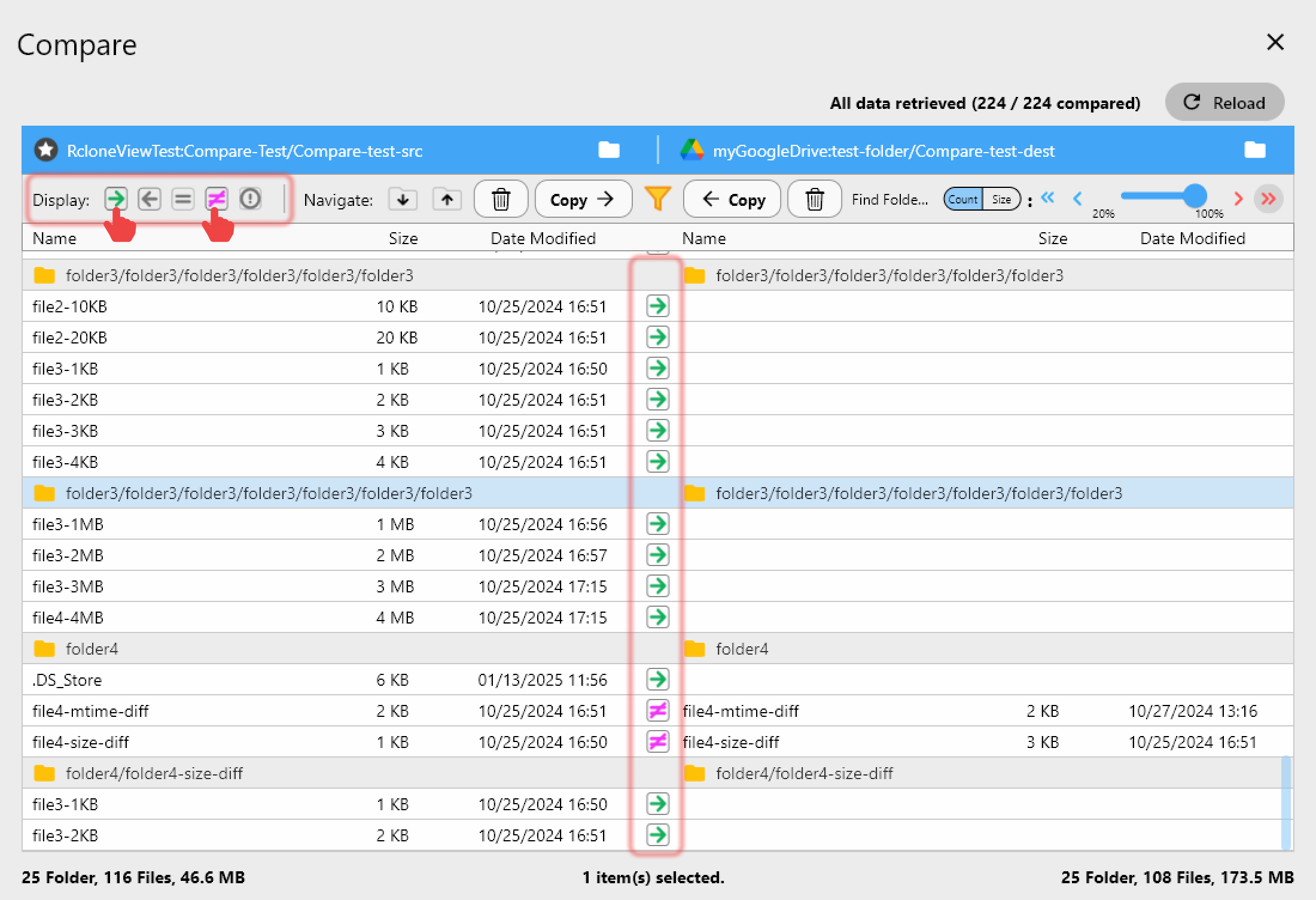
- One-click jobs: Copy · Sync · Compare
- Schedulers & history for reliable automation
- Works with Google Drive, OneDrive, Dropbox, S3, WebDAV, SFTP and more
Free core features. Plus automations available.
System Requirements
RcloneView on Fedora/RHEL requires:
- OS: Fedora 38+, RHEL 8/9, CentOS Stream, Rocky Linux 8/9
- Architecture: x86_64 or ARM64
- RAM: 512 MB minimum (2 GB+ for large transfers)
- Disk: 200 MB for RcloneView installation
- Network: Standard internet connection
Installing RcloneView
Option 1: DNF Package Installation
Add the RcloneView repository and install via DNF:
sudo dnf install -y rcloneview
This installs RcloneView and all dependencies automatically. Updates flow through your system's standard package management.
Option 2: Manual Download
Download the latest RPM from rcloneview.com, then install:
sudo dnf install ./rcloneview-*.rpm
Or use traditional rpm:
sudo rpm -ivh rcloneview-*.rpm
Configuring Cloud Remotes
Launch RcloneView from the application menu or terminal:
rcloneview
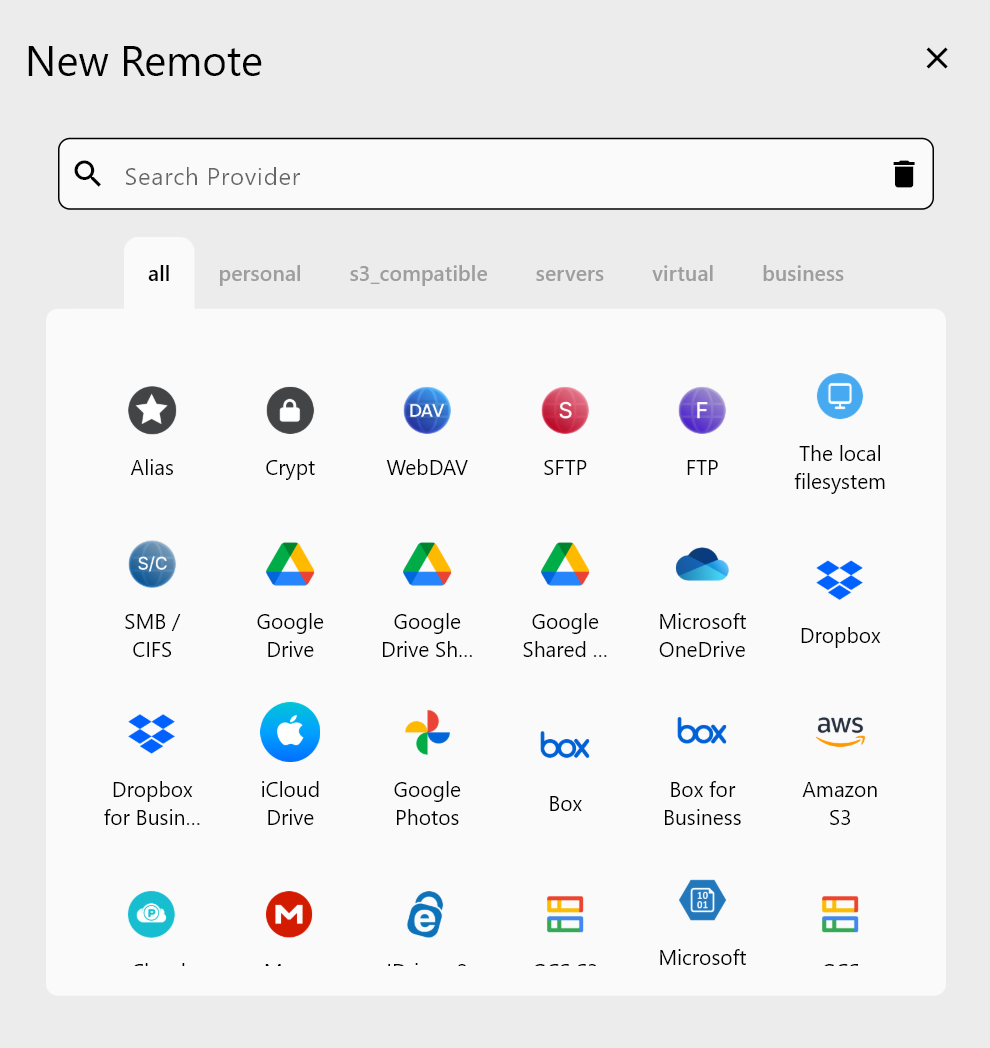
Add your cloud providers:
- Click New Remote
- Choose provider (Google Drive, AWS S3, Dropbox, OneDrive, etc.)
- Authenticate using OAuth or API credentials
- Name and save the remote
Enterprise users often configure multiple remotes for compliance—one for active data, another for archives.
Setting Up Sync Jobs on Linux
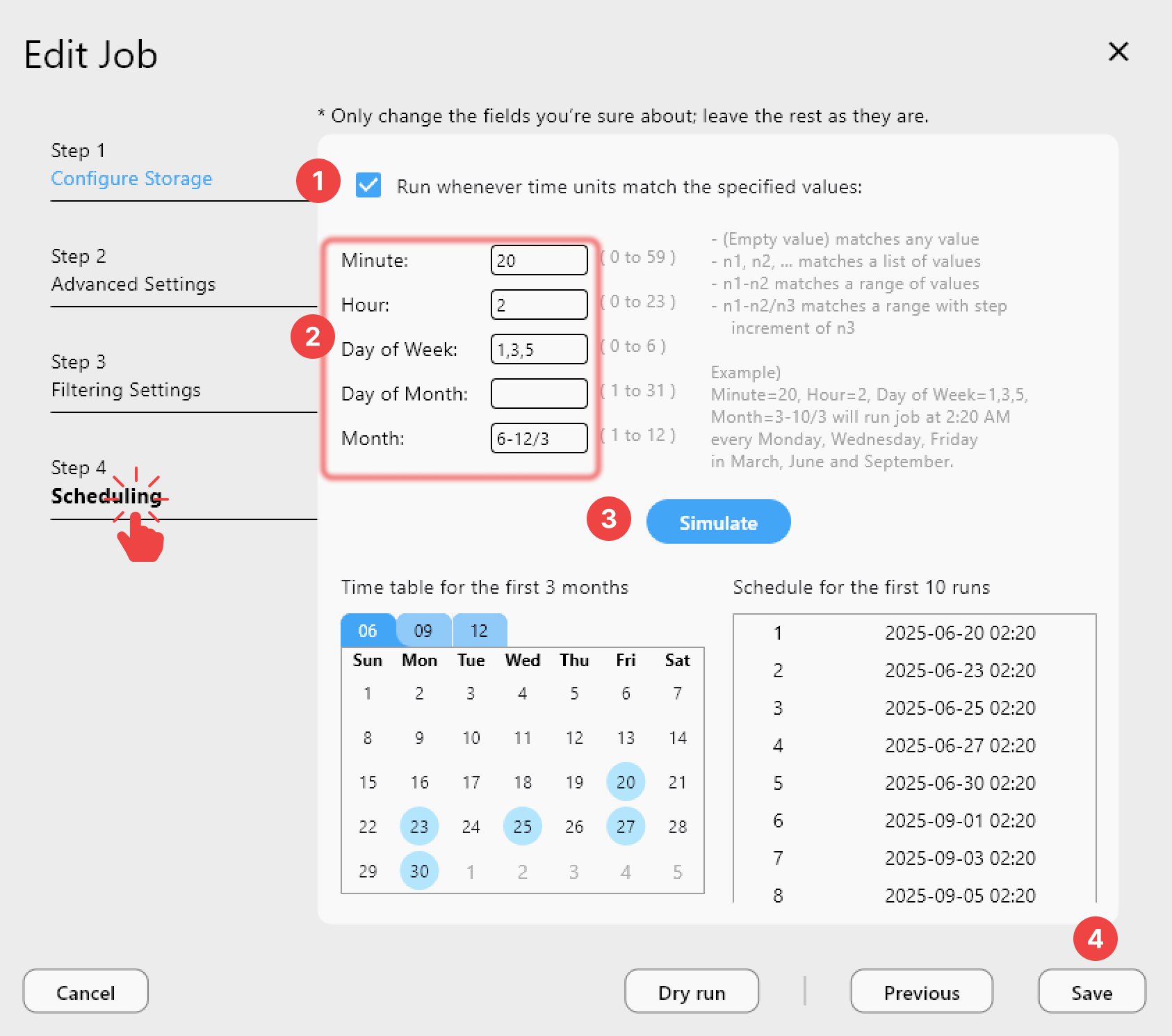
Create scheduled cloud sync jobs in RcloneView:
# Example: Sync /home/user/documents to AWS S3 daily at 2 AM
rcloneview job create \
  --name "DailyS3Backup" \
  --source /home/user/documents \
  --remote s3-backup \
  --schedule "0 2 * * *"
Or use the RcloneView GUI scheduler for easier configuration.
Systemd Integration
Run RcloneView as a system service on server installations:
sudo systemctl enable rcloneview
sudo systemctl start rcloneview
This ensures sync jobs continue even if no user is logged in—ideal for unattended servers.
RHEL/CentOS-Specific Notes
- RHEL 8: May require enabling EPEL (Extra Packages for Enterprise Linux)
- SELinux: RcloneView is SELinux-compatible; policies auto-apply on supported distributions
- Firewall: Outbound HTTPS (port 443) must be open for cloud provider communication
Getting Started
- Download RcloneView from rcloneview.com.
- Install via DNF or manual RPM installation on your Fedora/RHEL system.
- Open RcloneView and authenticate with your cloud providers.
- Create your first sync job (local folder to AWS S3 or Google Drive).
- Schedule runs via the job scheduler—RcloneView handles the rest.
Red Hat-based Linux users get the same RcloneView power as everyone else—now with deep integration into their preferred OS ecosystem.
Related Guides:
- RcloneView on ARM Linux — Cloud Sync for Raspberry Pi and Edge Devices
- RcloneView on FreeBSD — Cloud Sync Beyond Linux
- Run RcloneView in Docker Container — Containerized Cloud Sync
Supported Cloud Providers