Run RcloneView on ARM Linux — Cloud Sync on Raspberry Pi, Orange Pi, and ARM Servers
ARM devices are everywhere — Raspberry Pis running home servers, Orange Pis as media boxes, ARM instances in the cloud. RcloneView runs on ARM Linux, bringing full cloud storage management to low-power hardware.
ARM processors power everything from single-board computers to cloud server instances. Whether you're running a Raspberry Pi as a home backup server, an Orange Pi as a NAS gateway, or an ARM-based VPS for cloud automation, RcloneView brings its full cloud management interface to ARM Linux. Manage 70+ cloud providers from hardware that sips electricity.
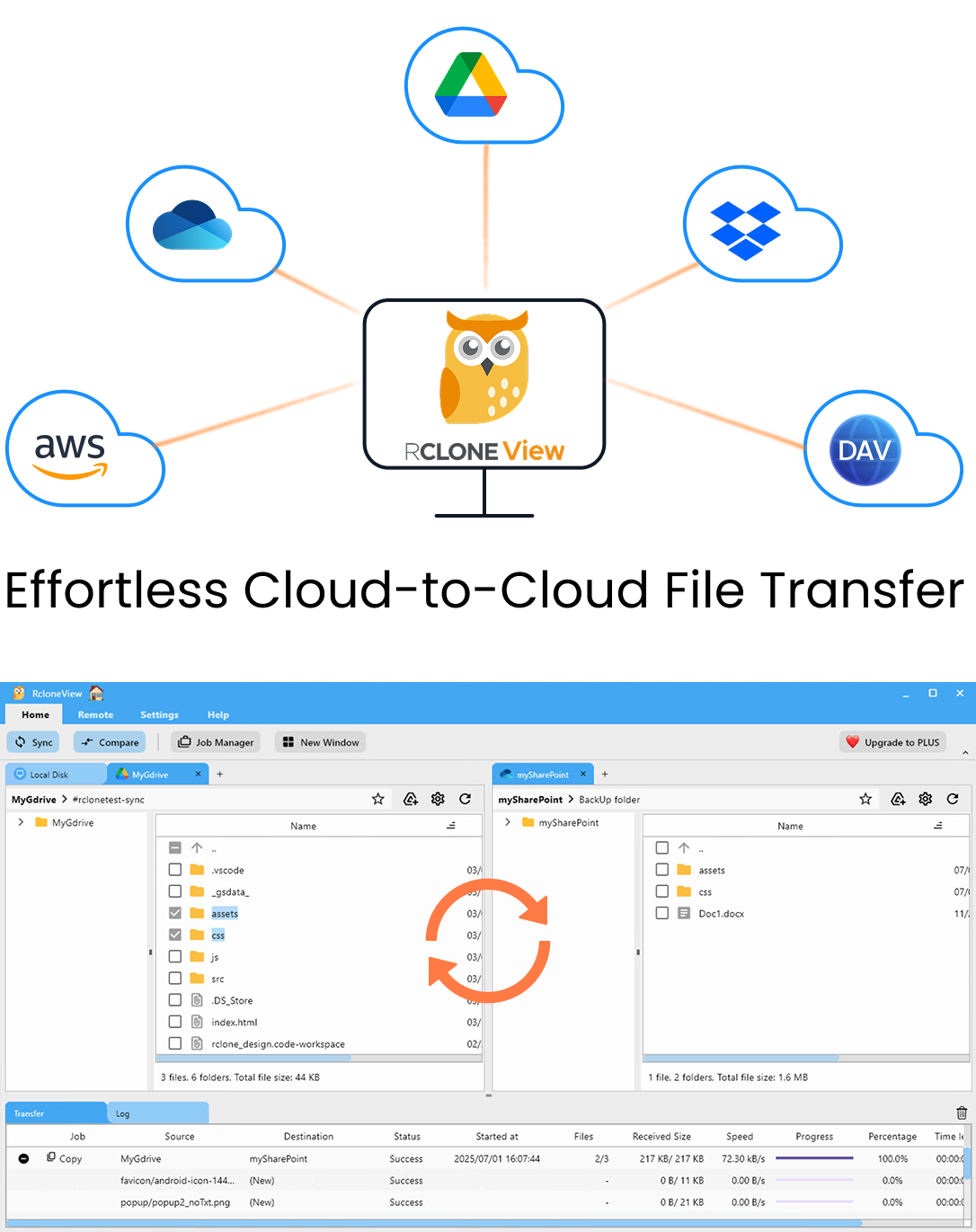
Manage & Sync All Clouds in One Place
RcloneView is a cross-platform GUI for rclone. Compare folders, transfer or sync files, and automate multi-cloud workflows with a clean, visual interface.
- One-click jobs: Copy · Sync · Compare
- Schedulers & history for reliable automation
- Works with Google Drive, OneDrive, Dropbox, S3, WebDAV, SFTP and more
Free core features. Plus automations available.
Supported ARM Platforms
RcloneView supports ARM Linux through rclone's native ARM builds:
| Platform | Architecture | Example Devices |
|---|---|---|
| ARM64 (aarch64) | 64-bit | Raspberry Pi 4/5 (64-bit OS), Orange Pi 5, ARM cloud VPS |
| ARMv7 (armhf) | 32-bit | Raspberry Pi 3/4 (32-bit OS), Older Orange Pi |
| ARMv6 | 32-bit | Raspberry Pi Zero, Pi 1 |
Installation on ARM Linux
Download and install
Download the appropriate ARM build from the RcloneView website. For a Raspberry Pi 4 running 64-bit Raspberry Pi OS:
Verify installation
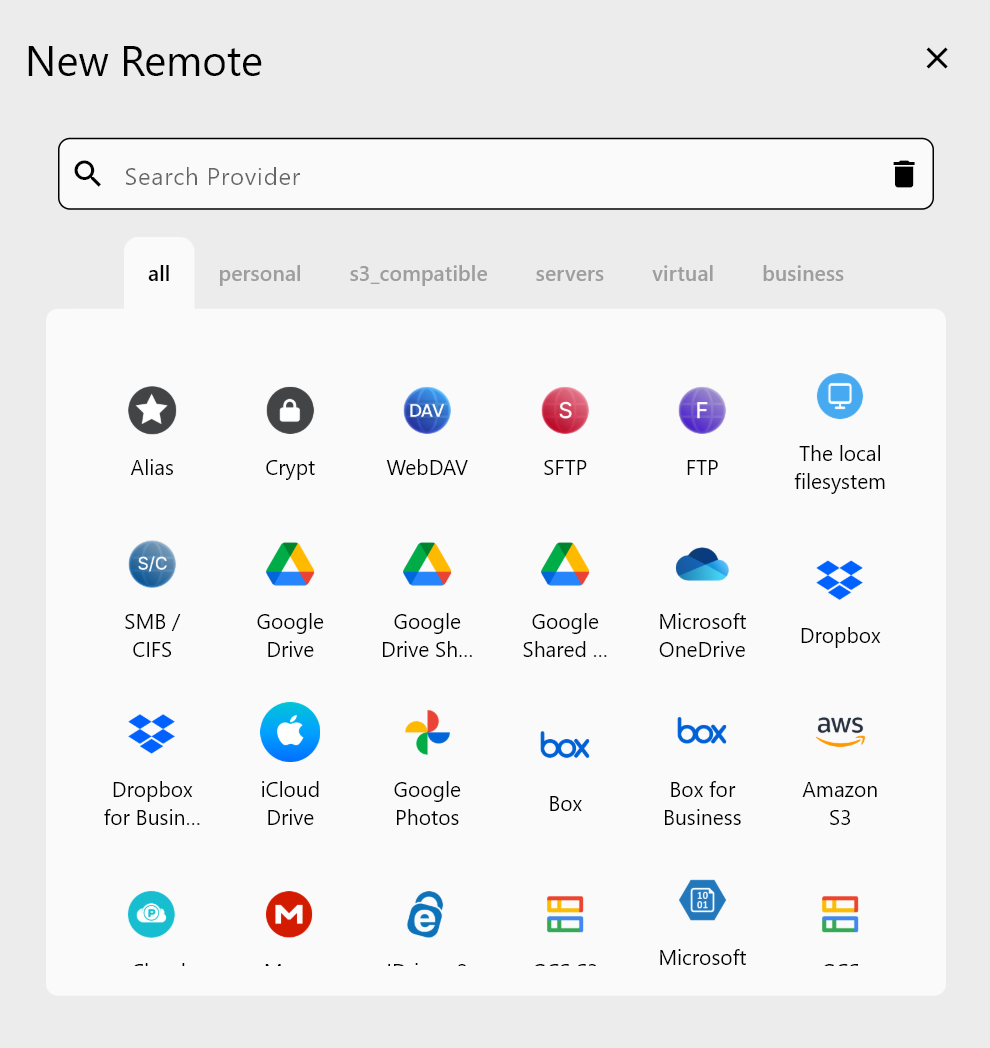
Launch RcloneView and add your first cloud remote. The interface is identical to x86 — all features work on ARM.
Use Cases for ARM Cloud Sync
1) Raspberry Pi as a backup gateway
Turn a Raspberry Pi into an always-on backup gateway that syncs your NAS to cloud storage:
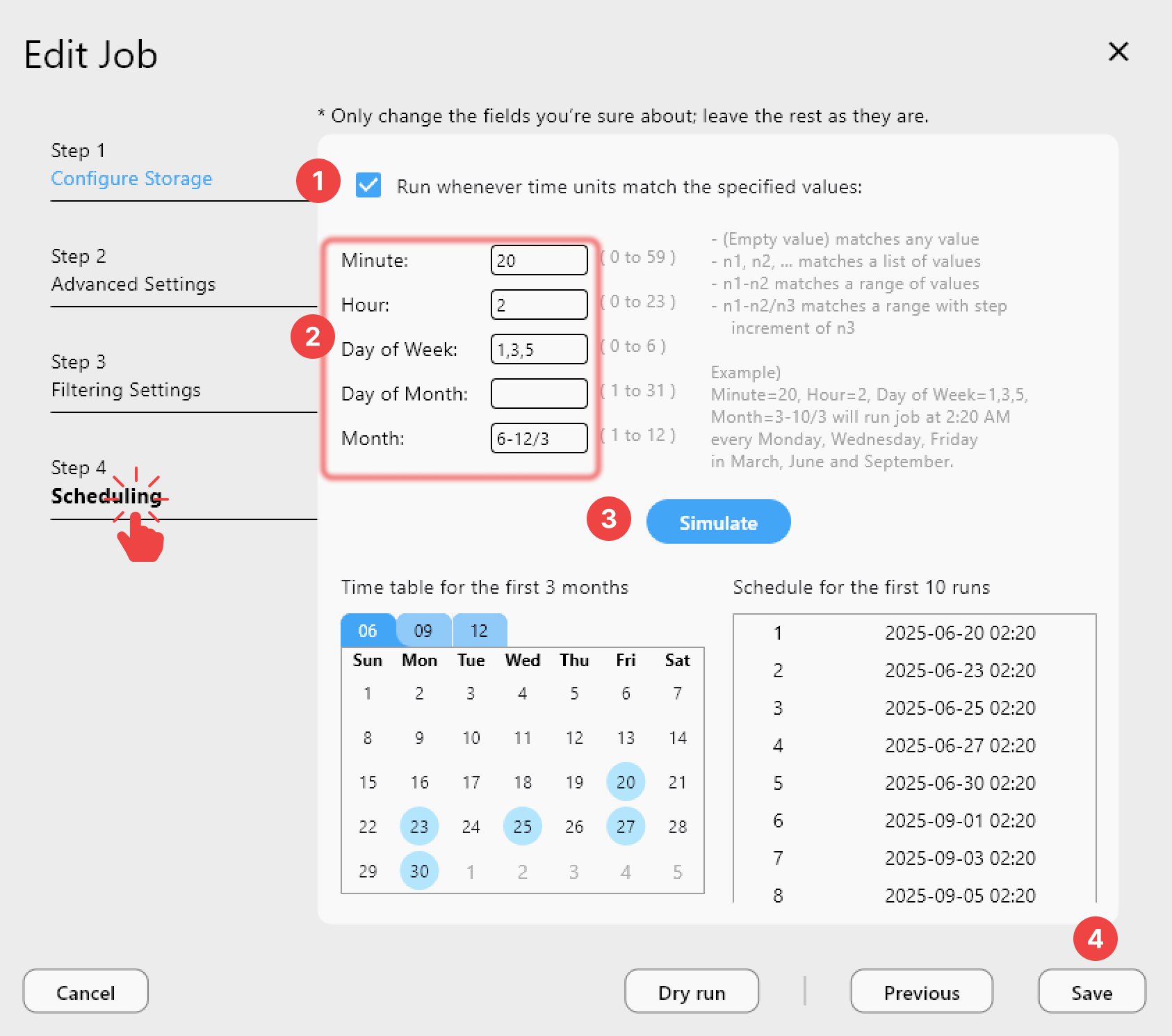
Schedule nightly syncs from your local network storage to S3, Backblaze B2, or Google Drive — all running on a device that draws under 5 watts.
2) Orange Pi media server with cloud backup
Use an Orange Pi as a media server with automatic cloud backup. Local storage for fast access, cloud storage for protection against hardware failure.
3) ARM VPS for cloud-to-cloud automation
ARM-based cloud instances (AWS Graviton, Oracle Cloud Ampere) are cheaper than x86. Run RcloneView on an ARM VPS for scheduled cloud-to-cloud transfers without tying up your desktop.
4) Edge device data collection
ARM devices deployed in the field (weather stations, IoT gateways, remote offices) can use RcloneView to sync collected data to cloud storage automatically.
Performance on ARM
ARM devices handle cloud sync well because the bottleneck is usually network speed, not CPU. A Raspberry Pi 4 can easily saturate a 100 Mbps connection during transfers.
Tips for optimizing ARM performance:
- Use fewer concurrent transfers — ARM CPUs have limited cores; 2-4 concurrent transfers is often optimal.
- Schedule during off-peak hours — avoid competing with other services running on the same device.
- Monitor with job history — track transfer speeds and adjust settings.
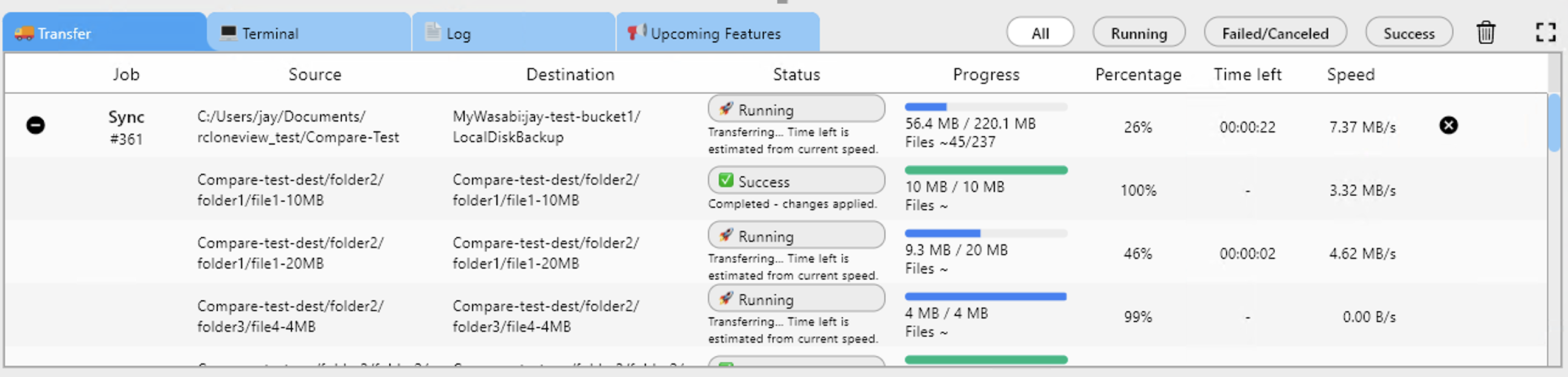
Headless Operation
For ARM devices without a display, run RcloneView's backend and access it remotely. This is ideal for Raspberry Pis tucked behind a NAS or mounted in a server rack.
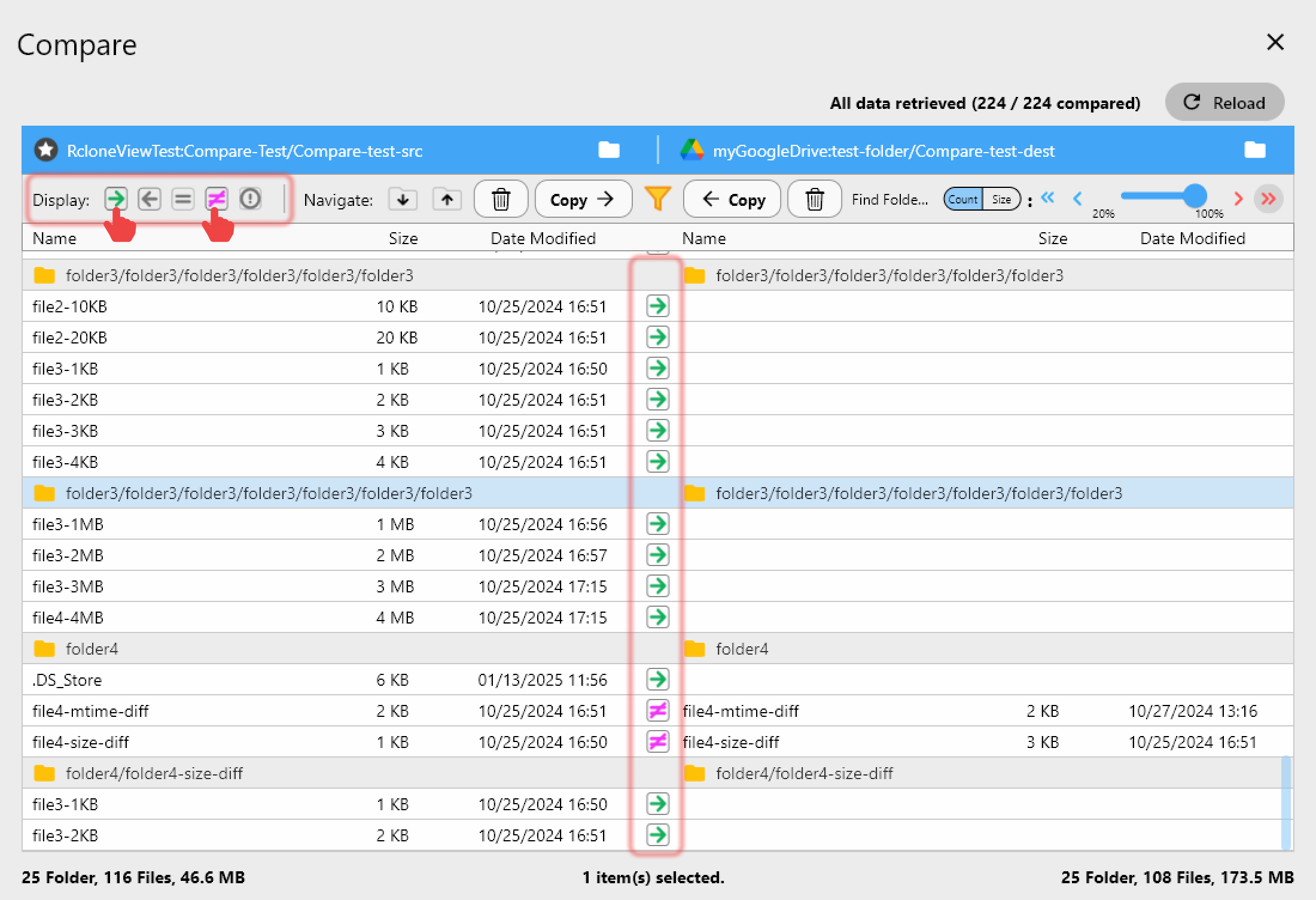
Verify Your Syncs
Even on low-power hardware, Folder Comparison works to verify that cloud backups match local files:
Getting Started
- Download RcloneView for ARM Linux from rcloneview.com.
- Add your cloud accounts — same setup as any other platform.
- Create sync jobs for automated backup.
- Schedule and forget — let your ARM device handle cloud sync 24/7.
Big cloud management on small hardware.
Related Guides:
Supported Cloud Providers