Cloud Storage for Physical Therapy Clinics — Organized, Encrypted Backups with RcloneView

Keep patient paperwork, exercise videos, and imaging exports backed up across more than one cloud without scripting a single command.
A physical therapy clinic produces more files than most owners expect: scanned intake forms, referral letters, home-exercise videos, gait-analysis recordings, and exported imaging. These often sit on a front-desk PC or a small NAS with one copy and no tested restore. RcloneView gives clinic staff a desktop GUI to copy that data to cloud storage, encrypt it, and verify it arrived.
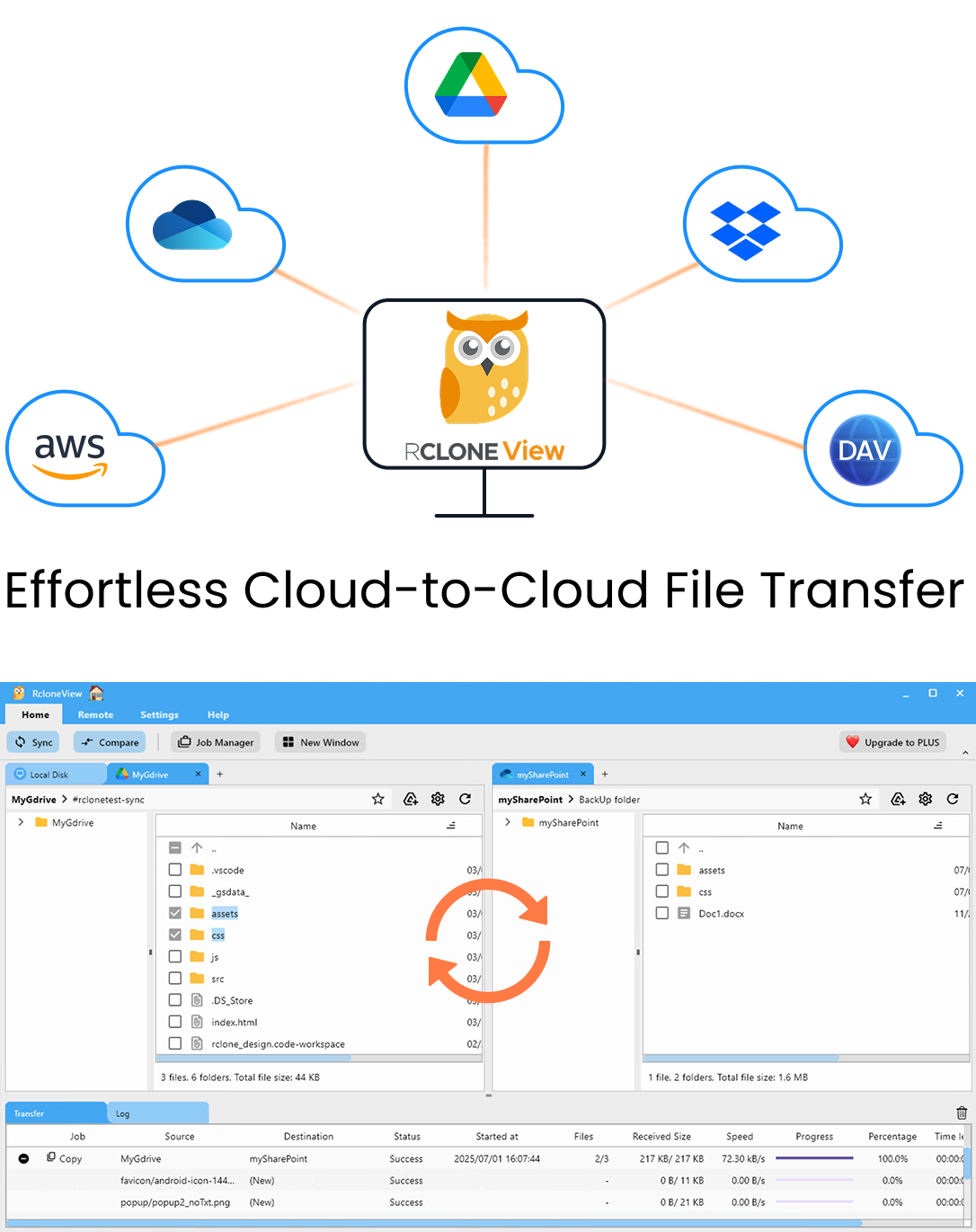
Manage & Sync All Clouds in One Place
RcloneView is a cross-platform GUI for rclone. Compare folders, transfer or sync files, and automate multi-cloud workflows with a clean, visual interface.
- One-click jobs: Copy · Sync · Compare
- Schedulers & history for reliable automation
- Works with Google Drive, OneDrive, Dropbox, S3, WebDAV, SFTP and more
Free core features. Plus automations available.
Connect the Storage Your Clinic Already Uses
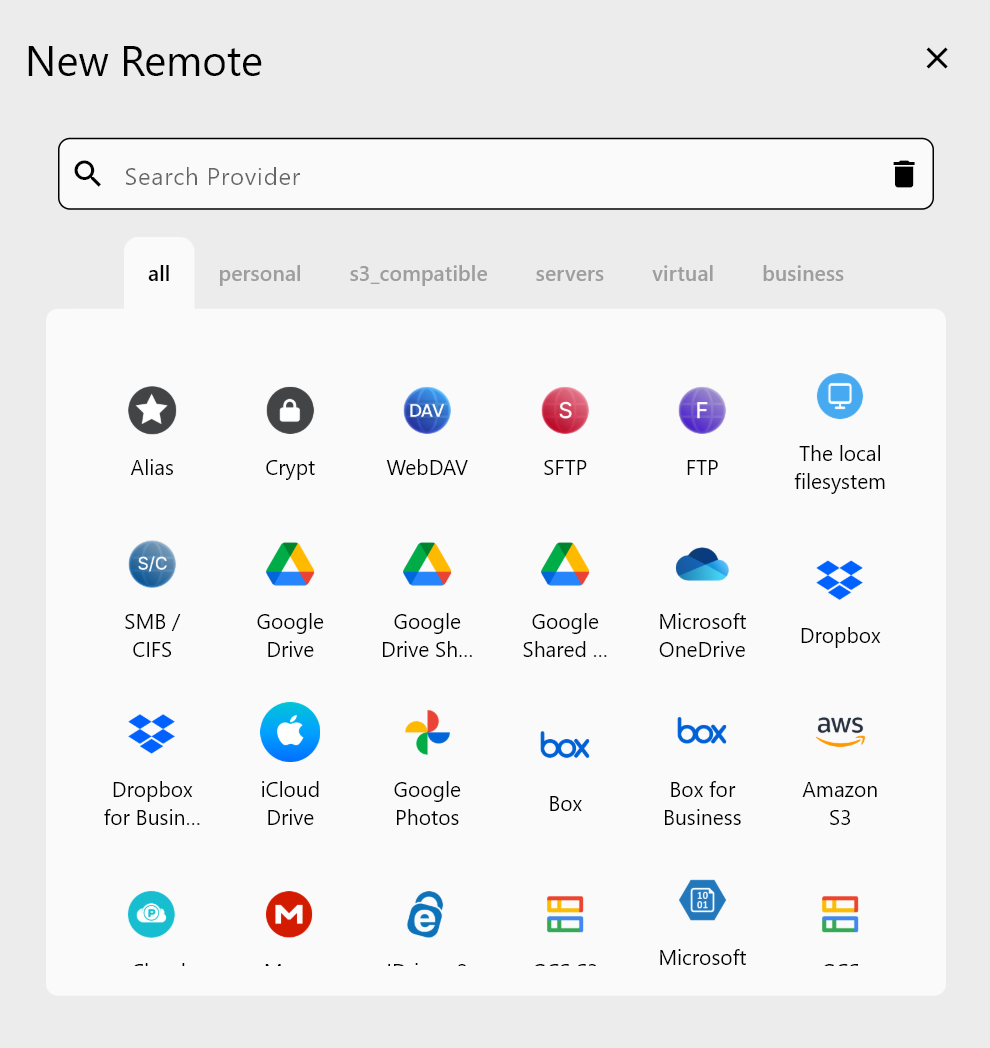
Most clinics already hold a Microsoft 365 or Google Workspace account, and many keep a local NAS. In RcloneView, open the Remote tab and click New Remote. OneDrive and Google Drive sign in through your browser. S3-compatible storage such as Wasabi, Cloudflare R2, or Backblaze B2 uses an access key. SFTP, WebDAV, and SMB cover on-site servers, and a Synology NAS can be auto-detected.
RcloneView manages 90+ cloud services from one window on Windows, macOS, and Linux, so the front-desk Windows PC and the owner's MacBook use the same workflow.
Encrypt Patient-Related Files with a Crypt Remote
Intake forms and treatment notes should not sit in plain form in a third-party bucket. RcloneView can create a Crypt virtual remote that encrypts file names, folder names, and contents before upload. Point the Crypt remote at a folder on your backup provider, then copy files into the Crypt remote instead of the raw bucket.
Store the Crypt password somewhere safe and separate from the data. RcloneView does not make a clinic compliant by itself; check your regional privacy rules and your storage provider's agreements before moving patient information.
Preview, Then Back Up
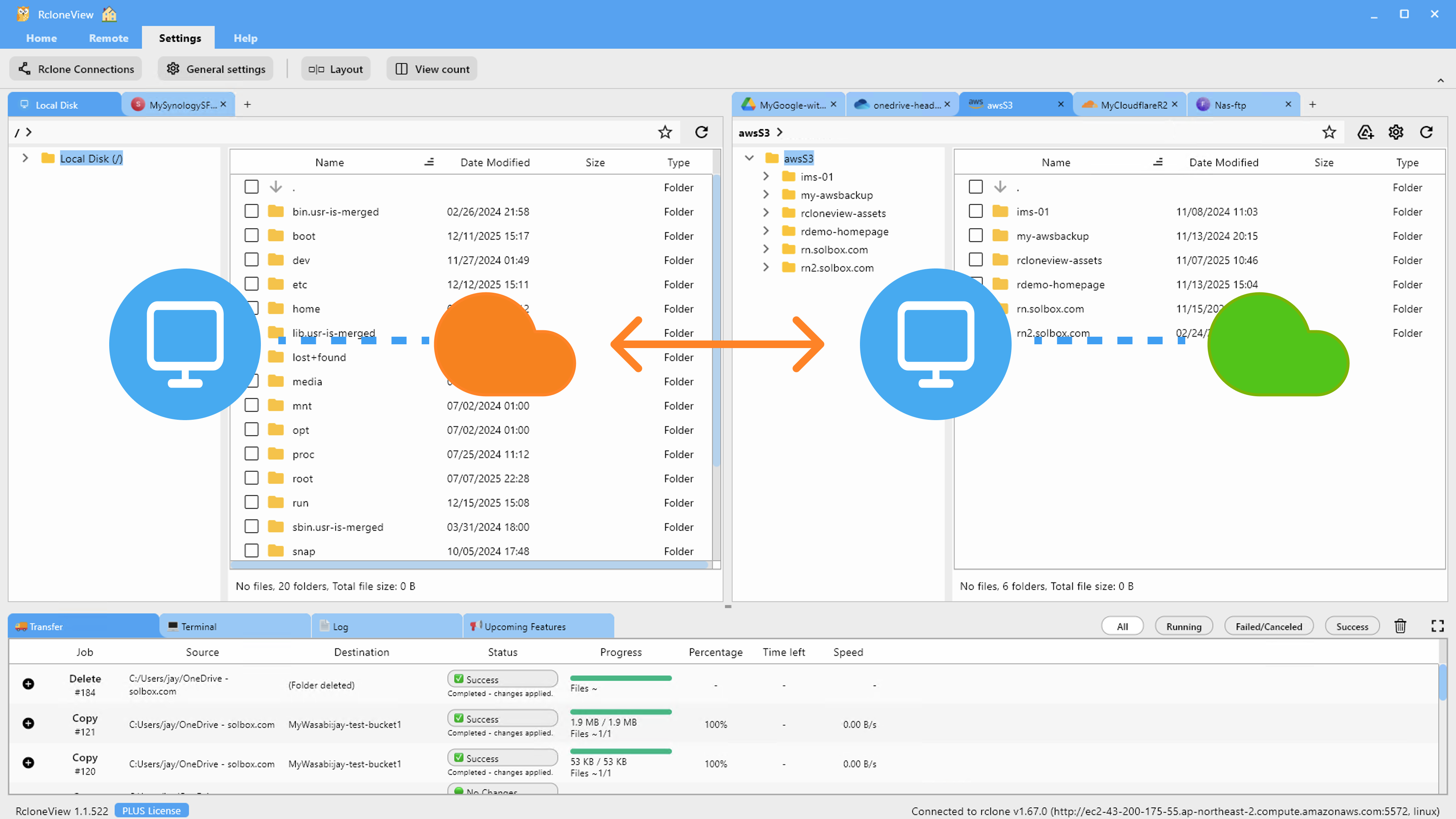
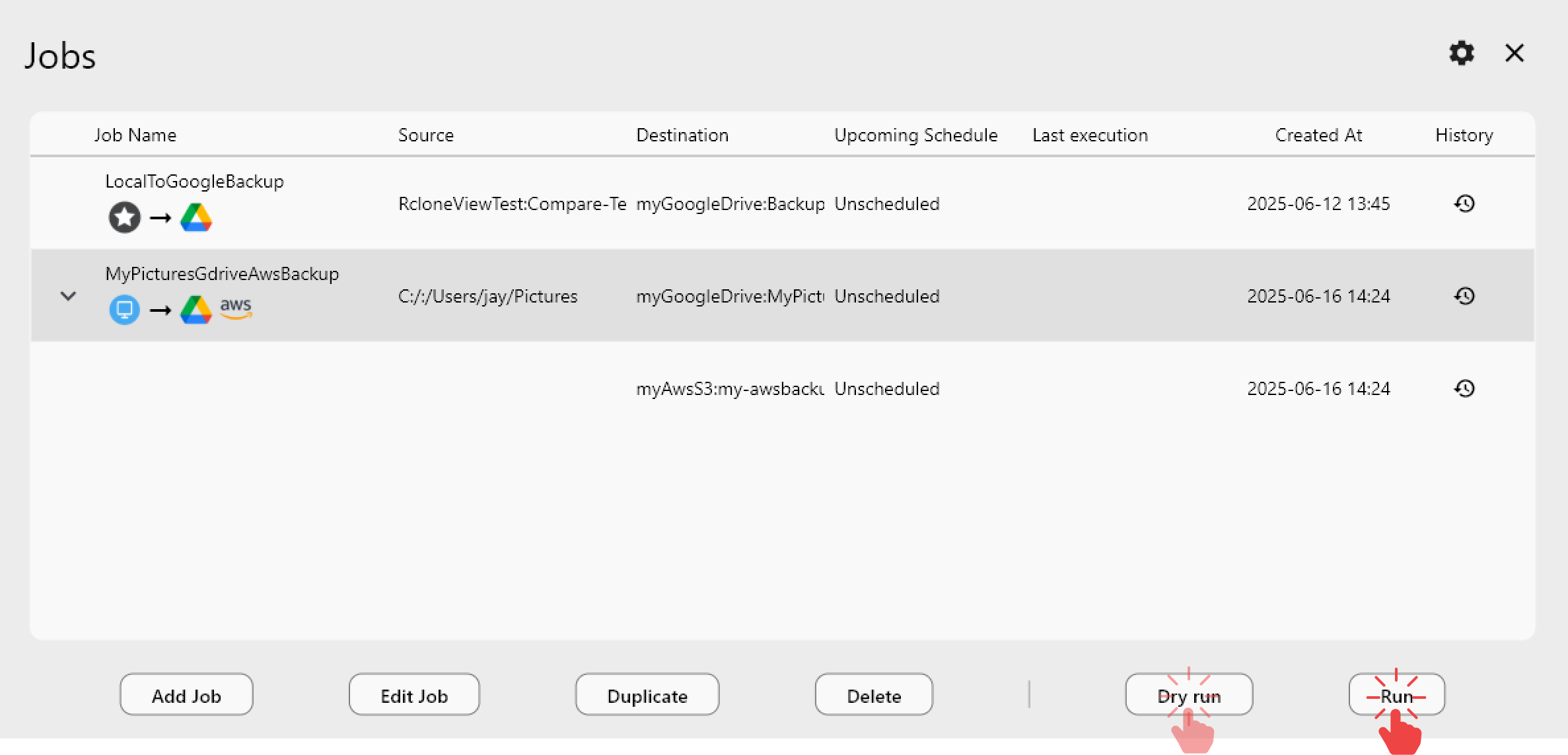
Say a clinic has 300 GB of exercise-demo videos and scanned records on a shared PC. Create a sync job from that folder to the Crypt remote, then run a Dry Run to list what will be copied or deleted. Using copy semantics for the first run keeps the source untouched. Connect S3, Azure, or Backblaze B2 with full read/write on the FREE license, so the backup target costs you no extra software.
Add a second destination in Step 1 and the same source is mirrored to two clouds through 1:N sync, which is also available on FREE.
Schedule Nightly Jobs and Check the History
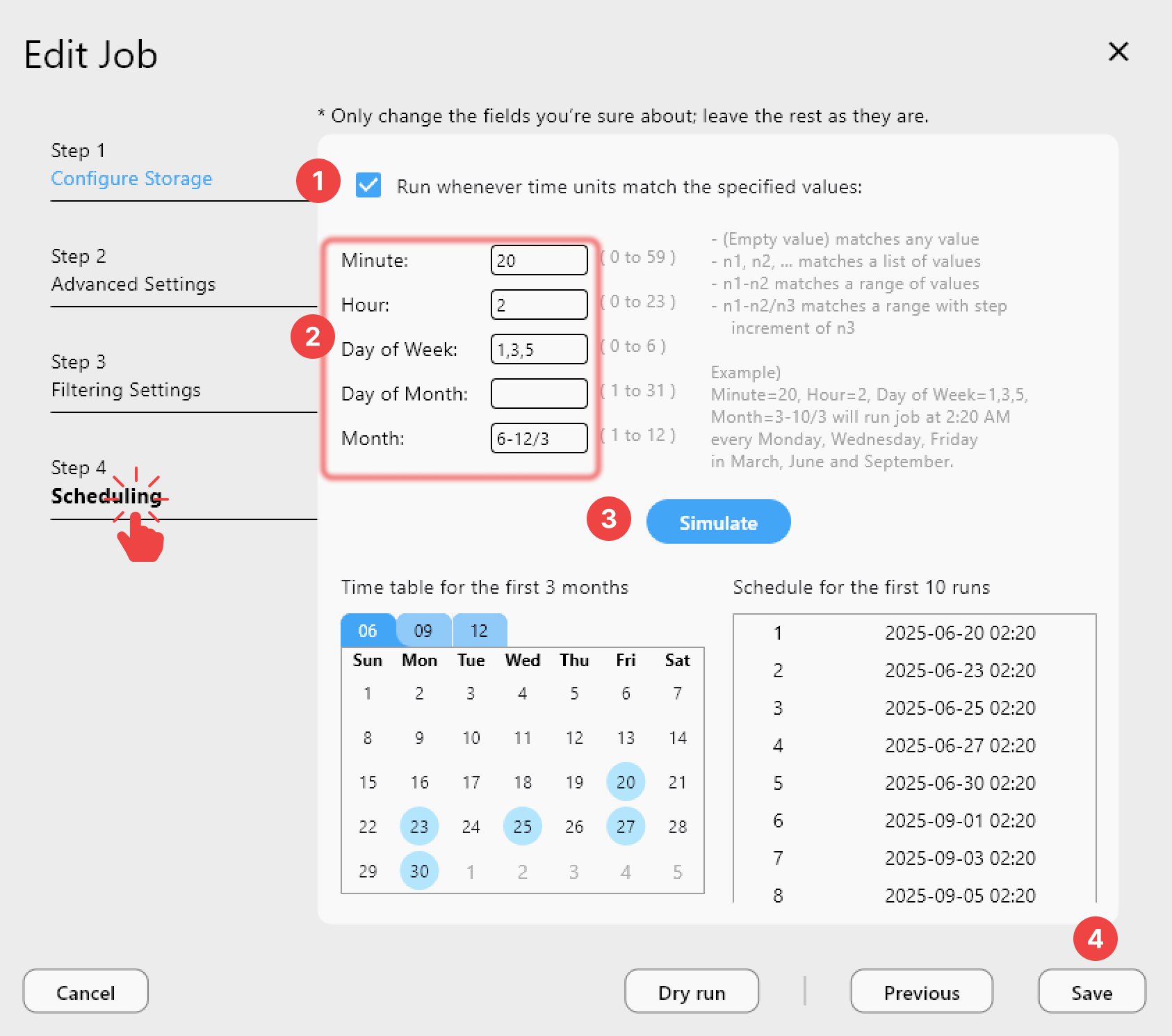
With a PLUS license, Step 4 of the sync wizard accepts crontab-style schedules, such as a run at 22:00 on weekdays after the last appointment. The app has to be running for scheduled jobs to fire, so leave the PC on with RcloneView minimized to the system tray.
Job History records the status, duration, size, and file count of every run, which gives you an audit trail when you need to confirm last Tuesday's backup finished.
Getting Started
- Download RcloneView from rcloneview.com.
- Add your primary storage and a backup destination in the Remote tab.
- Create a Crypt remote on the backup destination for sensitive folders.
- Run a Dry Run, start the job, and review Job History to confirm the result.
A tested, encrypted second copy gives your clinic a recovery option after a failed disk or a ransomware incident.
Related Guides:
- Cloud Storage for Healthcare — Secure Backups with RcloneView
- Cloud Storage for HIPAA Compliance in Healthcare with RcloneView
- Encrypt Cloud Backups with a Crypt Remote — RcloneView Guide
Supported Cloud Providers