Migrate SharePoint Files to AWS S3 for Cross-Platform Access with RcloneView
SharePoint is great for Microsoft-centric teams, but when you need data on AWS or accessible outside the Microsoft ecosystem, getting files out is harder than it should be. RcloneView bridges the gap.
Microsoft SharePoint is deeply integrated with Microsoft 365, making it the default document store for many enterprises. But when your development team runs on AWS, your data science pipeline needs S3 access, or you simply need a cross-platform backup — extracting data from SharePoint becomes a challenge. RcloneView connects to SharePoint document libraries and transfers content to S3 (or any cloud) with a visual, verifiable workflow.
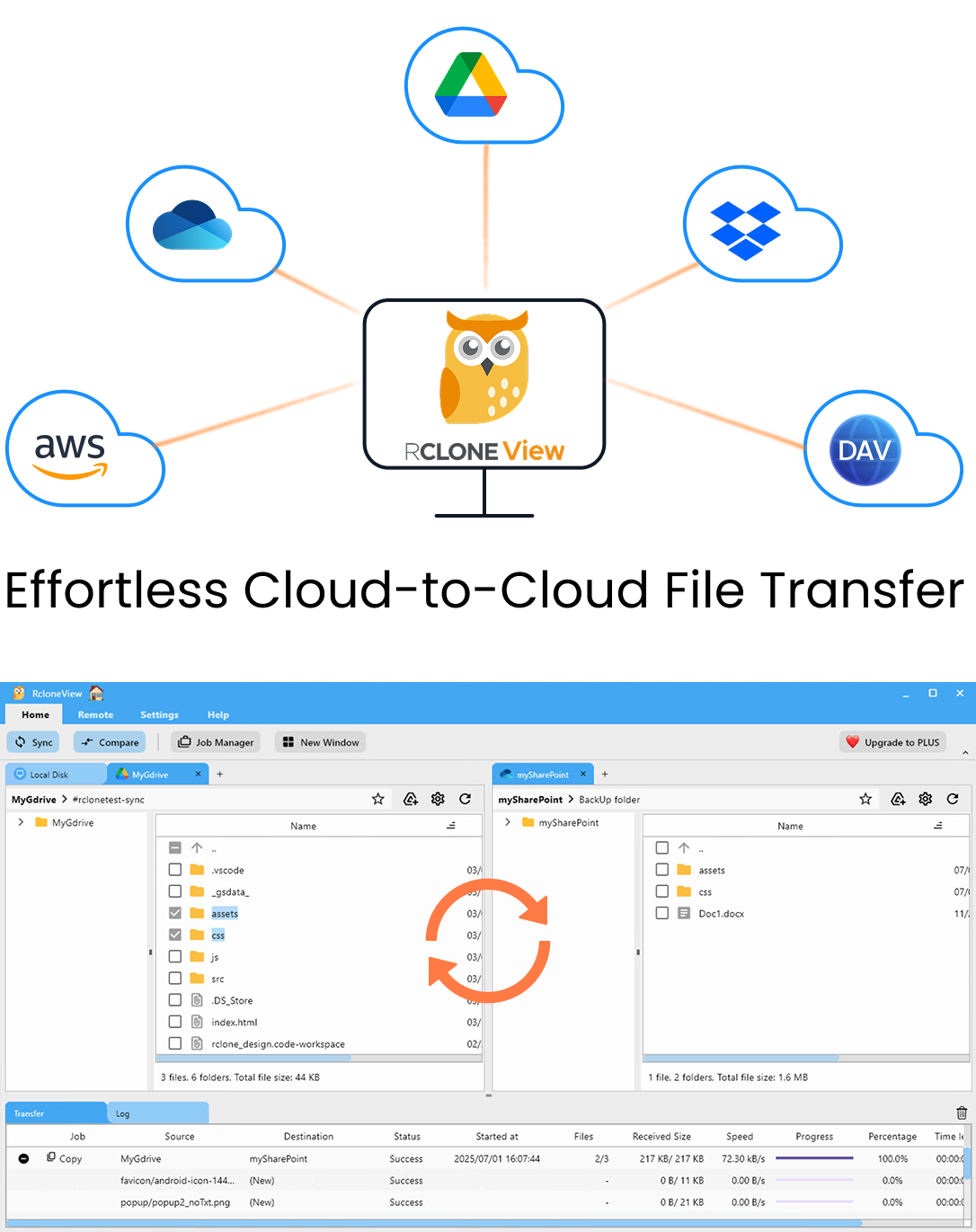
Manage & Sync All Clouds in One Place
RcloneView is a cross-platform GUI for rclone. Compare folders, transfer or sync files, and automate multi-cloud workflows with a clean, visual interface.
- One-click jobs: Copy · Sync · Compare
- Schedulers & history for reliable automation
- Works with Google Drive, OneDrive, Dropbox, S3, WebDAV, SFTP and more
Free core features. Plus automations available.
Why Move SharePoint to S3?
- AWS-based infrastructure — Your apps and compute run on AWS. Data needs to be there too.
- Cross-platform access — S3 is accessible from any language, framework, or platform via a universal API.
- Cost-effective archival — S3 Glacier offers cheaper long-term storage than SharePoint.
- Compliance — Some regulations require data copies outside the Microsoft ecosystem.
- Vendor diversification — Reduce dependency on a single vendor.
Connecting SharePoint
- Click Add Remote → select SharePoint (or OneDrive for Business).
- Authenticate via OAuth — RcloneView opens your browser for Microsoft login.
- Select the SharePoint site and document library you want to access.
- Save — your SharePoint libraries are now browsable.
Connecting AWS S3
- Click Add Remote → select Amazon S3.
- Enter your Access Key ID and Secret Access Key.
- Select your region.
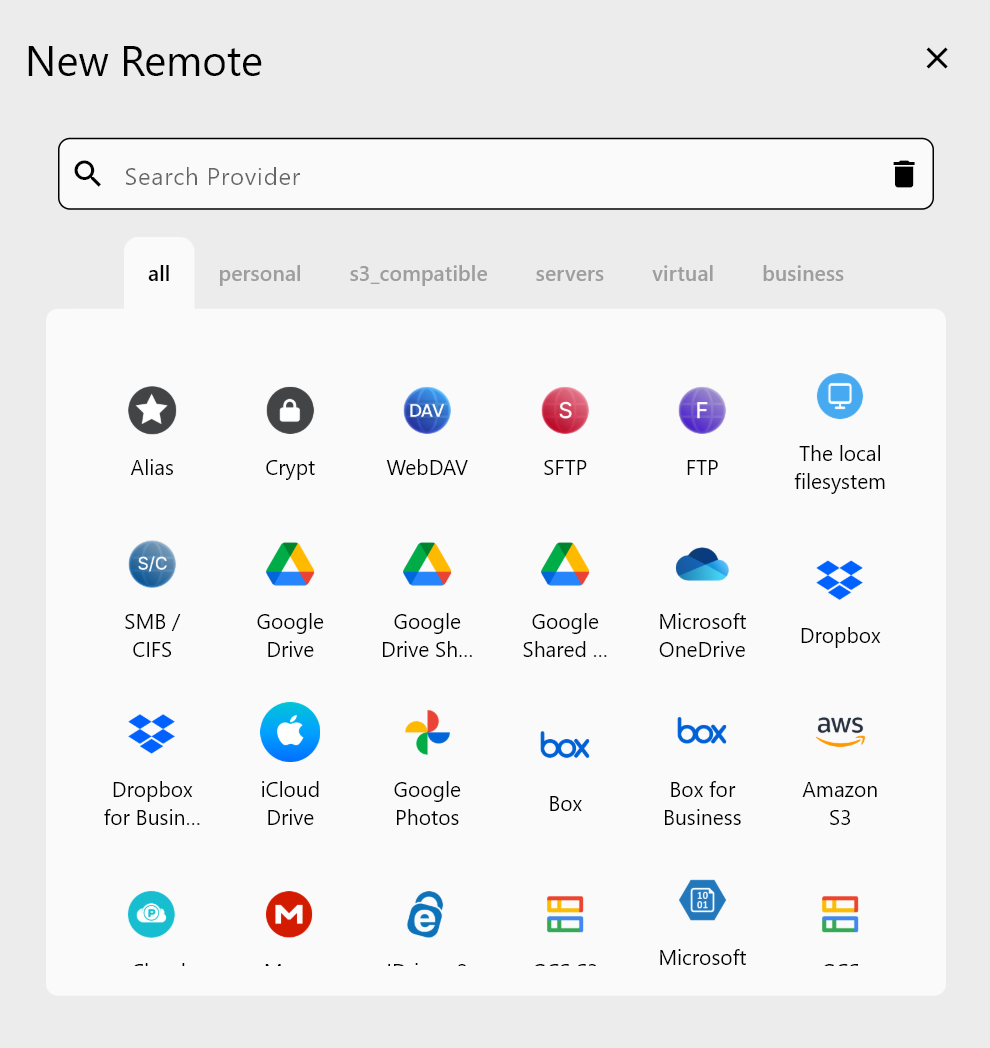
Migration Workflow
Phase 1: Browse and Assess
View SharePoint libraries side by side with your S3 buckets:
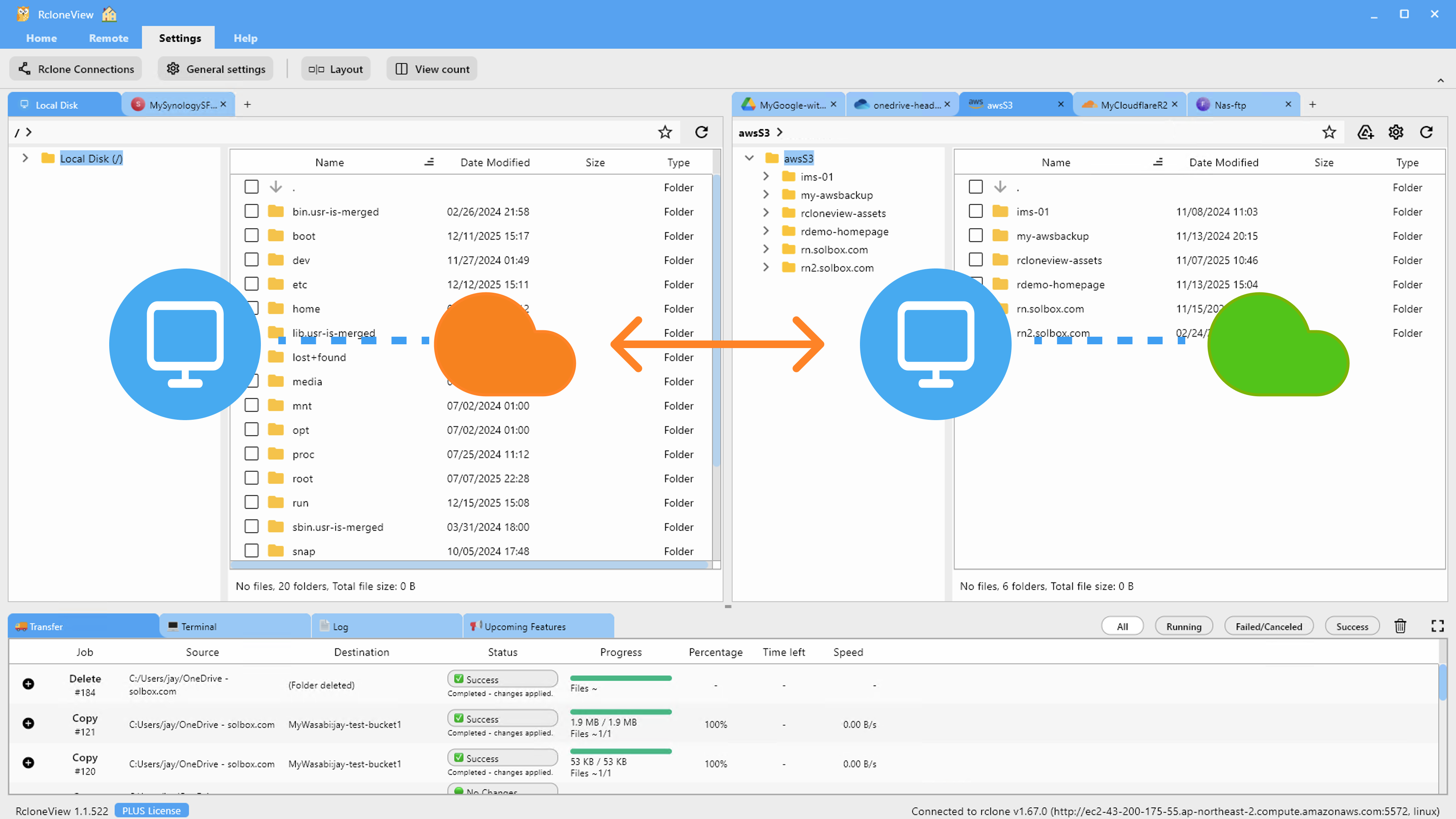
Phase 2: Copy
- Create a Copy job: SharePoint library → S3 bucket.
- Run the transfer and monitor in real time.
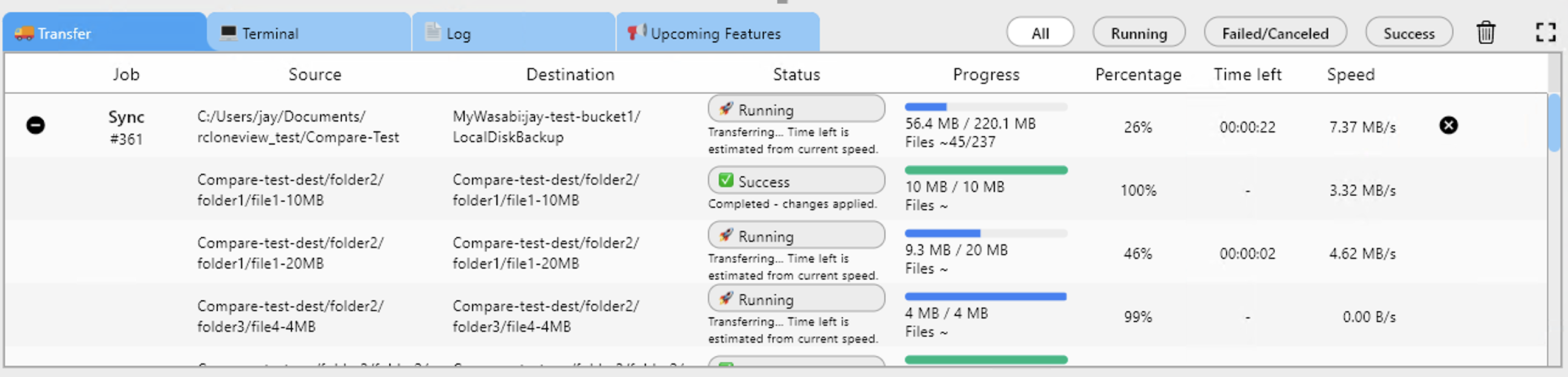
Phase 3: Verify
Confirm completeness with Folder Comparison:
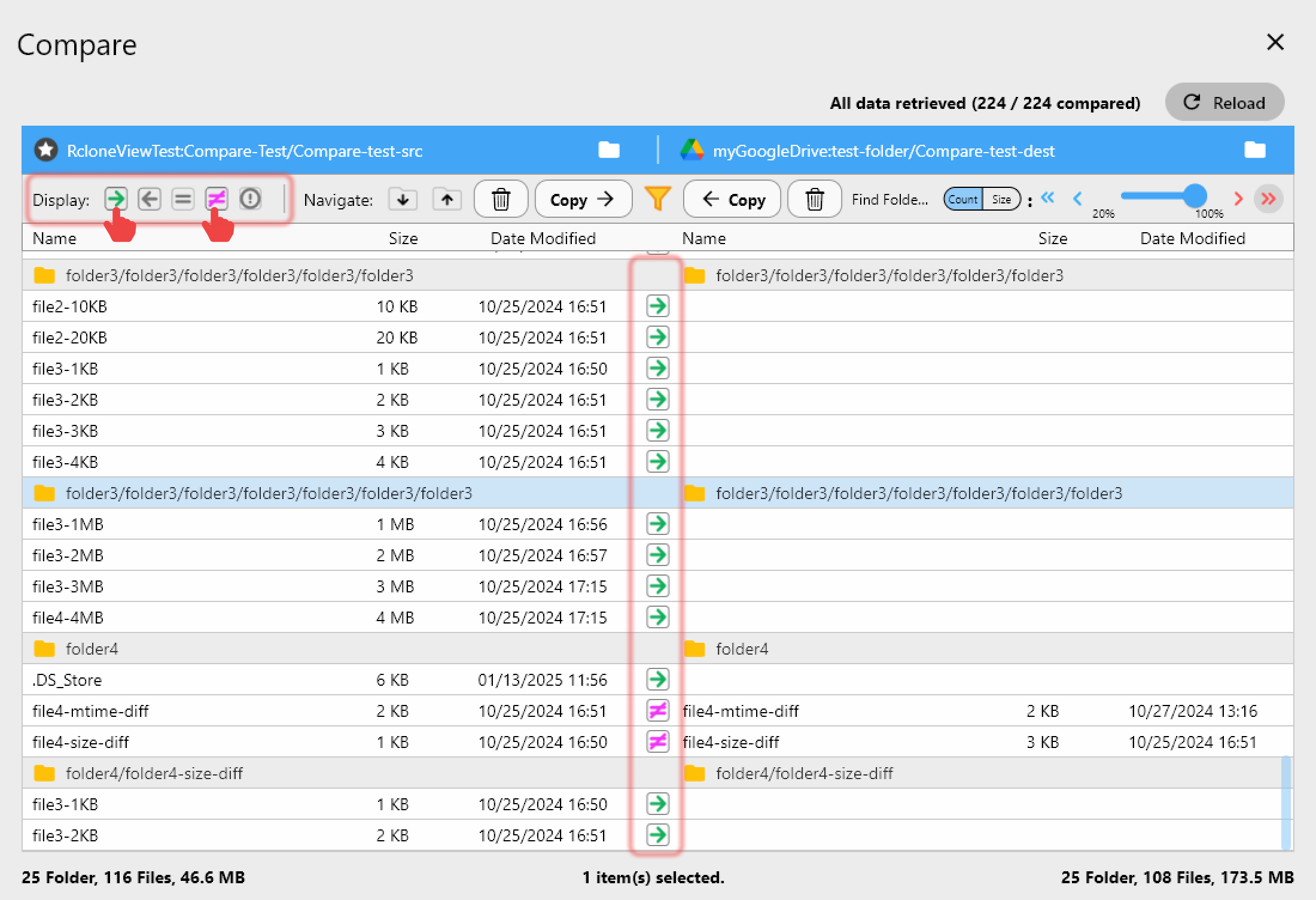
Phase 4: Automate Ongoing Sync
Keep SharePoint and S3 in sync during transition:
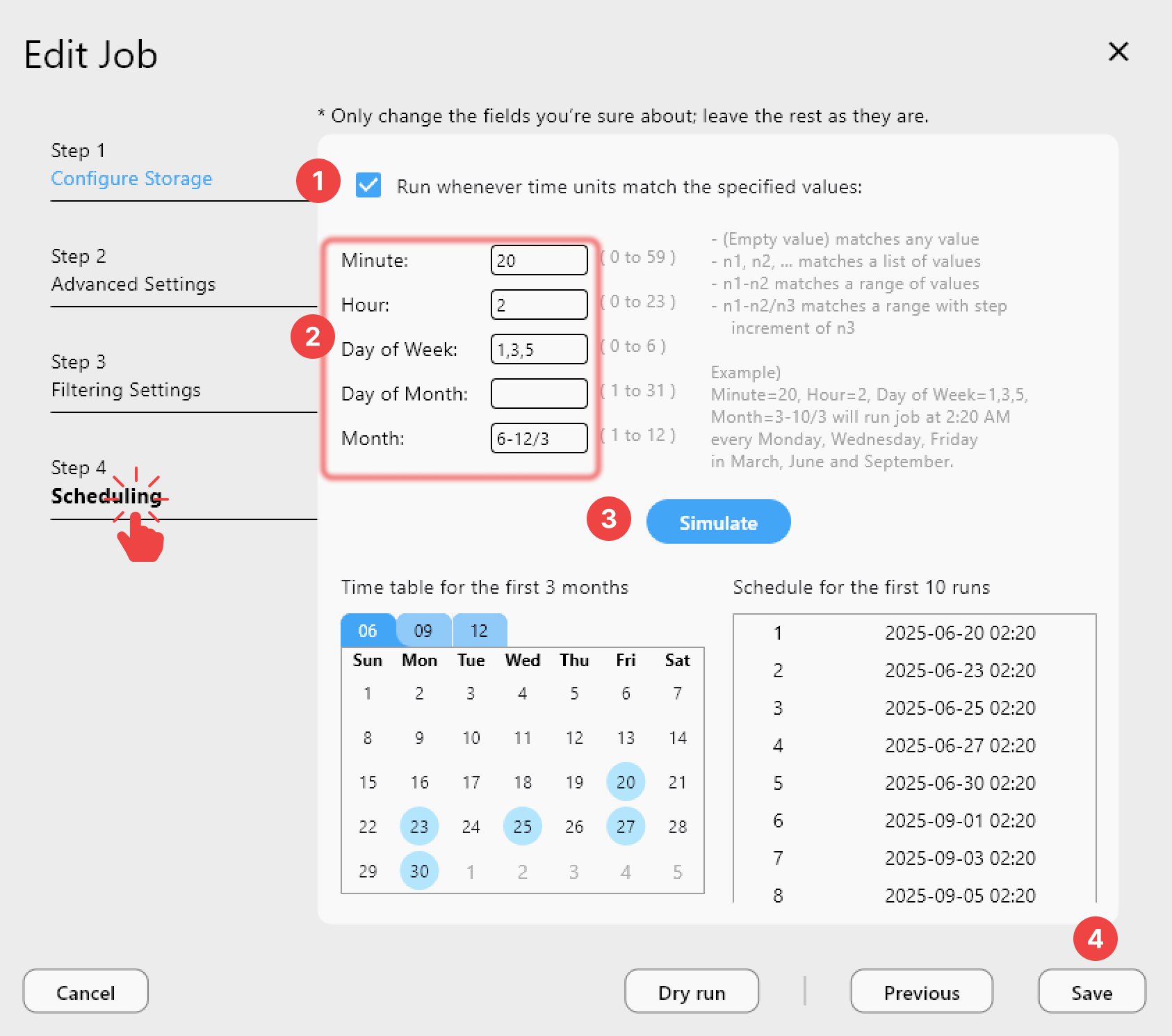
Use Cases
- Data pipeline ingestion — Automatically push SharePoint documents to S3 for processing by AWS Lambda, Glue, or Athena.
- Long-term archival — Move old SharePoint content to S3 Glacier. Save on Microsoft licensing costs.
- Disaster recovery — Maintain an independent S3 copy of critical SharePoint data.
Getting Started
- Download RcloneView from rcloneview.com.
- Add SharePoint and AWS S3 as remotes.
- Copy, verify, schedule — full migration or ongoing sync.
SharePoint doesn't have to mean vendor lock-in. RcloneView makes your Microsoft data portable.
Related Guides:
- SharePoint to Google Drive Migration
- Add AWS S3 and S3-Compatible
- Compare Folder Contents
- Job Scheduling
Supported Cloud Providers